How Long Can Tirzepatide Be at Room Temperature?
Introduction
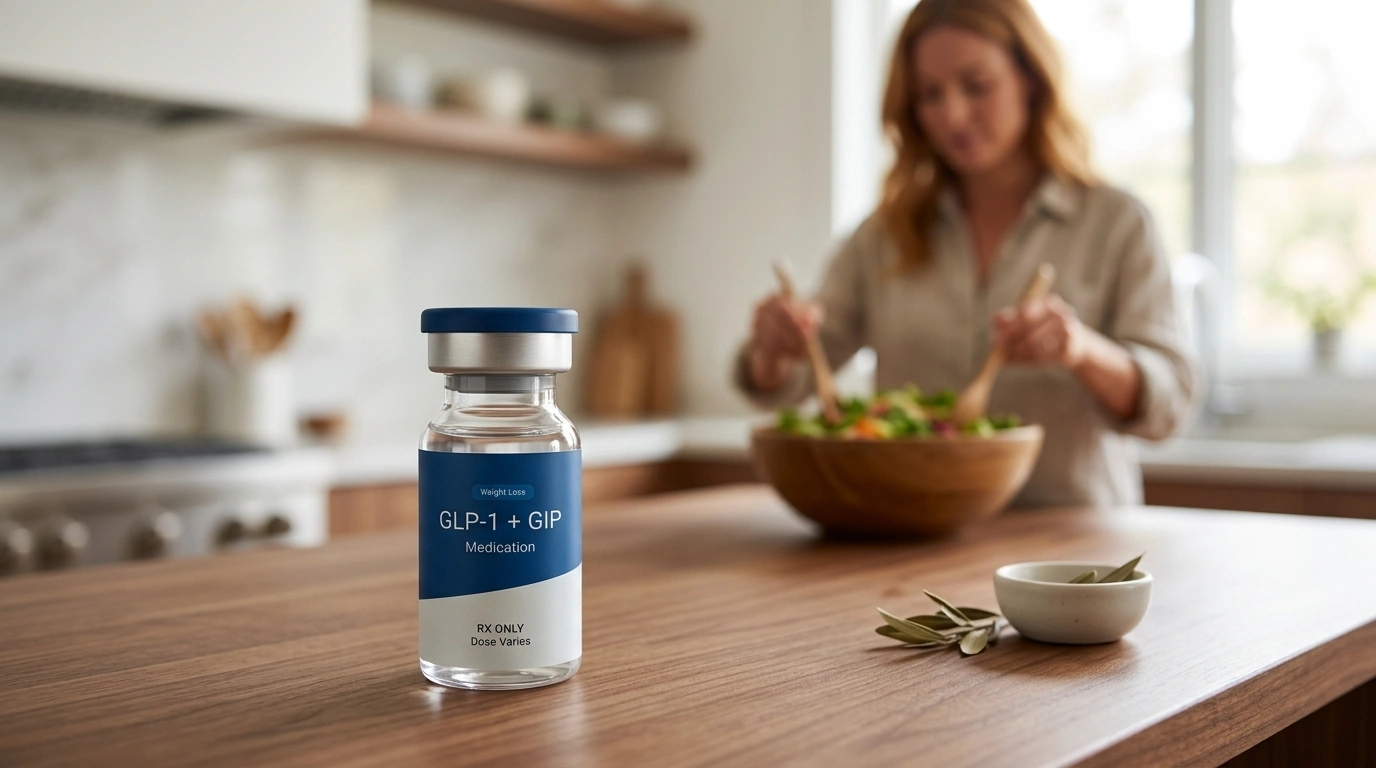
You have finally committed to your health journey, navigated the medical consultations, and received your medication. Then, it happens: you realize you left your tirzepatide pen on the kitchen counter overnight, or perhaps you are planning a cross-country trip and aren’t sure if your medication will survive the flight. These moments can be incredibly stressful when you are focused on maintaining consistency in your weight loss program. At TrimRx, we understand that managing the logistics of modern weight loss treatments is just as important as the medication itself. This article provides a clear breakdown of how long tirzepatide remains stable outside the refrigerator, the science behind temperature sensitivity, and practical tips for protecting your investment in your health. Understanding these storage requirements ensures your treatment remains safe and effective as you work toward your goals.
The Short Answer: Room Temperature Limits
Quick Answer: Branded tirzepatide, such as Mounjaro® or Zepbound®, can typically stay at room temperature (up to 86°F or 30°C) for up to 21 days. If the medication is exposed to temperatures higher than this or remains out of the refrigerator for longer than 21 days, it should be discarded.
When we talk about room temperature, it is important to be precise. For most pharmaceutical guidelines, this refers to a range between 68°F and 77°F, though the medication can usually tolerate brief fluctuations up to 86°F. If you are using a compounded version of the medication, the rules may be different. Compounded tirzepatide is prepared by specialized pharmacies and may have different stability profiles based on the specific formulation used by that pharmacy. Always prioritize the specific instructions printed on your pharmacy label or provided by your clinical team. If you are considering a prescription weight loss program, you can complete a free eligibility assessment.
Why Temperature Matters for Tirzepatide
Tirzepatide is a sophisticated medication known as a dual glucose-dependent insulinotropic polypeptide (GIP) and glucagon-like peptide-1 (GLP-1) receptor agonist. In simpler terms, it is a peptide—a string of amino acids that mimics hormones naturally found in your body to help regulate appetite and blood sugar. Because tirzepatide is a protein-based medication, it is highly sensitive to its environment.
The Risk of Denaturation
When proteins are exposed to excessive heat or extreme cold, they undergo a process called denaturation. This means the structural shape of the molecule begins to change or “unfold.” Because the effectiveness of tirzepatide depends entirely on its shape fitting perfectly into the receptors in your body, a denatured protein becomes “inactive.” If the medication gets too warm, it may not work at all, leading to a plateau in your progress or a return of hunger cues.
Preventing Bacterial Growth
While the primary concern is the stability of the peptide itself, refrigeration also helps maintain the integrity of the preservatives within the solution. Keeping the medication cold ensures that the liquid remains sterile and safe for injection throughout its use-life.
Storage Guidelines for Different Forms of Tirzepatide
It is essential to distinguish between the various ways you might receive this medication. Whether you are using a branded pen or a vial from a compounding pharmacy, the storage “clock” starts the moment the medication leaves the refrigerator.
Branded Injectables (Mounjaro® and Zepbound®)
The manufacturers of Mounjaro® and Zepbound® provide specific testing data regarding room temperature. These single-dose pens are designed for convenience, allowing patients to keep their current dose out of the fridge if they prefer a room-temperature injection, which some find more comfortable.
- Unopened Pens: Should stay in the refrigerator between 36°F and 46°F.
- Room Temperature Limit: 21 days total.
- Maximum Temperature: 86°F (30°C).
- Light Sensitivity: These pens must be kept in their original carton to protect them from light.
If you are exploring whether a personalized tirzepatide or semaglutide program may fit your health profile, you can take the free assessment quiz.
Compounded Tirzepatide
Compounded tirzepatide is prepared by FDA-registered, inspected compounding pharmacies. Because these are often shipped in multi-dose vials rather than single-use pens, the stability may vary. Some compounding pharmacies use different preservatives or concentrations that could affect how long the medication stays stable at room temperature.
Key Takeaway: Never assume the storage rules for a branded pen apply to a compounded vial. Always check the “beyond-use date” (BUD) and specific storage instructions provided by the pharmacy that fulfilled your prescription.
What to Do if You Leave Your Medication Out
If you discover your tirzepatide has been left out, do not panic. Follow these steps to determine if it is still safe to use:
- Check the Clock: Estimate exactly how many hours or days the medication has been at room temperature. If it is under 21 days for branded pens, you are likely still within the safe window.
- Verify the Temperature: Was the room particularly hot? If the medication was near a window in direct sunlight or in a hot car, the temperature likely exceeded 86°F. In these cases, the medication should be discarded regardless of how much time has passed.
- Inspect the Liquid: Look closely at the medication inside the pen or vial. It should be completely clear and colorless. If you see any cloudiness, particles, or a change in color, the medication has likely degraded and is unsafe to inject.
- Consult a Professional: When in doubt, contact your healthcare provider or the pharmacy. It is better to skip a dose or wait for a replacement than to inject a medication that is no longer effective or potentially contaminated.
When storage questions are part of your treatment planning, you can see if you qualify for a personalized program.
Traveling with Tirzepatide: A Logistics Guide
Traveling is one of the most common reasons patients worry about temperature control. Whether you are flying across the country or going on a road trip, you can keep your medication safe with a little bit of planning.
Air Travel and TSA
You are legally allowed to travel with your medication and associated supplies, such as needles. You do not need to notify the TSA officer that you have a medically necessary injectable unless it is a liquid in a container larger than 3.4 ounces, but it is often helpful to keep it in a separate bag for screening.
- Never Pack in Checked Luggage: The cargo hold of an airplane is not temperature-controlled. It can reach freezing temperatures or extreme heat, both of which will ruin tirzepatide. Always keep your medication in your carry-on bag.
- Use an Insulated Travel Case: There are many small, insulated pouches designed specifically for insulin or GLP-1 pens. These often include a small gel ice pack that can keep the medication cool for several hours.
If you are preparing to begin treatment and want guidance tailored to your health history, complete the online assessment.
Hotel Stays
Once you arrive at your destination, your first priority should be securing the medication.
- The Hotel Fridge Warning: Many hotel “mini-bars” are not true refrigerators. They may be “coolers” that do not maintain a consistent temperature, or they may be prone to freezing items placed too close to the cooling element.
- Temperature Verification: If you use a hotel fridge, place the medication in the center of the shelf, away from the back wall where it might freeze.
Managing Power Outages and Emergencies
Natural disasters or simple power failures can put your medication at risk. If the power goes out, keep the refrigerator door closed as much as possible. A sealed refrigerator can typically keep items cold for about four hours.
If the outage lasts longer, you can move your tirzepatide to a small cooler with ice packs. However, ensure there is a barrier (like a towel) between the medication and the ice pack. Direct contact with ice can freeze the medication, which is just as damaging as excessive heat. If tirzepatide freezes, it must be discarded immediately, even if it thaws afterward. If you need help deciding whether a medication program fits your needs, find out if GLP-1 medications may be right for you.
Signs Your Tirzepatide Has Spoiled
You should never inject medication if you have any doubts about its integrity. Beyond the 21-day window, there are physical “red flags” to look for:
- Cloudiness: The solution should be crystal clear. Any “milkiness” is a sign of degradation or contamination.
- Particles: If you see “strings,” flakes, or tiny specks floating in the liquid, the proteins have likely clumped together (precipitated).
- Discoloration: Tirzepatide should be colorless. Any yellowing or brownish tint is a sign that the chemical structure has changed.
- Increased Injection Site Pain: While not always a sign of spoilage, if an injection suddenly feels significantly more painful or causes a new type of skin reaction, it could indicate the solution is no longer stable.
How TrimRx Supports Your Treatment Journey
Navigating the nuances of GLP-1 and GIP medications can feel overwhelming, but you don’t have to do it alone. We provide a platform that connects you with clinical expertise and high-quality medication options without the hassle of traditional doctors’ offices.
Our personalized programs are built on the understanding that every individual has a unique lifestyle. Whether you are a frequent traveler or someone managing a busy household, our support team is available 24/7 to help you navigate questions about storage, dosage, and side effect management. By working with FDA-registered, inspected compounding pharmacies, we ensure that the medications shipped to your door meet high standards of quality and safety.
Bottom line: Success in weight management is about more than just the injection; it’s about the support system that helps you manage the daily realities of your treatment.
The Science of GLP-1 and GIP Stability
To understand why the 21-day rule exists, it helps to look at the clinical data. Manufacturers perform “stability testing” where they expose the medication to various temperatures for set periods and then measure how much of the “active” ingredient remains.
For tirzepatide, the data shows that the molecule remains robust for up to three weeks at room temperature. After this point, the concentration of the active peptide begins to drop below the level required to provide the therapeutic effect. Using “weakened” medication can lead to inconsistent blood sugar levels and a decrease in the appetite-suppressing benefits that are crucial for weight loss.
Best Practices for Daily Storage
To maximize the lifespan and efficacy of your medication, adopt these simple habits:
- Store in the Middle: Keep your medication on a middle shelf in the refrigerator. Avoid the door (which fluctuates in temperature every time you open it) and the very back (which can be too cold).
- Keep the Box: Always store your pens or vials in their original packaging. Light exposure can break down the chemical bonds in the medication over time.
- Check the Date: Every time you take a dose, quickly glance at the expiration or beyond-use date.
- Room Temp Injection: If you prefer a room-temperature injection, take the pen out about 30 minutes before use. This is usually enough time to take the “chill” off without needing to keep the pen out for days at a time.
For questions about starting a prescription weight loss program, begin with a free health assessment.
Summary Checklist for Tirzepatide Storage
Key Takeaway: Consistency is the foundation of weight loss success. Protecting your medication’s stability ensures that every dose you take is working at its full potential.
If you are ever unsure about a dose, follow this quick checklist:
- Has it been at room temperature for more than 21 days?
- Has it been exposed to temperatures above 86°F?
- Has it ever been frozen?
- Is the liquid cloudy or discolored?
- Is it past the expiration date on the box?
If the answer to any of these is “yes,” do not use the medication. Contact your healthcare provider or the TrimRx support team to discuss your next steps and how to get a replacement.
Conclusion
Managing your tirzepatide storage doesn’t have to be a source of anxiety. By remembering the 21-day rule for room temperature and keeping your medication protected from light and extreme heat, you can ensure your treatment remains effective. At TrimRx, we believe that personalized, science-backed support is the key to sustainable weight loss. Our mission is to provide you with the tools, medication, and guidance you need to transform your health with confidence. If you’re ready to start a program tailored to your unique health profile, the first step is simple.
Next Step: Take our free health assessment quiz to see if a personalized tirzepatide or semaglutide program is right for you.
FAQ
Can I put tirzepatide back in the fridge after it reaches room temperature?
Yes, you can put branded tirzepatide back in the refrigerator after it has been at room temperature, but this does not “reset” the 21-day clock. Once the medication has spent any amount of time at room temperature, you should aim to use it within that 21-day window to ensure maximum potency. Always track the total cumulative time the medication has been out of cold storage.
What happens if I accidentally use tirzepatide that was too warm?
If the medication has degraded due to heat, it is unlikely to be toxic, but it will likely be ineffective. You may notice that your appetite returns sooner or your blood sugar levels are higher than usual. If you realize you have injected spoiled medication, monitor yourself for any unusual injection site reactions and consult your healthcare provider to discuss when to take your next valid dose.
Is the room temperature limit the same for semaglutide and tirzepatide?
While both are GLP-1 medications, their specific stability profiles differ slightly. For example, Wegovy® (semaglutide) is generally stable at room temperature for 28 days, whereas tirzepatide (Zepbound® or Mounjaro®) is typically rated for 21 days. Always check the specific manufacturer guidelines or pharmacy labels for the exact medication you are prescribed, as formulations vary. If you are exploring treatment options, you can complete a free eligibility assessment.
Can I use an insulated “frio” pouch for long-term storage?
Insulated pouches or evaporative cooling bags are excellent for travel or temporary situations like a day at the beach, but they are not a substitute for long-term refrigeration. These devices are designed to keep medication within a “safe” room-temperature range (below 86°F) rather than maintaining the true refrigerated temperature (36°F to 46°F) required for long-term storage.
Disclaimer: This content is for informational purposes only and does not constitute medical advice. It is not intended to diagnose, treat, cure, or prevent any disease or condition. Individual results may vary. Always consult a qualified healthcare professional before starting any weight loss program or medication.

Transforming Lives, One Step at a Time
Keep reading

Should You Taper Off Tirzepatide or Just Stop? What the Evidence Says
There is very little direct evidence either way, and anyone who tells you otherwise is filling a gap with confidence. The withdrawal trials that…
Stalled on Tirzepatide Even After a Dose Increase: Your Options
The first thing to check is how long it has been since the increase, because most people ask this question too early. A dose…

Why Did Tirzepatide Stop Working After Three Months of Fast Loss?
Five things explain almost all of it, and the first is the least satisfying: the fast stretch was never going to last. Weight loss…


