The Role of GLP-1 Medications in Your Weight Loss Journey

Introduction
When it comes to weight loss, many people find themselves on a quest for effective, sustainable solutions. Surprisingly, recent research indicates that nearly two-thirds of individuals who undergo weight loss treatment experience significant weight regain shortly after discontinuing their medications. This raises an essential question: How long can you take GLP-1 medications for weight loss, and what does that mean for your long-term success?
GLP-1 (glucagon-like peptide-1) receptor agonists, such as semaglutide and tirzepatide, have emerged as groundbreaking treatments for obesity and weight management. These medications have been clinically proven to promote weight loss by mimicking the effects of GLP-1 naturally produced in the body, which regulates appetite and metabolism. However, understanding the optimal duration of GLP-1 treatment can be complex, as it varies significantly depending on individual circumstances, goals, and health conditions.
In this blog post, we will delve into the intricacies of GLP-1 medications, exploring how long they can be used for weight loss, factors influencing the duration of treatment, and what happens when you stop taking them. By the end of this comprehensive guide, you will have a clearer understanding of how GLP-1 medications can fit into your weight loss journey and the role they play in achieving lasting results.
What You’ll Learn
- The purpose and function of GLP-1 medications in weight management.
- The differences between short-term and long-term use of GLP-1s.
- Factors that influence how long you might need to take these medications.
- The impact of stopping GLP-1 medications on weight regain and health outcomes.
- Recommendations for maintaining weight loss after discontinuing GLP-1 therapy.
Together, we will explore these topics to help you make informed decisions about your weight loss journey and understand the role that GLP-1 medications can play in achieving your health goals.
Understanding GLP-1 and Its Role in Weight Loss
GLP-1 is a hormone that plays a critical role in regulating appetite, insulin secretion, and glucose metabolism. Produced by the intestines, GLP-1 is released in response to food intake, helping to signal fullness and reduce hunger. This natural hormone has garnered attention for its potential in managing obesity and related health issues.
How GLP-1 Medications Work
GLP-1 receptor agonists, such as semaglutide and tirzepatide, mimic the effects of natural GLP-1. By binding to GLP-1 receptors in the body, these medications help to:
- Reduce appetite: This results in decreased calorie intake, making it easier to lose weight.
- Slow gastric emptying: This leads to a more gradual absorption of glucose and prolonged feelings of fullness.
- Improve insulin sensitivity: This helps in managing blood sugar levels, particularly beneficial for individuals with type 2 diabetes.
The Impact of GLP-1 on Weight Loss
Clinical trials have demonstrated that individuals using GLP-1 medications can achieve significant weight loss. For example, participants in studies have reported an average weight reduction of 15% or more of their initial body weight after consistent use over several months. This level of weight loss can lead to improved health outcomes, including better control of blood sugar levels, decreased blood pressure, and reduced risks associated with obesity.
Short-Term vs. Long-Term Use of GLP-1 Medications
Short-Term Use
Some individuals may consider using GLP-1 medications for a short period, typically to achieve specific weight loss goals, such as preparing for an event or improving a health condition. This approach, however, is less common as the benefits of GLP-1s are most pronounced with prolonged use. Short-term use may not provide the sustained appetite suppression and metabolic benefits necessary for lasting weight loss.
Long-Term Use
Long-term use of GLP-1 medications is often recommended for individuals struggling with obesity or those with weight-related health conditions, such as type 2 diabetes. The European Congress on Obesity suggests that maintaining weight loss is more feasible when GLP-1s are used as part of a comprehensive treatment plan that includes lifestyle changes. Most healthcare providers advocate for a minimum treatment duration of 12 to 24 months to achieve optimal results.
Transitioning Off GLP-1 Medications
Once individuals have reached their weight loss goals, the question arises: Can they stop taking GLP-1 medications? While some may be able to transition to a lower maintenance dose, discontinuing GLP-1s altogether can lead to weight regain. Research shows that many patients experience a significant rebound in weight within 6 to 12 months of stopping the medication.
Factors Influencing Duration of GLP-1 Treatment
The duration for which an individual should continue taking GLP-1 medications depends on several factors:
1. Health Goals and BMI
The initial health objectives and body mass index (BMI) play a significant role in determining the length of treatment. Individuals with a BMI of 30 or higher, or those with a BMI of 27 accompanied by weight-related health conditions, may benefit from extended therapy.
2. Response to Treatment
The effectiveness of GLP-1 medications can vary greatly among individuals. If a patient is experiencing significant weight loss (typically around 5% of body weight within a few months), their healthcare provider may recommend continuing the medication. Conversely, if an individual does not see adequate results after 3 to 6 months, it may be time to reevaluate their treatment plan.
3. Lifestyle Changes
Sustainable lifestyle modifications, such as adopting a healthier diet and increasing physical activity, are essential for long-term success. If individuals successfully integrate these changes, they may be able to reduce their reliance on GLP-1 medications over time.
4. Side Effects and Tolerability
Common side effects of GLP-1 medications, such as gastrointestinal issues, may influence how long an individual can tolerate the treatment. If side effects become severe, a healthcare provider may consider adjusting the dosage or switching to an alternative medication.
5. Cost and Insurance Coverage
Financial considerations can also impact the duration of GLP-1 therapy. If insurance coverage changes or medications become too expensive, individuals may need to explore alternative options or rely more heavily on lifestyle changes.
What Happens When You Stop Taking GLP-1 Medications?
Discontinuing GLP-1 medications can lead to various outcomes, particularly regarding weight regain and metabolic health. Research indicates that many individuals who stop taking these medications may regain two-thirds of their weight loss within the first year.
Weight Regain
The appetite-regulating effects of GLP-1 medications diminish once treatment is stopped, often resulting in increased hunger and cravings. Individuals who had significant weight loss may experience the most rapid weight regain, leading to frustration and potential health setbacks.
Health Implications
Beyond weight regain, discontinuing GLP-1s can also affect metabolic markers. Studies have shown that blood pressure, cholesterol levels, and blood sugar control can revert to pre-treatment levels, increasing the risk of obesity-related conditions.
Can You Stop GLP-1s After Reaching Your Goal?
While it is possible for individuals to stop taking GLP-1 medications after achieving their weight loss goals, it is crucial to approach this decision carefully. Transitioning to a lower maintenance dose may be advisable to help sustain weight loss while minimizing side effects.
Importance of Continued Support
For many individuals, ongoing support from healthcare providers and continued commitment to healthy lifestyle changes are vital for maintaining weight loss and overall health. A comprehensive approach that incorporates nutrition, exercise, and behavioral strategies can help reinforce the benefits gained through GLP-1 therapy.
Recommendations for Long-Term Success
- Consult with Your Healthcare Provider: Regular check-ins with your healthcare provider can help determine the optimal duration of GLP-1 therapy and assess your progress.
- Adopt Sustainable Lifestyle Changes: Focus on creating a balanced diet and exercise routine that you can maintain in the long run.
- Consider Maintenance Dosing: If weight loss goals are met, discuss the possibility of transitioning to a lower maintenance dose to help sustain results.
- Stay Informed: Keep abreast of new research and developments in weight loss treatments to make informed decisions.
- Utilize Support Networks: Engaging with support groups or weight loss programs can provide motivation and accountability.
Conclusion
The journey of weight loss is unique for everyone, and GLP-1 medications can be an effective tool in that journey. Understanding how long you can take GLP-1 medications for weight loss and the implications of stopping them is essential for making informed health decisions.
While these medications can facilitate significant weight loss and improve health outcomes, the commitment to a healthier lifestyle remains paramount. By combining GLP-1 therapy with sustainable lifestyle changes, individuals can enhance their chances of achieving lasting success.
FAQ
How long should I take GLP-1 medications for weight loss?
The duration of GLP-1 treatment varies but is typically recommended for at least 12 to 24 months, depending on individual health goals and response to the medication.
What happens if I stop taking GLP-1 medications?
Discontinuing GLP-1s can lead to weight regain and a return to pre-treatment metabolic levels. Many individuals regain two-thirds of their weight loss within a year of stopping.
Can I transition to a lower dose of GLP-1 after reaching my weight loss goal?
Yes, many healthcare providers recommend transitioning to a lower maintenance dose to help sustain weight loss while minimizing side effects.
Are lifestyle changes necessary while on GLP-1 medications?
Absolutely. Combining GLP-1 therapy with healthy eating and regular exercise is crucial for achieving and maintaining weight loss.
How can I ensure long-term success after stopping GLP-1s?
Engaging in a supportive community, maintaining a balanced diet, and staying active are essential strategies for sustaining weight loss and overall health.
If you’re interested in exploring GLP-1 medications as part of a personalized weight loss program, we encourage you to take our free assessment quiz to see if you qualify for our prescription weight loss options. Together, we can support your journey toward a healthier lifestyle.

Transforming Lives, One Step at a Time
Keep reading

How to Adjust Weight Loss Goals on GLP-1 Medications
Adjust weight goals on GLP-1 meds by tracking body composition and labs, optimizing protein, activity, sleep, and working with your provider on dosing.
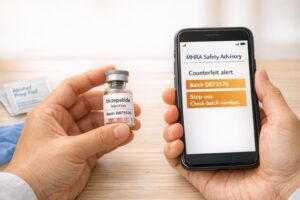
Falsified Mounjaro pens prompt urgent safety advisory
MHRA warns of counterfeit Mounjaro pens (batch D873576); stop use and check batch numbers for infection risk.

Novo Nordisk shares drop as Alzheimer’s hopes for weight-loss drug fade
Novo Nordisk’s semaglutide failed to slow Alzheimer’s in large trials, prompting shares to fall and expert reactions.


