How Long Does Diarrhea Last When Taking Ozempic?
Introduction
Starting a medical weight loss journey is an empowering step toward long-term health, but it often comes with a learning curve as your body adapts to new medications. If you have recently begun treatment or increased your dosage, you might be experiencing some unexpected digestive changes. One of the most frequent questions we hear is regarding gastrointestinal discomfort, specifically: how long does diarrhea last when taking Ozempic?
At TrimRx, we believe that understanding your body’s response to treatment is the first step toward a successful outcome. If you’re ready to see whether a personalized program fits your goals, take our free assessment quiz. This article covers why these digestive shifts happen, what the typical timeline for relief looks like, and practical steps you can take to manage symptoms. While side effects can be frustrating, they are usually a temporary part of the adjustment process as your metabolic health improves. Our goal is to help you navigate these symptoms with confidence so you can stay focused on your wellness goals.
What is Ozempic® and Why Does it Affect Digestion?
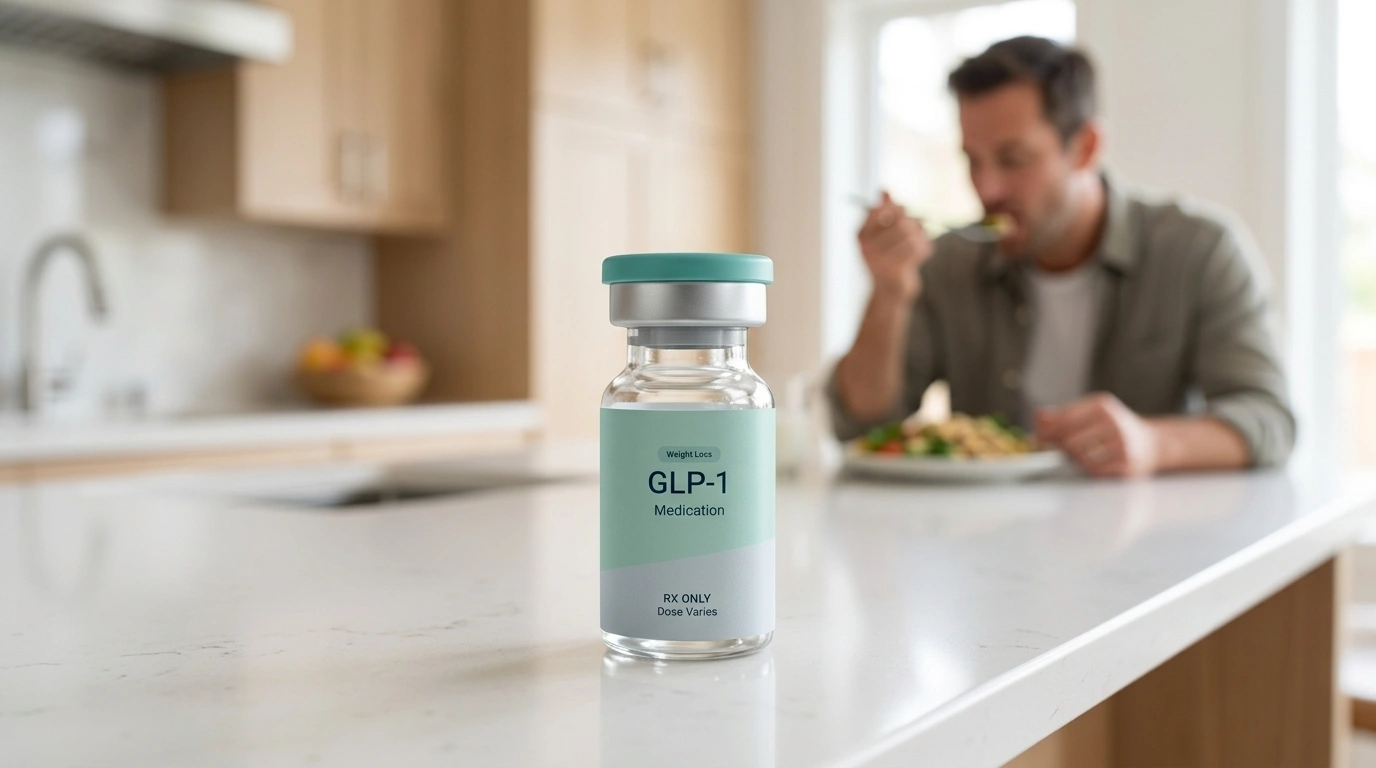
Ozempic® is a brand-name prescription medication that contains the active ingredient semaglutide. It belongs to a class of drugs known as glucagon-like peptide-1 (GLP-1) receptor agonists. Originally developed to help manage blood sugar levels in adults with type 2 diabetes, it has gained significant attention for its ability to support weight management. It is important to note that while Ozempic® is FDA-approved for diabetes, other medications with the same active ingredient, such as Wegovy®, are specifically approved for chronic weight management. For a deeper look at this class of medication, see understanding semaglutide side effects and management.
A GLP-1 receptor agonist works by mimicking a natural hormone in your body that targets areas of the brain that regulate appetite and food intake. One of its primary functions is to slow down “gastric emptying.” This is the scientific term for the speed at which food leaves your stomach and enters your small intestine. By slowing this process, the medication helps you feel full for a longer period after eating, which naturally leads to a reduction in calorie intake.
However, this change in the speed of digestion is also the primary reason for gastrointestinal side effects. When the pace of your digestive system shifts, it can lead to symptoms like nausea, bloating, and diarrhea. Your body essentially needs time to recalibrate how it processes nutrients under the influence of the increased GLP-1 activity.
How Long Does Diarrhea Last When Taking Ozempic?
For most people, diarrhea associated with semaglutide is a temporary side effect that occurs during the early stages of treatment. Research and clinical data suggest a relatively consistent timeline for how long these symptoms persist.
Quick Answer: Most individuals report that diarrhea lasts for about 3 days after a specific dose, and the tendency for this side effect usually resolves entirely within the first 4 weeks of treatment as the body adjusts.
For a fuller breakdown, the semaglutide side effects guide explains how these symptoms often change over time.
The Initial Adjustment Period
When you first start the medication, your digestive system is introduced to a hormone level it is not used to. Statistics show that roughly 8% to 9% of patients experience diarrhea during this initial phase. For the majority of these individuals, the symptoms are mild to moderate. Most patients find that the frequency of loose stools decreases significantly after the first month.
The Impact of Dose Escalation
It is common for diarrhea to reappear briefly if your healthcare provider increases your dosage. This process, called titration, involves starting at a very low dose and gradually increasing it over several months. Each time the dose goes up, your body may go through a “mini-adjustment” period. During these windows, you might notice a recurrence of digestive issues for a few days, but these typically settle down much faster than the initial adjustment period.
Long-Term Outlook
Clinical studies indicate that only a small fraction of patients—approximately 4%—decide to stop treatment due to gastrointestinal side effects. This suggests that for the vast majority of people, the symptoms are manageable and short-lived. If diarrhea persists beyond the first month or becomes severe enough to interfere with your daily life, it is essential to consult with your healthcare professional to discuss a potential dosage adjustment.
Why Does Semaglutide Cause Diarrhea?
Understanding the “why” behind your symptoms can make them feel less alarming. While researchers are still studying the exact mechanisms, several leading theories explain why semaglutide can lead to diarrhea. For a broader overview, common GLP-1 side effects shows the pattern many people notice during the first weeks.
1. Changes in Nutrient Absorption
Because the medication slows down the movement of food through the gut, it can alter how the intestines absorb certain nutrients, particularly fats and sugars. If these nutrients are not absorbed efficiently in the small intestine, they can draw excess water into the colon as they pass through. This excess water is what results in watery or loose stools.
2. The Gastrocolic Reflex
The medication’s effect on the stomach can sometimes trigger a stronger-than-usual gastrocolic reflex. This is a physiological reflex that controls the movement of the lower digestive tract following a meal. When food stays in the stomach longer, it can send signals to the colon to “clear the way,” sometimes causing an overactive response that leads to urgent bowel movements.
3. Alterations in the Gut Microbiome
Emerging research suggests that GLP-1 medications may influence the balance of bacteria in your digestive tract, known as the gut microbiome. While these changes are often beneficial for metabolic health in the long run, the transition phase can cause temporary digestive upset as the bacterial environment shifts.
4. Bile Acid Processing
Some experts believe that semaglutide might affect how the body processes bile acids. If bile acids are not reabsorbed correctly, they can irritate the lining of the colon, which acts as a natural laxative and leads to diarrhea.
The Role of Dose Titration in Digestive Comfort
One of the most effective ways to minimize the duration and severity of diarrhea is through a careful titration schedule. Healthcare providers almost always start patients on a 0.25 mg dose of semaglutide for the first four weeks. This low dose is generally not high enough to cause significant weight loss, but its purpose is critical: it “primes” your digestive system for the medication.
By gradually increasing the dose every four weeks, your body has a chance to build a tolerance. If you skip steps or increase your dose too quickly, the likelihood of experiencing prolonged diarrhea increases significantly.
Key Takeaway: Following the prescribed titration schedule is the most important factor in reducing gastrointestinal side effects. Patience in the early stages leads to better tolerability in the long term.
Practical Strategies to Manage Diarrhea
If you are currently experiencing diarrhea, you do not have to simply wait it out. There are several lifestyle and dietary adjustments you can make to support your digestive system, and GLP-1 side effects in 2026 walks through the same kinds of day-to-day troubleshooting.
Focus on Hydration and Electrolytes
The greatest risk associated with diarrhea is dehydration. When you lose fluids through loose stools, you also lose essential minerals like sodium, potassium, and magnesium.
- Drink small sips: Instead of gulping large amounts of water, take small, frequent sips throughout the day.
- Use electrolyte powders: Consider adding a sugar-free electrolyte mix to your water to replenish lost minerals.
- Watch for signs of dehydration: If you feel dizzy, have a dry mouth, or notice dark-colored urine, you may need to increase your fluid intake.
Modify Your Eating Habits
How you eat can be just as important as what you eat.
- Eat smaller meals: Instead of three large meals, try five or six very small snacks. This puts less “pressure” on your digestive system at any one time.
- Eat slowly: Give your brain and stomach time to communicate. Put your fork down between bites.
- Stop when satisfied: Overeating while taking a GLP-1 medication is a major trigger for both nausea and diarrhea. Because your stomach empties slowly, even a few extra bites can lead to significant discomfort.
Consider Over-the-Counter Support
In some cases, your healthcare provider may suggest temporary use of over-the-counter anti-diarrheal medications, such as loperamide. These can help slow down the movement of the gut while your body adjusts. However, you should always consult your provider before starting these, as they can sometimes lead to the opposite problem—constipation—if used incorrectly.
What to Eat (and Avoid) for Better Digestive Health
Your diet plays a massive role in how your body reacts to medications like Ozempic®. Certain foods can exacerbate diarrhea, while others can help soothe your digestive tract.
Foods to Prioritize (The Bland Approach)
When your stomach is upset, think “simple and bland.”
- The BRAT Diet: Bananas, rice, applesauce, and toast have long been recommended for managing diarrhea. These foods are low in fiber and easy for the body to process.
- Lean Proteins: Boiled chicken, turkey, or tofu provide necessary protein without the heavy fats that can trigger diarrhea.
- Cooked Vegetables: Raw vegetables can be hard to digest. Opt for steamed carrots or zucchini instead.
- Clear Broths: Bone broth or vegetable broth can provide hydration and light nutrients without taxing the gut.
Foods to Avoid (The Triggers)
Some foods act as “speed bumps” for your digestion or can directly irritate an already sensitive system.
- High-Fat and Fried Foods: Fats are difficult to digest when your gastric emptying is slowed. Greasy burgers, fried chicken, and heavy sauces are frequent triggers for diarrhea.
- Sugary Drinks and Sweets: High concentrations of sugar can draw water into the gut, worsening loose stools.
- Caffeine and Alcohol: Both caffeine and alcohol can stimulate the digestive tract and contribute to dehydration.
- Artificial Sweeteners: Many sugar-free products contain “sugar alcohols” (like sorbitol or xylitol). These are known to have a laxative effect and should be avoided if you are experiencing diarrhea.
- Spicy Foods: Capsaicin and other spices can irritate the lining of the stomach and intestines.
When to Contact Your Healthcare Provider
While mild diarrhea is a common part of the adjustment period, it is important to know when a side effect has become a medical concern. You should reach out to a licensed healthcare professional if you experience any of the following:
- Severe Pain: Intense abdominal pain or cramping that does not go away.
- Persistent Symptoms: Diarrhea that lasts for more than two weeks without improvement.
- Signs of Severe Dehydration: Extreme thirst, lack of urination, or confusion.
- Blood in Stool: Any signs of blood or black, tarry stools require immediate medical evaluation.
- Fever or Vomiting: If diarrhea is accompanied by a high fever or the inability to keep down liquids.
Your provider may decide to keep you at a lower dose for an extra month to give your body more time to adapt, or they may investigate other underlying causes for your symptoms.
How TrimRx Supports Your Journey
Managing the side effects of GLP-1 medications is easier when you have a dedicated team in your corner. We recognize that every individual’s metabolic health is unique, which is why a one-size-fits-all approach rarely works for sustainable weight loss.
Our platform connects you with licensed healthcare providers who specialize in personalized weight loss programs. Through TrimRx, you gain access to comprehensive care that includes medical consultations, lab work, and unlimited support—all through a convenient telehealth model. If you experience side effects like diarrhea, our team of specialists is available 24/7 to provide guidance on dosage adjustments and symptom management.
We also offer specialized supplements designed to support your body during this transition. Our GLP-1 Daily Support supplement is formulated to help maintain nutrient balance and support digestive health.
The Weight Loss Boost supplement can complement your prescription program by providing additional metabolic support. If you are using semaglutide, we ensure you have the tools and clinical supervision needed for a safe and effective experience.
Conclusion
Diarrhea is a common, though inconvenient, side effect of the body’s adjustment to GLP-1 medications like Ozempic®. For most, the question of “how long does it last” has a positive answer: usually only a few days to a few weeks. By prioritizing hydration, sticking to a bland diet, and following a slow titration schedule, you can significantly reduce the impact of these symptoms on your daily life.
The journey to better health is a marathon, not a sprint. Temporary digestive shifts are often a sign that the medication is working to reset your metabolic pathways. If you’d like a bigger-picture overview of program structure, the GLP-1 weight loss program guide is a helpful next read.
Bottom line: Stay hydrated, eat small meals, and give your body the time it needs to adapt. Most digestive issues will clear up as you settle into your maintenance dose.
If you are ready to start a science-backed, medically supervised weight loss program tailored to your health profile, the first step is simple. We invite you to complete the free assessment quiz to determine your eligibility and begin your personalized journey today.
FAQ
Does everyone get diarrhea when taking Ozempic®?
No, not everyone experiences this side effect. Clinical trials show that diarrhea affects roughly 8% to 30% of users depending on the dosage, meaning the majority of people do not experience significant diarrhea. Many patients report only mild nausea or no gastrointestinal side effects at all. For a broader overview of what patients may notice day to day, see what GLP-1 side effects look like day to day.
Why did my diarrhea start after I increased my dose?
This is a common occurrence known as a titration side effect. When you increase your dose of semaglutide, your body must once again adjust to a higher level of the GLP-1 hormone, which can temporarily slow digestion further and cause a brief recurrence of loose stools for a few days.
Can I take Imodium while on a GLP-1 medication?
Many healthcare providers approve the occasional use of over-the-counter anti-diarrheal medications like Imodium (loperamide) to manage symptoms. However, because GLP-1 drugs already slow down your digestion, you must use these carefully to avoid causing constipation; always consult your provider before starting new OTC medications.
Will the diarrhea come back if I miss a dose?
If you miss a dose and then restart, or if you take your dose late, your body may experience a slight fluctuation in hormone levels. This can sometimes trigger a mild recurrence of digestive symptoms, which is why consistency in your weekly injection schedule is highly recommended.
Disclaimer: This content is for informational purposes only and does not constitute medical advice. It is not intended to diagnose, treat, cure, or prevent any disease or condition. Individual results may vary. Always consult a qualified healthcare professional before starting any weight loss program or medication.

Transforming Lives, One Step at a Time
Keep reading
I Took My Ozempic Two Days in a Row by Accident
Call for guidance now rather than waiting to see how you feel. In the United States, Poison Control is available free and around the…

Why Does My Ozempic Injection Sting More Some Weeks Than Others?
Because more variables change between injections than most people realize. Temperature of the medication, which site you used, how deep the needle went, how…

How to Store Your Ozempic Pen During a Power Outage
Keep the refrigerator door closed. An unopened refrigerator holds a safe temperature for roughly four hours, and a full freezer holds for considerably longer….


