How Long Does It Take for GLP-1 to Work?

Introduction
Did you know that nearly 40% of adults in the United States are classified as obese? This staggering statistic highlights the pressing health crisis many individuals face as they navigate their weight loss journeys. For those seeking effective solutions, GLP-1 receptor agonists have emerged as a promising option, combining advancements in medical science with personalized treatment plans. If you’re asking yourself, “How long for GLP-1 to work?” you’re not alone.
In this blog post, we will explore the timeline of GLP-1 medications, focusing on how they function, what to expect after starting treatment, and the various factors that can influence their effectiveness. By the end, you’ll have a better understanding of the expected time frames for weight loss and blood sugar control when using these medications, allowing you to set realistic expectations for your health journey.
We aim to deliver comprehensive insights into the mechanisms of GLP-1 drugs, their effects on weight loss, and the personal factors that can influence their efficacy. Together, we will discuss how incorporating a holistic approach—including lifestyle changes—can enhance the benefits of GLP-1 medications.
In each section, we’ll provide valuable information that can empower you to make informed decisions regarding your health. We believe that understanding how GLP-1 medications work will foster a more rewarding experience on your path to sustainable weight loss.
What Are GLP-1 Receptor Agonists?
GLP-1 receptor agonists, short for glucagon-like peptide-1 receptor agonists, are a class of medications primarily used for managing type 2 diabetes and facilitating weight loss. By mimicking a natural hormone in the body, these drugs play a crucial role in glucose metabolism and appetite regulation.
Mechanism of Action
GLP-1 is a hormone secreted in the gut in response to food intake. It works by stimulating insulin secretion from the pancreas while inhibiting glucagon release, ultimately leading to reduced blood sugar levels. Additionally, GLP-1 receptor agonists slow gastric emptying, which helps you feel fuller longer and may reduce overall caloric intake.
Common GLP-1 Medications
Several GLP-1 medications are available on the market today, including:
- Semaglutide (available as Ozempic® and Wegovy®)
- Tirzepatide (Mounjaro®)
- Liraglutide (Saxenda®)
- Dulaglutide (Trulicity)
Each of these medications has unique dosing regimens and indications, but they share a common mechanism of action aimed at improving glycemic control and promoting weight loss.
Why Consider GLP-1 Medications?
If you’re struggling with weight management or type 2 diabetes, GLP-1 medications may be a suitable option for you. At TrimRx, we believe that personalized, medically supervised care is essential for effective weight loss. Our approach combines cutting-edge telehealth innovations with compassionate support, ensuring that you receive the individualized care you deserve.
If you’re interested in exploring whether GLP-1 medications are right for you, we encourage you to take our free assessment quiz. By doing so, you can discover a personalized treatment plan tailored to your needs.
How Long Does It Take for GLP-1 to Work?
When starting a GLP-1 medication, one of the most common questions individuals have is about the timeline of its effects. While the onset of action can vary based on the specific medication and individual factors, we’ll break down the general timeline you can expect when using GLP-1 receptor agonists.
Initial Effects: Days 1-7
Most individuals can expect to start experiencing some initial effects within the first few days of treatment. Research indicates that the onset of action for medications like semaglutide can begin as soon as one to three days after the first dose. During this time, you may notice early signs of appetite suppression and a decrease in cravings.
Short-Term Effects: Weeks 1-4
As you continue with treatment, significant changes often become more noticeable within the first month. During this period, many individuals report a reduction in appetite and an increased sense of fullness after meals. Studies have shown that individuals may lose a small percentage of their baseline body weight—typically around 2-5%—by the end of the first month.
Medium-Term Effects: Weeks 5-20
After the first month, the effects of GLP-1 medications tend to become more pronounced. Between weeks 5 and 20, as your dose may be gradually increased under medical supervision, you may experience more significant weight loss. This is often when individuals notice a steady decline in body weight, with many achieving 5-10% of their weight loss goal during this timeframe.
Long-Term Effects: Beyond 20 Weeks
For those who continue to adhere to their treatment plan, weight loss can become even more substantial after 20 weeks. Studies have shown that long-term use of GLP-1 medications can lead to sustained weight loss, with some individuals maintaining their results for months or even years. At this stage, it’s essential to complement medication with healthy lifestyle choices, such as balanced nutrition and regular physical activity, to maximize your results.
Factors Influencing the Timeline
While we’ve outlined a general timeline for the effects of GLP-1 medications, it’s important to recognize that individual experiences may vary. Several factors can influence how quickly and effectively these medications work:
- Dosage: Higher doses may lead to more significant weight loss but could also increase the risk of side effects. It’s important to follow your healthcare provider’s recommendations for dosage adjustments.
- Individual Response: Everyone’s body is different. Factors such as age, weight, metabolism, and genetic predisposition can all impact how quickly you respond to GLP-1 treatment.
- Lifestyle Factors: Your diet, exercise routine, and adherence to the treatment plan play a significant role in the effectiveness of GLP-1 medications. Incorporating healthy habits can enhance the benefits of these treatments.
- Combination Therapy: Sometimes, GLP-1 medications are used in conjunction with other diabetes medications or weight loss strategies. This can fast-track your progress and improve overall outcomes.
By understanding these factors, you can set realistic expectations for your journey with GLP-1 medications.
The Importance of Personalized Care
At TrimRx, we emphasize the value of personalized care. Our mission is to help individuals embrace healthier lifestyles through tailored treatment plans that align with their unique needs and goals. We understand that weight loss is not a one-size-fits-all journey, and that’s why we conduct a free assessment quiz to help you determine your eligibility for our prescription weight loss medications.
Each person’s experience with GLP-1 medications may differ, and we are committed to supporting you every step of the way. This includes providing comprehensive services such as doctor consultations, medication management, lab work, and unlimited support, all designed to make sustainable weight loss attainable.
Embracing a Holistic Approach
While GLP-1 medications can be highly effective, they work best when paired with a holistic approach. At TrimRx, we promote a comprehensive weight loss strategy that includes:
- Nutrition: Focusing on a balanced diet rich in whole foods can enhance the benefits of your treatment. Eating a variety of fruits, vegetables, lean proteins, and whole grains can support weight loss and overall health.
- Physical Activity: Regular exercise plays a critical role in weight management. Whether it’s walking, cycling, or strength training, incorporating physical activity into your routine can help you achieve better results.
- Behavioral Changes: Addressing emotional eating patterns, understanding your relationship with food, and developing coping strategies can further enhance your weight loss journey.
By focusing on these aspects, you can create a sustainable lifestyle that supports your goals and helps you maintain your desired weight over time.
Potential Side Effects of GLP-1 Medications
While GLP-1 medications can be highly effective for weight loss and blood sugar control, they may also come with potential side effects. It’s important to be informed about these and to communicate with your healthcare provider if you experience any adverse effects.
Common Side Effects
Some of the most common side effects associated with GLP-1 medications include:
- Nausea: This is often temporary and may subside as your body adjusts to the medication.
- Vomiting: Similar to nausea, this can occur but usually improves over time.
- Diarrhea or Constipation: Changes in bowel habits may be experienced as your body adapts.
- Reduced Appetite: While this can be a desired effect, it’s important to ensure you’re still consuming adequate nutrition.
When to Seek Medical Attention
If you experience severe side effects or any concerning symptoms, it’s crucial to reach out to your healthcare provider. They can help determine whether adjustments to your treatment plan are necessary or if additional interventions are needed.
Conclusion
Navigating the path to weight loss can be challenging, but with the right tools and support, it is entirely achievable. GLP-1 medications offer a valuable resource for individuals looking to manage their weight and blood sugar levels effectively. Understanding how long it takes for GLP-1 medications to work can empower you to set realistic expectations and make informed decisions along your journey.
Remember that each person’s experience will be unique, influenced by various factors such as dosage, individual response, and lifestyle choices. At TrimRx, we are dedicated to providing personalized care and support to help you reach your goals. If you’re considering GLP-1 medications, we encourage you to take our free assessment quiz to discover the best options for your individual needs.
By prioritizing your health with a comprehensive approach that includes medication, nutrition, and exercise, you can create a sustainable path to long-term success.
FAQ
How quickly can I expect to see results from GLP-1 medications?
Many individuals start to notice initial effects within the first week, but significant weight loss often occurs over several weeks to months.
Are there any side effects associated with GLP-1 medications?
Yes, common side effects may include nausea, vomiting, and changes in bowel habits. If you experience severe side effects, consult your healthcare provider.
Can GLP-1 medications be used in conjunction with other treatments?
Yes, GLP-1 medications can be used alongside other diabetes medications and weight loss strategies, enhancing overall effectiveness.
How do I know if GLP-1 medications are right for me?
Taking our free assessment quiz is a great starting point to determine your eligibility for GLP-1 medications and to receive personalized recommendations.
What lifestyle changes should I consider while using GLP-1 medications?
Incorporating a balanced diet, regular exercise, and behavioral changes can significantly enhance the effectiveness of GLP-1 treatment and support sustainable weight loss.
For more information on how TrimRx can assist you in your weight loss journey, visit our website or take our free assessment quiz. Together, we can help you achieve your health goals and embrace a healthier lifestyle.

Transforming Lives, One Step at a Time
Keep reading

How to Adjust Weight Loss Goals on GLP-1 Medications
Adjust weight goals on GLP-1 meds by tracking body composition and labs, optimizing protein, activity, sleep, and working with your provider on dosing.
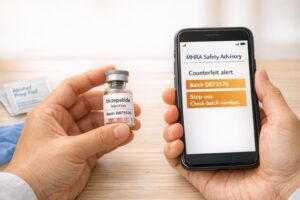
Falsified Mounjaro pens prompt urgent safety advisory
MHRA warns of counterfeit Mounjaro pens (batch D873576); stop use and check batch numbers for infection risk.

Novo Nordisk shares drop as Alzheimer’s hopes for weight-loss drug fade
Novo Nordisk’s semaglutide failed to slow Alzheimer’s in large trials, prompting shares to fall and expert reactions.


