How Long Does It Take for Ozempic to Work for Weight Loss?
You’ve started Ozempic or you’re about to, and you want to know when you’ll see results. Will you notice something in the first week? The first month? How long until the medication actually starts doing what it’s supposed to do?
The answer depends on what you mean by “work.” If you’re asking when you’ll feel the medication affecting your appetite, that typically happens within the first one to two weeks. If you’re asking when you’ll see meaningful weight loss on the scale, that usually takes two to three months. And if you’re asking when you’ll achieve the full weight loss effect, you’re looking at nine to twelve months or longer.
Here’s the key context: Semaglutide (the active ingredient in Ozempic) starts working in your body almost immediately, but its effects unfold gradually due to the dosing protocol. You begin at a low dose that minimizes side effects but doesn’t produce maximum weight loss. Over several months, doses increase until you reach therapeutic levels. This timeline is intentional, not a flaw, and understanding it helps you stay patient during the early phases when visible results are minimal.
This guide covers:
- The difference between when the medication starts working and when you see results
- How the dosing schedule creates a gradual timeline
- Week-by-week breakdown of what to expect
- Early signs the medication is working before weight loss appears
- Factors that affect how quickly you respond
- What to do if the medication doesn’t seem to be working
- How Ozempic’s timeline compares to other weight loss approaches
- Setting realistic expectations for the full process
Key Takeaways
- Ozempic begins working within days as it reaches steady levels in your bloodstream
- Appetite effects typically appear in weeks one to two, often before any weight loss
- Meaningful weight loss usually starts in month two or three as doses increase to therapeutic levels
- The dosing protocol takes 16-20 weeks to complete, meaning you don’t reach full dose until month four or five
- Maximum weight loss effects occur between months four and nine once you’re at maintenance doses
- Full results typically take 12-18 months to achieve, based on clinical trial timelines
- Early signs of efficacy include reduced appetite, fewer cravings, and feeling full sooner, even without scale changes
- About 86% of patients see meaningful results (5%+ weight loss), though timing varies individually
- Non-response (medication not working) affects about 14% of patients, which becomes apparent after several months at therapeutic doses
- Patience during early months is essential since the slow start is by design, not a sign of failure
Understanding “Working”: Different Effects, Different Timelines
When asking how long Ozempic takes to work, clarifying what “working” means helps set appropriate expectations. The medication produces several distinct effects, each with its own timeline.
Pharmacological Activity (Days)
From a purely technical standpoint, semaglutide begins working almost immediately after your first injection. The medication enters your bloodstream and starts interacting with GLP-1 receptors within hours. However, it takes about four to five weeks of consistent weekly dosing to reach “steady state,” meaning stable, consistent levels in your body.
This pharmacological activity isn’t the same as the effects you’ll notice. The medication is present and active in your system within days, but the doses used in early treatment are too low to produce dramatic effects.
Appetite and Hunger Changes (Weeks 1-2)
The first noticeable effect for most people is changes in appetite and hunger. This typically begins within the first one to two weeks, even at the starting dose.
You might notice that you think about food less often, feel satisfied with smaller portions, experience fewer cravings, or find it easier to stop eating when full. Some patients describe a quieting of “food noise,” the constant background thoughts about eating that many people with obesity experience.
These appetite changes are early evidence that the medication is working. They often precede any meaningful weight loss and serve as reassurance that the medication is having an effect even when the scale hasn’t moved much.
Weight Loss (Months 2-4 and Beyond)
Actual weight loss follows the appetite changes but takes longer to become meaningful. During the first month at starting doses, most patients lose only 2-5 pounds. This accelerates as doses increase, with significant weight loss typically beginning in months two through four.
The timeline for weight loss is directly tied to the dosing schedule. You won’t see results comparable to clinical trial averages until you’ve been at therapeutic doses for several months. Expecting dramatic weight loss in the first month misunderstands how the medication is designed to work.
Full Effect (Months 9-18)
Maximum weight loss typically occurs between months nine and eighteen of treatment. Clinical trials ran for 68 weeks (approximately 16 months) and showed average weight loss of 14.9%, with most of this occurring in the first 12 months.
After the first year, weight loss typically slows significantly as the body approaches a new equilibrium. The focus shifts from active weight loss to maintaining the results achieved.
The Dosing Schedule: Why Results Take Time
The gradual timeline for Ozempic results is primarily determined by the titration protocol. Understanding this protocol explains why patience is necessary.
Standard Titration Schedule
The standard dosing progression for semaglutide looks like this:
| Weeks | Dose | Purpose |
| Weeks 1-4 | 0.25mg weekly | Adjustment, minimize side effects |
| Weeks 5-8 | 0.5mg weekly | Beginning therapeutic effect |
| Weeks 9-12 | 1mg weekly | Increasing therapeutic effect |
| Weeks 13-16 | 1.7mg weekly | Approaching full effect |
| Weeks 17+ | 2.4mg weekly | Full therapeutic dose |
For Ozempic specifically (rather than Wegovy), the maximum dose is 2mg rather than 2.4mg, but the general progression is similar.
This means you don’t reach the full dose until approximately month four or five. Everything before that is building toward full effect. Judging whether the medication “works” based on month one or two results is premature.
Why Slow Titration Is Necessary
The gradual dose increase isn’t arbitrary. It serves important functions.
Side effect management: Semaglutide causes gastrointestinal side effects (nausea, vomiting, diarrhea, constipation) in many patients. Starting at full dose would make these effects more severe and harder to tolerate, leading many patients to discontinue treatment. The gradual increase allows the body to adapt, making side effects more manageable.
Tolerability screening: Some patients are more sensitive to semaglutide than others. Starting low identifies patients who have strong reactions before they experience severe symptoms at high doses.
Compliance improvement: Patients who tolerate the medication well are more likely to continue treatment long-term. The titration protocol improves long-term adherence by creating a more tolerable initial experience.
The trade-off is slower initial results. But this trade-off improves long-term outcomes because patients who complete the titration are more likely to continue treatment and achieve full benefits.
Dose-Response Relationship
Higher doses generally produce greater weight loss, though with diminishing returns at the highest levels. Research shows clear dose-dependent effects:
| Dose | Average Weight Loss |
| 0.25mg | Minimal |
| 0.5mg | Approximately 3-5% |
| 1.0mg | Approximately 6-8% |
| 2.0-2.4mg | Approximately 12-15% |
This explains why weight loss accelerates as doses increase. The early months at lower doses aren’t representative of what the medication can ultimately achieve.
Week-by-Week Timeline: What to Expect
Walking through the experience week by week helps calibrate expectations for each phase of treatment.
Week 1
What’s happening: Your first injection introduces semaglutide into your system. Blood levels begin building but haven’t reached steady state.
What you might notice: Many patients notice nothing significant during the first week. Some experience mild nausea or decreased appetite. A minority have more pronounced GI effects.
Weight changes: Negligible. Any scale movement is likely water fluctuation rather than fat loss.
What to focus on: Taking your injection correctly, noting any side effects, and beginning to pay attention to hunger and fullness cues.
Week 2
What’s happening: Medication levels continue building. The 0.25mg dose is establishing baseline presence in your system.
What you might notice: Appetite effects often become noticeable during week two. You may find yourself feeling full sooner, thinking about food less, or having reduced cravings. GI side effects, if present, often peak and then begin improving.
Weight changes: Still minimal, typically 1-3 pounds at most. This is largely reduced food intake and possibly some water weight.
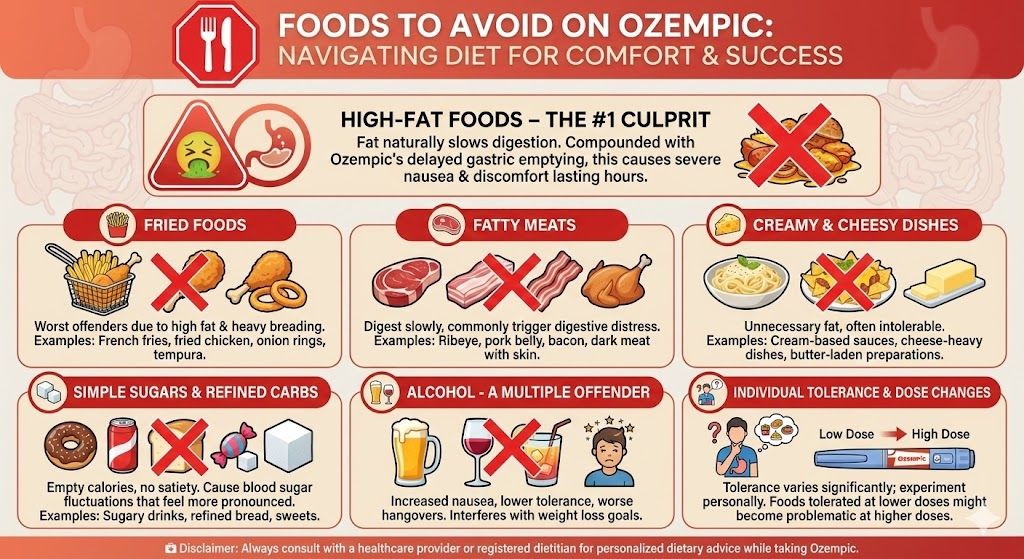
What to focus on: Noticing appetite changes, which are early evidence the medication is working. Managing any side effects with smaller meals, avoiding fatty foods, and staying hydrated.
Weeks 3-4
What’s happening: Approaching steady state at the starting dose. Your body has adapted to the medication presence.
What you might notice: Appetite effects continue. Side effects typically improve as your system adjusts. You’re developing a sense of how the medication affects your eating patterns.
Weight changes: Cumulative loss of 2-5 pounds is typical. Still modest but represents real, sustained change rather than fluctuation.
What to focus on: Preparing for the first dose increase. Continue building awareness of hunger and satiety cues. Don’t be discouraged by modest scale movement.
Weeks 5-8 (Dose Increase to 0.5mg)
What’s happening: First dose increase doubles your semaglutide level. This is the first therapeutically meaningful dose for many patients.
What you might notice: Appetite suppression often intensifies noticeably with this increase. Some patients experience temporary return of GI side effects after the dose change. Energy levels may begin improving as weight decreases.
Weight changes: This is typically when weight loss becomes more consistent. Losing 0.5-1 pound per week becomes common. Cumulative loss by week 8 is often 6-10 pounds.
What to focus on: Responding to appetite changes by eating appropriate portions rather than forcing yourself to clean your plate. Establishing sustainable eating patterns.
Weeks 9-12 (Dose Increase to 1mg)
What’s happening: Another dose increase moves you into more clearly therapeutic territory. Blood levels are now sufficient to produce meaningful metabolic effects.
What you might notice: Weight loss acceleration. Clothing fitting noticeably differently. Possibly some temporary GI symptoms after the increase. Improved physical comfort as weight decreases.
Weight changes: Consistent weekly losses of 1-2 pounds are common during this period. Cumulative loss by week 12 is often 12-18 pounds.
What to focus on: This is when results become visible to others. Maintain dietary improvements. Consider adding or increasing physical activity if you haven’t already.
Weeks 13-20 (Approaching Full Dose)
What’s happening: Final dose increases move you toward maximum therapeutic levels. This is the “full strength” phase of treatment.
What you might notice: Maximum appetite suppression. Significant changes in body shape and clothing fit. Often the period of most rapid visual transformation.
Weight changes: This is typically the peak weight loss period. Weekly losses of 1-2 pounds continue. Cumulative loss by week 20 often reaches 20-30 pounds or more.
What to focus on: Maximizing this high-response period with good dietary choices and regular activity. Supporting weight loss with adequate protein to preserve muscle mass.
Months 6-12 (Maintenance Dose)
What’s happening: You’ve reached and are continuing at full dose. The body is responding maximally to the medication.
What you might notice: Continued weight loss but at a gradually slowing rate. Body stabilizing at new weight. Health improvements becoming clearly measurable.
Weight changes: Loss continues but decelerates as you approach your body’s new equilibrium on medication. Total loss by month 12 often reaches 30-50 pounds for typical patients, representing 14-18% of starting weight.
What to focus on: Transitioning mentally from “losing weight” to “maintaining and optimizing.” Building habits for long-term sustainability.
For more detailed month-by-month information, see our guide on Ozempic weight loss results.
Early Signs the Medication Is Working
Before weight loss becomes significant, several signs indicate the medication is having its intended effect.
Reduced Appetite
The most common early sign is simply feeling less hungry. You may notice that you don’t think about food as often, don’t feel the urge to snack between meals, and can go longer without eating comfortably.
This reduced appetite often appears within the first two weeks, even at the starting dose. It’s the mechanism through which weight loss eventually occurs, so noticing it is reassuring even when scale changes are minimal.
Earlier Satiety
Closely related to reduced appetite is feeling full sooner during meals. You might find that a portion that previously felt like a normal amount now feels like too much. You may leave food on your plate not through willpower but because you genuinely feel satisfied.
This effect results from semaglutide slowing gastric emptying (how quickly food leaves your stomach) and affecting satiety signaling in the brain.
Fewer Cravings
Many patients report that cravings for specific foods, particularly sweets and high-fat foods, diminish. The intense desire for certain foods that can derail diet attempts becomes muted or absent.
This isn’t universal, and some cravings may persist, but reduced cravings are a common early effect that makes dietary improvements easier.
Diminished “Food Noise”
“Food noise” refers to the constant background mental chatter about food: what you’ll eat next, when you can eat again, what food is available. Many people with obesity experience this as an exhausting, distracting presence.
Patients frequently describe semaglutide as quieting this noise. Food thoughts become less intrusive. The mental energy previously devoted to food becomes available for other things.
Changed Relationship with Eating
Beyond specific symptoms, many patients notice a shift in how they relate to food overall. Eating becomes more functional and less emotionally charged. Food decisions feel less fraught. The struggle that characterized previous diet attempts eases.
These changes in experience often precede significant weight loss and indicate the medication is affecting the neural and hormonal systems that drive overeating.
Factors That Affect How Quickly You Respond
Individual response timelines vary. Several factors influence how quickly you notice effects and see weight loss.
Individual Biology
Genetic variation affects how your body processes semaglutide and responds to GLP-1 receptor activation. Some people are naturally more sensitive to the medication’s effects, while others require higher doses for equivalent response.
This biological variation means two people following identical protocols can experience different timelines. One might notice strong appetite effects in week one while another doesn’t notice much until week four. Neither response is wrong; they’re simply different.
Starting Dose Tolerance
Patients who tolerate dose increases well can progress through the titration schedule on the standard timeline. Those who experience significant side effects may need slower titration, with extra weeks at lower doses before increasing.
Slower titration means slower timeline to full effect. However, it’s better to progress slowly and maintain treatment than to rush and discontinue due to intolerable side effects.
Dietary Response
How well you respond to and utilize the appetite suppression affects weight loss speed. Patients who use reduced appetite to improve diet quality and reduce caloric intake see faster weight loss than those who continue eating similarly despite reduced hunger.
The medication creates opportunity by reducing appetite. How you use that opportunity affects results.
Physical Activity
Exercise accelerates weight loss by increasing caloric expenditure and improving metabolic function. Patients who incorporate regular physical activity typically see faster and greater weight loss than those who rely on medication alone.
This doesn’t mean you need intense exercise. Even moderate activity like daily walking makes a meaningful difference.
Metabolic Starting Point
Patients with more metabolic dysfunction (higher insulin resistance, more dysregulated hunger hormones) sometimes respond more dramatically to semaglutide because there’s more to correct. Conversely, those with less metabolic disruption may see more modest effects.
Diabetes status specifically affects response. Patients with Type 2 diabetes typically lose somewhat less weight on average (around 10% versus 15% for non-diabetic patients), potentially because the medication’s effects on blood sugar partially offset its effects on weight through mechanisms that aren’t fully understood.
Concurrent Medications
Some medications can affect semaglutide’s efficacy or your weight loss response. Certain psychiatric medications, steroids, and other drugs can promote weight gain or make weight loss more difficult. Discuss your complete medication list with your provider.
What If It Doesn’t Seem to Be Working?
If you’ve been on semaglutide for a while without apparent effect, several possibilities exist.
Timeline Considerations
First, ensure enough time has passed. Judging effectiveness at week four, when you’re still at starting doses, is premature. Real assessment of whether the medication works for you requires being at therapeutic doses (1mg+) for at least two to three months.
Many patients who feel it’s “not working” simply haven’t given it enough time. The timeline frustrates expectations set by faster-acting interventions, but semaglutide works gradually by design.
Dose Adequacy
Some patients require higher doses for optimal response. If you’re at 1mg and haven’t seen expected results, increasing to 2mg or 2.4mg may produce better response.
Discuss dose optimization with your provider. Not everyone needs the maximum dose, but some patients don’t respond well until they reach it.
Adherence Factors
Inconsistent dosing reduces effectiveness. Missed doses, irregular timing, and breaks in treatment all diminish results. Be honest with yourself about adherence. If you’ve missed doses or had gaps in treatment, that explains reduced effectiveness.
For maximum results, take the medication consistently, on the same day each week, without gaps.
Dietary Factors
The medication reduces appetite but doesn’t force weight loss. If you’re eating past fullness, choosing calorie-dense foods, or drinking significant calories, weight loss will be reduced even with perfect adherence.
Evaluate whether you’re responding to the appetite changes with appropriate dietary adjustments. The medication creates the opportunity; you have to take it.
True Non-Response
About 14% of patients in clinical trials didn’t achieve even 5% weight loss despite taking the medication as directed. These patients are true non-responders for whom semaglutide simply doesn’t work effectively.
If you’ve been at therapeutic doses for three or more months with perfect adherence and haven’t seen meaningful appetite changes or weight loss, you may be in this category. Discuss alternatives with your provider. Tirzepatide (Mounjaro/Zepbound) works through different mechanisms and may work for some semaglutide non-responders.
When to Reassess
A reasonable assessment timeline:
Too early to judge: Under 2 months of treatment, still at starting doses
Preliminary assessment: 3-4 months, should see appetite changes and beginning weight loss
Full assessment: 6+ months at therapeutic doses, should see significant results if you’re a responder
If you’ve reached the full assessment point without results and you’ve been adherent, it’s reasonable to conclude the medication isn’t working for you and explore alternatives.
How Ozempic’s Timeline Compares to Other Approaches
Understanding how semaglutide’s timeline relates to alternatives provides useful context.
Compared to Diet and Exercise Alone
Traditional diet and exercise can produce faster initial weight loss since you’re not limited by a titration schedule. Someone making aggressive dietary changes might lose 5-10 pounds in the first month, more than typical early semaglutide results.
However, this initial speed advantage disappears over time. Most diet-only approaches plateau within months and suffer high failure rates due to hunger and metabolic adaptation. Semaglutide’s slower start leads to greater sustained weight loss for most patients.
| Timeframe | Diet/Exercise Alone | Semaglutide |
| Month 1 | 5-10 pounds | 2-5 pounds |
| Month 6 | Often plateaued or regaining | 20-30 pounds |
| Month 12 | Often regained | 30-45 pounds maintained |
Compared to Phentermine
Phentermine is a stimulant-based weight loss medication that works faster than semaglutide. Appetite suppression begins within days, and weight loss is often significant in the first month.
However, phentermine is approved only for short-term use (typically 12 weeks) due to tolerance development and cardiovascular concerns. Its faster timeline reflects a different approach: quick results that typically don’t last, versus semaglutide’s slower results that can be maintained long-term.
Compared to Tirzepatide (Mounjaro/Zepbound)
Tirzepatide follows a similar titration schedule to semaglutide, meaning the timeline is comparable. Both medications require months to reach full effect, both show maximum weight loss between months 4-9, and both require 12-18 months for full results.
Tirzepatide produces greater average weight loss (22.5% versus 15%), but the timeline is similar. The difference is magnitude of results, not speed of onset.
For more information on tirzepatide, see our guide on Mounjaro costs.
Compared to Bariatric Surgery
Bariatric surgery produces faster initial weight loss than any medication. The anatomical changes create immediate reduction in food intake, and weight loss of 20-30 pounds in the first month is common.
However, surgery comes with surgical risks, recovery time, and its own long-term challenges. The faster timeline involves significant trade-offs that aren’t relevant to medication-based treatment.
Optimizing Your Timeline
While you can’t fundamentally accelerate how semaglutide works, certain strategies support the best possible results within the medication’s natural timeline.
Follow the Protocol
Take your medication consistently, on the same day each week, at the prescribed dose. Don’t skip doses to save money or because progress seems slow. The protocol is designed to optimize results while minimizing side effects.
If cost is a concern, explore more affordable options like compounded semaglutide rather than compromising adherence to brand-name medication.
Respond to Appetite Changes
When you notice reduced appetite, use it. Don’t keep eating out of habit when you’re satisfied. Don’t clean your plate if you’re full. The medication creates the opportunity for reduced intake; taking advantage of that opportunity accelerates results.
Improve Diet Quality
Beyond eating less, eating better supports faster weight loss. Prioritizing protein preserves muscle mass and maintains metabolic rate. Reducing processed foods and added sugars allows the medication’s appetite effects to work more effectively. Adequate fiber and vegetables provide satiety with fewer calories.
For detailed guidance on eating to support semaglutide treatment, see our guide on how to maximize weight loss on Ozempic (when available).
Add Physical Activity
Exercise isn’t required but accelerates results. Even moderate activity like 30 minutes of daily walking increases caloric deficit and improves metabolic health. Resistance training helps preserve muscle during weight loss.
Adding exercise during the high-response period (months 4-9) maximizes the synergy between medication effects and lifestyle factors.
Manage Side Effects Proactively
Side effects that disrupt eating patterns or cause treatment discontinuation slow your timeline. Managing nausea through smaller meals, avoiding fatty foods, eating slowly, and staying hydrated helps you maintain consistent treatment through the titration period.
If side effects are severe, working with your provider to adjust the titration schedule (spending extra time at lower doses) is better than abandoning treatment entirely.
Track Progress Appropriately
Weighing daily can be misleading because of normal fluctuation. Weekly or bi-weekly weigh-ins provide clearer trends. Monthly photos help you see changes that aren’t obvious in the mirror. Tracking measurements (waist, hips) captures changes that sometimes precede scale movement.
Appropriate tracking helps you see progress that might not be obvious, maintaining motivation during the slower early months.
Frequently Asked Questions
How long does it take to feel Ozempic working?
Most patients notice changes in appetite and hunger within the first one to two weeks of treatment. Even at the starting dose, you may find yourself thinking about food less, feeling satisfied with smaller portions, experiencing fewer cravings, or feeling full sooner during meals. These appetite effects are the earliest sign that the medication is working and typically precede any meaningful weight loss. Some patients notice strong effects from the first week, while others don’t notice much until weeks three or four. Both patterns are normal. The key indicator is appetite changes, not immediate scale movement.
Why am I not losing weight on Ozempic after the first month?
Minimal weight loss in month one is normal and expected. During the first month, you’re at the starting dose (0.25mg), which is designed for adjustment rather than weight loss. Typical first-month loss is only 2-5 pounds, and some patients see even less. The dosing protocol intentionally starts low to minimize side effects, meaning you don’t reach therapeutic doses until month two or three and full doses until month four or five. Judging whether Ozempic works based on month one results is premature. Give the medication time to reach effective levels before assessing results.
When does weight loss accelerate on Ozempic?
Weight loss typically accelerates during months two through four as doses increase toward therapeutic levels. The most rapid weight loss period for most patients is between months four and nine, once you’ve reached and stabilized at maintenance doses. During this peak period, losing 1-2 pounds per week consistently is common. After month nine or ten, weight loss typically slows as your body approaches its new equilibrium on medication. Understanding this pattern helps you recognize that slow early progress doesn’t predict slow overall progress.
How long until I see visible results from Ozempic?
Visible transformation typically becomes noticeable around months three to four, coinciding with 10-15 pounds of cumulative weight loss. Face changes often appear first and may be noticed as early as 10% body weight loss. Other people typically start commenting on your appearance around this point. More dramatic visual transformation occurs between months five and nine as weight loss accumulates. The timeline for visible results depends partly on your starting weight and where you carry fat, but most patients see clearly noticeable changes by month six.
Does Ozempic work immediately for appetite suppression?
Semaglutide begins affecting appetite-related systems within days, though it takes four to five weeks to reach steady state in your blood. Many patients notice appetite changes within the first one to two weeks, even at the starting dose. However, the degree of appetite suppression increases as doses increase, so the effect you feel at week two will be less than what you feel at week twelve. For some patients, strong appetite suppression appears immediately; for others, it develops more gradually. Both patterns can lead to successful outcomes.
What if Ozempic isn’t working after three months?
At three months, you should be at 1mg doses and should see both appetite changes and beginning weight loss. If you’ve experienced neither, consider several possibilities. First, ensure you’ve been taking the medication consistently without missed doses. Second, evaluate whether you’re at an adequate dose since some patients need higher doses for optimal response. Third, consider whether dietary factors might be limiting results. If you’ve been perfectly adherent at therapeutic doses for three months without appetite changes or weight loss, you may be among the approximately 14% who don’t respond to semaglutide. Discuss with your provider whether dose adjustment or alternative medications might be appropriate.
How long do I need to take Ozempic to see full results?
Clinical trials showing average 15% weight loss ran for 68 weeks, approximately 16 months. Most patients achieve the majority of their weight loss in the first 12 months, with the greatest progress between months four and nine. After month twelve, weight loss typically slows significantly and may plateau as your body approaches its new equilibrium. Full results require completing the titration to therapeutic doses (four to five months) plus additional months at full dose to see cumulative effects. Expecting full results in three or six months sets you up for disappointment since the realistic timeline is 12-18 months.
Is it normal to plateau on Ozempic?
Plateaus are common and don’t necessarily indicate the medication has stopped working. Short plateaus of one to three weeks often occur due to water retention, hormonal fluctuations, or normal metabolic adjustment. These typically resolve with continued adherence. Longer plateaus later in treatment (after months nine to twelve) often indicate you’re approaching your body’s new equilibrium on medication, where weight stabilizes. This isn’t failure; it’s the expected end point of the weight loss phase. If you plateau very early (during the first few months at therapeutic doses) despite good adherence, discuss with your provider whether dose adjustment might help.
How does the timeline differ between Ozempic and Wegovy?
Ozempic and Wegovy contain the same active ingredient (semaglutide) and follow similar titration schedules, so their timelines are comparable. The main difference is maximum dose: Wegovy goes to 2.4mg while Ozempic’s maximum is 2mg. This slightly lower maximum dose might mean slightly less total weight loss with Ozempic, but the timeline of when effects begin, when weight loss accelerates, and when full results occur is essentially the same. Both take four to five months to reach full dose, both show peak weight loss between months four and nine, and both require 12-18 months for full results.
Can I speed up how quickly Ozempic works?
You cannot fundamentally accelerate the medication’s mechanism, which requires time to reach steady state and higher doses. However, you can optimize your response within the medication’s natural timeline by taking doses consistently without gaps, responding to appetite changes with appropriate dietary adjustments, improving diet quality (particularly protein intake), adding regular physical activity, getting adequate sleep, and managing stress. These factors don’t change when the medication starts working but can improve how much you lose once it does. Trying to accelerate the titration schedule is not recommended since it increases side effects without improving outcomes.
How do I know if I should keep waiting or if Ozempic won’t work for me?
The assessment timeline should be: too early to judge before month two, preliminary assessment possible at months three to four, and full assessment at month six or later at therapeutic doses. You should see appetite changes before significant weight loss, so their absence after two to three months at 0.5mg or higher suggests possible non-response. By month six at therapeutic doses, you should have lost at least 5% of your starting weight if you’re a responder. If you’ve been adherent for six months at doses of 1mg or higher and haven’t seen 5% weight loss, you’re likely among the 14% of non-responders, and alternative approaches should be discussed with your provider.
The Long View: Patience Pays Off
Semaglutide works differently than most weight loss interventions people have tried. The gradual titration, the slow initial results, and the months-long timeline to full effect all require patience that previous quick-fix approaches didn’t.
This patience is rewarded. The clinical trial results, showing 15% average weight loss maintained over years of follow-up, substantially exceed what other approaches achieve. The slow start isn’t a flaw; it’s a feature that enables better long-term outcomes.
Understanding the timeline helps you stay the course during the inevitable slow early months. When you know that month one is supposed to be slow, you won’t be discouraged by minimal results. When you know that months four through nine are typically the peak response period, you can look forward to accelerating progress. And when you know that full results take 12-18 months, you can plan appropriately rather than expecting transformation in weeks.
Ready to begin your weight loss journey? TrimRx offers consultations with licensed providers and compounded semaglutide at $199/month. Start with realistic expectations and give the medication time to work.

Transforming Lives, One Step at a Time
Keep reading

Online Ozempic Prescription Texas
You can get an Ozempic prescription online in Texas through a licensed telehealth provider without an in-person visit. Texas telehealth law allows providers to…

Online Ozempic Prescription California
You can get an Ozempic prescription online in California through a licensed telehealth provider without an in-person visit. California’s telehealth laws allow providers to…

Weight Loss Clinic Online Texas: Your Options
An online weight loss clinic in Texas gives you access to GLP-1 medications like semaglutide and tirzepatide through a fully virtual process. You complete…


