How Long Does It Take to Lose 10 Pounds on Ozempic or Semaglutide?
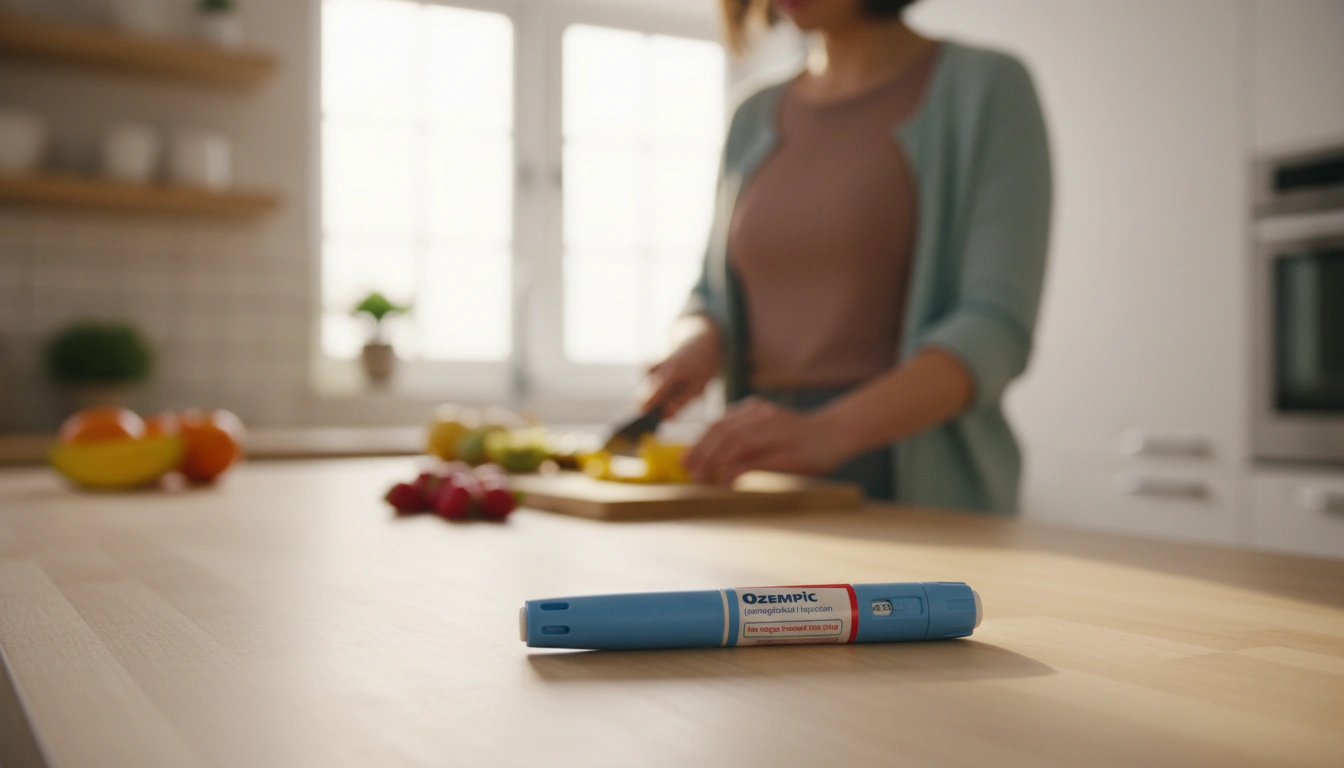
Most people lose 10 pounds within the first 8 to 12 weeks on Ozempic or semaglutide, though the pace is rarely even. The first month runs on low starter doses meant to protect your stomach, so early losses tend to be small, often just two to four pounds. Once the dose steps up and appetite suppression takes hold, weight tends to come off more steadily. Your starting weight, dose schedule, eating habits, and consistency all shift the timeline. Ten pounds is an early, reachable milestone, not the finish line.
What the 10-pound timeline actually looks like
Semaglutide is the active ingredient in both Ozempic and Wegovy, and it works by mimicking a gut hormone (GLP-1) that slows digestion and quiets appetite signals. That mechanism doesn’t switch on at full strength on day one. Treatment starts low and increases roughly every four weeks, which means the appetite effect you feel in week two is milder than what you’ll feel in week ten.
The practical version: 10 pounds usually shows up somewhere in the first two to three months for people losing at a healthy rate of about one to two pounds per week once they’re past the initial titration. Someone with more weight to lose often reaches it faster, while someone closer to their goal may take a little longer. For a broader view of the full arc, our overview of how long it takes to lose weight on semaglutide is a useful companion.
| Timeframe | Typical dose phase | What tends to happen |
|---|---|---|
| Weeks 1–4 | Starter dose | 1–4 lbs, mostly appetite adjustment and water |
| Weeks 5–8 | First step up | Appetite drops more; steadier loss begins |
| Weeks 9–12 | Continued titration | The 10-pound mark is commonly reached here |
| Months 4–6 | Higher maintenance range | Loss continues at your personal pace |
In the STEP 1 trial published in the New England Journal of Medicine, adults without diabetes lost an average of roughly 15% of their body weight over 68 weeks on the weekly semaglutide weight-management dose, which for many participants meant the first 10 pounds arrived within the opening months of treatment.
Why the first month feels slow
Consider a scenario: a patient starts semaglutide expecting the scale to drop fast, sees two pounds gone after three weeks, and worries it isn’t working. That’s a normal and expected start. The lowest starting dose isn’t a weight-loss dose at all. It’s there to let your gut adjust and reduce nausea. The appetite suppression that drives most of the loss builds as you titrate up. Judging the medication by month one is like judging a training plan by the first session.
Early water shifts can also mislead. Some of the first few pounds come from lower food and carbohydrate intake, which is real change but not the same as fat loss. That’s why tracking more than the scale (how clothes fit, appetite, energy) gives a truer read. Our guide on how long before Ozempic starts working breaks down the early signals worth watching in those opening weeks.
What speeds up or slows down your first 10 pounds
Starting weight
The more weight you carry at the start, the faster early pounds tend to come off. Ten pounds is a larger share of body weight for someone at 170 than for someone at 260, so the person with more to lose usually reaches the mark sooner.
Your dose and titration schedule
Staying at a starter dose longer, often to manage side effects, slows the early pace. That’s a reasonable trade for tolerability, and it doesn’t mean the medication is failing. Your rate typically picks up after each step up.
Protein and how you eat
Even with appetite down, what you eat shapes your results. Prioritizing protein helps protect muscle, so more of the 10 pounds you lose is fat rather than lean tissue. Eating enough also limits the muscle loss that can otherwise slow progress and drag on energy.
Movement and consistency
Daily activity, even regular walking, adds to the deficit and supports the trend. Consistency with your weekly injection matters too. Missed or irregular doses let appetite creep back and flatten the curve.
When 10 pounds is taking longer than expected
If you’re past the 12-week mark and 10 pounds still hasn’t budged, a few checks usually beat panicking. Are you still on a starter dose? Have your protein and activity held steady? Is your sleep reasonable? Weight loss isn’t linear, and short stalls are common. Our look at what to realistically expect by three months on Ozempic offers a helpful reference point for where many people land. If the trend is genuinely flat for several weeks at an adequate dose, that’s a conversation to have with your provider about dose timing and other factors.
After the first 10 pounds
Ten pounds is a strong early signal that the medication is working with your body. From there, the same habits that got you there (steady dosing, protein, movement) carry you toward larger goals. If your target is higher, our guide on how long it takes to lose 20 pounds maps out the next stretch and what changes along the way.
Your ideal dose and pace depend on your health history and goals. See if you’re a candidate by taking a short assessment, and a licensed provider can help match a plan to what you’re after.
This information is for educational purposes and is not medical advice. Consult with a healthcare provider before starting any medication. Individual results may vary.

Transforming Lives, One Step at a Time
Keep reading

Regained Weight After Stopping Ozempic? Don’t Restart at Your Old Dose
No. Whatever else you do, do not pick up where you left off. Tolerance to a GLP-1 is not assumed to persist through a…

Eating Less Than Ever on Ozempic but the Scale Won’t Move
Whatever else is true here, the answer is not to eat less. That needs saying first, because it is the direction this situation pushes…

Two Months on the Same Ozempic Dose With No Change: Is It Working?
Two months is long enough. Under four weeks is noise, four to eight weeks is a maybe, and eight weeks of a genuinely flat…


