How Long Does Mounjaro Last in the Fridge?
Introduction
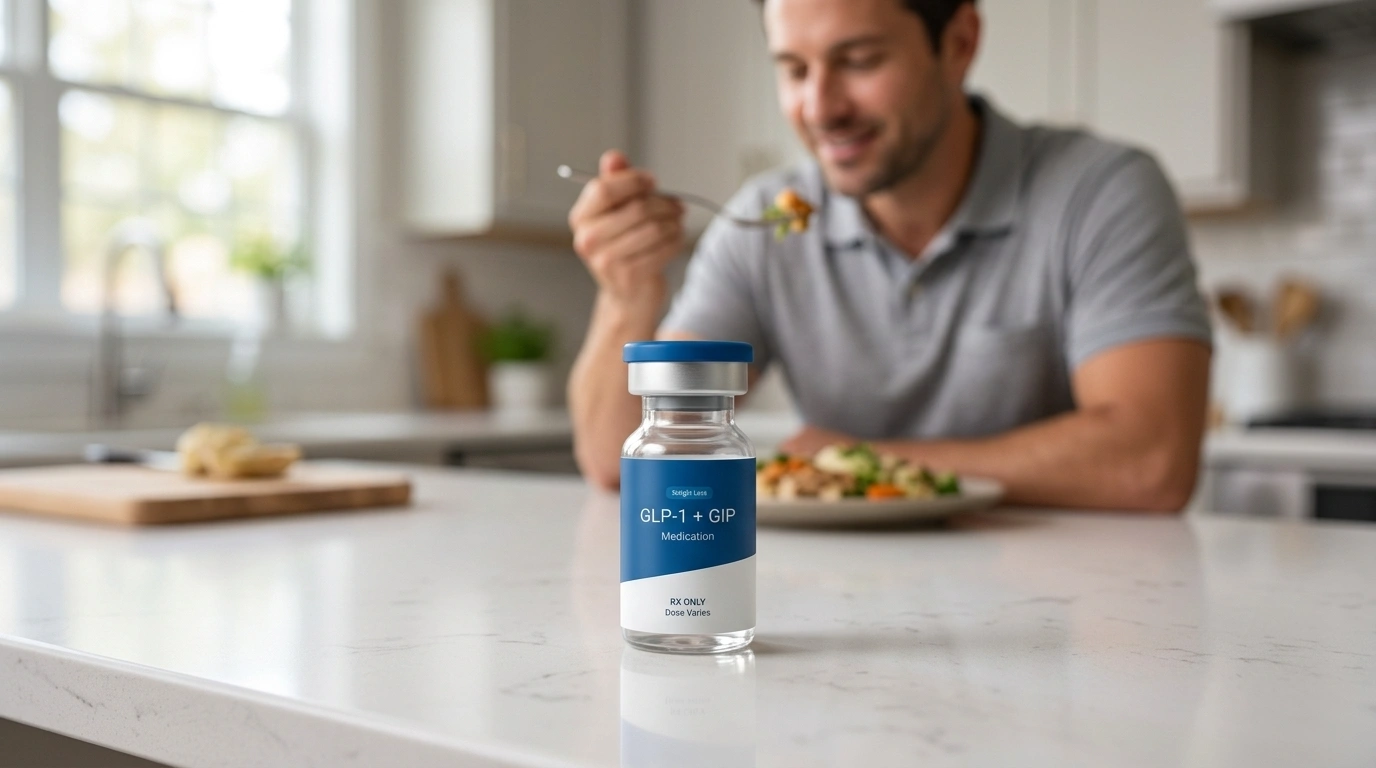
Investing in your metabolic health is a significant commitment, and managing the logistics of your medication is a key part of that journey. If you have recently started a program involving Mounjaro®, a common concern is ensuring the medication remains effective from the first dose to the last. One of the most frequent questions we receive is exactly how long does Mounjaro last in the fridge and what happens if it accidentally sits on the counter. At TrimRx, we believe that clear, science-backed information is the foundation of a successful weight loss experience. Properly storing your medication protects its chemical integrity, ensuring that the Tirzepatide (the active ingredient) remains stable and potent. This article covers everything you need to know about refrigeration timelines, room temperature limits, and how to handle your medication during travel or power outages.
For an expanded overview of refrigeration, expiration dates, and handling, see this Mounjaro storage and shelf-life guide.
The Science of Storing Tirzepatide
Mounjaro® is a dual GIP (glucose-dependent insulinotropic polypeptide) and GLP-1 (glucagon-like peptide-1) receptor agonist. These are naturally occurring hormones in the body that help regulate blood sugar and appetite. Because these medications are protein-based biological products, they are sensitive to their environment. Proteins can “denature” or break down when exposed to extreme temperatures or intense light. When a protein denatures, it loses its specific shape, which means it can no longer effectively bind to the receptors in your body to do its job.
For more information about the molecular and temperature concerns involved, review this guide to tirzepatide storage, travel, and handling.
For the highest level of potency, Mounjaro® should be kept in the refrigerator. The ideal temperature range for storage is between 36°F and 46°F (2°C to 8°C). When kept within this specific range, the medication is designed to last until the expiration date printed on the side of the pen or the carton. This expiration date is determined by the manufacturer after rigorous stability testing.
Quick Answer: Mounjaro® lasts in the fridge until the expiration date printed on the pen or carton, provided it is kept between 36°F and 46°F. If removed from the fridge, it can stay at room temperature (up to 86°F) for a maximum of 21 days.
Understanding Room Temperature Limits
While the refrigerator is the preferred home for your medication, Mounjaro® is designed with a degree of flexibility for daily life. There are many situations where refrigeration isn’t possible, such as during a long commute from the pharmacy, a weekend trip, or an accidental overnight stay on the kitchen counter. The manufacturer states that Mounjaro® can be stored at room temperature—up to 86°F (30°C)—for up to 21 days.
For a focused explanation of the room-temperature countdown, read this Mounjaro 21-day storage guide.
Once a pen has reached room temperature, the 21-day countdown begins. You should not put the pen back into the refrigerator after it has been at room temperature for an extended period, as the goal is to avoid frequent, drastic temperature fluctuations. If the 21 days pass and the medication has not been used, it must be discarded, even if there is still liquid inside the pen.
It is helpful to mark the date on your calendar or the medication carton if you take it out of the fridge. This prevents any guesswork about whether the medication is still safe to use. If you are using a personalized program through a platform like TrimRx, maintaining a consistent schedule is vital, and knowing your storage limits helps you stay on track without unnecessary waste.
If you are considering a prescription weight loss program, you can complete a free eligibility assessment.
Why Temperature Control Matters for GLP-1s
Temperature control is not just about keeping the liquid cool; it is about protecting the molecular structure of the peptide. Peptides are essentially chains of amino acids. In the case of Tirzepatide, these chains are precisely engineered to mimic human hormones. Heat acts as energy that can cause these chains to vibrate and eventually unfold.
If the medication gets too hot, it may become cloudy or develop visible particles. This is a clear sign that the proteins have clumped together or broken down. Using “spoiled” medication is generally not considered toxic, but it is highly likely to be ineffective. This means you would be injecting the volume of the dose without receiving the metabolic benefits, which can stall your progress and disrupt your blood sugar management.
Key Takeaway: Proper storage ensures that the Tirzepatide molecules remain in their active shape, allowing them to effectively signal your brain and gut to manage hunger and insulin levels.
What to Do During a Power Outage
A power outage can cause immediate anxiety for anyone storing temperature-sensitive medications. If the power goes out, the most important rule is to keep the refrigerator door closed as much as possible. A standard, unopened refrigerator can usually maintain a safe temperature for about four hours.
The tirzepatide handling and power outage guide provides additional practical storage steps for longer interruptions.
If the power is out for longer than four hours, you should monitor the situation closely. Once the internal temperature of the fridge rises above 46°F, your 21-day “room temperature” clock starts. If you have ice packs or a cooler available, you can move the medication there, but be careful not to let the pens touch the ice directly. Direct contact with ice can lead to freezing, which is even more damaging to the medication than heat.
The Dangers of Freezing Mounjaro
While heat is a concern, freezing is often a more immediate threat to the integrity of Mounjaro®. You should never store your medication in the freezer or at the very back of a refrigerator where “cold spots” might exist. If the liquid inside the pen freezes, it must be discarded immediately.
For more guidance on identifying frozen or compromised medication, read this Mounjaro safety and storage overview.
Freezing causes the water in the solution to expand and crystallize. This process almost always destroys the Tirzepatide protein structure permanently. Even if the pen thaws out and looks clear again, the medication is likely compromised. If you notice any ice crystals in the pen or if the pen feels unusually cold to the touch after being near a cooling element, consult a healthcare professional before use.
Protecting Medication from Light
Light sensitivity is an often-overlooked aspect of medication storage. Mounjaro® is packaged in an opaque carton for a reason. The Tirzepatide molecule can be degraded by UV light and even strong indoor lighting over time.
Always keep your pens in their original carton until you are ready to use them. This provides a double layer of protection: it shields the medication from light and provides a small amount of insulation against minor temperature changes when you open the fridge door. If you are using a clear travel case, ensure it is stored inside a dark bag or a drawer.
Travel Tips for Your Medication
Traveling with GLP-1 medications requires a bit of planning, but it shouldn’t prevent you from enjoying your trip. Because Mounjaro® can last for 21 days at room temperature, many domestic trips do not require a cooling case at all. However, if you are traveling to a warm climate or will be in transit for more than 21 days, a medical-grade cooling wallet or an insulated pouch is a wise investment.
For additional packing and airport guidance, see this GLP-1 medication travel guide.
When flying, always keep your medication in your carry-on luggage. The cargo hold of an airplane is not temperature-controlled and can experience extreme cold or heat, both of which can ruin your pens. Additionally, keeping your medication with you ensures it doesn’t get lost if your checked bags are delayed. Most TSA agents are very familiar with injectable medications; simply inform them that you are carrying a prescription liquid.
Step 1: Check your itinerary. Determine if you will be away for more than 21 days.
Step 2: Pack in the original carton. This protects against light and provides your prescription label for security.
Step 3: Use a carry-on. Avoid checked bags to prevent freezing or loss.
Step 4: Monitor the environment. Do not leave your medication in a hot car or in direct sunlight on a hotel nightstand.
Visual Inspection: Is Your Pen Still Good?
Before every injection, you should perform a quick visual check of the medication. This is a simple but effective safety habit. The liquid inside the Mounjaro® pen should be clear and colorless.
Do not use the medication if you notice any of the following:
- The liquid appears cloudy or “milky.”
- There are visible particles or flakes floating in the solution.
- The liquid has changed color (e.g., looks slightly yellow or brown).
- The pen is cracked or leaking.
- The medication has been frozen.
A tirzepatide inspection and handling guide can help you review common visual warning signs.
If the pen looks normal but has been out of the fridge for 22 days, it should still be discarded. The chemical breakdown isn’t always visible to the naked eye. Following the 21-day rule is the only way to be certain of the medication’s potency.
Comparing Storage: Branded vs. Compounded
It is important to understand the difference between branded medications and compounded options. Mounjaro®, Zepbound®, Ozempic®, and Wegovy® are branded medications produced by specific manufacturers. These have been FDA-approved and come in highly specific, single-use or multi-use delivery devices with established storage guidelines.
Compounded Semaglutide and Compounded Tirzepatide are different. These are prepared by licensed pharmacists in FDA-registered, inspected compounding pharmacies. Because they are often provided in glass vials rather than pre-filled pens, their storage requirements might vary slightly. For example, some compounded medications must remain refrigerated at all times and may have shorter “beyond-use dates” than branded products. At TrimRx, we connect patients with providers who can explain the specific storage needs for the medication they are prescribed.
For more detail, review this compounded tirzepatide refrigeration guide.
Note: Compounded medications are not FDA-approved, but they are prepared in facilities that follow strict quality standards. Always follow the specific storage instructions provided on your prescription label for compounded products.
The Role of Personalized Support in Weight Loss
Managing a weight loss journey involves more than just an injection once a week. It requires a holistic approach that includes nutrition, lifestyle changes, and proper medication management. This is where a telehealth-first platform can be incredibly beneficial. We offer a comprehensive service model that includes doctor consultations and unlimited support to help you navigate these practical details.
Our programs are fully personalized based on your health profile and goals. Whether you are using a branded medication you fill at your local pharmacy or a compounded option shipped to your door, having a dedicated team of specialists available 24/7 ensures you are never alone. If you ever have a question about a pen that sat out too long or how to manage side effects, our team is there to provide the empathy and expertise you need.
If you want to explore whether a personalized prescription program may be appropriate for you, take the free assessment quiz.
Enhancing Your Results with Daily Support
While medications like Mounjaro® are powerful tools, they work best when supported by the right nutrients. Many people on GLP-1 or GIP/GLP-1 therapies find that their appetite decreases significantly, which can sometimes lead to gaps in essential nutrition. This is why we developed quick-access supplements like GLP-1 Daily Support and Weight Loss Boost.
GLP-1 Daily Support is designed to help balance the body’s needs while on a weight loss program. It can assist with maintaining energy levels and ensuring your body has the micronutrients it needs to thrive while your caloric intake is lower. These supplements do not require a prescription or a medical quiz and can be a helpful addition to your daily routine, regardless of which medication you are using.
You can explore GLP-1 Daily Support supplement for nutritional support during a GLP-1 program.
Weight Loss Boost is intended to support energy and metabolic health during a weight loss routine. It may be considered alongside lifestyle changes and, when appropriate, a GLP-1 treatment plan.
For additional energy support, explore the Weight Loss Boost supplement.
How to Start Your Journey with TrimRx
If you are ready to take the next step in your metabolic health journey, we make the process simple and transparent. Our telehealth platform removes the barriers of traditional weight loss clinics—there are no waiting rooms or in-person visits required.
Step 1: Complete the free assessment quiz. This helps our licensed providers understand your medical history and weight loss goals.
Step 2: Connect with a provider. A licensed healthcare professional will review your profile and determine if a medication like Compounded Tirzepatide or another GLP-1 is right for you.
Step 3: Receive your personalized plan. If prescribed, your medication is shipped from an FDA-registered compounding pharmacy directly to your door.
Step 4: Ongoing support. You have 24/7 access to our team to help with any questions about storage, dosage, or progress.
Bottom line: Proper storage is a simple but vital part of your treatment. Keeping your medication in the fridge until the expiration date, or using it within 21 days at room temperature, ensures you are getting the most out of every dose.
Conclusion
Successful weight loss is a marathon, not a sprint, and every detail matters—including where you keep your medication. By understanding that Mounjaro® lasts in the fridge until its expiration date and up to 21 days at room temperature, you can navigate your daily life with confidence. Remember to protect your pens from extreme heat, freezing temperatures, and direct light to maintain the integrity of the Tirzepatide protein.
At TrimRx, our mission is to help you embrace a healthier lifestyle through science, empathy, and a transparent approach. We are here to support you with personalized, medically supervised programs and a team that understands the emotional and physical aspects of this transition. If you are ready to explore how a tailored weight loss program can help you reach your goals, your next step is only a few clicks away.
You can see if you qualify for a personalized program.
Key Takeaway: Consistency is the engine of progress. By mastering the “logistics” of your medication storage, you remove one more hurdle on your path to sustainable health.
FAQ
Can I use Mounjaro® if it was left out overnight?
Yes, as long as the temperature of the room did not exceed 86°F (30°C). Mounjaro® is stable at room temperature for up to 21 days, so a single night on the counter will not ruin the medication. Simply ensure you use that specific pen within the next 21 days and do not put it back into the refrigerator for long-term storage.
What happens if Mounjaro® accidentally freezes in my fridge?
If Mounjaro® freezes, it must be discarded immediately. Freezing temperatures destroy the delicate protein structure of Tirzepatide, making the medication ineffective. Even if the pen thaws and the liquid looks clear, the molecular integrity has been compromised, and it should not be injected.
Does Mounjaro® need to stay in its original box?
It is highly recommended to keep Mounjaro® pens in their original carton. The carton protects the medication from light, which can degrade the active ingredients over time. Additionally, the box provides the expiration date and your prescription information, which is essential for safety and for travel through security checkpoints.
How do I know if my Mounjaro® has gone bad?
Check the liquid inside the pen before every dose; it should be clear and colorless. If the liquid appears cloudy, discolored, or contains visible particles, do not use it. Furthermore, if the medication has been at room temperature for more than 21 days or has passed its expiration date, it should be disposed of regardless of how it looks.
If you are unsure whether a medication is appropriate for you, you can complete a free assessment quiz.
Disclaimer: This content is for informational purposes only and does not constitute medical advice. It is not intended to diagnose, treat, cure, or prevent any disease or condition. Individual results may vary. Always consult a qualified healthcare professional before starting any weight loss program or medication.

Transforming Lives, One Step at a Time
Keep reading

Can You Take GLP-1 + GIP Without Diabetes?
Can i take tirzepatide without diabetes? Learn when it may be considered for weight management and why licensed provider review matters.
Volunteering at a Holiday Meal on Mounjaro
Serving a Thanksgiving or holiday meal at a shelter, a church hall, or a community center is one of the most meaningful ways to…
Volunteering at a Home Build on Mounjaro
Volunteer home builds bring together church groups, families, and friends to frame walls, hang drywall, paint, install siding, and plant yards, often for a…


