How Long Does Nausea Last After First Ozempic Shot?
Introduction
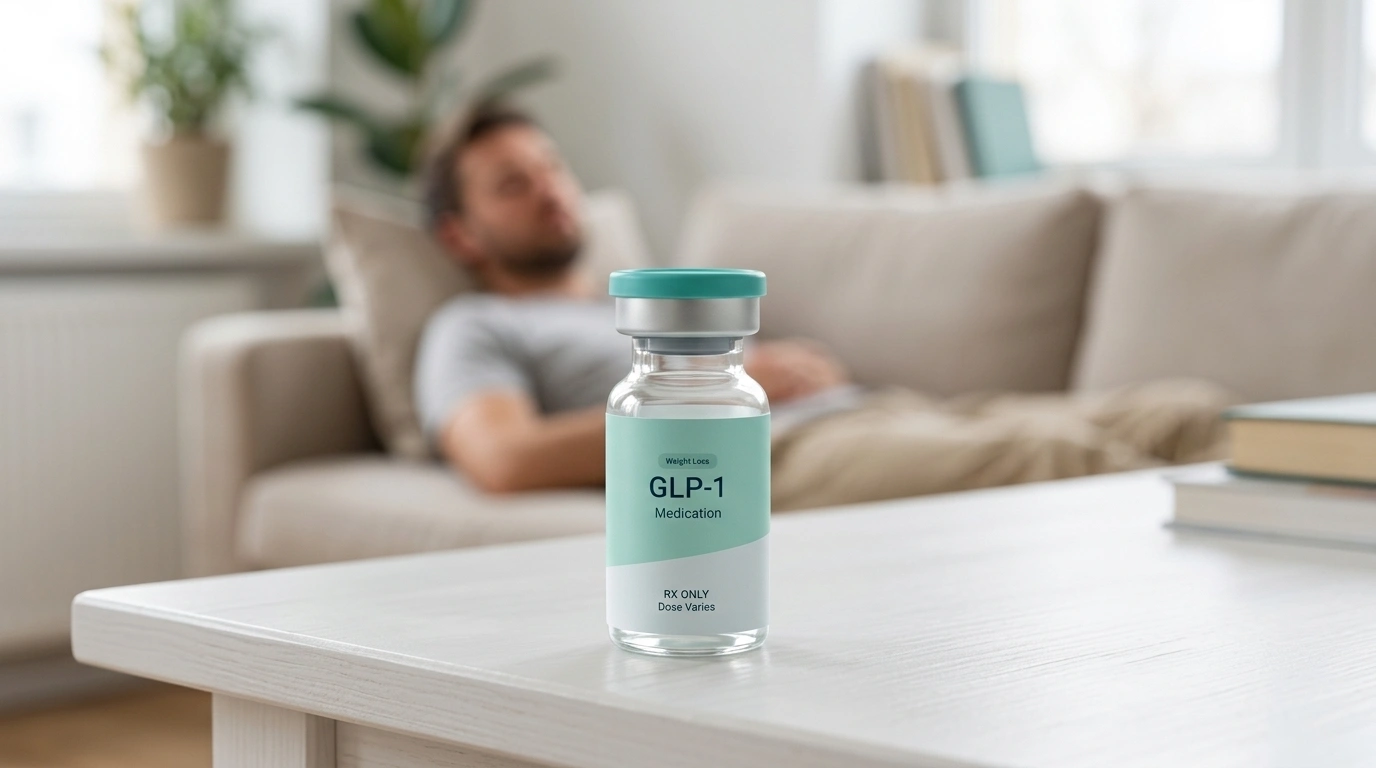
Starting a weight loss journey is often filled with a sense of hope and motivation. However, if you have recently taken your first dose of Ozempic® or a similar GLP-1 medication, that excitement might have been met with an unexpected guest: nausea. It is a common experience, often nicknamed the “Ozempic flu,” and it can leave you wondering if this is a temporary hurdle or your new normal. At TrimRx, we believe that understanding the science behind your body’s response is the first step toward a successful and sustainable transformation.
This post will cover why nausea occurs, the typical timeline for relief, and evidence-based strategies to manage discomfort. By learning what to expect during the first few weeks of treatment, you can move forward with confidence and clarity. If you’re ready to see whether a personalized GLP-1 program makes sense for you, start with our free assessment quiz.
Why Ozempic and GLP-1 Medications Cause Nausea
To understand how long the queasiness lasts, it helps to understand why it happens in the first place. Ozempic® (semaglutide) belongs to a class of drugs known as glucagon-like peptide-1 (GLP-1) receptor agonists. These medications mimic a natural hormone in your body that regulates appetite and blood sugar. For a broader overview of these symptoms, see our common GLP-1 side effects guide.
The primary reason for nausea is delayed gastric emptying. This is a clinical term meaning the medication slows down the speed at which food leaves your stomach and enters your small intestine. By keeping food in the stomach longer, the medication helps you feel full on much smaller portions. However, this same mechanism can cause a sensation of heaviness, bloating, or “seasickness” as the digestive system adjusts to a slower pace. For a deeper look at how the medication changes appetite and digestion, read our how GLP-1 actually works for weight loss.
The secondary cause involves the central nervous system. GLP-1 receptors are not just in your gut; they are also located in parts of the brain that control signals for hunger and nausea. When you first introduce the medication, these receptors may be hyper-sensitive, leading to that familiar “off” feeling.
Key Takeaway: Nausea is primarily caused by the medication slowing down your digestion and interacting with appetite centers in the brain. It is a sign the medication is active in your system, not necessarily a sign that something is wrong.
The Timeline: How Long Does the Nausea Last?
The duration of nausea varies significantly from person to person, but clinical data provides a helpful roadmap. For the vast majority of individuals, nausea is a temporary “onboarding” symptom that resolves as the body reaches a steady state with the medication. If you want a closer look at symptom timing and relief strategies, see our nausea and GLP-1 medications guide.
The First 24 to 72 Hours
Many people report feeling the most intense nausea within the first day or two after their weekly injection. This is when the concentration of the medication in your bloodstream is at its peak. As the week progresses, the intensity often tapers off, only to return slightly after the next dose.
The First 8 to 12 Weeks
This is often referred to as the “titration phase.” Most weight loss programs, including the personalized plans we facilitate, start patients on a very low dose—typically 0.25 mg—and gradually increase it every four weeks. Research suggests that the majority of digestive side effects occur during these first three months. Every time the dose increases, the body must re-adjust to the higher level of the hormone.
Long-term Outlook
Clinical reviews indicate that the median duration of individual bouts of nausea is approximately eight days. While you may feel queasy intermittently during the first few months, the prevalence of nausea drops sharply after week 20. By the time most individuals reach their maintenance dose, their digestive system has acclimated, and the nausea often disappears entirely.
Quick Answer: After the very first shot, nausea typically lasts between 2 to 7 days. However, you may experience recurring waves of nausea for the first 8 to 12 weeks as your dosage gradually increases.
Factors That Influence Nausea Severity
Not everyone experiences the same level of discomfort. Several factors can influence whether your nausea is a minor background noise or a significant disruption to your day. For a more detailed breakdown of dose-related tolerability, see our semaglutide side effects complete guide and management tips.
- Dosage Levels: Clinical trials show a clear “dose-response” relationship. At a 0.5 mg dose, roughly 15-16% of people report nausea. At the higher 2.4 mg dose used in some weight loss contexts, that number can rise above 40%.
- Speed of Titration: Rushing the increase in dosage is the most common reason for severe nausea. A “low and slow” approach is the clinical standard for minimizing side effects.
- Dietary Choices: High-fat, greasy, or very sugary foods sit in the stomach longer. Because the medication already slows digestion, these “heavy” foods can exacerbate the feeling of nausea.
- Hydration Status: Dehydration can mimic or worsen the feeling of queasiness. Because GLP-1s can also reduce your thirst drive, it is easy to become accidentally dehydrated.
| Dose Level (Semaglutide) | Reported Nausea Rate (Approximate) | Typical Duration of Symptom |
|---|---|---|
| 0.25 mg (Starting) | 10% – 15% | 1 – 4 weeks |
| 0.5 mg | 15% – 20% | 4 – 8 weeks |
| 1.0 mg | 20% – 25% | 8 – 12 weeks |
| 2.4 mg (Maintenance) | Up to 44% | Often resolves after month 5 |
How to Manage Nausea After Your First Shot
If you are currently in the middle of your first week and struggling, there are several practical, evidence-based steps you can take to find relief. You do not have to simply “white-knuckle” your way through the discomfort.
Dietary Adjustments
The way you eat is often as important as what you eat. Because your stomach is emptying more slowly, you must adjust your habits to avoid “backlog” in your digestive tract.
- Eat smaller, more frequent meals: Instead of three large meals, try five or six small snacks. This prevents the stomach from becoming overly distended.
- Prioritize bland foods: The “BRAT” diet (Bananas, Rice, Applesauce, Toast) is a classic for a reason. These foods are easy for the stomach to process.
- Avoid fried and spicy foods: These are known triggers that can lead to acid reflux and intensified nausea.
- Stop before you are full: On these medications, the signal for “fullness” can come late. Eat slowly and stop at the first sign of satiety.
Hydration and Natural Remedies
Sipping is better than gulping. Drinking a large amount of water at once can make a slow-moving stomach feel uncomfortably full.
- Ginger and Peppermint: Both ginger (tea, chews, or capsules) and peppermint have been shown to relax the digestive tract and reduce the sensation of nausea.
- Electrolytes: If you are experiencing vomiting or diarrhea alongside nausea, plain water may not be enough. Using an electrolyte supplement can help maintain your mineral balance and energy levels.
If you want additional nutritional support while your appetite is lower, the GLP-1 Daily Support supplement can be a helpful addition to your routine.
For readers who want extra energy support during weight loss, the Weight Loss Boost supplement is another quick-access option.
Lifestyle and Timing
- Avoid lying down after eating: Stay upright for at least 60 to 90 minutes after a meal to allow gravity to assist your digestion.
- Fresh air and gentle movement: While vigorous exercise might be too much, a slow walk in the fresh air can help settle the stomach.
- Injection timing: Some people find that taking their shot in the evening, shortly before bed, allows them to sleep through the peak window of initial nausea.
When to Consider Medication for Relief
If lifestyle changes are not providing enough comfort, there are medical options available. It is important to discuss these with a healthcare provider to ensure they are appropriate for your health profile. If you’re thinking about whether prescription treatment is the right next step, complete our free assessment quiz.
Over-the-counter (OTC) options such as bismuth subsalicylate (Pepto-Bismol®) or dimenhydrinate (Dramamine®) can provide temporary relief for mild queasiness. However, they should not be used as a long-term solution without professional guidance.
Prescription anti-nausea medications are sometimes used during the initial titration phase. A common example is ondansetron (Zofran®), which is highly effective at blocking the nausea signals in the brain. Many providers will write a “rescue” prescription for a few tablets to help patients get through the first few dose increases.
Note: While anti-nausea medications are helpful, they can sometimes cause constipation, which is another common side effect of GLP-1 treatment. Always consult with a licensed provider to balance these treatments effectively.
When Should You Be Concerned?
While mild to moderate nausea is expected, it is vital to know the difference between a normal side effect and a serious medical issue.
Severe, persistent vomiting that prevents you from keeping down any liquids can lead to dangerous dehydration and kidney stress. If you cannot keep water down for more than 12 to 24 hours, you should contact a medical professional immediately.
Intense abdominal pain that radiates to your back is a potential red flag. While rare, GLP-1 medications are associated with a risk of pancreatitis (inflammation of the pancreas). This usually presents as a sharp, constant pain rather than the dull “queasiness” associated with standard nausea.
Signs of a serious reaction include:
- Severe dizziness or fainting
- High fever or chills
- Yellowing of the eyes or skin (jaundice)
- Rapid or irregular heartbeat
Bottom line: If your symptoms are severe enough to stop you from performing daily activities or if they include sharp pain and persistent vomiting, seek medical guidance right away.
The TrimRx Approach to Managing Side Effects
We understand that the fear of side effects can be a barrier to starting a weight loss program. That is why the TrimRx platform is designed to provide more than just a prescription. We connect you with licensed healthcare providers who specialize in metabolic health and understand how to navigate these challenges.
Our programs are fully personalized based on your medical history and health goals. If you experience significant nausea, the providers we work with can help you adjust your dosing schedule or provide specific guidance on symptom management. This telehealth-first approach means you have 24/7 access to support without needing to wait for an in-person appointment. We also offer quick-access supplements like the GLP-1 Daily Support supplement, which can be a helpful addition to your routine to ensure you are getting the necessary nutrients while your appetite is suppressed.
How to Prepare for Your Onboarding
If you are just starting out, being prepared can significantly reduce your anxiety and your symptoms.
Step 1: Complete the assessment. Take our free assessment quiz to provide your health history. This helps the medical team determine the safest and most effective starting point for you. Step 2: Review your plan. Once a provider reviews your case, they will recommend a specific medication, such as compounded semaglutide or tirzepatide, prepared by FDA-registered and inspected compounding pharmacies. Step 3: Stock your pantry. Before your first shot arrives, have bland foods, ginger tea, and electrolytes on hand. Step 4: Start low. Follow the “titration schedule” exactly as prescribed. Do not be tempted to jump to a higher dose early, even if you are not seeing immediate weight loss.
Myth: “If I feel nauseous, it means the medication is toxic to my body.” Fact: Nausea is a known biological response to the increase in GLP-1 hormones. It is a sign of your body adjusting to a new metabolic state, not a sign of toxicity for most people.
Summary of Managing the “First Shot” Nausea
The journey toward sustainable weight loss is rarely a straight line. The first few weeks on a GLP-1 medication are often the most challenging from a side-effect perspective, but they are also when your body begins the important work of recalibrating its relationship with food and insulin.
- Expect nausea to be at its peak 24–48 hours after the injection.
- Focus on hydration and small, bland meals.
- Use natural remedies like ginger and peppermint.
- Communicate with your provider if symptoms become disruptive.
- Remember that for most people, this is a temporary phase that ends within a few months.
Conclusion
Nausea after your first Ozempic® shot is a common experience that usually points to the medication effectively slowing your digestion. While it can be frustrating, it is almost always a temporary stage in your journey toward better metabolic health. By taking a “low and slow” approach to dosing and making mindful dietary choices, you can minimize these side effects while maximizing your results.
At TrimRx, our mission is to provide you with a transparent, personalized, and medically supervised path to sustainable weight loss. We combine the latest science with empathetic support to ensure you feel equipped to handle every step of the process. If you are ready to see if a personalized GLP-1 program is right for you, the next step is simple.
Take our free assessment quiz today to explore your options and begin your journey with a team of specialists dedicated to your success.
FAQ
Why do I feel nauseous specifically in the morning after my shot?
Many people feel more nauseous in the morning because their stomach has been empty for several hours while they slept, allowing stomach acid to build up. Additionally, the medication slows down the digestion of whatever you ate the night before, which can lead to a feeling of “heaviness” or morning queasiness. For a closer look at common patterns and relief strategies, see our nausea and GLP-1 medications guide.
Can I change my injection site to reduce nausea?
While some people find that injecting in the thigh or arm instead of the stomach reduces nausea, there is currently no clinical evidence to prove that the injection site changes the rate of side effects. The medication is absorbed into the bloodstream regardless of the site, but trying a different location is generally safe and may provide personal relief.
Will the nausea come back every time I increase my dose?
It is common to experience a “flare” of nausea during the first few days after a dose increase. However, these recurring symptoms are typically less severe than the very first time you started the medication, as your body has already built up a baseline tolerance to the GLP-1 hormone.
Should I skip my next dose if I am still feeling nauseous?
You should never skip or delay a dose without consulting your healthcare provider first. Skipping doses can cause the medication levels in your blood to drop, potentially making the side effects worse when you eventually resume. Your provider may instead suggest staying at your current lower dose for an extra month to let your body catch up. If you want to compare how symptoms change across treatments, our tirzepatide side effects guide can offer a useful reference point.
Disclaimer: This content is for informational purposes only and does not constitute medical advice. It is not intended to diagnose, treat, cure, or prevent any disease or condition. Individual results may vary. Always consult a qualified healthcare professional before starting any weight loss program or medication.

Transforming Lives, One Step at a Time
Keep reading

How to Tell If Your Ozempic Pen Is Empty
The dose counter is your answer, not the liquid you can see through the window. Dial the pen to your prescribed dose. If the…

What to Do If You Drop Your Ozempic Pen on the Floor
A dropped Ozempic pen is usually still usable, but you should not assume it is. Run four checks before you inject: look for cracks…
I Didn’t Hear a Click When I Injected My Ozempic Pen
The click is not how you confirm your dose went in. Semaglutide pens produce clicking sounds while you dial and while the plunger moves,…


