How Long Does Nausea Last on Ozempic or Semaglutide?
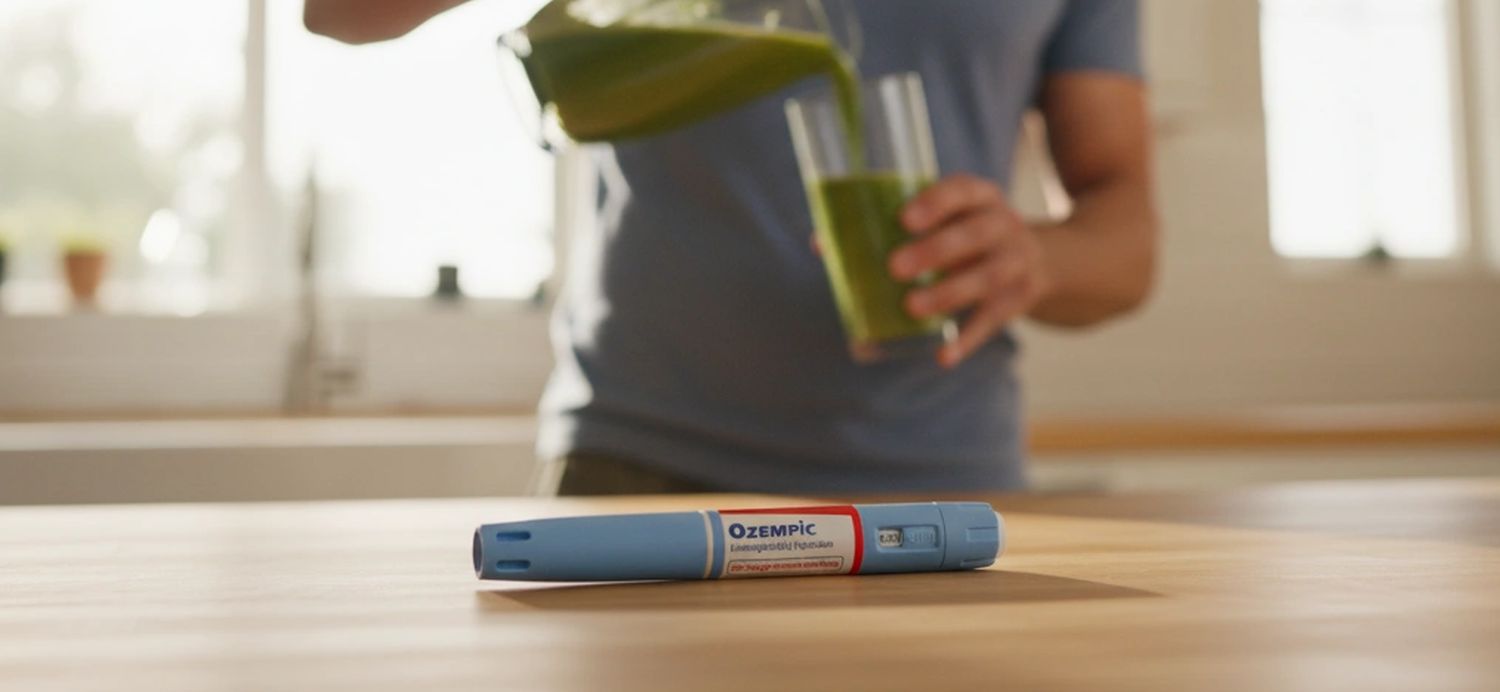
For most people, nausea on Ozempic or semaglutide is temporary. It tends to show up in the first days after starting or after a dose increase, and it usually eases within a few days to a couple of weeks as your body adjusts. Nausea is the most common side effect of these medications, but it’s typically mild to moderate and fades with time rather than sticking around indefinitely. Knowing the pattern, plus a few management steps, makes the early weeks much easier.
The typical nausea timeline
Nausea rarely arrives and stays flat. It comes in waves tied to changes in your dose. A pooled analysis of gastrointestinal tolerability across the STEP trials, published in Diabetes, Obesity and Metabolism, found that the stomach side effects of semaglutide, including nausea, were usually mild to moderate, non-serious, and transient, with relatively few people stopping treatment because of them. In plain terms, for most people nausea is a passing phase rather than a permanent state.
Here’s the general shape of it. When you first start the low introductory dose, you may feel some nausea in the first week or so, which then settles. Each time your dose steps up, a similar but usually smaller wave can return for a few days as your body adjusts to the higher level. Once you reach a stable dose you tolerate well, nausea usually becomes infrequent.
| Phase | What nausea tends to do |
|---|---|
| First week on starting dose | May appear, then eases within days to two weeks |
| After each dose increase | Can briefly return for a few days |
| Stable maintenance dose | Usually infrequent or gone |
| Persistent beyond several weeks | Worth a provider conversation |
Why dose increases bring it back
Consider a scenario: a patient sails through their first month, then feels queasy again a few days after moving up to the next dose. That’s a normal and expected pattern, not a sign something’s wrong. Nausea is closely tied to how strongly the medication is slowing your digestion, so a higher dose can briefly amplify the effect until you adapt. This is exactly why doses are increased gradually instead of all at once. Our guide on semaglutide dose escalation explains how stepping up slowly keeps side effects like nausea more manageable.
It also helps to understand when the medication’s effects build, since that shapes when you’re most likely to feel it. Our guide on when Ozempic starts suppressing appetite gives useful context for what’s happening in those early weeks.
How to manage nausea while it lasts
You don’t have to just wait it out. A few habits shorten and soften the rough patches.
Eat smaller, more frequent meals rather than large ones, since a full stomach on slowed digestion is a common trigger; our guide on portion sizes on semaglutide covers how your needs shift. Favor bland, lower-fat foods when you’re queasy, and ease off greasy or very rich meals. Stop eating when you feel full instead of pushing through. Staying hydrated matters too, and getting enough protein supports you through the adjustment, which our guide on how much protein you need on Ozempic or semaglutide breaks down.
Timing your meals earlier in the day, not lying down right after eating, and getting fresh air also help many people through the first days of each new dose.
When nausea isn’t following the usual pattern
Most nausea is short-lived. Check in with your provider if nausea lasts more than a few weeks without improving, if it’s severe, or if you can’t keep food or fluids down, since ongoing vomiting can lead to dehydration. Also reach out if nausea comes with severe abdominal pain that radiates to your back, which needs prompt evaluation. Sometimes staying at your current dose a little longer before increasing, or adjusting your timing, is enough to get comfortable, and that’s a reasonable thing to discuss.
The bottom line
Nausea on Ozempic or semaglutide is usually a temporary companion of starting and stepping up your dose, and it typically fades within days to a couple of weeks as you adjust. Manage it with smaller meals, blander foods, and smart timing, and lean on gradual dose increases. If it’s severe or lingering, your provider can help. If you want treatment with guidance through the adjustment period, explore your options with compounded semaglutide through TrimRx.
This information is for educational purposes and is not medical advice. Consult a healthcare provider before starting any medication, and seek care for severe or persistent vomiting, dehydration, or severe abdominal pain. Individual results may vary.

Transforming Lives, One Step at a Time
Keep reading

Why Does My Tongue Feel Coated on Ozempic?
Usually because there is less saliva washing your tongue clean, and less food passing over it to do the same job mechanically. Your tongue…

Starting a New Job With No Insurance While on Ozempic
The problem is usually a waiting period rather than a permanent loss, and waiting periods are plannable in a way that job loss is…

Does Collagen Help With Loose Skin on Ozempic?
Probably not for the thing you are hoping it will fix, and it is unlikely to do harm. Collagen supplements have been studied mainly…


