How Long Does Zepbound Fatigue Last? Understanding This Common Side Effect
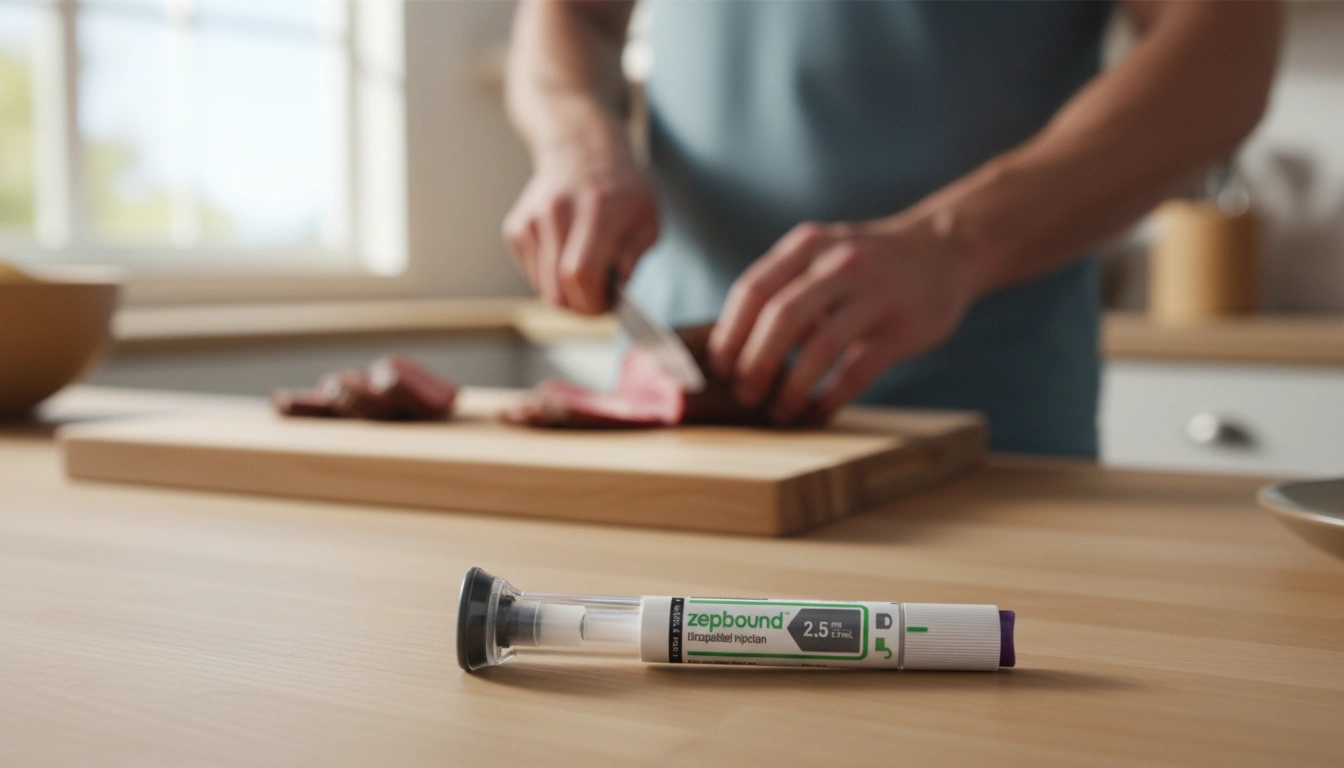
Fatigue is a common complaint among individuals who start using Zepbound (tirzepatide), a medication designed to assist in weight loss and chronic weight management. For many, embarking on a new weight loss journey can be both exciting and daunting. However, as we embrace healthier lifestyles, it’s essential to understand the potential side effects associated with medications like Zepbound, particularly fatigue, which can significantly impact daily life and overall well-being.
In the past few years, Zepbound has gained attention as an innovative approach to weight management, particularly for adults struggling with obesity or those with weight-related health conditions. However, as promising as this medication is, it is accompanied by various side effects, including fatigue, which affects a notable percentage of users. Research indicates that between 5% to 7% of individuals may experience this side effect, but the duration and intensity can vary widely.
In this blog post, we will delve deep into the subject of Zepbound-related fatigue, exploring its causes, how long it may last, and practical strategies for managing this side effect. By the end, you will have a comprehensive understanding of how to navigate your weight loss journey with Zepbound while addressing any fatigue you may encounter, ensuring you can optimize your health and well-being.
Understanding Zepbound: What It Is and How It Works
Zepbound is a medication that combines the effects of two hormones—glucose-dependent insulinotropic polypeptide (GIP) and glucagon-like peptide-1 (GLP-1). These hormones play a crucial role in regulating appetite, glucose metabolism, and gastric emptying. By mimicking these hormones, Zepbound helps individuals manage their weight by increasing feelings of fullness, decreasing appetite, and regulating blood sugar levels.
Historically, GLP-1 receptor agonists have been used in diabetes management, but recent developments have opened their use for weight management. Zepbound was approved by the FDA in November 2023, marking a significant advancement in the treatment options available for individuals struggling with obesity and related conditions.
As with any medication, understanding how it functions is vital in recognizing the potential side effects, including fatigue, which we will examine in detail.
The Connection Between Zepbound and Fatigue
Fatigue is often described as a state of physical or mental weariness, impacting one's energy levels and motivation. When it comes to Zepbound, fatigue can stem from several interconnected factors:
1. Caloric Intake Reduction
As Zepbound aids in appetite suppression, users often consume fewer calories than they are accustomed to. This reduction can lead to a temporary energy deficit, resulting in feelings of fatigue, especially during the initial phases of treatment.
2. Gastrointestinal Side Effects
Common gastrointestinal issues associated with Zepbound include nausea, vomiting, and diarrhea. These side effects not only contribute to discomfort but can also lead to dehydration and nutrient deficiencies, both of which can exacerbate feelings of fatigue.
3. Sleep Disruption
Many users report sleep disturbances, which can result from the medication's side effects. Poor sleep quality or quantity can significantly impact energy levels during the day. If you’re waking up frequently due to nausea or discomfort, it’s understandable that fatigue will follow.
4. Psychological Factors
Starting a new medication often comes with anxiety and stress, especially when coupled with lifestyle changes like diet and exercise. Mental fatigue can be just as debilitating as physical fatigue, creating a dual challenge for users.
5. Adjusting to Medication
As with many medications, the body often requires time to adjust to Zepbound. During this adjustment period, users might experience fluctuations in energy levels, including increased fatigue.
How Long Does Zepbound Fatigue Last?
The duration of fatigue experienced by individuals taking Zepbound can vary significantly. While some may notice a gradual improvement in energy levels within a few days to weeks, others may experience fatigue for a more extended period. Several factors can influence this duration:
1. Individual Response
Each person’s body reacts differently to medications, influenced by factors such as metabolism, lifestyle, and overall health. Some may adapt quickly to Zepbound, while others may take longer.
2. Dosage Adjustments
Zepbound is typically started at a lower dose, which is gradually increased. Users might find that fatigue is more pronounced at the beginning or during dose escalations as their body adjusts to the medication.
3. Dietary Changes
As users begin to adopt healthier eating habits, the initial caloric reduction may lead to a temporary dip in energy. However, as weight loss progresses and dietary habits stabilize, many find that their energy levels improve.
4. Underlying Health Conditions
Individuals with pre-existing conditions, such as diabetes or sleep disorders, may experience prolonged fatigue due to the interplay of these conditions with the medication.
5. Support Systems
Engaging in a supportive weight loss program, like those offered by TrimRx, can provide the necessary tools and guidance to manage side effects effectively. Our personalized approach ensures that users have access to the resources they need, including consultations with healthcare professionals who can help navigate any side effects.
Managing Zepbound-Related Fatigue
While fatigue can be an unwelcome side effect of Zepbound, there are several strategies that users can adopt to help manage this condition effectively:
1. Prioritize Sleep Hygiene
Quality sleep is essential for energy levels. Establishing a consistent sleep schedule, creating a restful environment, and practicing relaxation techniques can significantly improve sleep quality.
2. Stay Hydrated
Dehydration can intensify feelings of fatigue. Drinking plenty of fluids throughout the day, especially water, can help maintain energy levels.
3. Balanced Diet
While Zepbound may reduce appetite, it’s crucial to focus on nutrient-dense foods that provide energy. Incorporating a variety of fruits, vegetables, lean proteins, and whole grains can help combat fatigue.
4. Gentle Exercise
Engaging in regular, moderate physical activity can boost energy levels. Simple activities like walking or stretching can help invigorate the body without overexertion.
5. Monitor Symptoms
Keeping a journal of your energy levels, dietary habits, and side effects can provide valuable insights into patterns and triggers. This information can help you and your healthcare provider adjust your treatment plan as needed.
6. Seek Support
Communicating with healthcare professionals about any persistent fatigue can lead to tailored advice and adjustments. TrimRx offers comprehensive support, including consultations and unlimited access to expert guidance.
The Role of TrimRx in Your Weight Loss Journey
At TrimRx, we are dedicated to supporting individuals on their weight loss journey through personalized care and innovative solutions. Our approach merges cutting-edge telehealth innovations with effective weight loss strategies, ensuring our users receive the medically supervised care they need.
If you're considering Zepbound as part of your weight management plan, we invite you to take our free assessment quiz to determine your eligibility for our prescription weight loss medications. By understanding your unique needs, we can design a personalized treatment plan that maximizes your chances of success and helps you manage any potential side effects, including fatigue.
Additionally, while you're on your journey, consider our GLP-1 Daily Support and Weight Loss Boost supplements, which can provide additional support as you navigate your weight loss experience. These quick-access supplements are designed to enhance your overall wellness and complement your weight loss efforts.
Conclusion
Fatigue is a common side effect of Zepbound, but understanding its causes and potential duration can empower users to navigate their weight loss journey more effectively. By employing strategies to manage fatigue, prioritizing self-care, and seeking support from healthcare professionals, individuals can optimize their experience on Zepbound.
As we embrace healthier lifestyles, it's essential to remain patient and compassionate with ourselves, recognizing that the journey to wellness is a process filled with both challenges and triumphs. If you're considering Zepbound or are currently using it, remember that support is available, and you don’t have to navigate this journey alone.
FAQs
How long does Zepbound fatigue usually last after starting tirzepatide injections?
Zepbound fatigue typically lasts one to two weeks as the body adjusts to tirzepatide. Most users report gradual improvement once metabolism stabilizes and blood sugar levels normalize with continued Zepbound use. TrimRx helps patients monitor energy recovery throughout their weight loss journey.
Does Zepbound fatigue mean the tirzepatide dose is too high?
Sometimes, yes. Fatigue can occur if your tirzepatide dose increases too quickly. TrimRx works with patients to create dosing plans that minimize tiredness while optimizing Zepbound’s fat-loss results.
Can dehydration make Zepbound fatigue worse or last longer?
Yes, dehydration can intensify fatigue. TrimRx recommends staying hydrated to help manage Zepbound-related tiredness and maintain steady tirzepatide absorption.
Does Zepbound fatigue improve after your body adapts to tirzepatide?
Most patients experience improved energy within two weeks. TrimRx supports users through this adaptation period with guidance on nutrition and activity balance.
Can Zepbound fatigue be linked to changes in blood sugar from tirzepatide?
Yes, rapid glucose changes can cause temporary tiredness. TrimRx helps patients regulate tirzepatide dosing and diet to stabilize energy levels.
Is Zepbound fatigue more common in new users or long-term patients?
It’s most frequent during the first few doses. TrimRx helps users gradually build tirzepatide tolerance to minimize energy dips.
Are there lifestyle changes that can help reduce Zepbound fatigue faster?
Balanced meals, hydration, and sleep hygiene can help. TrimRx provides personalized Zepbound wellness plans to boost energy recovery.
Does Zepbound fatigue affect daily performance or workouts?
It can temporarily lower stamina during early treatment. TrimRx assists patients in adjusting tirzepatide schedules for peak daily energy.
Should you skip a Zepbound dose if fatigue persists?
No, never skip doses without medical advice. TrimRx provides ongoing tirzepatide monitoring to safely manage fatigue without disrupting results.
How does TrimRx support patients experiencing Zepbound fatigue?
TrimRx offers personalized support, nutritional advice, and tirzepatide dose management plans to help patients reduce Zepbound fatigue while maintaining consistent progress.
Is fatigue more noticeable at higher Zepbound doses?
Yes, higher tirzepatide doses can temporarily increase tiredness.
Can caffeine safely help reduce Zepbound-related tiredness?
Moderate caffeine intake may help offset fatigue but should be monitored.
Does Zepbound fatigue impact sleep quality?
Some users feel more tired but still sleep deeply, while others may feel restless.
Are there supplements that help with Zepbound fatigue?
Vitamin B12 and iron can help if deficiencies are present.
Can exercise speed up recovery from Zepbound fatigue?
Light exercise supports better blood flow and helps reduce tiredness more quickly.

Transforming Lives, One Step at a Time
Keep reading

How to Get Zepbound in Texas: Your Guide
Getting Zepbound in Texas is straightforward once you know your options. You can get a prescription through a telehealth provider from home, through your…

How to Get Zepbound in California: Where to Start
Zepbound (tirzepatide) is available to California residents through your primary care provider, a weight loss clinic, or a telehealth service that prescribes and delivers…
Stopping Zepbound: Managing the Transition
When you stop taking Zepbound, your appetite returns to pre-medication levels within a few weeks and most people regain a meaningful portion of their…


