How Long Has Compounded Semaglutide Been Around?
Introduction
Finding a sustainable path to weight loss often feels like a series of uphill battles. Many people spend years navigating restrictive diets and intense exercise routines, only to find that the scale refuses to budge. The arrival of GLP-1 support medications has shifted the landscape of metabolic health, offering new hope for those struggling with chronic weight management. However, as branded medications faced unprecedented demand and supply shortages, many turned toward compounded alternatives. You might be wondering how long has compounded semaglutide been around and whether it is a reliable option for your journey.
At TrimRx, we believe that understanding the history and science behind your treatment is the first step toward long-term success. While the widespread popularity of these treatments feels recent, the history of the semaglutide molecule and the practice of pharmaceutical compounding have deep roots. This article explores the timeline of semaglutide, the regulatory framework of compounding, and how you can access personalized treatment through our telehealth platform. If you want to see whether a prescription program is the right fit, you can take the free assessment quiz.
The History of the Semaglutide Molecule
To understand how long compounded semaglutide has been available, we must first look at the development of the molecule itself. Semaglutide belongs to a class of drugs known as GLP-1 receptor agonists. These medications work by mimicking a natural hormone in your body that regulates blood sugar and signals your brain that you are full.
The journey of semaglutide began in the early 2010s. Researchers developed it as a longer-acting version of earlier GLP-1 medications. By 2012, the molecule was being rigorously tested in clinical trials to determine its safety and efficacy for treating type 2 diabetes. The goal was to create a medication that stayed in the system longer, allowing for once-weekly dosing rather than daily injections.
In December 2017, the FDA approved the first branded version of semaglutide, Ozempic®, for the treatment of type 2 diabetes. Following the success of Ozempic® in helping patients manage blood sugar and lose weight, the manufacturer sought approval specifically for chronic weight management. This led to the FDA approval of Wegovy® in June 2021. This timeline is critical because compounding for a specific drug typically only gains momentum once the drug is established in the market and experiences supply challenges.
Quick Answer: The semaglutide molecule was developed in 2012 and first gained FDA approval in branded form in 2017. Compounded semaglutide became a prominent option for weight management around 2022, when branded versions were added to the FDA’s official drug shortage list.
Understanding Pharmaceutical Compounding
The practice of pharmaceutical compounding is not new; in fact, it is the original way medications were prepared before the rise of mass-manufacturing in the 20th century. Compounding is the process of combining, mixing, or altering ingredients to create a medication tailored to the needs of an individual patient.
Modern compounding is used for several specific reasons:
- To create a dye-free or preservative-free version for a patient with an allergy.
- To provide a different strength or dosage that is not commercially available.
- To change the form of the medication, such as turning a pill into a liquid or a topical cream.
- To maintain access to essential treatments when branded versions are in short supply.
Compounded medications are prepared by licensed pharmacists in specialized facilities. While the specific compounded medication itself is not FDA-approved, the pharmacies that produce them are regulated. These facilities must follow strict standards set by the United States Pharmacopeia (USP) and are often registered with and inspected by the FDA.
The Surge of Compounded Semaglutide
While the semaglutide molecule has been around since 2012, the specific rise of “compounded semaglutide” as a widely searched term and treatment option is a more recent phenomenon. The primary driver was the 2022 supply shortage.
When the FDA officially listed Wegovy® and Ozempic® as being in shortage, it triggered a specific provision in the Federal Food, Drug, and Cosmetic Act. This provision allows compounding pharmacies to prepare versions of “essentially a copy” of a commercially available drug during a recognized shortage. This was done to ensure that patients who rely on these medications for their health do not face dangerous gaps in treatment.
Key Takeaway: Compounding is a long-standing medical practice used to fill gaps in the pharmaceutical market. Compounded semaglutide specifically rose to prominence in 2022 as a direct response to nationwide shortages of branded GLP-1 medications.
Regulatory Framework for Compounding Pharmacies
When discussing how long compounded semaglutide has been around, it is important to address the safety and oversight of the pharmacies involved. In the United States, compounding pharmacies generally fall into two categories under the law: 503A and 503B.
503A Pharmacies
These are traditional compounding pharmacies that prepare medications based on a specific prescription for a specific patient. They are primarily regulated by state boards of pharmacy. These pharmacies must follow USP guidelines for sterile and non-sterile compounding to ensure the quality and purity of the medication.
503B Outsourcing Facilities
These are larger facilities that can produce medications in bulk for office use or hospital systems. 503B facilities are held to higher regulatory standards, known as Current Good Manufacturing Practices (cGMP). They are required to register with the FDA and undergo regular inspections.
At TrimRx, we connect you with licensed healthcare providers who work with FDA-registered and inspected compounding pharmacies. If you’re ready to check your eligibility, you can complete the free assessment quiz and move forward with a personalized plan.
The Science of GLP-1 Receptor Agonists
Semaglutide’s effectiveness is rooted in its ability to interact with the body’s natural metabolic pathways. To understand why there is such a high demand for both branded and compounded versions, we must look at what happens inside the body when you take a GLP-1 medication.
Appetite Regulation: The medication acts on the hypothalamus, the part of the brain responsible for hunger and fullness. It helps you feel satisfied with smaller portions and reduces the “food noise” or constant cravings that many people experience.
Delayed Gastric Emptying: It slows down the rate at which food leaves your stomach. This physical slowing of digestion contributes to a prolonged feeling of fullness after a meal.
Blood Sugar Management: Semaglutide stimulates the pancreas to release insulin when blood sugar is high and prevents the liver from producing too much glucose. This is why it was originally developed for type 2 diabetes.
Because semaglutide is a peptide—a short chain of amino acids—it must be handled carefully. Compounding pharmacies that specialize in peptides have the expertise to ensure the molecule remains stable and effective during the preparation process.
Branded vs. Compounded: What You Need to Know
It is essential to distinguish between branded medications and the compounded versions used by many telehealth platforms today.
- Branded Medications: Ozempic®, Wegovy®, Mounjaro®, and Zepbound® are branded medications that have undergone the full FDA drug approval process. They are manufactured by specific pharmaceutical companies and are sold in standardized pens or doses.
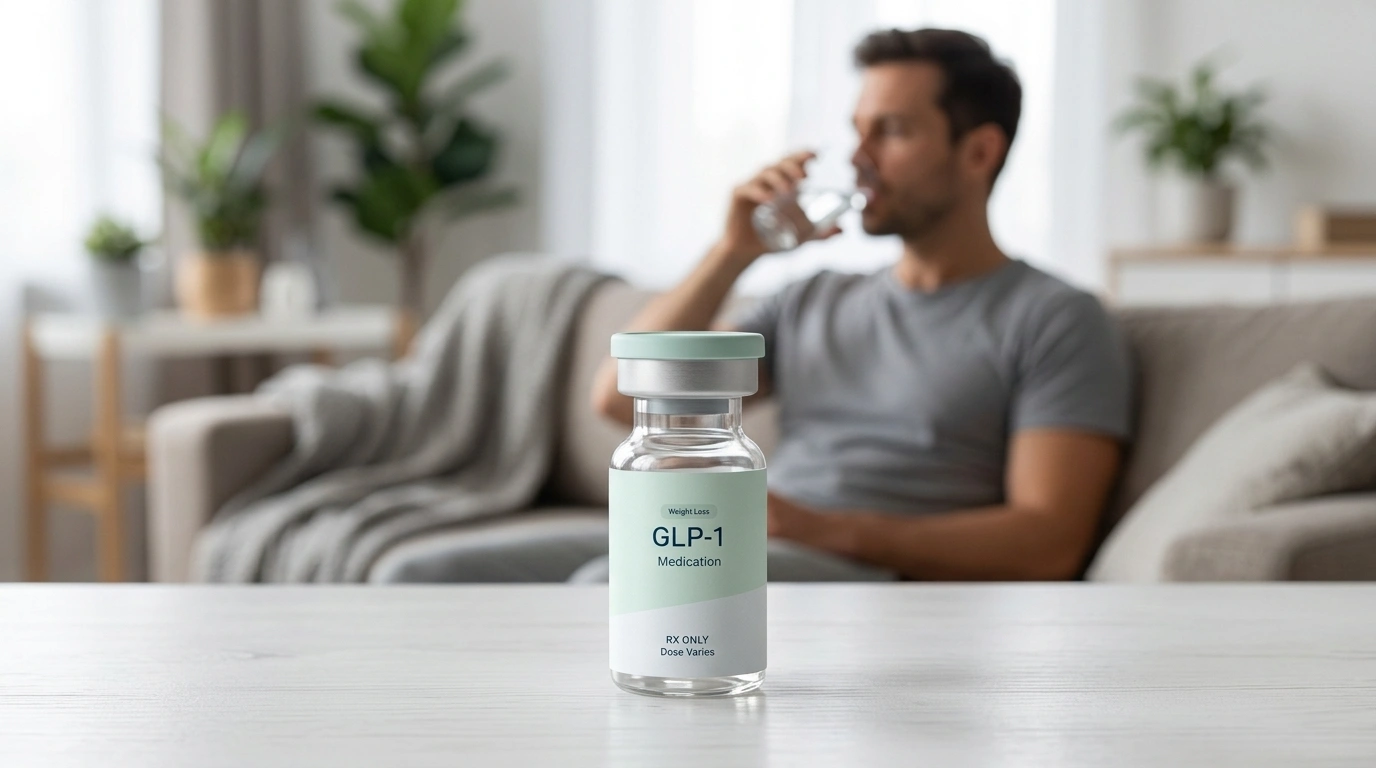
- Compounded Medications: Compounded semaglutide and compounded tirzepatide are prepared by independent pharmacies. They often come in vials, and the patient uses a syringe to draw the specific dose prescribed by their doctor. These are not FDA-approved, though the pharmacies themselves are subject to federal and state oversight.
Many patients choose the compounded route not only because of availability but also because it allows for more precise dosing adjustments. If a patient is experiencing side effects at a standard dose, a provider can sometimes fine-tune the prescription in a way that is not possible with pre-filled branded pens. If you want to compare treatment options with a provider, the easiest next step is to take the free assessment quiz.
Who is a Candidate for Semaglutide?
The criteria for using semaglutide, whether branded or compounded, are generally based on clinical guidelines for weight management. Most providers look for:
- A Body Mass Index (BMI) of 30 or higher.
- A BMI of 27 or higher with at least one weight-related health condition, such as high blood pressure, high cholesterol, or type 2 diabetes.
- A history of unsuccessful weight loss attempts through diet and exercise alone.
A healthcare provider will also review your medical history to ensure there are no contraindications. For example, individuals with a personal or family history of medullary thyroid carcinoma or Multiple Endocrine Neoplasia syndrome type 2 should not use GLP-1 medications. It is also important to discuss any history of pancreatitis or gallbladder issues with a licensed professional.
How the TrimRx Program Works
We focus on making the process of starting a weight loss program as straightforward and supportive as possible. Our platform is designed for individuals who want medical supervision and high-quality medication without the traditional barriers of in-person visits.
Step 1: The Free Assessment Quiz
The journey begins with a comprehensive health assessment. This quiz helps our partner providers understand your health history, your weight loss goals, and whether a GLP-1 medication like semaglutide is appropriate for you.
Step 2: Provider Consultation
A licensed healthcare provider reviews your information. They may order lab work to get a clearer picture of your metabolic health. This step is crucial for ensuring that your program is personalized to your body’s specific needs.
Step 3: Medication and Support
If approved, your prescription is sent to an FDA-registered compounding pharmacy. The medication is then shipped directly to your door. Our program includes ongoing support from our team of specialists, who are available to answer questions and help you manage your progress.
Managing Potential Side Effects
As with any medication, semaglutide can cause side effects. Because the medication has been around in various forms since 2017, there is a wealth of clinical data on what to expect. Most side effects are gastrointestinal and occur when the dosage is increased.
Common side effects may include:
- Nausea or vomiting
- Diarrhea or constipation
- Abdominal pain or bloating
- Fatigue
Most patients find that these symptoms are mild and improve as the body adjusts to the medication. Staying hydrated and eating smaller, more frequent meals can often help manage these issues. If side effects become bothersome, we recommend consulting with your healthcare provider to discuss strategies for relief or potential dosage adjustments.
Note: To support your body while on a GLP-1 medication, we offer the GLP-1 Daily Support supplement, which can help provide essential nutrients and support digestive health during your journey.
Why Personalization Matters
No two weight loss journeys are the same. A one-size-fits-all approach often fails because it ignores the biological and lifestyle differences between individuals. This is why we emphasize a personalized program.
By using compounded medications, our partner providers can offer a level of flexibility that traditional “off-the-shelf” prescriptions may lack. Combined with continuous access to medical experts, this approach helps patients navigate the challenges of weight loss with confidence. We are committed to transparency, ensuring you know exactly what is in your medication and how to use it safely.
The Long-Term Outlook of Weight Management
Weight loss is not just about a number on a scale; it is about improving your metabolic health and your quality of life. GLP-1 medications like semaglutide are powerful tools, but they work best when integrated into a healthy lifestyle.
Research suggests that many patients see the most success when they combine medication with balanced nutrition and regular physical activity. The goal is to create sustainable habits that last long after you have reached your target weight. We provide the medical foundation and the specialist support needed to help you make those lasting changes.
Key Takeaway: While semaglutide as a molecule has been studied for over a decade, the ability to access it through compounding has provided a vital lifeline for patients during recent shortages. This marriage of clinical history and modern compounding offers a flexible, effective path for weight management.
Starting Your Journey Today
If you have been struggling with weight loss and are curious about whether semaglutide is right for you, the best next step is to seek professional guidance. You do not have to navigate the complexities of medication shortages or dosage changes on your own.
At TrimRx, our mission is to simplify the path to a healthier you. We combine clinical expertise with the convenience of telehealth to deliver a program that fits into your life. Whether you are interested in compounded semaglutide or other GLP-1 options, you can take the free assessment quiz to get started with personalized support.
Bottom line: Compounded semaglutide has been an essential part of the weight loss landscape since 2022, providing a customizable and available alternative to branded medications that have been around since 2017.
FAQ
How long has compounded semaglutide been around?
Compounded semaglutide became widely available and popular in 2022. This was primarily a response to the FDA’s official drug shortage listing for branded versions of the medication, which allowed compounding pharmacies to legally produce versions of the drug to meet patient demand. If you want to see whether a prescription program may be appropriate, you can take the free assessment quiz.
Is compounded semaglutide the same as the branded versions?
Compounded semaglutide contains the same active ingredient as branded medications like Ozempic® and Wegovy®, but it is prepared by independent pharmacies rather than the original manufacturer. While the branded versions are FDA-approved, the compounded versions are not, though they are made in regulated facilities that follow strict safety standards.
Why do doctors prescribe compounded semaglutide?
Doctors often prescribe compounded semaglutide when branded versions are unavailable due to shortages or when a patient needs a specific dosage that is not provided in pre-filled pens. Compounding allows for a more personalized approach to treatment, which can be beneficial for managing side effects.
How do I know if the compounding pharmacy is safe?
A safe compounding pharmacy should be licensed by its state board of pharmacy and, in many cases, registered with the FDA as an outsourcing facility. When you use a platform like ours, we ensure your medication is sourced from reputable, inspected pharmacies that adhere to high quality-control standards.
Disclaimer: This content is for informational purposes only and does not constitute medical advice. It is not intended to diagnose, treat, cure, or prevent any disease or condition. Individual results may vary. Always consult a qualified healthcare professional before starting any weight loss program or medication.

Transforming Lives, One Step at a Time
Keep reading

What Is CagriSema? Cagrilintide and Semaglutide Explained
CagriSema is an investigational once-weekly injectable from Novo Nordisk that combines two different weight-loss ingredients in one shot: cagrilintide, an amylin analog, and semaglutide,…

Taste Changes on Semaglutide: Why Food Tastes Different
Yes, semaglutide can change how food tastes. Some people notice a metallic or off taste, foods they used to love losing their appeal, or…
Bruising and Injection Site Reactions on Semaglutide
Bruising and mild injection site reactions, meaning redness, a small lump, itching, or tenderness, are common with subcutaneous semaglutide and are usually harmless. Bruising…


