How Long Is GLP-1 Good For? Understanding Shelf Life and Storage
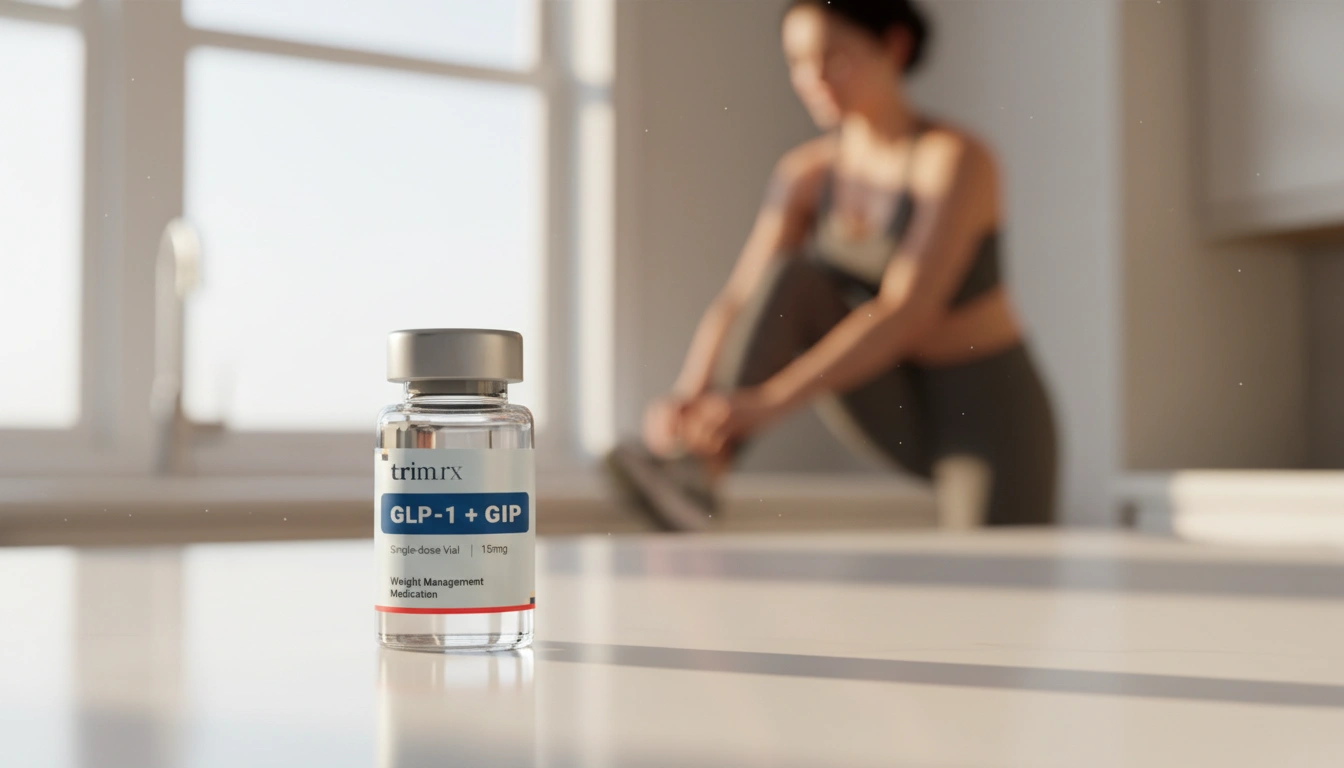
Introduction
In a world where health and wellness are at the forefront of many conversations, the rise of GLP-1 medications has created a buzz, particularly in the realms of diabetes management and weight loss. These medications, known for their remarkable ability to help regulate blood sugar levels and aid in weight reduction, often lead to a crucial question: how long is GLP-1 good for?
The significance of understanding the shelf life and proper storage of GLP-1 medications extends beyond mere curiosity. With their increasing popularity, it’s essential for users to know how to keep these medications effective and safe for use. In this blog post, we will delve into the intricacies of GLP-1 medications, their expiration dates, and the best practices for storing them to ensure they remain effective throughout their intended use.
We’ll cover a lot of ground, including:
- An overview of GLP-1 medications and their uses
- The shelf life of unopened and opened vials
- Recommended storage practices
- What happens if you use expired GLP-1
- Key takeaways on managing your GLP-1 regimen
By the end of this article, you’ll gain a comprehensive understanding of how to effectively manage your GLP-1 medications, ensuring optimal efficacy for your weight loss or diabetes management journey.
Did you know that nearly 34 million Americans have diabetes, and many more struggle with obesity? With the rising prevalence of these conditions, the demand for effective treatments has surged. GLP-1 receptor agonists, such as semaglutide and liraglutide, have emerged as game-changers, assisting individuals in managing their blood sugar levels and achieving sustainable weight loss. However, as with any medication, understanding how long they remain effective is vital for anyone considering or currently using these treatments.
GLP-1 medications are designed to mimic the action of the natural hormone glucagon-like peptide-1, which plays a crucial role in regulating appetite and insulin secretion. While these medications have proven benefits, improper storage or usage beyond their expiration dates can drastically diminish their effectiveness.
In this article, we aim to clarify how long GLP-1 medications remain valid, the factors influencing their shelf life, and how to store them properly to maximize their benefits. Engaging with this information will empower you to make informed decisions about your health management.
What Are GLP-1 Medications?
Before diving into expiration and storage details, it’s essential to understand what GLP-1 medications are and how they function. GLP-1 receptor agonists are a class of drugs that mimic the GLP-1 hormone produced in the intestines. They help lower blood sugar levels and promote weight loss through several mechanisms:
- Increased Insulin Secretion: GLP-1 medications stimulate the pancreas to release more insulin in response to food intake, which helps control blood sugar levels.
- Decreased Glucagon Release: By inhibiting glucagon, these medications prevent the liver from releasing too much sugar into the bloodstream.
- Slowed Gastric Emptying: This action leads to a more gradual release of glucose into the bloodstream, reducing spikes in blood sugar after meals.
- Reduced Appetite: GLP-1 affects the brain’s hunger centers, leading to increased feelings of fullness and decreased appetite.
Common GLP-1 medications include semaglutide (Ozempic® and Wegovy®), liraglutide (Victoza® and Saxenda®), and tirzepatide (Mounjaro®). These medications are typically administered via injections and are often part of a broader treatment plan that includes lifestyle modifications.
How Long Is GLP-1 Good For?
Understanding the lifespan of GLP-1 medications is crucial for users to ensure they’re getting the intended benefits. Generally, the shelf life of GLP-1 medications can be categorized based on whether the vial has been opened or remains sealed.
Unopened Vials
Unopened vials of GLP-1 medications can typically be stored in the refrigerator for up to 24 months from the date of manufacture. It is essential to check the expiration date printed on the vial or its packaging. Proper refrigeration is critical, with the ideal temperature range being between 36°F and 46°F (2°C to 8°C).
Opened Vials
Once a vial of GLP-1 medication has been opened, its shelf life decreases significantly. Generally, opened vials should be used within 4 weeks when stored in the refrigerator. After this period, the medication should be discarded to avoid any risks associated with decreased potency or effectiveness.
Factors Affecting Shelf Life
Several factors can influence the effective lifespan of GLP-1 medications, including:
- Storage Conditions: Extreme temperatures, exposure to light, and humidity can adversely impact the medication’s stability. It’s crucial to avoid freezing the medication or storing it in areas with fluctuating temperatures.
- Handling Practices: Shaking the vial can cause air bubbles that may compromise the medication’s integrity. It’s best to gently swirl the vial if necessary before administration.
- Expiration Dates: Always adhere to the expiration date provided on the packaging or vial to ensure safety and efficacy.
What Happens If You Use Expired GLP-1?
Using expired GLP-1 medications can lead to several issues. First and foremost, the effectiveness of the medication may be compromised, leading to inadequate blood sugar control or weight management results. While utilizing expired GLP-1 isn’t likely to cause severe harm, it could result in:
- Poor Blood Sugar Control: If the medication has lost potency, blood glucose levels may rise, which can be particularly concerning for individuals managing diabetes.
- Weight Regain: For those using GLP-1 medications for weight management, taking expired doses could hinder the weight loss process and lead to potential regaining of lost weight.
- Side Effects: Although unlikely, there can also be mild side effects like injection site irritation or allergic reactions if the medication has degraded.
If you discover that you have expired GLP-1 medication, it’s essential to consult your healthcare provider for proper guidance and to discuss the best course of action.
Recommended Storage Practices for GLP-1 Medications
To ensure the longevity and efficacy of GLP-1 medications, proper storage is key. Here are some best practices:
- Refrigerate Properly: Always store unopened vials in the refrigerator at the recommended temperatures.
- Avoid Freezing: GLP-1 medications should never be frozen, as this can ruin the medication’s effectiveness.
- Protect from Light and Heat: Keep the vials away from direct sunlight and heat sources, as these factors can degrade the medication.
- Inspect Before Use: Always check the vial for any discoloration, cloudiness, or sediment before administering the injection. If you notice any changes, consult your healthcare provider.
By following these guidelines, you can ensure that your GLP-1 medications remain effective throughout their shelf life.
Conclusion
Understanding how long GLP-1 medications are good for, along with proper storage practices, is essential for anyone using these treatments for diabetes management or weight loss. By adhering to the recommended storage guidelines and being aware of expiration dates, you can maximize the benefits of GLP-1 medications and maintain your health goals.
At TrimRx, we are committed to supporting individuals on their weight loss journeys with personalized, medically supervised care. If you’re considering GLP-1 medications or are looking for guidance on your weight management plan, we encourage you to take our free assessment quiz to determine your eligibility for our prescription weight loss medications.
Together, we can embark on a health journey that’s tailored to your unique needs.
FAQ
How can I tell if my GLP-1 medication has expired?
Check the expiration date printed on the vial or packaging. If it’s past this date or if the medication shows any changes in color or consistency, consult your healthcare provider.
Can I store GLP-1 medications at room temperature?
GLP-1 medications should be stored in a refrigerator. However, some medications may be safe at room temperature for short periods. Always refer to the specific instructions for your medication.
What should I do if I accidentally use expired GLP-1?
If you’ve used expired GLP-1, monitor your blood sugar levels closely and consult your healthcare provider for further guidance.
Are there any risks associated with using GLP-1 medications long-term?
While GLP-1 medications are generally safe for long-term use, it’s essential to have regular check-ins with your healthcare provider to monitor for any side effects or necessary adjustments to your treatment plan.
How do I properly dispose of unused or expired GLP-1 medications?
Unused or expired medications should be disposed of according to local guidelines. Many pharmacies offer medication take-back programs to ensure safe disposal.

Transforming Lives, One Step at a Time
Keep reading

How to Adjust Weight Loss Goals on GLP-1 Medications
Adjust weight goals on GLP-1 meds by tracking body composition and labs, optimizing protein, activity, sleep, and working with your provider on dosing.
Falsified Mounjaro pens prompt urgent safety advisory
MHRA warns of counterfeit Mounjaro pens (batch D873576); stop use and check batch numbers for infection risk.

Novo Nordisk shares drop as Alzheimer’s hopes for weight-loss drug fade
Novo Nordisk’s semaglutide failed to slow Alzheimer’s in large trials, prompting shares to fall and expert reactions.


