How Long Is Tirzepatide Compound Good For?
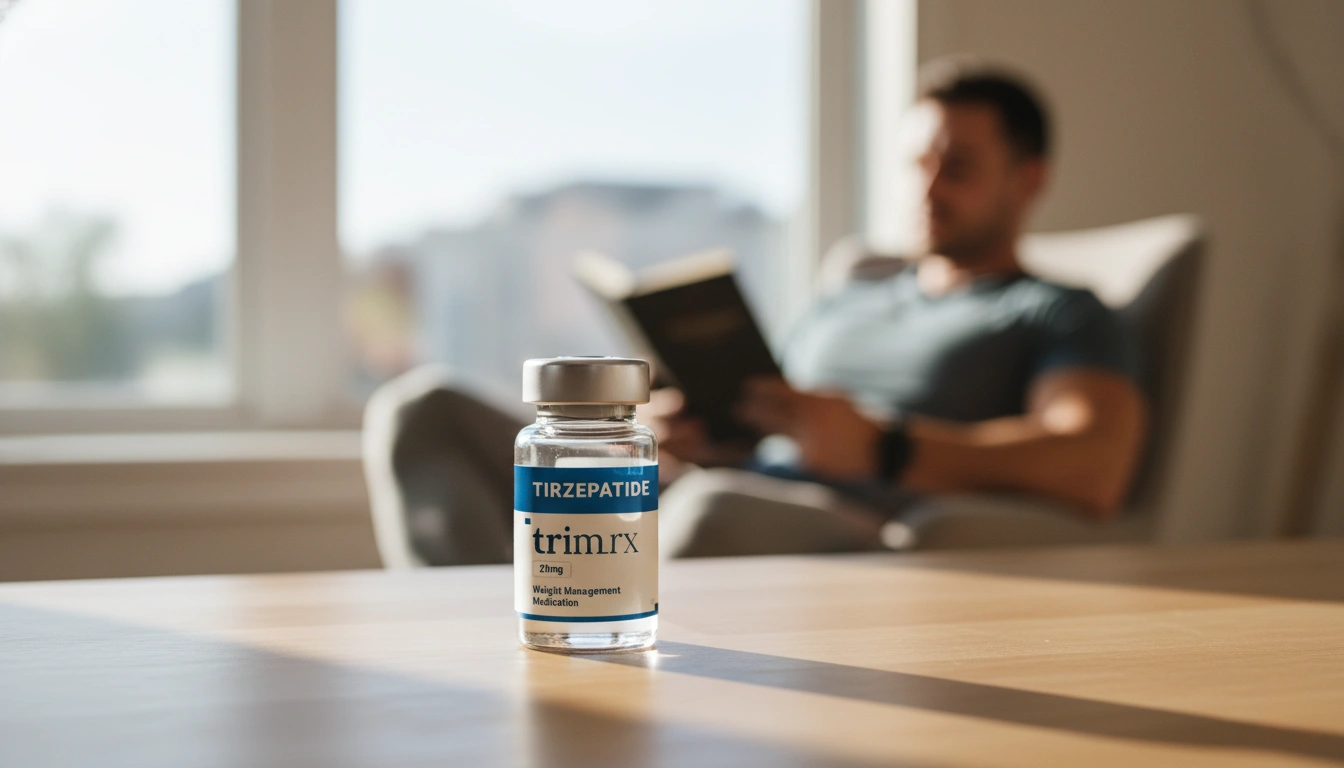
Introduction
Standing in front of the refrigerator, looking at a small vial of medication, it is natural to feel a sense of caution. You have committed to a health journey, and you want to ensure every dose of your medication is as effective as the first. For many individuals using compounded tirzepatide—a dual GIP (glucose-dependent insulinotropic polypeptide) and GLP-1 (glucagon-like peptide-1) receptor agonist—the question of shelf life is not just about logistics; it is about safety and clinical success.
At TrimRx, we understand that navigating the nuances of compounded medications can feel overwhelming. Whether you are currently on a program or considering a telehealth approach to weight management, knowing the lifespan of your medication is vital. This article covers the factors that determine the stability of compounded tirzepatide, proper storage protocols, and how to identify when a medication is no longer suitable for use. Our goal is to provide the clarity you need to move forward with confidence in your personalized treatment plan.
Defining the Lifespan of Compounded Tirzepatide
When we talk about how long a medication lasts, we are generally referring to two different concepts: the “Beyond Use Date” (BUD) and the period of “in-use” stability. Unlike mass-produced branded medications that have expiration dates set years in advance, compounded medications use a more conservative dating system. For additional context, review this guide to compounded tirzepatide storage and shelf life.
Compounded tirzepatide is a customized medication prepared by a pharmacist in an FDA-registered, inspected compounding pharmacy. Because these medications are mixed in smaller batches and often contain different preservative profiles than their commercial counterparts, their window of peak potency is more specific.
The Beyond Use Date (BUD)
The Beyond Use Date is the date after which a compounded preparation should not be used. This date is determined by the compounding pharmacist based on several factors, including the stability of the ingredients, the risk of microbial contamination, and the specific guidelines set by the United States Pharmacopeia (USP).
Quick Answer: Most compounded tirzepatide preparations have a Beyond Use Date ranging from 30 to 180 days from the date of formulation, depending on the pharmacy’s testing data and the presence of preservatives. Once the vial is punctured, the “in-use” window typically narrows to 28 days.
Why BUDs Differ from Expiration Dates
Branded medications like Mounjaro® or Zepbound® undergo extensive, multi-year stability testing to determine a precise expiration date. These medications are manufactured in highly standardized, large-scale industrial settings. Compounding pharmacies, while operating under strict sterile standards, provide individualized preparations. As a result, the BUD serves as a more cautious safeguard to ensure you are receiving a sterile and potent product.
Factors That Influence Medication Stability
Tirzepatide is a peptide. In plain English, a peptide is a short chain of amino acids. These molecules are effective but structurally fragile. Several environmental factors can cause these chains to break down or “denature,” which makes the medication less effective at managing hunger and supporting metabolic health.
Temperature Fluctuations
Temperature is the most significant factor in maintaining the integrity of tirzepatide. Peptides are sensitive to heat. If the medication gets too warm, the chemical bonds can weaken, leading to a loss of potency. Conversely, freezing the medication can also be damaging. When tirzepatide freezes and thaws, the physical structure of the peptide can be permanently altered.
Light Exposure
Many compounded medications are sensitive to light, particularly ultraviolet (UV) light. Exposure to direct sunlight or even intense indoor lighting can trigger chemical reactions within the vial. This is why many pharmacies dispense tirzepatide in amber-colored vials or recommend keeping the vial in its original box.
Vibration and Agitation
While it might seem surprising, excessive shaking can impact peptide stability. Harsh agitation can cause the proteins to clump or unfold. While a gentle swirl to ensure the liquid is clear is fine, the vial should never be shaken vigorously.
Preservative Levels
Compounded tirzepatide often includes a preservative like benzyl alcohol to prevent the growth of bacteria after the vial has been punctured. The concentration and type of preservative used will influence how long the medication remains sterile and safe for repeated use.
Bottom line: The stability of tirzepatide depends on a delicate balance of temperature control, light protection, and careful handling to keep the peptide molecules intact.
Proper Storage for Maximum Longevity
To ensure your medication remains “good” for its entire intended lifespan, you must follow strict storage protocols. Proper storage is the most effective way to protect your investment in your health. For more practical guidance, see this tirzepatide storage, travel, and handling guide.
The Gold Standard: Refrigeration
Compounded tirzepatide should almost always be stored in the refrigerator. The ideal temperature range is between 36°F and 46°F (2°C to 8°C).
- Avoid the door: The temperature in the refrigerator door fluctuates every time you open it. Store your vial on a middle shelf toward the back.
- Avoid the back wall: Some refrigerators are cold enough to freeze items that touch the very back wall. Ensure there is a small gap.
- Keep it in the box: The original packaging provides an extra layer of insulation and protects the vial from light exposure every time the refrigerator light turns on.
Managing Travel
If you are traveling, your medication should stay within its required temperature range. Use an insulated travel case with a small gel ice pack. Ensure the ice pack does not directly touch the vial to prevent accidental freezing. If you are flying, always keep your medication in your carry-on luggage rather than checked bags, as cargo holds are not temperature-controlled.
Room Temperature Limits
In some cases, specific formulations of tirzepatide can be left at room temperature (up to 86°F) for a limited number of days. This is typically only for “in-use” vials. However, you should never assume your medication is safe at room temperature. Always defer to the specific instructions provided by the pharmacy or your healthcare provider through our platform. If you have a temperature concern, review what to do if compounded tirzepatide is left out of the fridge.
Key Takeaway: Consistent refrigeration is the single most important factor in preserving the potency of your compounded tirzepatide. When in doubt, keep it cold.
The “28-Day Rule” for Multi-Dose Vials
A common point of confusion for patients is the difference between the date printed on the vial and how long they can use it once they have started their injections. Most compounded tirzepatide is delivered in multi-dose vials.
The Impact of the First Puncture
The moment you insert a needle through the rubber stopper of the vial, the environment inside is no longer perfectly sealed. Even with the use of preservatives, every puncture introduces a microscopic risk of environmental contamination.
According to USP 797 standards, many multi-dose vials are intended to be discarded 28 days after the initial puncture, unless the manufacturer or pharmacy provides specific data to support a longer duration. Even if the BUD on the label is months away, the “in-use” clock starts with your first dose. This guide to when compounded tirzepatide expires provides additional information about puncture dates and BUDs.
Why the 28-Day Rule Matters
- Sterility: It protects you from potential bacterial growth.
- Potency: It ensures that the medication you are injecting at week four is as strong as the medication you injected at week one.
- Preservative Efficacy: Preservatives can slowly lose their effectiveness once exposed to oxygen and repeated punctures.
Myth: If the medication is still clear after 30 days, it is safe to use.
Fact: Bacterial contamination is not always visible to the naked eye. Potency loss also occurs without changing the appearance of the liquid.
How to Tell if Your Tirzepatide Has Gone Bad
While you should always follow the dates on the label, it is also important to perform a physical inspection of your medication before every dose. If you notice any of the following signs, do not use the medication and contact your provider for guidance. You can also review this resource on how to identify expired or compromised tirzepatide.
Visual Red Flags
- Cloudiness: Tirzepatide should be a clear, colorless liquid. If the solution looks “milky,” “foggy,” or opaque, it may be contaminated or the peptides may have denatured.
- Particulates: If you see tiny flakes, crystals, or “floaties” in the liquid, the medication has likely precipitated or been exposed to extreme temperatures.
- Discoloration: The liquid should not have a yellow, brown, or pink tint. Any change in color is a sign of chemical degradation.
- Freezing: If you find that your medication has frozen solid, do not thaw it and use it. The structural integrity of the peptide is likely compromised.
Lack of Efficacy
If you have been consistently losing weight or experiencing appetite suppression and suddenly find that the medication feels like “water” or has no effect, it could be a sign of potency loss. While weight loss plateaus are a normal part of any journey, a sudden and complete lack of response may indicate the medication was compromised by heat or age.
The Risks of Using Expired Compound Tirzepatide
It can be tempting to use a vial that is just a few days past its BUD, especially considering the effort involved in a weight loss program. However, the risks generally outweigh the benefits.
Reduced Weight Loss Results
The most likely outcome of using expired tirzepatide is that it simply will not work. As the peptides break down, they lose their ability to bind to the GIP and GLP-1 receptors in your body. This can stall your progress and lead to frustration.
Increased Infection Risk
For vials that are well past their “in-use” date, the risk of a skin infection at the injection site increases. If the preservatives have failed, bacteria can thrive in the liquid.
Unexpected Side Effects
While rare, the breakdown products of degraded peptides can sometimes cause increased local irritation, redness, or itching at the injection site.
Bottom line: Using expired medication is a gamble with your health and your results. It is always better to wait for a fresh supply than to risk a setback.
Step-by-Step: Managing Your Medication Lifespan
To get the most out of your treatment, we recommend a disciplined approach to tracking your medication’s shelf life.
Step 1: Inspect the Package Upon Arrival
When your medication arrives from the pharmacy, check the thermal packaging. The vial should feel cool to the touch. Immediately look for the Beyond Use Date (BUD) on the label and compare it to your expected treatment timeline.
Step 2: Document the “Date Opened”
Keep a small permanent marker or a sticker near your medication. The moment you take your first dose, write the date on the vial or the box. This helps you track the 28-day in-use window.
Step 3: Perform a Weekly Visual Check
Before drawing up your dose, hold the vial up to a good light source. Check for clarity and the absence of particles. This five-second habit can prevent you from injecting compromised medication.
Step 4: Communicate with Your Specialist
If you notice you have a significant amount of medication left as the BUD approaches, talk to your healthcare team. At TrimRx, our specialists can help you understand if a dosage adjustment is needed or if your refill schedule needs to be recalibrated.
Comparing Compounded and Branded Lifespans
It is helpful to understand why the timelines for compounded tirzepatide differ from branded options like Mounjaro® or Zepbound®.
| Feature | Compounded Tirzepatide | Branded Tirzepatide (Pens) |
|---|---|---|
| Dating Method | Beyond Use Date (BUD) | Manufacturer Expiration Date |
| Typical Lifespan | 30–180 days (unopened) | 1–2 years (unopened) |
| In-Use Window | Usually 28 days after puncture | Single-use (no window) |
| Storage | Strict refrigeration | Refrigeration (room temp allowed for 21 days) |
| Packaging | Multi-dose vial | Single-dose auto-injector pen |
The primary reason for the difference is the packaging. Branded tirzepatide is often sold in single-dose pens that are sealed and shielded from the environment until the moment of injection. Because compounded tirzepatide is typically dispensed in a multi-dose vial that you access with a syringe, it requires more frequent replacement to maintain safety and potency.
How TrimRx Supports Your Medication Safety
Our mission is to help individuals embrace healthier lifestyles through science, empathy, and a transparent, personalized approach to sustainable weight loss. We believe that your success depends on more than just the medication itself; it depends on the quality and reliability of the entire process.
Through the TrimRx platform, you are connected with licensed healthcare providers who oversee your progress. When you receive a prescription for compounded tirzepatide, it is filled by FDA-registered and inspected compounding pharmacies that adhere to rigorous quality standards. This ensures that the BUD on your label is backed by professional pharmaceutical expertise.
We also offer 24/7 access to a dedicated team of specialists. If you ever have a question about whether your vial is still “good,” or if you accidentally left it out on the counter overnight, you don’t have to guess. Our team is here to provide the clinical guidance you need to stay on track safely. If you are considering prescription treatment, you can complete a free eligibility assessment to determine whether a personalized program may be appropriate.
Conclusion
Understanding how long compounded tirzepatide is good for is a fundamental part of a successful weight loss journey. By respecting the Beyond Use Date, adhering to the 28-day in-use rule, and maintaining strict refrigeration, you protect the potency of the medication that supports your metabolic health.
Managing a medical weight loss program requires attention to detail, but you do not have to do it alone. By combining clinical expertise with modern telehealth technology, we provide a structured environment where you can focus on your results while we help manage the complexities of your treatment.
Key Takeaway: Treat your tirzepatide vial with care—keep it cool, keep it dark, and always track the date of your first puncture to ensure you are receiving the safest, most effective dose possible.
If you are ready to start a program that prioritizes your safety and individual health profile, the first step is easy. You can begin by taking the free assessment quiz to determine your eligibility for a personalized program. For those looking to support their journey with targeted nutrition, our GLP-1 Daily Support supplement is also available to complement your wellness routine.
FAQ
Can I use compounded tirzepatide if it was left out of the fridge overnight?
If the medication was left at room temperature (under 86°F) for just one night, it is likely still safe to use, but its total shelf life may be shortened. You should immediately return it to the refrigerator and contact your provider or the pharmacy to confirm if the specific formulation remains stable after a temperature excursion. For more guidance, review what to do when compounded tirzepatide is left out of the fridge.
Why does my vial of compounded tirzepatide have a much shorter date than a branded pen?
Compounded medications are prepared in smaller batches and are often contained in multi-dose vials rather than sealed, single-use pens. The shorter Beyond Use Date (BUD) reflects the conservative safety standards required for medications that are manually drawn and do not have the multi-year stability data of mass-produced, factory-sealed branded products.
Is it safe to use tirzepatide past the Beyond Use Date if I keep it in the freezer?
No, you should never freeze tirzepatide. Freezing can cause the peptide proteins to break down and may damage the vial itself. If your medication has frozen, it is no longer considered safe or effective and should be discarded.
What should I do if my medication arrives and the ice packs are melted?
If the ice packs are melted but the vial still feels cool to the touch, the medication is generally fine. However, if the vial feels warm or has been sitting in high heat for an extended period, you should contact the pharmacy or our support team before using it.
Disclaimer: This content is for informational purposes only and does not constitute medical advice. It is not intended to diagnose, treat, cure, or prevent any disease or condition. Individual results may vary. Always consult a qualified healthcare professional before starting any weight loss program or medication.

Transforming Lives, One Step at a Time
Keep reading

Marathon Training on Tirzepatide When You Can’t Fuel
You have a plan on the fridge and a medication that has made eating feel optional. Those two things are in genuine conflict, and…

Paying Cash for Tirzepatide? Don’t Stretch Your Supply
When every vial comes out of your own pocket, the arithmetic is hard to ignore. If a month’s supply costs what it costs, and…
Working Around Food All Day on Tirzepatide When You Can’t Eat It
There are two separate problems here and they have different answers. One is physical: food smells, especially hot fat and fried food, make nausea…


