How Long Should I Take Ozempic for Weight Loss?
Introduction
When it comes to weight loss, many individuals find themselves on a quest for effective solutions that align with their lifestyles and health goals. Among the various options that have gained popularity in recent years is Ozempic, a medication primarily known for its role in managing type 2 diabetes but also recognized for its weight loss potential. If you’re contemplating using Ozempic for weight loss, you might be wondering, “How long should I take Ozempic for weight loss?”
In this post, we will explore the duration of Ozempic usage for weight loss, how it works, and what you can expect in terms of results and side effects. We’ll also touch on the importance of integrating lifestyle changes into your weight loss journey. By the end of this blog, you will have a clearer understanding of how long you might need to be on Ozempic to achieve your weight loss goals and the factors that influence this duration.
The journey to sustainable weight loss can be daunting, and many individuals are seeking reliable avenues to support their efforts. Did you know that more than 70% of adults in the United States are classified as overweight or obese? This staggering statistic highlights the pressing need for effective weight management strategies. With increasing awareness surrounding obesity and its related health issues, more people are turning to medical interventions like Ozempic.
Ozempic (semaglutide) is a glucagon-like peptide-1 (GLP-1) receptor agonist that has been shown to assist in weight loss by mimicking hormones that regulate appetite and food intake. While it was initially approved for treating type 2 diabetes, its efficacy in weight management has led to off-label use for individuals struggling with obesity. However, the question remains: how long should one take Ozempic for optimal weight loss results?
In this blog, we will delve into various aspects of Ozempic usage for weight loss, including the recommended duration of treatment, how it functions in the body, and the individualized factors that may affect treatment timelines. We’ll also emphasize the significance of combining medication with lifestyle modifications for lasting success.
Let’s embark on this informative exploration of Ozempic and its impact on weight loss.
Understanding Ozempic and Its Mechanism
Before we discuss the duration for which you might take Ozempic for weight loss, it’s essential to understand how this medication works.
What is Ozempic?
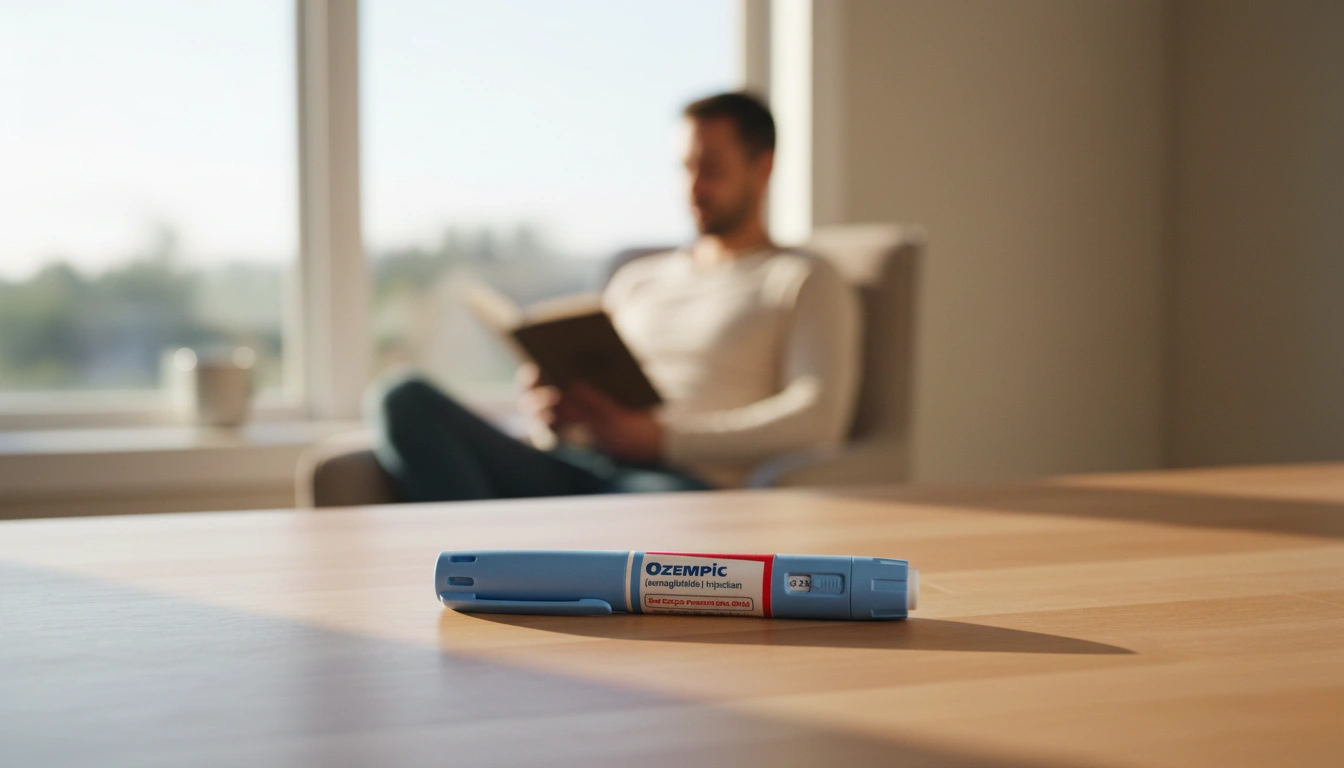
Ozempic is a prescription medication that contains the active ingredient semaglutide. It is administered through a once-weekly injection and is primarily used to improve blood sugar control in adults with type 2 diabetes. However, its appetite-suppressing properties have made it a viable option for weight loss as well.
How Does Ozempic Work?
Ozempic functions by mimicking the action of the GLP-1 hormone, which plays a crucial role in regulating appetite and food intake. Here’s how it works:
- Appetite Regulation: Ozempic reduces feelings of hunger and promotes a sensation of fullness after eating. This effect can lead to a decrease in overall calorie intake.
- Slowed Gastric Emptying: The medication slows down the rate at which food leaves your stomach, prolonging feelings of satiety and reducing the desire to snack or overeat.
- Insulin Production: Ozempic encourages the pancreas to produce more insulin when blood sugar levels are elevated, effectively helping those with type 2 diabetes.
- Glucose Production: It also reduces the amount of glucose produced by the liver, further contributing to better blood sugar control.
Benefits of Ozempic for Weight Loss
Research has shown that individuals using Ozempic for weight loss can achieve significant results. A pivotal study found that participants lost an average of 15% of their body weight over a period of 68 weeks when using semaglutide, combined with lifestyle interventions. This level of weight loss can lead to substantial health improvements, including better management of obesity-related conditions.
How Long Should You Take Ozempic for Weight Loss?
The duration for which one should take Ozempic for weight loss can vary significantly based on individual goals, health conditions, and responses to the medication. Here are some key considerations:
Initial Duration of Treatment
- Starting Dose: Typically, treatment begins with a lower dose of 0.25 mg once a week for four weeks. This gradual introduction helps mitigate potential side effects, such as nausea and gastrointestinal discomfort.
- Dose Escalation: After the initial period, the dose may be increased to 0.5 mg weekly, and subsequently up to 1 mg or higher, depending on individual tolerance and weight loss goals. This adjustment can take several weeks to months.
- Monitoring Progress: During the treatment, healthcare providers will closely monitor your weight loss progress and any side effects. Regular check-ins are essential to determine the effectiveness of the medication.
Long-Term Use
- Sustained Weight Loss: Many individuals may continue taking Ozempic for extended periods, often up to a year or more, especially if they are achieving their weight loss goals. However, the exact duration should always be determined in consultation with a healthcare provider.
- Chronic Nature of Obesity: Obesity is often a chronic condition that requires ongoing management. For many, long-term use of medications like Ozempic may be necessary to maintain weight loss and prevent weight regain.
- Research Insights: Though there is no definitive limit on how long someone can safely take Ozempic, most studies have evaluated its effects over 18 months. Continuous research is ongoing to better understand the long-term implications and efficacy of Ozempic for weight management.
Individual Factors Affecting Duration
Several factors can influence how long you may need to take Ozempic for weight loss, including:
- Personal Health Goals: Your individual weight loss objectives will play a significant role in determining the duration of treatment. Those aiming for a more substantial weight loss may require longer periods on medication.
- Response to Treatment: Everyone’s body responds differently to medications. Some individuals may experience quicker results and can potentially reduce their dosage sooner, while others may need a longer duration to see significant changes.
- Lifestyle Modifications: Incorporating healthy eating habits and regular physical activity can enhance the effectiveness of Ozempic. If lifestyle changes are implemented successfully, they may allow for a potential reduction in medication duration.
- Underlying Health Conditions: Pre-existing health issues, such as metabolic disorders or hormonal imbalances, can impact weight loss and may necessitate a longer duration on Ozempic.
The Importance of Lifestyle Changes
While Ozempic can be an effective tool for weight loss, it is vital to remember that medication alone is not a panacea. To achieve and maintain weight loss, it should be combined with sustainable lifestyle modifications.
Diet
Adopting a balanced and nutritious diet is essential in supporting your weight loss journey. Here are some dietary strategies to consider:
- Focus on Whole Foods: Prioritize whole, minimally processed foods rich in nutrients, such as fruits, vegetables, lean proteins, whole grains, and healthy fats.
- Portion Control: Being mindful of portion sizes can help manage calorie intake and promote feelings of fullness.
- Stay Hydrated: Drinking enough water throughout the day can aid digestion and help control hunger.
Exercise
Regular physical activity is a crucial component of any weight loss strategy. Consider these tips:
- Consistency is Key: Aim for at least 150 minutes of moderate-intensity aerobic exercise each week, along with strength training exercises on two or more days.
- Find Enjoyable Activities: Engaging in physical activities you enjoy can make it easier to stay consistent. Whether it’s dancing, biking, swimming, or yoga, finding joy in movement can enhance adherence.
Mental Well-Being
Weight loss journeys can be emotionally challenging. Consider these strategies to support your mental health:
- Seek Support: Engaging with support groups, nutritionists, or healthcare professionals can provide encouragement and accountability.
- Practice Mindfulness: Techniques such as meditation, deep breathing, or yoga can help manage stress and promote a positive mindset.
Potential Side Effects of Ozempic
Like any medication, Ozempic comes with potential side effects. Understanding these can help you make informed decisions about your treatment:
- Gastrointestinal Issues: Nausea, vomiting, diarrhea, and constipation are common side effects, particularly during the initial stages of treatment.
- Injection Site Reactions: Some individuals may experience redness or irritation at the injection site.
- Hypoglycemia: While less common, low blood sugar levels can occur, especially if combined with other diabetes medications.
- Pancreatitis Risk: There is a potential risk of pancreatitis; if you experience severe abdominal pain, seek medical attention immediately.
Monitoring and Consultation
Regular consultations with your healthcare provider are essential for evaluating your progress, addressing any side effects, and making necessary adjustments to your treatment plan. Together, you can determine the most appropriate duration for your Ozempic therapy, ensuring that it aligns with your health goals.
Conclusion
In summary, the duration for which you should take Ozempic for weight loss is highly individualized and can depend on various factors, including your health goals, response to treatment, and lifestyle modifications. Starting with a lower dose and gradually increasing it allows your body to adjust while maximizing the medication’s benefits. While there is no specific limit on how long you can safely take Ozempic, ongoing monitoring and consultation with your healthcare provider are critical.
Remember that combining Ozempic with sustainable lifestyle changes—such as a balanced diet, regular exercise, and mental well-being practices—will significantly enhance your weight loss journey. Together, we can explore effective strategies that support your health and well-being.
FAQ
Can I stop taking Ozempic once I reach my weight loss goal?
While it may be tempting to discontinue the medication after achieving your goal, it’s important to consult your healthcare provider. They can help you determine the best plan for maintaining your weight loss and whether continued medication is necessary.
What should I do if I experience side effects from Ozempic?
If you encounter side effects, it’s essential to communicate with your healthcare provider. They can provide guidance on managing side effects or adjusting your dosage.
How long does it take to see results from Ozempic?
Results can vary from person to person. Some individuals may start noticing changes within a few weeks, while others may take longer. Typically, significant weight loss may be observed after reaching the maintenance dose, which can take several weeks.
Is Ozempic safe for long-term use?
Current research suggests that Ozempic is safe for long-term use in individuals who tolerate it well and are under medical supervision. Your healthcare provider will monitor your progress and any potential side effects.
How can I enhance the effectiveness of Ozempic?
To maximize the benefits of Ozempic, focus on making healthy lifestyle changes, including adopting a balanced diet, engaging in regular physical activity, and managing stress levels.

Transforming Lives, One Step at a Time
Keep reading

What to Do If Your Ozempic Pen Malfunctions
You’ve set aside time for your weekly injection, you pick up the pen, and something isn’t right. Maybe the dose button won’t push down,…

Ozempic and Water Retention: What Patients Notice
Water retention on Ozempic sits in a confusing middle ground. Some patients notice puffiness or swelling, particularly in the hands, feet, or ankles, while…

Ozempic and Heartburn: Managing Acid Reflux on GLP-1
Heartburn on Ozempic tends to surprise people. You’re eating less, your meals are smaller, and yet you’re experiencing more acid reflux than before. It…


