How Long to Lose 20 Pounds on Ozempic or Semaglutide
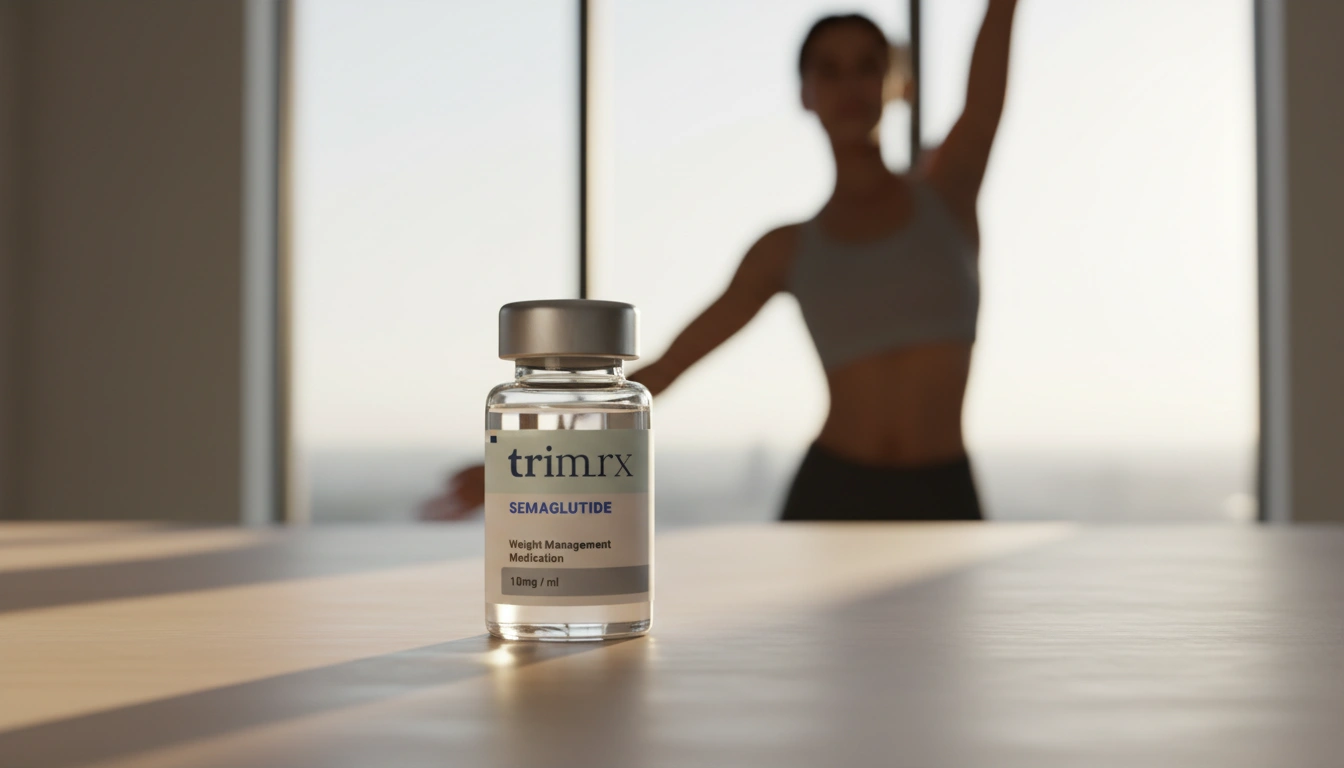
For most patients on Ozempic or semaglutide, losing 20 pounds takes somewhere between three and six months. That’s the honest answer, and the range exists because starting weight, dose, consistency, and lifestyle factors all play a role. If you’re trying to set a realistic target before starting, or wondering whether your current pace is normal, here’s what the data and clinical experience actually show.
Why the Timeline Varies
Twenty pounds means something different depending on where you start. For someone at 180 pounds, that’s about 11% of their body weight. For someone at 280 pounds, it’s roughly 7%. The clinical trials that produced semaglutide’s headline results measured percentage of body weight lost, not absolute pounds, which is why heavier patients often reach the 20-pound mark faster even if their percentage loss is the same or lower.
The STEP 1 trial showed an average loss of 14.9% of body weight over 68 weeks on 2.4mg weekly semaglutide. Patients lost weight continuously throughout the trial, but the fastest rate of loss happened in the middle months, typically months three through seven, once the dose had fully escalated and appetite suppression was well established.
That timing matters for anyone targeting 20 pounds. If you’re in the first six weeks and wondering why the scale isn’t reflecting a dramatic change yet, it’s because the medication is still ramping up. The semaglutide first week breakdown explains what’s happening in your body during that early adjustment phase.
Realistic Timelines by Starting Weight
Here’s how the math tends to work out in practice:
Starting weight 180 to 200 pounds: Losing 20 pounds represents 10% to 11% of body weight. At an average loss rate of one to one and a half pounds per week during peak months, most patients in this range reach the 20-pound mark somewhere between months four and six.
Starting weight 200 to 250 pounds: Twenty pounds is 8% to 10% of starting weight. With consistent dosing and reasonable lifestyle support, most patients hit this milestone between months three and five.
Starting weight 250 pounds and above: Twenty pounds represents less than 8% of starting weight for patients in this range, which means many reach it within the first two to three months once the dose is therapeutic. The medication’s appetite suppression effect is proportionally strong in heavier patients early on.
These aren’t guarantees. They’re patterns based on what the clinical data shows and what providers see in practice.
What Affects How Fast You Get There
Dose is the single biggest variable. Patients who escalate to a full therapeutic dose, whether that’s 1mg or 2mg on Ozempic or 2.4mg on Wegovy or an equivalent compounded semaglutide dose, lose weight faster than those who stay at starter doses. The 0.25mg starting dose is not a weight loss dose. It’s a tolerability dose. If your provider keeps you at a low dose indefinitely without a clinical reason, that conversation is worth having.
Protein intake changes the composition of what you lose. Semaglutide suppresses appetite broadly, and patients who don’t eat enough protein can lose muscle alongside fat. Muscle loss slows metabolism, which slows weight loss. Patients who hit 100 grams or more of protein daily consistently tend to reach milestones faster and look better when they get there.
Movement accelerates the timeline meaningfully. You don’t need to train for a marathon. Adding 20 to 30 minutes of walking most days can add one to two pounds of additional monthly loss compared to sedentary patients on the same dose.
Consistency with injections. Weekly dosing on a consistent schedule keeps plasma concentration stable. Patients who miss doses or shift injection days by several days regularly lose the steady-state benefit of the medication.
A Realistic Patient Scenario
Let’s say a patient starts compounded semaglutide at 235 pounds. They begin at 0.25mg, escalate on the standard schedule, and reach 1mg by month three. They’re eating roughly 110 grams of protein daily and walking four days a week.
By month two, they’re down about eight pounds. By month four, they’ve crossed the 20-pound mark and are sitting at 214 pounds. That’s a realistic four-month timeline for a patient in this weight range who is consistent and has escalated appropriately.
Now take a patient who starts at 185 pounds and stays at a lower dose due to mild nausea. They’re losing about half a pound to one pound per week. For them, 20 pounds might take five to six months. Still achievable, just slower.
What the Scale Doesn’t Always Show
One thing patients sometimes miss: the scale can stay flat for a week or two even when fat loss is happening. Water retention, muscle gain from new exercise, hormonal fluctuations, and GI changes from the medication itself can all mask real progress in the short term.
Patients who track measurements alongside weight, waist circumference, clothing fit, and how they feel physically, get a more accurate picture of what’s happening. If the scale stalls for two weeks but your clothes are looser, that’s not a plateau. That’s normal fluctuation.
For patients who hit a genuine wall before reaching their goal, the Ozempic weight loss plateau article covers the most common causes and what tends to break them.
Comparing Your Pace to the Data
If you’re wondering whether you’re ahead of, behind, or on par with what the research shows, the Ozempic results at 3 months and Ozempic results at 6 months articles give you concrete benchmarks to compare against. Most patients find that seeing where they land relative to trial averages puts their own progress in useful perspective.
Twenty pounds is an achievable goal for the majority of patients who start semaglutide and stay consistent. The timeline depends on your starting point and how aggressively you can dose, but three to six months is a realistic window for most people. If you’re ready to find out whether you’re a candidate, take the intake assessment and connect with a provider who can build a plan around your specific goals.
This information is for educational purposes and is not medical advice. Consult with a healthcare provider before starting any medication. Individual results may vary.

Transforming Lives, One Step at a Time
Keep reading

Real Semaglutide Results: What Patients Actually Lose
Real semaglutide results vary more than most people expect, but the clinical data gives a clear picture of what’s typical. In the STEP trials,…

How Fast Does Semaglutide Work: Early Signs It’s Working
Semaglutide begins acting in your body within the first 24 to 48 hours of your initial injection, but the effects most people care about,…

Creatine on Semaglutide: Does It Help Preserve Muscle
One of the most practical questions people ask once they’re a few months into semaglutide treatment is how to protect their muscle mass while…


