How Many Calories Should I Eat on Zepbound?
Introduction
Starting a journey with Zepbound® can feel like a major turning point, especially if you have spent years struggling with traditional dieting. One of the most striking changes people notice is the sudden “quieting” of food noise—those intrusive thoughts about the next meal or persistent cravings. While this relief is a key part of how the medication works, it often leaves users with a new, confusing question: if I am not hungry, how many calories should I actually be eating? At TrimRx, we believe that medication is most effective when paired with a clear, sustainable nutritional strategy. This post will explore how to determine your ideal caloric intake while using tirzepatide (the active ingredient in Zepbound), the importance of nutrient density, and how to fuel your body correctly to protect your muscle mass and metabolic health. Finding the right balance is essential for long-term success.
For additional guidance on building meals around protein, fiber, and whole foods, review what to eat while taking a GLP-1 medication.
The Science of Caloric Needs on Tirzepatide
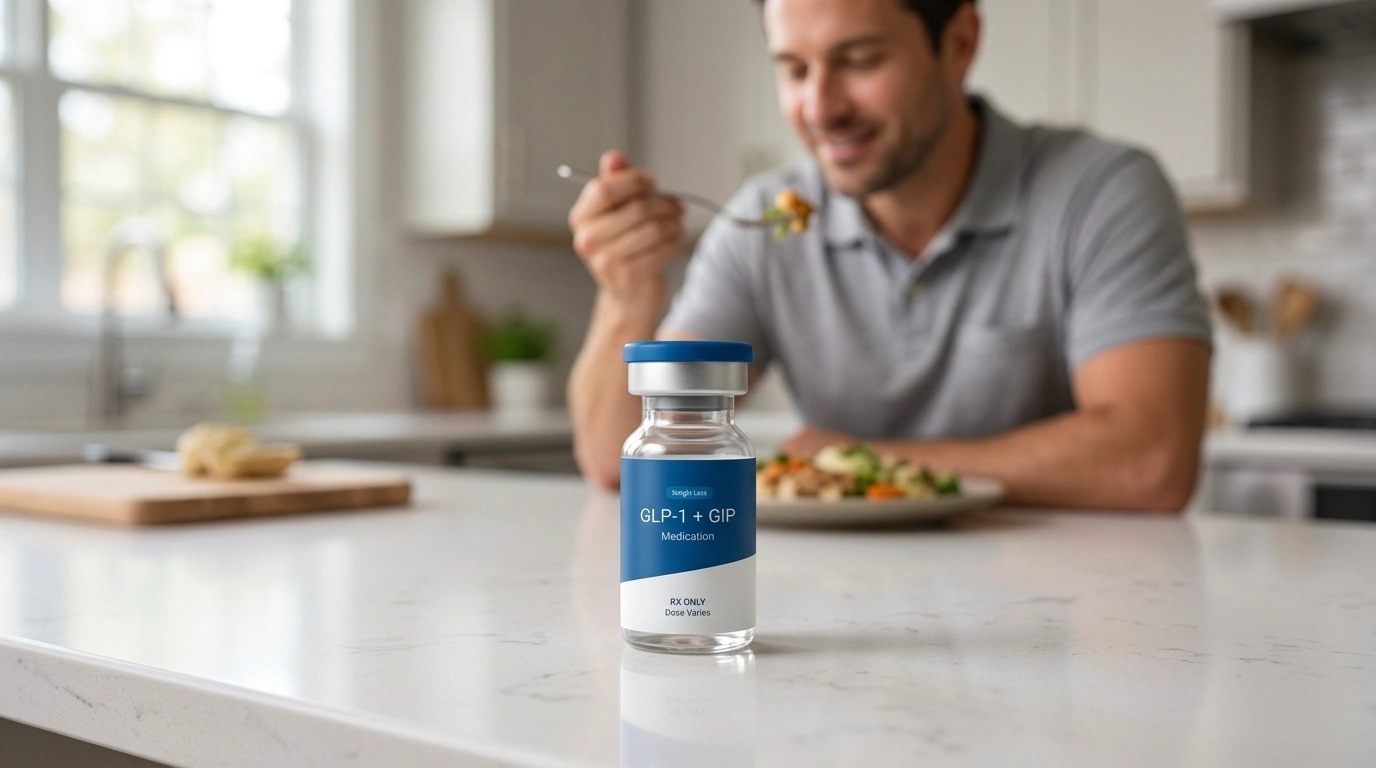
To understand how many calories you need, it is helpful to first understand how Zepbound® functions in your body. This medication is a dual receptor agonist, meaning it mimics two different hormones: glucagon-like peptide-1 (GLP-1) and glucose-dependent insulinotropic polypeptide (GIP). Together, these hormones slow down the rate at which your stomach empties and signal your brain that you are full.
Because your digestion moves slower and your brain receives stronger satiety signals, your natural caloric intake often drops significantly without much effort. However, “eating as little as possible” is rarely the right strategy. Weight loss is a metabolic process, and your body requires a baseline amount of energy to maintain vital functions like heart rate, brain activity, and cellular repair.
Defining Your Baseline
Your Basal Metabolic Rate (BMR) is the number of calories your body burns just to stay alive at rest. When you add in daily movement and exercise, you get your Total Daily Energy Expenditure (TDEE). To lose weight, you generally need to consume fewer calories than your TDEE, but usually not fewer than your BMR.
Quick Answer: Most individuals on Zepbound® find success by consuming between 1,200 and 1,800 calories per day, depending on their starting weight, sex, and activity level. However, the best approach is a personalized one that focuses on a 500 to 750 calorie deficit from your maintenance level.
If you are considering prescription support, you can complete a free eligibility assessment to discuss your goals and health profile with a provider.
Why Quality Matters More Than Quantity
When your appetite is suppressed, every bite you take carries more weight. You have less “room” in your daily intake for empty calories, which means nutritional density becomes your highest priority. On a medication like tirzepatide, the goal is not just to see a lower number on the scale, but to ensure that the weight you lose comes primarily from fat, not muscle.
The Priority of Protein
Protein is the most critical macronutrient when using GLP-1 or GIP medications. When you lose weight rapidly, your body may attempt to break down muscle tissue for energy. Consuming adequate protein helps signal your body to preserve muscle. Muscle is metabolically active, meaning it helps you burn more calories even when you are resting.
- Aim for a target: Many providers recommend 0.8 to 1.2 grams of protein per kilogram of body weight.
- Source variety: Focus on lean meats, fish, eggs, tofu, beans, and low-fat dairy.
- Support: If you find it difficult to meet these needs through whole foods alone, targeted metabolic support during weight loss may fit into your routine.
For more detailed guidance, read about vitamins and nutritional support while using GLP-1 medications.
The Importance of Fiber
Side effects like constipation are common when starting these medications because of slowed gastric emptying. Fiber acts as a natural regulator for your digestive system.
- Soluble fiber: Found in oats, beans, and apples, it helps manage blood sugar levels.
- Insoluble fiber: Found in whole grains and vegetables, it helps move food through the digestive tract.
For a closer look at the connection between tirzepatide and digestion, explore why tirzepatide can cause constipation.
Healthy Fats and Complex Carbohydrates
While protein is the star of the show, your body still needs healthy fats for hormone production and complex carbohydrates for sustained energy. Focus on “slow-burning” carbs like quinoa, sweet potatoes, and berries, which provide energy without causing sharp spikes in blood sugar.
The Risks of Undereating
It may seem counterintuitive, but eating too little can actually stall your progress. This is one of the most common pitfalls for those new to Zepbound®. When you consistently consume fewer than 1,000 to 1,200 calories, your body may enter a state of metabolic adaptation, often referred to as “starvation mode.”
When you undereat, the following can occur:
- Metabolic Slowdown: Your body becomes more efficient at holding onto fat because it thinks food is scarce.
- Hair Thinning and Brittle Nails: These are signs that your body is redirecting limited nutrients away from “non-essential” systems.
- Severe Fatigue: Without enough fuel, your workouts will suffer, and your daily energy levels will crater.
- Gallstones: Rapid weight loss caused by extreme caloric restriction can increase the risk of gallbladder issues.
Key Takeaway: Sustainable weight loss is a marathon, not a sprint. Consuming enough calories to fuel your daily life ensures that your metabolism remains healthy and your weight loss stays consistent over time.
Managing Side Effects with Meal Timing
How you eat can be just as important as how much you eat. Because Zepbound® slows digestion, eating a large, heavy meal can lead to significant discomfort, including nausea, bloating, and heartburn.
For more practical guidance, read about common GLP-1 side effects and management strategies.
Small, Frequent Meals
Instead of the traditional “three big meals a day,” many people find success with five or six smaller “mini-meals.” This prevents the stomach from becoming overly full and helps maintain a steady level of energy throughout the day.
Avoid Late-Night Eating
Because food stays in your stomach longer, lying down shortly after eating can trigger acid reflux. Try to finish your last meal at least two to three hours before bedtime.
Hydration is Non-Negotiable
Tirzepatide can sometimes mask thirst signals. Dehydration can mimic the feeling of hunger and worsen side effects like headaches and constipation. Aim for at least 80 to 100 ounces of water daily. If you are active, consider adding electrolytes to your routine.
Note: If you experience persistent or severe nausea that prevents you from eating even small amounts, it is vital to consult your healthcare provider to discuss your dosage or management strategies.
Tracking Your Intake: Is It Necessary?
For some, tracking every calorie in an app feels restrictive. For others, it provides a sense of security. On Zepbound®, tracking can be a useful tool for a different reason: ensuring you are eating enough.
If you are not feeling hungry, it is very easy to go an entire day on 800 calories without realizing it. Using a tracker for the first few weeks can help you calibrate your new “normal” and ensure you are hitting your protein and fiber goals. Once you have a good handle on what a balanced day looks like, you may find you can transition to more intuitive eating.
You can also learn more about tracking progress on semaglutide or tirzepatide.
Creating a Personalized Plan with TrimRx
Every person’s body responds differently to medication and caloric deficits. Factors like your age, activity level, and medical history play a massive role in determining your specific needs. This is why a “one-size-fits-all” approach often fails.
At TrimRx, we focus on a telehealth-first model that prioritizes your individual health profile. When you work through our platform, you are not just getting a prescription; you are engaging with a system designed to support your metabolic health through every stage of the process. Our licensed providers help monitor your progress and can offer guidance on adjusting your lifestyle to match the medication’s effects.
How to get started:
- Complete the Assessment: Take the free online health quiz to share your goals and medical history.
- Provider Review: A licensed healthcare provider reviews your profile to determine if a GLP-1 or GIP medication is right for you.
- Personalized Care: If approved, you receive a treatment plan tailored to your needs, with medications shipped directly from FDA-registered compounding pharmacies to your door.
Nutritional Comparison for Weight Loss Support
| Nutrient | Importance on Zepbound® | Recommended Sources |
|---|---|---|
| Protein | Very High (Prevents muscle loss) | Lean chicken, Greek yogurt, lentils, protein shakes |
| Fiber | High (Manages digestion) | Chia seeds, broccoli, raspberries, oats |
| Healthy Fats | Moderate (Hormone health) | Avocado, walnuts, olive oil |
| Hydration | Essential (Reduces side effects) | Water, herbal tea, electrolyte supplements |
Signs You Need to Adjust Your Calories
Your body will give you signals if your caloric intake is off-balance. Learning to listen to these signals is part of the journey.
Signs You Are Eating Too Much
- Persistent nausea or vomiting after meals.
- Extreme bloating or a feeling of “heaviness” in the stomach.
- Weight loss has stalled for more than four weeks despite being on a therapeutic dose.
Signs You Are Eating Too Little
- You feel lightheaded or dizzy when standing up.
- You are experiencing “brain fog” or difficulty concentrating.
- You feel excessively cold, even in warm environments.
- Your hair is shedding more than usual.
Bottom line: Your caloric needs will evolve as you lose weight. Regular check-ins with a healthcare professional can help you adjust your targets to ensure you are always losing weight in a healthy, supported manner.
Practical Steps for Daily Success
If you are struggling to find the right rhythm, follow these steps to build a solid nutritional foundation while on Zepbound®.
- Step 1: Prioritize Protein First. / Always eat your protein source before your carbohydrates or fats. This ensures you hit your muscle-building targets before you get too full.
- Step 2: Schedule Your Water. / Drink a glass of water upon waking and before every mini-meal to stay ahead of dehydration.
- Step 3: Keep a Simple Log. / Note down what you eat and how you feel two hours later. This helps you identify which foods trigger side effects.
- Step 4: Supplement Wisely. / Use targeted supports like Weight Loss Boost or GLP-1 Daily Support if you feel your diet is lacking in specific micronutrients.
For additional educational guidance, review supplements to consider or avoid on GLP-1 medications.
Conclusion
Determining how many calories to eat on Zepbound® is less about hitting a magic number and more about providing your body with high-quality fuel while the medication manages your hunger. By focusing on protein, staying hydrated, and avoiding the trap of extreme caloric restriction, you set yourself up for a transformation that is both healthy and permanent. TrimRx is here to be your partner in this process, offering the clinical expertise and personalized programs necessary to navigate the complexities of metabolic health. We believe in a transparent, science-backed approach that empowers you to take control of your wellness journey without the stress of waiting rooms or hidden fees.
Key Takeaway: Success on Zepbound® is a partnership between the medication and your daily choices. Aim for a moderate deficit, prioritize protein, and listen to your body’s signals to achieve the best results.
If you are ready to see if a personalized weight loss program is right for you, the first step is simple. Find out if GLP-1 medications are right for you and begin your journey toward a healthier lifestyle with professional, medical supervision.
FAQ
What happens if I don’t eat enough while taking Zepbound?
If you consistently eat too little, your body may lose significant muscle mass and your metabolism may slow down, making it harder to maintain weight loss later. You may also experience severe fatigue, hair loss, and dizziness. It is important to aim for at least 1,200 calories unless otherwise directed by a healthcare provider.
Can I eat “junk food” as long as I stay under my calorie goal?
While you might still lose weight due to the caloric deficit, eating highly processed or greasy foods can significantly worsen side effects like nausea and diarrhea. Furthermore, “junk food” lacks the protein and fiber your body needs to preserve muscle and maintain digestive health while on the medication.
How do I know if my calorie target is correct for me?
A correct calorie target should result in a steady weight loss of 1 to 2 pounds per week without causing extreme weakness or constant hunger. If you are not losing weight or if you feel too ill to function, you should consult with your provider to adjust your nutritional plan or medication dosage.
Do I need to count calories every day?
You do not necessarily need to count calories forever, but doing so in the beginning can be very helpful. Because Zepbound® changes your hunger cues, tracking ensures you are meeting your minimum caloric and protein requirements to stay healthy.
If you are ready to discuss whether a personalized prescription program fits your goals, complete the free assessment.
Disclaimer: This content is for informational purposes only and does not constitute medical advice. It is not intended to diagnose, treat, cure, or prevent any disease or condition. Individual results may vary. Always consult a qualified healthcare professional before starting any weight loss program or medication.

Transforming Lives, One Step at a Time
Keep reading

Mounjaro Alternatives: What Else to Consider
If Mounjaro isn’t the right fit, the closest alternatives are other GLP-1 medications, chiefly semaglutide (Ozempic for diabetes, Wegovy for weight), along with a…

Mounjaro vs Zepbound: Same Drug, Two Brands
Like their semaglutide counterparts, Mounjaro and Zepbound are the same medication (tirzepatide) sold under two names for two purposes: Mounjaro is approved for type…

Retatrutide vs Mounjaro: Triple Agonist vs Dual Agonist
The core difference between retatrutide and Mounjaro comes down to how many hormone targets each hits: retatrutide activates three receptors, while Mounjaro (tirzepatide) activates…


