How Many Calories Should You Eat on GLP-1 Medications?

Introduction
Finding the right balance of food while taking weight loss medication can feel like a secondary job. You might have spent years tracking every morsel, only to find that the rules change when you begin a GLP-1 (glucagon-like peptide-1) receptor agonist. These medications, which include options like Compounded Semaglutide or branded versions such as Ozempic® and Wegovy®, fundamentally alter how your body signals hunger and processes energy. At TrimRx, we believe that understanding the “how much” is just as important as the “what” when it comes to long-term metabolic health.
This post covers the clinical standards for caloric intake, how to calculate your specific needs, and why nutrient density matters more than ever when your appetite is suppressed. Our goal is to provide a clear roadmap for your nutritional journey while on a personalized weight loss program. If you’re ready to see whether prescription support is a fit, take the free assessment quiz to start the process.
To better understand the hormone behind these medications, start with What Is GLP-1? A 2026 Breakdown from Our Medical Experts. While the medication handles the “food noise,” your daily choices provide the fuel for a sustainable transformation.
The Science of Calories and GLP-1 Medications
GLP-1 medications work by mimicking a natural hormone in your body that regulates appetite and blood sugar. When you take a medication like Compounded Tirzepatide or Zepbound®, your digestion slows down—a process called delayed gastric emptying. This means you feel full longer after eating smaller portions. Additionally, the medication communicates with the brain’s reward centers to reduce cravings, often referred to as “food noise.”
For a clearer look at the mechanism behind that response, read What Does GLP-1 Do? A 2026 Look at This Game-Changing Hormone. Because your body is being signaled to feel satisfied with less, your caloric intake will naturally drop. However, “eating as little as possible” is not the clinical goal. To lose weight safely and keep it off, your body still requires a baseline of energy to maintain vital organ function, metabolic rate, and muscle mass.
Quick Answer: Most clinical trials for GLP-1 medications suggest a daily caloric deficit of approximately 500 calories below your total daily energy expenditure (TDEE). For many adults, this results in a daily intake ranging between 1,200 and 1,500 calories, though this must be personalized based on your starting weight, activity level, and medical history.
Calculating Your Ideal Caloric Intake
Determining the exact number of calories you should consume requires looking at your body’s specific requirements. There is no universal number that fits every person, as a 6-foot-tall individual with a high activity level will require more fuel than someone shorter with a sedentary lifestyle.
Understanding the 500-Calorie Deficit
Clinical research, including major trials for medications like Mounjaro®, has often utilized a 500-calorie daily deficit as the standard for participants. A deficit of 500 calories per day typically leads to a weight loss of about one pound per week, which is considered safe and sustainable.
To see how that biology translates into real-world results over time, review How GLP-1 Actually Works for Weight Loss: The 2026 Breakdown. To find this number, you first need to estimate your Total Daily Energy Expenditure (TDEE). This is the sum of calories your body burns just staying alive plus the calories burned through movement and exercise. Once you have that estimate, subtracting 500 calories provides a target that encourages the body to use stored fat for energy without triggering a “starvation response” that could slow your metabolism.
Why One Size Does Not Fit All
Your caloric needs will shift as you lose weight and as your medication dosage changes. For an individual starting with a BMI over 30, the initial caloric requirement might be higher to support their current body mass. As the weight comes off, the body requires less energy to move and function, meaning the “maintenance” number drops.
We emphasize a personalized approach because a caloric intake that is too low can lead to significant fatigue, hair thinning, and muscle wasting. Conversely, eating too much can override the medication’s effects and lead to gastrointestinal discomfort.
Key Takeaway: Aim for a steady, moderate deficit rather than an extreme one. A 500-calorie reduction from your maintenance level supports fat loss while providing enough energy for your daily life and exercise.
Prioritizing Nutrient Density Over Just Numbers
When you are eating significantly less food, the quality of every bite becomes paramount. You can no longer rely on high-volume eating to get your essential vitamins and minerals. This shift from quantity to quality is known as prioritizing nutrient density.
The Role of Protein in Preserving Muscle
Consuming adequate protein is the most critical dietary requirement while on a GLP-1 program. Rapid weight loss often carries the risk of losing muscle tissue alongside fat. Muscle is metabolically active; the more of it you keep, the higher your resting metabolic rate remains.
If you want a deeper dive into protein choices, see What Protein Is Best for Weight Loss? Our Unfiltered Take. Research suggests that individuals on GLP-1 medications should aim for approximately 1.2 grams of protein per kilogram of body weight. For someone weighing 180 pounds, this translates to roughly 98 grams of protein per day.
- Lean Poultry: Chicken breast and turkey are excellent low-calorie, high-protein options.
- Seafood: White fish, salmon, and shrimp provide protein and healthy fats.
- Plant-Based Options: Tofu, tempeh, lentils, and beans offer protein along with necessary fiber.
- Dairy: Greek yogurt and cottage cheese are easy, protein-dense snacks.
Fiber and Digestive Health
Because GLP-1 medications slow down the digestive system, constipation is a common side effect. Fiber is essential for keeping the digestive tract moving and supporting a healthy gut microbiome.
Aim for 25 to 30 grams of fiber per day. Good sources include leafy greens, berries, chia seeds, and whole grains. If you find it difficult to meet these targets through food alone, GLP-1 Daily Support supplement can help fill the gaps and support overall metabolic health.
Managing Appetite Suppression and Under-Eating
A unique challenge of medications like Compounded Semaglutide is that you may genuinely forget to eat. While this sounds like a “problem” many would want to have, chronic under-eating can stall your progress.
If your weight loss seems to flatten out after a period of very low intake, plateau problems when weight loss stalls are often tied to the body adapting to reduced calories. If you consume fewer than 1,000 to 1,200 calories daily for an extended period, your body may begin to conserve energy, making further weight loss more difficult. You may also experience “brain fog,” irritability, and physical weakness. If you find your appetite is so suppressed that you cannot finish a small meal, it is important to speak with your healthcare provider. They may suggest adjusting your dose or changing your meal timing.
Signs You Are Not Eating Enough:
- Persistent dizziness or lightheadedness when standing up.
- Extreme fatigue that prevents you from completing a 20-minute walk.
- Feeling cold all the time, especially in your hands and feet.
- Noticeable thinning of hair or brittle nails.
- Frequent headaches that resolve after eating.
Practical Eating Strategies for Success
To reach your caloric goals without feeling overwhelmed by food, you may need to change how you structure your day. The traditional “three large meals” approach often leads to discomfort when taking GLP-1 medications.
Small, Frequent Meals
Breaking your daily intake into five or six small snacks or “mini-meals” can prevent the nausea often associated with a full stomach. For example, instead of a large lunch, you might have a small turkey wrap at noon and a handful of almonds with a piece of fruit at 2:30 PM. This keeps your blood sugar stable and ensures you are getting a steady stream of nutrients without overtaxing your slowed digestive system.
Hydration and Thirst Signals
GLP-1s can also dampen your sense of thirst. Dehydration is a common cause of fatigue and can mimic the feeling of hunger or nausea. Aim to drink 80 to 100 ounces of water daily.
If plain water is unappealing, consider herbal teas or water infused with cucumber and mint. Avoid drinking large amounts of liquid during your meals, as this can fill up your stomach too quickly and prevent you from eating your protein and vegetables.
Action Steps for Daily Success:
- Track for Awareness: Use a digital tool for at least one week to see if you are hitting your protein and fiber targets.
- Meal Prep: Have lean proteins and washed vegetables ready to go so you don’t skip meals when you aren’t feeling hungry.
- Listen to Fullness: Stop eating the moment you feel a “sigh” of satisfaction. Pushing past this point on a GLP-1 often leads to indigestion.
- Supplement Wisely: Use a product like Weight Loss Boost supplement to ensure you are supporting your energy levels while in a caloric deficit.
What to Avoid While on GLP-1 Therapy
While no food is strictly “off-limits” in a balanced program, certain types of food are much harder for the body to process when digestion is slowed down. These can lead to side effects like heartburn, bloating, and sulfur-smelling burps.
Greasy, fried, and highly processed foods should be minimized. Because they take longer to break down, they sit in the stomach for an extended period, often leading to significant nausea. Similarly, high-sugar foods can cause rapid spikes and drops in blood sugar, which may counteract the stabilizing effects of the medication.
Alcohol should also be consumed with caution. Many people find that their tolerance for alcohol decreases significantly on GLP-1 medications. Furthermore, alcohol provides “empty calories” that offer no nutritional value, making it harder to reach your protein goals within your limited caloric budget.
Bottom line: Focus your limited “stomach real estate” on high-quality proteins and fiber-rich vegetables to maximize weight loss and minimize side effects.
The Role of Personalized Supervision
The journey toward your goal weight is not a straight line. Your caloric needs during the first month may look very different from your needs in month six. This is why a telehealth-based program is so effective; it allows for ongoing adjustments based on how your body is responding.
If you want to understand the ordering process from start to finish, How to Order GLP-1 Medications for Effective Weight Loss is a helpful next read. We provide access to licensed providers who can help you navigate these nuances. Whether you are using a branded medication or a compounded option prepared by an FDA-registered, inspected compounding pharmacy, having a dedicated team ensures you aren’t guessing at your caloric needs.
Conclusion
Determining how many calories to eat while on a GLP-1 medication is a balance between science and intuition. While a 500-calorie deficit is a helpful clinical benchmark, the true focus should be on nourishing your body with high-quality protein and fiber. By listening to your body’s new fullness signals and prioritizing nutrient-dense foods, you can achieve sustainable weight loss without the constant hunger of traditional dieting.
At TrimRx, our mission is to help you embrace a healthier lifestyle through a transparent, science-backed approach. We merge clinical expertise with modern technology to deliver personalized programs that fit your life. Whether you are looking for medical supervision or targeted supplements to boost your results, we are here to support every step of your metabolic health journey.
Next Step: Ready to find your personalized path? See if you qualify for a personalized program.
FAQ
How do I know if I’m eating enough calories on semaglutide?
If you have steady energy throughout the day, are losing weight at a rate of 1-2 pounds per week, and aren’t experiencing extreme dizziness or hair loss, you are likely hitting a healthy caloric range. If you feel constantly depleted or your weight loss has completely stalled for several weeks, it may be time to reassess your intake with a healthcare provider. For a deeper look at long-term tolerability, Semaglutide Side Effects Long Term: A Complete Guide from TrimRX can help you understand what to watch for.
Can I just stop eating if I’m not hungry on GLP-1s?
No, it is important to consume a baseline level of calories (usually at least 1,200 for most adults) to prevent muscle loss and metabolic slowing. Even if you don’t feel “hungry” in the traditional sense, your body still requires essential amino acids and micronutrients to function safely.
Why is protein so important when I’m eating fewer calories?
When you are in a caloric deficit, your body looks for energy sources, and it may break down muscle tissue if you aren’t consuming enough protein. Maintaining muscle is vital for keeping your metabolism high and ensuring that the weight you lose comes primarily from fat stores.
Should I count “net carbs” or focus on total calories?
While total calories and protein intake are the most important metrics on a GLP-1, focusing on high-fiber carbohydrates is more beneficial than just tracking net carbs. Fiber helps manage the gastrointestinal side effects of the medication and keeps you feeling satisfied for longer periods.
Disclaimer: This content is for informational purposes only and does not constitute medical advice. It is not intended to diagnose, treat, cure, or prevent any disease or condition. Individual results may vary. Always consult a qualified healthcare professional before starting any weight loss program or medication.

Transforming Lives, One Step at a Time
Keep reading
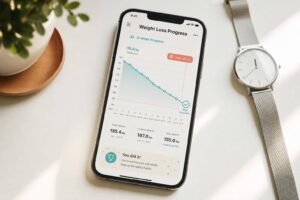
Weight Loss Progress Tracker
Track your weight loss over time, see progress clearly, and stay motivated with simple charts, summaries, and goal-based insights.
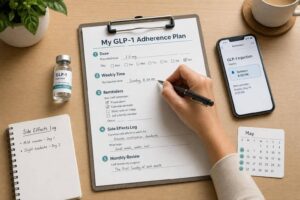
How to Create a Personalized Adherence Plan
Build a one-page GLP-1 adherence plan: record dose, pick a weekly time, set reminders, log side effects, and review monthly.

Weight Loss Medication Dosage Calculator
Estimate weight loss medication doses by weight and drug type, with starting guidance, dose progression info, and a clear medical disclaimer.


