How Does Mounjaro Suppress Appetite?
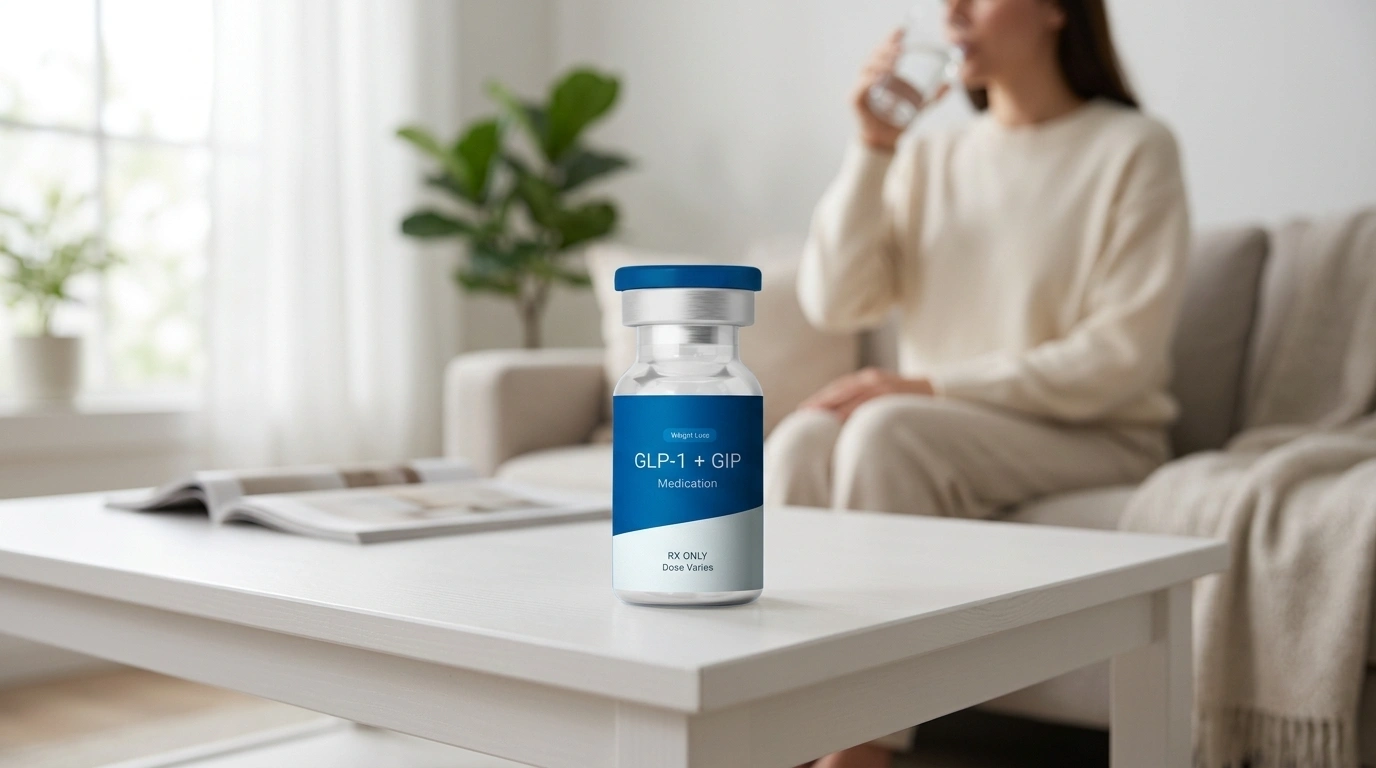
Table of Contents
- Introduction
- The Science of Dual Agonism
- How the Brain Receives Fullness Signals
- Slowing Down Digestion
- The Role of Blood Sugar Regulation
- Comparing Dual Action to Single Action
- The Sensation of “Food Noise” Reduction
- Managing the Transition and Side Effects
- Why Personalization Matters
- Steps to Starting Your Journey
- The Role of Nutrition and Lifestyle
- Bottom Line: A Tool for Change
- FAQ
Introduction
Finding a way to stop the constant cycle of hunger and cravings can feel like an uphill battle. For many, the challenge isn’t a lack of willpower; it is a biological struggle against a body that constantly signals for more food. This persistent “food noise” can make traditional dieting feel nearly impossible. Mounjaro®, a branded medication containing the active ingredient tirzepatide, has become a focal point in the conversation about metabolic health because of its unique ability to quiet these signals. If you’re curious whether a personalized program is a fit, you can take the free assessment quiz. At TrimRx, we focus on helping individuals navigate these advanced medical options through personalized, telehealth-based programs that address the root causes of weight management. This article will detail the biological mechanisms behind how this medication interacts with your brain and digestive system to reduce hunger. By understanding the science of hormone signaling and gastric emptying, you can better prepare for a journey toward sustainable health.
The Science of Dual Agonism
To understand how this medication works, it is essential to first understand the role of incretin hormones. Incretins are natural hormones released by the gut after eating. They tell the body to produce insulin and signal the brain that you are full. Most older weight loss medications focused on a single hormone called glucagon-like peptide-1 (GLP-1). Tirzepatide, the active ingredient in Mounjaro®, is unique because it is a dual agonist.
A dual agonist acts on two different hormone receptors instead of just one. In this case, it targets both the GLP-1 receptor and the glucose-dependent insulinotropic polypeptide (GIP) receptor. This “twincretin” approach is designed to mimic the body’s natural processes more effectively than a single-hormone approach. For a deeper explanation of that mechanism, see our tirzepatide mechanism of action guide. While GLP-1 is well-known for its role in appetite and digestion, GIP is believed to play a significant role in how the body breaks down fat and responds to nutrients.
Key Takeaway: Tirzepatide is a dual agonist that mimics two natural hormones, GLP-1 and GIP, to provide a multi-layered approach to hunger suppression and metabolic regulation.
How the Brain Receives Fullness Signals
One of the most significant ways this medication suppresses appetite is by communicating directly with the brain. The hypothalamus is the region of the brain responsible for regulating energy balance, hunger, and thirst. It acts like a control center, receiving signals from the rest of the body to determine when you need to eat and when you have had enough.
Tirzepatide crosses into areas of the brain that control appetite and binds to receptors there. When these receptors are activated, they send a powerful signal of satiety, or fullness. This does more than just make you feel full after a meal; it often reduces the intrusive thoughts about food that many people experience throughout the day. Our article on tirzepatide food noise breaks down why that mental quiet can feel so noticeable. This reduction in “food noise” allows individuals to make more conscious, health-focused food choices without feeling like they are constantly fighting their own biology.
Impact on the Reward System
Beyond the basic signals of hunger, the brain also has a reward system that makes certain foods—especially those high in sugar and fat—feel pleasurable. This is often what leads to emotional eating or cravings. Research suggests that GLP-1 and GIP receptor agonists may influence these reward pathways. By dampening the dopamine response associated with highly palatable foods, the medication can make it easier to stop eating when full and reduce the urge to snack between meals.
Slowing Down Digestion
While the brain handles the mental aspect of hunger, the stomach manages the physical sensation of fullness. This medication influences a process called gastric emptying. This is the rate at which food leaves the stomach and enters the small intestine.
When you take a medication like tirzepatide, the movement of food through your digestive tract slows down significantly. If you want a closer look at that timing, our post on how fast tirzepatide works explains what many patients notice early on. Delayed gastric emptying means that food stays in your stomach for a longer period. Because the stomach remains distended (stretched) for longer, the physical “stretch receptors” in the stomach wall continue to send signals to the brain that the body is still full.
- Prolonged Satiety: You feel satisfied for several hours after a meal.
- Reduced Portion Sizes: Because the stomach empties slowly, you may find that you feel full much sooner than you used to.
- Steady Energy: Slower digestion leads to a more gradual release of glucose into the bloodstream, avoiding the spikes and crashes that often trigger “rebound hunger.”
Quick Answer: Mounjaro® suppresses appetite by mimicking GLP-1 and GIP hormones, which signal the brain’s hunger centers to feel full while simultaneously slowing down the rate at which the stomach empties food.
The Role of Blood Sugar Regulation
Appetite is closely tied to how the body manages blood sugar. When blood sugar levels drop rapidly, the brain triggers an intense hunger response to prevent hypoglycemia (low blood sugar). This often leads to cravings for quick energy sources, like refined carbohydrates and sugars.
Tirzepatide improves the body’s insulin sensitivity. It stimulates the pancreas to release insulin only when blood sugar is high (such as after a meal) and prevents the liver from making too much glucose. By stabilizing blood sugar levels, the medication prevents the “sugar crashes” that often lead to overeating. When your energy levels are stable, your appetite remains more predictable and manageable.
Hormonal Balance: Insulin and Glucagon
The medication also suppresses the release of glucagon. Glucagon is a hormone that normally tells the liver to release stored sugar into the blood. By keeping glucagon levels in check, the medication helps maintain a steady state of glucose. This hormonal balance is a key pillar of metabolic health, as it allows the body to transition from constantly seeking fuel (hunger) to utilizing its own stored energy.
Comparing Dual Action to Single Action
It is helpful to understand how tirzepatide differs from other popular medications like Wegovy® or Ozempic®, which contain semaglutide. While semaglutide is a highly effective GLP-1 receptor agonist, it does not target the GIP receptor.
For a broader look at the mental side of appetite changes, read our piece on how GLP-1 medications quiet food noise and transform eating habits.
| Feature | Semaglutide (e.g., Wegovy®) | Tirzepatide (e.g., Mounjaro®) |
|---|---|---|
| Hormone Targets | GLP-1 only | GLP-1 and GIP |
| Mechanism | Brain signaling + Gastric emptying | Brain signaling + Gastric emptying + Enhanced fat metabolism |
| Administration | Once-weekly injection | Once-weekly injection |
| Primary Effect | Appetite suppression | Enhanced appetite suppression and metabolic efficiency |
Research suggests that the addition of the GIP component may help further reduce appetite and potentially improve how the body handles fat cells. At TrimRx, we understand that every individual’s metabolic profile is different, which is why a personalized approach to selecting the right medication is vital.
The Sensation of “Food Noise” Reduction
Many patients describe the most significant change not as a “lack of hunger,” but as the “quieting of the mind.” In the context of weight management, food noise refers to the constant, intrusive thoughts about what the next meal will be, cravings for specific snacks, or the inability to stop thinking about food even after eating.
By targeting the brain’s receptors, tirzepatide helps switch these background thoughts off. This mental clarity is often what allows people to successfully implement lifestyle changes. When you are no longer preoccupied with food, it becomes easier to focus on nutrient-dense meals, regular physical activity, and other healthy habits that support long-term success.
Key Takeaway: The dual-action mechanism of tirzepatide doesn’t just make the stomach feel full; it fundamentally changes the neurological relationship with food by reducing cravings and intrusive food-related thoughts.
Managing the Transition and Side Effects
Because this medication slows down digestion and changes hormone signaling, the body needs time to adjust. The most common side effects are related to the gastrointestinal system, as the body adapts to slower gastric emptying.
If you want a practical overview of what patients often experience, our guide to common GLP-1 side effects covers the early adjustment period in more detail.
Common side effects may include:
- Nausea
- Occasional vomiting
- Diarrhea or constipation
- Indigestion or heartburn
Most of these symptoms are mild to moderate and typically occur when the dosage is increased. To help manage these shifts, many people find success by eating smaller, more frequent meals and focusing on hydration. We often recommend specific supplements, such as our GLP-1 Daily Support supplement, to help maintain nutrient balance and support digestive comfort during this transition.
Note: If you experience severe abdominal pain, persistent vomiting, or other concerning symptoms, you should consult a licensed healthcare provider immediately.
Why Personalization Matters
No two bodies react to medication in exactly the same way. While one person may experience significant appetite suppression at a lower dose, another may require a gradual increase to achieve the same result. This is why a “one-size-fits-all” approach to weight loss often fails.
Our platform connects you with licensed providers who oversee your progress and adjust your program based on your body’s feedback. This medical supervision ensures that the medication is working effectively while minimizing discomfort. Whether you are prescribed a branded medication like Mounjaro® or a compounded version of tirzepatide, the goal is the same: a tailored experience that fits your unique health profile.
Compounded Tirzepatide vs. Branded Medications
It is important to understand the distinction between branded medications and compounded versions. Mounjaro® and Zepbound® are FDA-approved branded medications. While we do not ship these branded products directly, the providers we work with may prescribe Compounded Tirzepatide when appropriate.
Compounded medications are prepared by FDA-registered and inspected compounding pharmacies. These pharmacies create customized formulations of the medication. It is essential to note that while the pharmacies are regulated and inspected, the specific compounded formulations themselves are not FDA-approved in the same way branded drugs are. However, they provide an alternative for patients who require personalized dosages or face availability issues with branded supplies.
Steps to Starting Your Journey
Starting a medical weight loss program is a significant decision that requires a clear process. If you are interested in exploring how GLP-1 or GIP medications can support your goals, the process is designed to be straightforward and supportive.
- Step 1: The Assessment Quiz. You begin by completing a detailed health assessment. This quiz helps us understand your medical history, your weight loss goals, and your current health status.
- Step 2: Provider Review. A licensed healthcare provider reviews your information to determine if a medication like tirzepatide is a safe and appropriate option for you.
- Step 3: Personalized Treatment Plan. If eligible, a plan is created for you. This includes your prescription, which is sent to a partner pharmacy for fulfillment.
- Step 4: Ongoing Support. Once you begin your medication, you have access to continuous support. This includes help with managing side effects, adjusting dosages, and answering questions about your progress.
The Role of Nutrition and Lifestyle
While the medication is a powerful tool for appetite suppression, it works best when paired with a healthy lifestyle. Because you will be eating less, it becomes even more important that the food you do eat is high in nutrients.
Focus on:
- Protein Intake: To help maintain lean muscle mass while losing weight.
- Hydration: Water is essential for digestion and helps manage some of the gastrointestinal side effects.
- Fiber: Helps keep the digestive system moving, which is important when gastric emptying is slowed.
- Movement: Regular physical activity supports metabolic health and helps preserve bone and muscle density.
Our Weight Loss Boost supplement can be a helpful addition for those looking to optimize their energy levels and nutrient intake while their appetite is significantly reduced.
Bottom Line: A Tool for Change
Mounjaro® and its active ingredient, tirzepatide, represent a significant advancement in how we understand and treat weight management. By mimicking the dual action of GLP-1 and GIP, it addresses hunger from multiple angles: the brain, the stomach, and the blood sugar system. This comprehensive approach does more than just “block” hunger; it helps reset the body’s metabolic signals, making it possible to achieve sustainable results that were previously out of reach for many.
At TrimRx, our mission is to empower you with the tools, technology, and clinical expertise needed to take control of your health. We believe that weight loss should be treated with empathy and scientific rigor, moving away from the shame of the past and toward a future of personalized care.
Next Steps
If you are ready to see if a personalized weight loss program is right for you, your first step is to complete our free health assessment quiz. This will provide the information our clinical partners need to help you start your journey safely and effectively.
FAQ
How quickly will I feel my appetite decrease?
Most individuals begin to notice a change in their hunger levels within the first few days after their initial injection. However, the full effect usually becomes more apparent as the dosage is gradually increased over several weeks, allowing the body to adjust to the hormone signaling. If you want a more detailed breakdown of response timelines, our GLP-1 weight loss guide covers the broader picture.
Does the appetite suppression stay the same forever?
The body may eventually adapt to a specific dosage, which is why programs typically involve a “titration” period where the dose is slowly increased. Over the long term, the medication is intended to help you establish new eating habits that persist even as the initial “intensity” of the suppression levels out.
Will I still be able to enjoy food while taking this medication?
Yes, you can still enjoy food, but you will likely find that you are satisfied by much smaller portions and have fewer cravings for high-calorie or “junk” foods. Many people report that they still appreciate the taste of food but no longer feel a “compulsion” to overeat.
What happens if I don’t feel any appetite suppression at the start?
It is common for some people to require a higher dose before they feel a significant change in hunger. This is why medical supervision is vital; a provider can help determine the right pace for increasing your dose based on your specific response and any side effects you may have.
Disclaimer: This content is for informational purposes only and does not constitute medical advice. It is not intended to diagnose, treat, cure, or prevent any disease or condition. Individual results may vary. Always consult a qualified healthcare professional before starting any weight loss program or medication.

Transforming Lives, One Step at a Time
Keep reading

Mounjaro Alternatives: What Else to Consider
If Mounjaro isn’t the right fit, the closest alternatives are other GLP-1 medications, chiefly semaglutide (Ozempic for diabetes, Wegovy for weight), along with a…

Mounjaro vs Zepbound: Same Drug, Two Brands
Like their semaglutide counterparts, Mounjaro and Zepbound are the same medication (tirzepatide) sold under two names for two purposes: Mounjaro is approved for type…

Retatrutide vs Mounjaro: Triple Agonist vs Dual Agonist
The core difference between retatrutide and Mounjaro comes down to how many hormone targets each hits: retatrutide activates three receptors, while Mounjaro (tirzepatide) activates…


