Berberine for Weight Loss: Finding the Correct Dosage
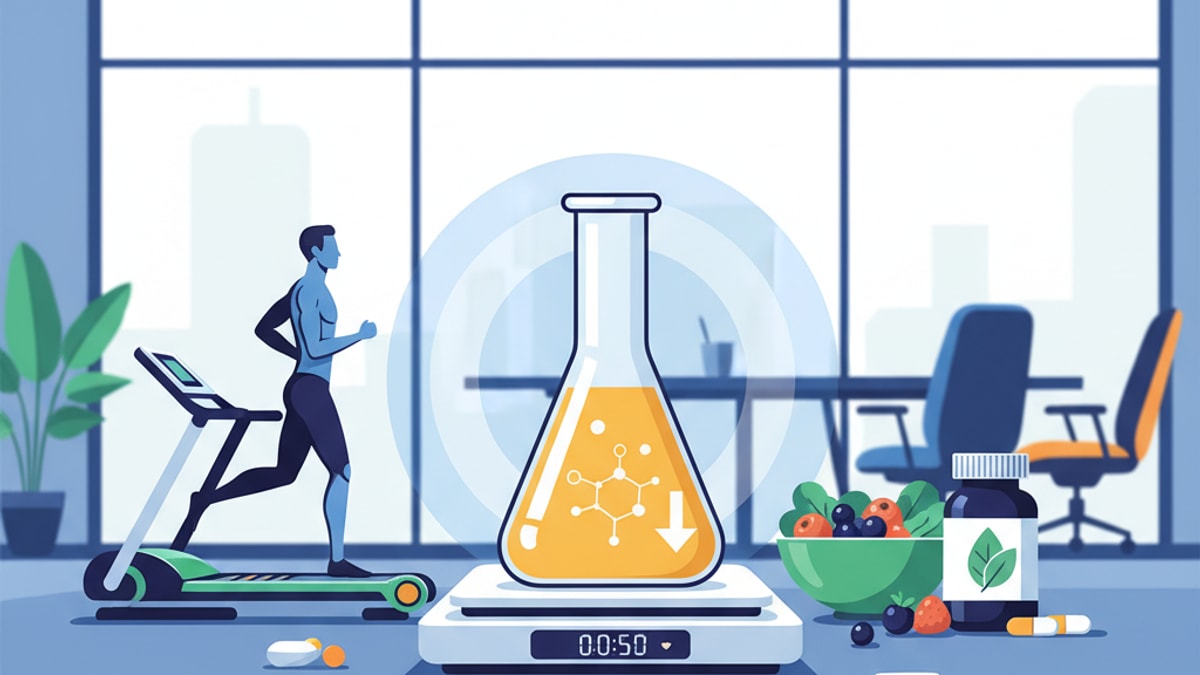
You’ve heard the buzz. It’s almost impossible to scroll through health and wellness spaces without seeing it: berberine. Hailed by some as 'nature's Ozempic,' this bright yellow plant compound has created a significant, sometimes dramatic stir. And if you're here, you're likely asking the same question our team hears all the time: what’s the real story, and more specifically, how much berberine for weight loss is actually effective?
Let's be direct. Navigating the world of supplements can feel like wading through a swamp of conflicting advice and overblown claims. It's exhausting. At TrimrX, our entire focus is on metabolic health and providing clear, medically-supervised pathways to sustainable weight loss. While our core expertise lies in advanced clinical treatments like GLP-1 medications, we believe in understanding the entire landscape. That includes powerful natural compounds like berberine. We’re here to cut through the noise and give you an unflinching, science-backed look at how to approach it correctly.
What Exactly is Berberine, Anyway?
Before we talk numbers, let’s quickly cover what we're dealing with. Berberine isn't some new, lab-created marvel. It's an alkaloid compound extracted from several different plants, including goldenseal, barberry, Oregon grape, and tree turmeric. It has a long history—we're talking thousands of years—in Traditional Chinese Medicine and Ayurvedic practices, where it was used for everything from digestive issues to fighting infections.
But modern science has pulled back the curtain, revealing its profound effects on a much deeper, cellular level. It’s not just a folk remedy. It’s a bioactive compound that interacts directly with your body's metabolic machinery. Think of it as a master regulator, a tiny key that unlocks some of your body's most fundamental processes related to energy use and storage. This is where the weight loss conversation truly begins.
The Science: How Berberine Influences Weight and Metabolism
Okay, this is where it gets interesting. Berberine doesn't just 'burn fat' in some vague, magical way. Its mechanism is far more sophisticated. Our team has found its primary power lies in its ability to activate an enzyme inside your cells called AMP-activated protein kinase (AMPK).
Why does that matter? Because AMPK is often called the body's 'metabolic master switch.'
When AMPK is activated, it tells your body that it's low on energy. This sets off a cascade of beneficial effects. It helps your cells pull more glucose from your bloodstream for energy, which improves insulin sensitivity. This is a huge deal. Poor insulin sensitivity is a cornerstone of weight gain, metabolic syndrome, and type 2 diabetes. By making your cells more receptive to insulin, berberine helps your body manage blood sugar more effectively, leading to fewer spikes and crashes, less fat storage, and more stable energy levels. It fundamentally changes how your body handles the food you eat.
Beyond AMPK, berberine also appears to:
- Inhibit fat storage: It can influence the genes involved in fat creation and storage, making it harder for your body to create new fat cells (a process called adipogenesis).
- Improve gut health: It may alter the composition of your gut microbiome in favor of beneficial bacteria, which has sprawling downstream effects on everything from inflammation to metabolism.
- Support mitochondrial function: It helps the little powerhouses in your cells work more efficiently, which is critical for overall energy expenditure.
It’s not one single action, but a symphony of them. That's its strength.
The Million-Dollar Question: How Much Berberine for Weight Loss?
Alright, let's get to the core of it. Based on the overwhelming body of clinical research and our own professional observations, the most commonly studied and effective dosage of berberine for metabolic benefits, including weight loss, is 1,500 milligrams (mg) per day.
Simple, right?
Well, not quite. There's a critical, non-negotiable nuance to how you take that 1,500 mg. You can't just swallow it all in one go and expect good results. In fact, doing so would likely lead to some unpleasant digestive side effects and waste a lot of the compound. This brings us to the next crucial point.
Why Splitting Your Dose is Non-Negotiable
We can't stress this enough: you must divide the daily dose. The standard, and in our experience, most effective protocol, is to take 500 mg, three times per day.
There are two primary reasons for this, and they're both rooted in biochemistry.
-
Poor Bioavailability & Short Half-Life: Berberine isn't absorbed into the bloodstream very easily, and your body metabolizes and clears it relatively quickly. Its 'half-life'—the time it takes for half of the substance to be eliminated from your system—is only a few hours. If you take all 1,500 mg at breakfast, its levels will have peaked and crashed long before your dinner roll even makes an appearance. Splitting the dose into three 500 mg servings maintains more stable levels of berberine in your bloodstream throughout the day, allowing it to work continuously on your metabolism.
-
Gastrointestinal Tolerance: This is a big one. Berberine can be tough on the stomach, especially at higher single doses. Common side effects include cramping, diarrhea, and general stomach upset. Taking a massive 1,500 mg dose at once is practically asking for digestive distress. Dividing it into smaller, more manageable 500 mg doses significantly reduces the risk of these side effects, making it a much more sustainable part of your routine.
This approach—which we've seen deliver the best results—ensures efficacy and minimizes discomfort. It's the smart way to do it.
Timing Your Berberine Dose for Maximum Impact
So you’ve got your 500 mg dose. When do you take it?
The answer is clear: take each dose with a meal, or shortly before it.
Taking berberine with food, especially a meal containing carbohydrates, is the key to unlocking its primary benefit: blood sugar management. When you eat, your blood glucose levels rise. Taking berberine at this time helps your body manage that glucose spike more effectively by improving insulin sensitivity and helping your cells uptake that sugar for energy instead of storing it as fat. This synergistic timing is what makes the difference between just taking a supplement and using it strategically.
Here's a sample schedule our team often recommends:
- Breakfast: 500 mg of berberine
- Lunch: 500 mg of berberine
- Dinner: 500 mg of berberine
This simple routine ensures you're aligning the supplement's peak action with your body's metabolic needs throughout the day. Don't overcomplicate it.
How Long Until You See Results?
This is where we need to have a very honest conversation and manage expectations. Berberine is not a magic bullet. It’s a tool. A powerful one, yes, but still just one tool in a much larger toolbox.
Most studies show noticeable effects on metabolic markers like blood sugar and cholesterol within a few weeks. For weight loss, the timeline is often a bit longer. You might start to see some changes on the scale after 8 to 12 weeks of consistent use, provided it's paired with a sensible diet and exercise plan. The weight loss is typically modest—a few pounds a month, not a dramatic transformation overnight. It works by gently nudging your metabolism in the right direction over time.
It’s a slow and steady process. For some, this gradual improvement is exactly what they're looking for. For others, particularly those with more significant weight to lose or more pronounced metabolic dysfunction, it may not be potent enough to move the needle in a meaningful way. And that's okay. It’s about finding the right level of intervention for your specific goals.
Berberine vs. Metformin: A Quick Comparison
Berberine is often compared to Metformin, a widely prescribed medication for type 2 diabetes, because they share a similar mechanism of action—namely, activating AMPK. The comparison is so common that berberine has earned that 'natural Metformin' nickname.
In some human studies, berberine has performed remarkably well, showing effects on blood sugar and lipid levels that are comparable to Metformin. This is impressive for a plant-derived supplement. However, Metformin is a standardized, highly regulated pharmaceutical drug with a massive body of clinical data behind it. Supplement quality, on the other hand, can vary wildly. While they work in similar ways, they are not interchangeable, and you should never substitute one for the other without direct medical guidance.
| Feature | Berberine | Metformin | GLP-1 Agonists (e.g., Semaglutide) |
|---|---|---|---|
| Source | Plant-derived compound | Synthetic pharmaceutical | Lab-engineered peptide hormone |
| Primary Mechanism | AMPK activation, improves insulin sensitivity | AMPK activation, reduces glucose production | Mimics GLP-1 hormone, slows digestion, reduces appetite |
| Typical Efficacy | Modest blood sugar control & weight loss | Strong blood sugar control, mild weight loss | Significant, clinically-proven weight loss & A1c reduction |
| Administration | Oral capsule, 3x per day | Oral tablet, 1-2x per day | Weekly subcutaneous injection |
| Regulation | Dietary supplement (less regulation) | Prescription drug (FDA-regulated) | Prescription drug (FDA-regulated) |
| Primary Use Case | General metabolic support, mild blood sugar issues | Type 2 Diabetes, prediabetes, PCOS | Type 2 Diabetes, chronic weight management |
Potential Side Effects and Who Should Be Cautious
While generally considered safe for most people when taken at the recommended dosage, berberine is a potent compound and isn't without potential side effects. As we mentioned, the most common are digestive in nature:
- Constipation
- Diarrhea
- Gas and bloating
- Stomach cramps
These are almost always dose-dependent and can often be resolved by starting with a lower dose (like 500 mg once a day) and gradually working your way up, or by ensuring you always take it with food. But there are certain groups who need to be extra cautious.
Our team strongly advises against using berberine if you are pregnant or breastfeeding. Furthermore, because it can lower blood sugar, you should speak with your doctor before taking it if you are already on diabetes medication, as the combination could potentially lead to hypoglycemia (dangerously low blood sugar). It can also interact with other medications, including blood thinners and cyclosporine, so a conversation with your healthcare provider is not just a good idea—it's essential.
Stacking Berberine: What Works and What's a Waste of Time?
You'll often see berberine sold in 'metabolic support' formulas combined with other ingredients. Some of these pairings are synergistic, while others are just marketing fluff.
Here are a few that have some scientific rationale:
- Ceylon Cinnamon: Like berberine, cinnamon has been shown to help with blood sugar control and insulin sensitivity. Combining them may offer a complementary effect.
- Alpha-Lipoic Acid (ALA): A powerful antioxidant that also plays a role in glucose metabolism. It can work alongside berberine to support cellular energy processes.
- Chromium: A trace mineral that is essential for proper insulin function. Many people are deficient, so adding it can help ensure the body's insulin-signaling pathways are working optimally.
But honestly, though, the best 'stack' for berberine isn't another pill. It's a solid foundation of a healthy diet, regular physical activity, and adequate sleep. No supplement can ever outperform a poor lifestyle. It's designed to supplement your efforts, not replace them.
Berberine vs. GLP-1 Medications: Understanding the Difference
This is the most important comparison for many people today. With the rise of highly effective weight loss medications like Semaglutide and Tirzepatide, it's crucial to understand where a supplement like berberine fits in. The 'nature's Ozempic' nickname is catchy, but it's also misleading. It creates an equivalence that simply doesn't exist.
Berberine works primarily by improving how your body handles energy at a cellular level through AMPK activation. It's a gentle, systemic nudge.
GLP-1 receptor agonists, the class of medications we specialize in at TrimrX, are a different animal entirely. They are engineered to mimic a natural gut hormone (GLP-1) that powerfully regulates appetite and blood sugar. They work by:
- Dramatically slowing gastric emptying: This makes you feel fuller for much, much longer.
- Signaling satiety to your brain: They directly target the appetite centers in your brain, significantly reducing hunger and cravings.
- Boosting insulin secretion: They prompt your pancreas to release insulin in response to food, leading to robust blood sugar control.
The difference in results is night and day. While berberine might help someone lose 5-10 pounds over several months, clinical trials for GLP-1 medications show average weight loss of 15% to over 20% of total body weight. It's a different league.
Think of it this way: Berberine is like optimizing the fuel efficiency of your car's engine. It helps it run a bit better and use gas more wisely. GLP-1 medications are like having a co-pilot who physically stops you from pulling into the gas station too often and helps you plan a more direct route. Both are helpful, but one provides a far more powerful and direct intervention.
For those who have struggled with relentless cravings, hormonal resistance to weight loss, or have a significant amount of weight to lose, a natural supplement may not provide the necessary therapeutic power. This is where medical supervision and advanced treatments become the more realistic path. If you've tried options like berberine and still feel stuck, it might be time to explore a more comprehensive solution. Our medically-supervised programs are designed for this exact scenario; you can see if you're a candidate when you Take Quiz on our site.
A Realistic Look at Berberine's Role in Your Journey
So, where does this leave us? Is berberine a worthwhile supplement for weight loss? Our answer is a qualified yes. For the right person, it can be a valuable addition to a well-rounded health plan. It's an excellent tool for improving insulin sensitivity, supporting healthy blood sugar levels, and potentially encouraging modest weight loss over time.
The key is to have realistic expectations. View it as a supportive player, not the star of the show. The heavy lifting still needs to be done by you—through your food choices, your movement, and your overall lifestyle. Berberine can make that work a little easier and more effective, but it won't do the work for you.
And for those who need a more powerful intervention to overcome significant biological hurdles to weight loss, it's important to recognize the limitations of a supplement. Acknowledging that you may need a stronger, clinically-proven tool isn't a failure; it's a strategic decision to use the best technology available to reclaim your health. For those individuals, it’s time to Start Your Treatment and get the expert medical guidance required for transformative results.
Ultimately, understanding how much berberine for weight loss to take is just the first step. The next is honestly assessing your goals and choosing the right path—and the right tools—to get you there. Whether that includes natural compounds, advanced medications, or a combination of both, the journey starts with clear, accurate information. And that’s what we’re here to provide.
Frequently Asked Questions
What is the best type of berberine to take?
▼
Look for Berberine HCL (hydrochloride) as it’s the form most commonly used and validated in clinical studies. The quality and purity of supplements can vary, so we recommend choosing a reputable brand that undergoes third-party testing.
Can I take all 1,500 mg of berberine at once?
▼
We strongly advise against this. Taking such a large single dose significantly increases the risk of digestive side effects like cramping and diarrhea. Splitting it into three 500 mg doses with meals is far more effective and tolerable.
Should I take berberine on an empty stomach?
▼
No, it’s best to take berberine with food. Taking it with a meal, particularly one containing carbohydrates, helps it manage the post-meal blood sugar spike, which is one of its primary benefits. It also reduces the likelihood of stomach upset.
How long can I safely take berberine?
▼
Most clinical studies have evaluated berberine use for periods of three to six months. While some people take it for longer, it’s a good practice to cycle off it periodically or consult with a healthcare provider for long-term use.
Will berberine make me lose weight without diet and exercise?
▼
It’s highly unlikely. Berberine is a metabolic support supplement, not a magic weight loss pill. Its effects are most pronounced when combined with a healthy diet and regular physical activity, as it helps optimize your body’s response to those efforts.
Can I take berberine if I have prediabetes?
▼
Berberine has shown promise in improving insulin sensitivity and blood sugar control, which are key concerns in prediabetes. However, you must discuss it with your doctor before starting, as it can interact with other medications and requires monitoring.
Does berberine curb your appetite?
▼
Berberine’s effect on appetite is indirect and much milder than medications like GLP-1 agonists. By helping to stabilize blood sugar, it can reduce the energy crashes that often lead to cravings, but it does not have a strong, direct appetite-suppressing effect.
Is berberine the same as barberry?
▼
No, but they are related. Barberry is a plant, and berberine is the active bioactive compound extracted from the barberry plant (and others). When you take a berberine supplement, you are taking a concentrated dose of this specific compound.
Can I drink alcohol while taking berberine?
▼
Both alcohol and berberine can affect your liver and blood sugar levels. While moderate consumption might be okay for some, it’s best to consult your healthcare provider, especially if you have any underlying health conditions or drink regularly.
Will berberine help with belly fat specifically?
▼
Berberine can contribute to overall fat loss by improving metabolic health, which may include a reduction in visceral (belly) fat. However, it doesn’t ‘spot reduce’ fat from any specific area; weight loss location is determined by your genetics.
What happens if I miss a dose of berberine?
▼
If you miss a dose, just take your next scheduled dose as planned. There’s no need to double up, as that could increase the risk of side effects. Consistency is key, but missing a single dose won’t derail your progress.
Can I take berberine and a GLP-1 medication like Semaglutide together?
▼
You should absolutely not do this without direct and explicit guidance from your prescribing physician. Both substances lower blood sugar, and combining them without medical supervision could lead to a dangerous hypoglycemic event.

Transforming Lives, One Step at a Time
Keep reading

Do You Need a Prescription for GLP-1s? The 2026 Answer
Wondering ‘do you need a prescription for glp 1’ in 2026? Yes. We explain why a doctor’s oversight is critical for safe, effective results.

How to Get GLP-1 Covered By Insurance: Our 2026 Playbook
Struggling with how to get glp-1 covered by insurance? Our 2026 guide breaks down prior authorizations, appeals, and documentation.

Traveling with GLP-1s in 2026: Your Essential Trip-Proof Plan
Don’t let travel disrupt your GLP-1 treatment. Learn how to travel with glp 1 medications safely and stress-free in our 2026 expert guide.


