Understanding How Much Do GLP 1 Cost for Weight Loss
Introduction
Standing at the pharmacy counter only to be told that your prescription comes with a four-figure price tag is a moment of profound frustration. For many, this is the reality of seeking modern weight loss treatment. You have done the research, spoken with your provider, and felt a surge of hope, only to have it dampened by the steep financial barrier of branded medications. We understand that the “cost” of weight loss is not just about the numbers on a receipt—it is about the emotional weight of feeling like better health is out of financial reach.
At TrimRx, we believe that access to evidence-based care should be transparent and manageable. This article explores the various factors that influence how much do GLP 1 cost, from the high retail price of branded injections to the more accessible alternatives found through personalized telehealth programs. If you are wondering whether prescription GLP-1 treatment is the right next step, you can take the free assessment quiz to see where you stand.
The Evolution of GLP-1 Medications
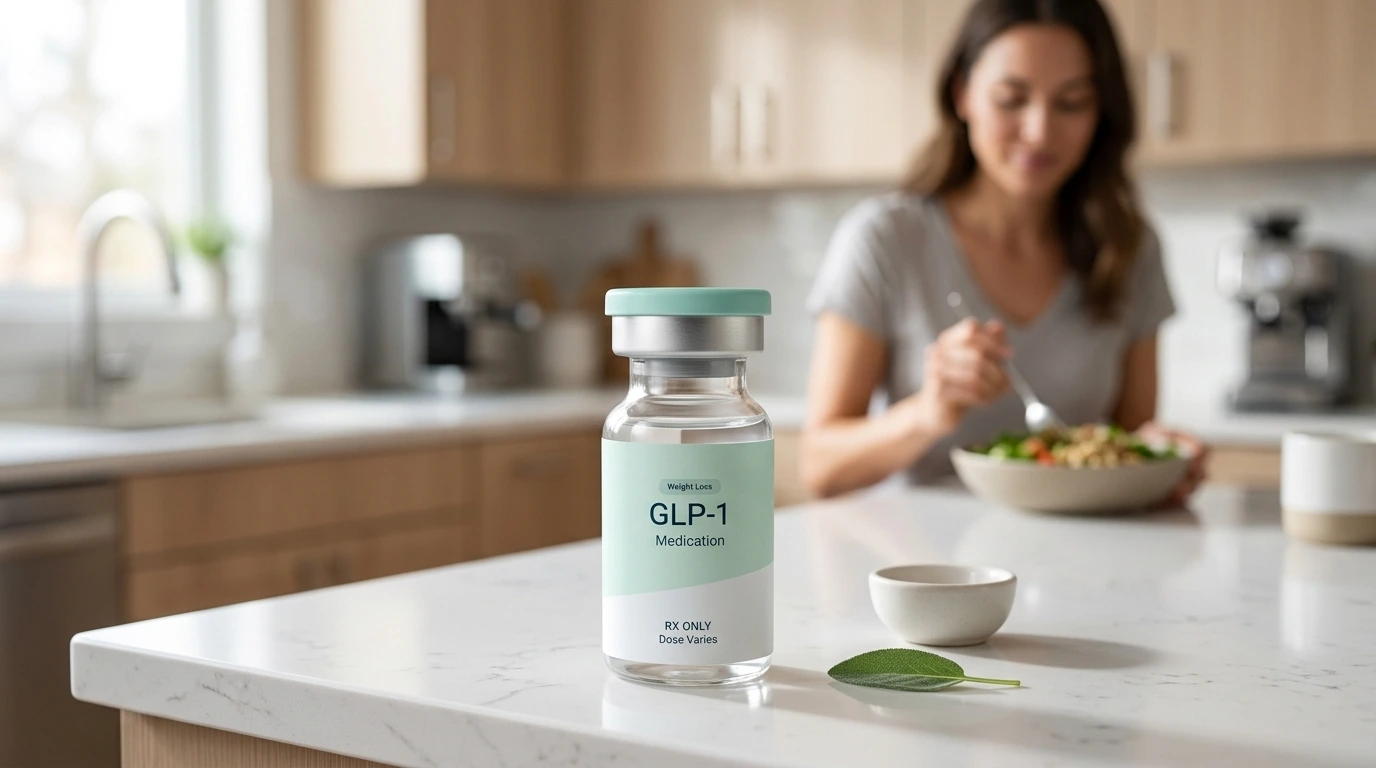
To understand the cost, we must first understand what these medications are and why they have become the gold standard for weight management. GLP-1 stands for glucagon-like peptide-1. This is a hormone naturally produced in your gut that signals to your brain that you are full and helps your body manage insulin levels.
Modern medications known as GLP-1 receptor agonists have been used for years to manage type 2 diabetes. However, clinical research has shown that at specific doses, these medications are remarkably effective for chronic weight management. If you want a broader explainer on the hormone itself, our 2026 breakdown of GLP-1 is a helpful next read.
Because these medications represent a significant leap in how we treat metabolic health, the demand has skyrocketed. This high demand, combined with the complex manufacturing process required for injectable biologics, has contributed to the high retail prices seen at traditional pharmacies.
Factors That Determine the Retail Price
When you look at the price of a branded GLP-1 medication at a local pharmacy, you are seeing a price tag influenced by several layers of the pharmaceutical industry. These factors can make the out-of-pocket expense feel overwhelming for those without comprehensive insurance coverage.
Research and Development Costs
Pharmaceutical companies spend years and billions of dollars in clinical trials to bring a drug to market. For branded medications like Wegovy®, Ozempic®, Zepbound®, and Mounjaro®, the initial price reflects the cost of proving safety and efficacy to the FDA. While these branded products are not affiliated with our platform, they set the baseline for what many consumers expect to pay in a traditional medical setting.
Supply Chain and Manufacturing
Unlike simple pill-based medications, GLP-1 receptor agonists are complex proteins. They require sterile manufacturing environments and specialized “auto-injector” pens. The cost of producing these delivery devices, combined with the need for refrigerated shipping and storage, adds significantly to the final price the consumer sees at the counter.
Pharmacy Benefit Managers and Markups
The price you see is also affected by the “middlemen” in the healthcare system. Pharmacy benefit managers negotiate rebates with drug makers, and retail pharmacies add their own markups to cover their overhead. This is why the price can vary by hundreds of dollars depending on which pharmacy you visit in your city.
The Insurance Coverage Gap
One of the most common questions we hear is why a medication that can improve heart health and reduce diabetes risk is not covered by every insurance plan. This is often referred to as the “obesity coverage gap.”
The Legacy of Weight Loss Coverage
Historically, many insurance companies viewed weight loss as a “lifestyle” or “cosmetic” issue rather than a medical necessity. Even as the medical community has shifted to viewing obesity as a chronic metabolic disease, many employer-sponsored plans and government programs like Medicare still have strict exclusions for weight loss medications.
Prior Authorization Hurdles
Even if your plan technically covers GLP-1 medications, they often require a “prior authorization.” This is a process where your doctor must prove to the insurance company that you meet very specific criteria, such as having a BMI over a certain threshold or having a specific co-morbidity like high blood pressure. If you are trying to understand whether you may qualify for a program instead of paying full retail, the best next step is to complete a free eligibility assessment.
Key Takeaway: Branded GLP-1 medications often face high retail markups and strict insurance barriers, making them difficult to access for the average person paying out of pocket.
Exploring More Accessible Alternatives
For those who find that branded medications are priced out of reach or are constantly out of stock at local pharmacies, there are other clinical avenues. Personalized telehealth programs have emerged as a way to bypass the traditional pharmacy “sticker shock.”
The Role of Compounded Medications
Compounded semaglutide and compounded tirzepatide are alternatives that have gained popularity due to their relative affordability. Compounding is the practice of a licensed pharmacist preparing a customized medication to meet the specific needs of a patient.
It is important to understand a few critical distinctions regarding these options:
- Compounded medications are NOT FDA-approved.
- They are prepared in FDA-registered and inspected compounding pharmacies.
- They contain the same active ingredients found in the branded versions but are often available at a fraction of the retail cost.
If you are still comparing options, our GLP-1 therapy guide explains how these treatments fit into a personalized plan.
The All-Inclusive Program Model
When calculating “how much do GLP 1 cost,” many people forget to factor in the secondary expenses of a weight loss journey. In a traditional setting, you might pay for:
- Individual co-pays for doctor visits.
- Out-of-pocket costs for lab work.
- The cost of needles and alcohol pads.
- Shipping or travel time to the pharmacy.
At TrimRx, we utilize a simplified model where one consistent program fee covers the entire experience. This includes the initial doctor consultation via telehealth, the cost of the medication, the required supplies, and ongoing support from a dedicated team of specialists. This “bundled” approach removes the uncertainty of fluctuating monthly costs and hidden fees.
Why Consistency Matters for Value
When you are investing in your health, the goal is sustainable, long-term success. The true “cost” of a program is measured by whether it works for you over six months, a year, or longer. If a program is so expensive that you have to stop after two months, the investment is essentially lost, as weight maintenance requires a consistent metabolic shift.
Our personalized programs are designed to be sustainable. Because we maintain a transparent pricing structure regardless of your dosage changes, you don’t have to worry about your bill doubling as your provider increases your dose to reach your goals. This allows you to focus on your health rather than your budget.
Note: Always consult with a licensed healthcare provider to determine which medication and dosage are appropriate for your specific health history and goals.
The Value of the Telehealth Experience
Beyond the physical medication, the telehealth model provides a level of value that traditional clinics often struggle to match. When you consider the cost of your time, the telehealth-first approach is a significant benefit.
- No Waiting Rooms: You can complete your consultations and check-ins from the privacy of your home.
- 24/7 Access: Our specialists are available to answer questions about side effects or lifestyle changes whenever you need them.
- Discreet Delivery: Medications are shipped directly to your door in temperature-controlled packaging, saving you a trip to the pharmacy.
Managing Your Health Investment
If you are weighing the costs and benefits of starting a GLP-1 program, it helps to look at the “hidden” savings that often come with improved metabolic health. Many of our members report that as they progress through their journey, they see a reduction in other expenses:
- Lower monthly spending on groceries and dining out due to reduced appetite.
- Reduced need for other medications related to blood sugar or blood pressure (under a doctor’s supervision).
- Fewer co-pays for visits related to weight-induced joint pain or fatigue.
For readers who want practical nutrition guidance while treatment is underway, our GLP-1 diet guide is a useful companion.
While the primary focus is on the monthly cost of the medication, the long-term shift in your lifestyle can lead to a more balanced financial and physical state.
How to Get Started with a Personalized Plan
Navigating the world of GLP-1 medications can be confusing, but the first step is always the same: a professional medical assessment. We have streamlined this process to make it as simple as possible.
Step 1: Take the Assessment Quiz The first step is a free online assessment. This quiz asks about your health history, your weight loss goals, and any previous attempts at weight management. This information helps our affiliated providers determine if you are a candidate for the program.
Step 2: Connect with a Provider If eligible, you will be connected with a licensed healthcare provider who will review your profile. They may order lab work to ensure your metabolic markers are safe for treatment.
Step 3: Receive Your Personalized Program Once approved, your medication is prepared by an FDA-registered compounding pharmacy and shipped directly to you. Your program fee is inclusive, meaning you won’t be hit with unexpected charges for shipping or follow-up consultations.
The Importance of Supportive Care
Medication is a powerful tool, but it is not a “magic pill.” The highest value comes from combining GLP-1 treatment with the right lifestyle support. This is why we focus on a comprehensive approach.
For some individuals, supplemental support can enhance the experience. We offer quick-access products like GLP-1 Daily Support and Weight Loss Boost, which are available for immediate purchase without a prescription. These are designed to support the body’s natural pathways and manage the minor nutritional shifts that occur when you eat less.
Bottom line: The total cost of GLP-1 treatment depends on whether you choose the traditional retail route or a streamlined telehealth program that bundles medication, provider access, and support into one predictable fee.
Conclusion
Understanding how much do GLP 1 cost requires looking past the pharmacy window. While branded options like Ozempic® or Wegovy® can carry significant retail prices, the rise of personalized telehealth platforms like TrimRx has made these transformative treatments accessible to a wider audience. By utilizing compounded versions of semaglutide and tirzepatide from regulated pharmacies and offering all-inclusive program fees, we remove the barriers of traditional healthcare.
If you are still deciding whether medication-based support fits your goals, our guide to getting semaglutide for weight loss can help you understand the process.
Our mission is to help you embrace a healthier lifestyle through science and empathy. We believe that when you have a clear, predictable cost and a dedicated team of specialists behind you, you can finally focus on what matters most—your health and your future.
Key Takeaway: A personalized, telehealth-based program provides the most predictable and comprehensive value for those seeking GLP-1 medications without the high retail markups of branded products.
If you are ready to stop guessing about costs and start focusing on results, the best next step is to see if you qualify for our program. Taking the assessment quiz is free and provides a clear path forward for your personalized weight loss journey.
FAQ
Why is there such a big difference in GLP-1 prices?
The price difference usually stems from whether you are buying a branded medication at a retail pharmacy or using a compounded medication through a telehealth platform. Branded drugs have high costs due to research, marketing, and pharmacy markups, while compounded versions bypass these brand expenses and are often bundled into a single program fee that includes medical support.
Will my insurance cover the cost of my program?
Insurance coverage for weight loss medications is currently very inconsistent and depends entirely on your specific employer and plan. Many people choose our program because it offers a predictable, out-of-pocket cost that is often lower than the “after-insurance” price of branded drugs, especially when considering co-pays for multiple doctor visits.
Are compounded GLP-1 medications safe and effective?
Compounded medications contain the same active ingredients as their branded counterparts, such as semaglutide or tirzepatide. While they are not FDA-approved, they are prepared by licensed pharmacists in FDA-registered and inspected facilities to ensure quality and safety standards are met for every patient.
Does the price increase as my dosage goes up?
In many traditional pharmacy settings, the price of the medication increases as the dosage gets higher. At TrimRx, our program is designed with a consistent, transparent fee structure so that your costs remain predictable even as your healthcare provider adjusts your dose to optimize your weight loss results.
Where can I get help deciding if this is right for me?
The easiest place to start is with the free assessment quiz, which helps determine whether a personalized GLP-1 program is a good fit for your needs.
Disclaimer: This content is for informational purposes only and does not constitute medical advice. It is not intended to diagnose, treat, cure, or prevent any disease or condition. Individual results may vary. Always consult a qualified healthcare professional before starting any weight loss program or medication.

Transforming Lives, One Step at a Time
Keep reading

Mons Pubis Fat Loss on GLP-1s: The “Pubic Area” Change Nobody Mentions
One change that surprises people on GLP-1 medications rarely comes up in conversation: the mons pubis, the soft fat pad over the pubic bone,…

How to Adjust Weight Loss Goals on GLP-1 Medications
Adjust weight goals on GLP-1 meds by tracking body composition and labs, optimizing protein, activity, sleep, and working with your provider on dosing.
Falsified Mounjaro pens prompt urgent safety advisory
MHRA warns of counterfeit Mounjaro pens (batch D873576); stop use and check batch numbers for infection risk.


