How Much GLP-1 to Take for Effective Weight Loss

Introduction
Deciding to start a medical weight loss journey is a significant step, but it often leads to a practical question: how much glp 1 to take to see real results? Many people feel overwhelmed by different milligrams, titration schedules, and the fear of potential side effects. At TrimRx, we believe that understanding your dosage is the foundation of a safe and successful experience. This article covers the standard dosing protocols for the most common GLP-1 medications, the clinical importance of starting slow, and how a personalized approach helps you find the “sweet spot” for your body. By the end of this guide, you will understand how clinical providers determine the right amount of medication to support your metabolic health and long-term weight management goals.
If you are considering prescription treatment, you can complete a free eligibility assessment to begin the process.
The Science of Titration: Why You Can’t Start at the Max Dose
When it comes to GLP-1 (glucagon-like peptide-1) receptor agonists, more is not always better—especially at the beginning. A GLP-1 receptor agonist is a medication that mimics a natural hormone in your body that regulates insulin secretion, slows down how fast your stomach empties, and signals to your brain that you are full. Because these medications significantly change how your digestive system functions, your body needs time to adapt.
This process is known as titration. Titration is the clinical practice of starting a patient on the lowest possible dose and gradually increasing it over several months. This slow climb is designed to minimize gastrointestinal side effects like nausea or indigestion while allowing your metabolic pathways to adjust to the new hormonal signals.
Key Takeaway: Titration is a safety-first approach. Starting at a high dose immediately can overwhelm the digestive system, while starting low helps build tolerance and ensures long-term adherence to the program.
For additional background, review this guide to how GLP-1 medications work.
Standard Dosing for Semaglutide
Semaglutide is one of the most widely recognized GLP-1 medications. It is the active ingredient in branded medications like Ozempic® and Wegovy®, as well as the compounded semaglutide options offered through our partner pharmacies. While the active ingredient is the same, the dosage might vary depending on whether the primary goal is managing Type 2 diabetes or chronic weight management.
The Typical Escalation Schedule
For weight loss, the most common protocol involves a five-step escalation. Each step typically lasts for at least four weeks.
- Month 1 (0.25 mg): This is the “initiation” dose. It is generally not considered a therapeutic dose for significant weight loss, but it is essential for introducing the medication to your system.
- Month 2 (0.5 mg): The dose is doubled. Many individuals begin to notice a decrease in “food noise” or constant cravings during this stage.
- Month 3 (1.0 mg): This is often the first therapeutic dose where significant weight loss results are documented in clinical studies.
- Month 4 (1.7 mg): A further increase to sharpen the metabolic response.
- Month 5 and beyond (2.4 mg): This is the standard full maintenance dose for weight management.
Note: While 2.4 mg is the standard maximum for weight loss, a licensed provider may determine that a lower maintenance dose, such as 1.0 mg or 1.7 mg, is more appropriate for your specific health profile and weight loss progress.
For more detail about individualized semaglutide dosing, read this semaglutide dosage guide.
Compounded Semaglutide Considerations
Compounded semaglutide is prepared by FDA-registered, inspected compounding pharmacies. One of the primary advantages of a personalized program is the ability to adjust these increments. If a patient experiences significant sensitivity at 0.5 mg, a provider might suggest staying at that dose for an extra month or increasing by a smaller margin rather than jumping straight to 1.0 mg.
Standard Dosing for Tirzepatide
Tirzepatide is a newer class of medication known as a dual agonist. It targets both GLP-1 receptors and GIP (glucose-dependent insulinotropic polypeptide) receptors. This dual-action approach often requires a different dosing scale compared to semaglutide. Branded versions include Mounjaro® and Zepbound®.
The Tirzepatide Titration Path
Tirzepatide is typically administered in 2.5 mg increments. The escalation usually follows this monthly pattern:
- Initial Dose: 2.5 mg once weekly for four weeks.
- Step Two: 5 mg once weekly for four weeks.
- Step Three: 7.5 mg once weekly for four weeks.
- Maximum Dose: The dosage can continue to increase every four weeks—moving to 10 mg, 12.5 mg, and finally a maximum of 15 mg once weekly.
Just like with other GLP-1s, the goal is to find the lowest effective dose. Many people achieve their target weight without ever needing to reach the 15 mg maximum.
For more information about managing symptoms during titration, explore this tirzepatide side effects guide.
| Medication | Starting Dose | Standard Max Dose | Dosing Frequency |
|---|---|---|---|
| Semaglutide | 0.25 mg | 2.4 mg | Once Weekly |
| Tirzepatide | 2.5 mg | 15 mg | Once Weekly |
| Liraglutide | 0.6 mg | 3.0 mg | Once Daily |
| Dulaglutide | 0.75 mg | 4.5 mg | Once Weekly |
Oral GLP-1 Dosing vs. Injectables
While most people are familiar with weekly injections, oral versions of these medications are becoming more popular for those who prefer to avoid needles. Rybelsus® is the primary branded oral semaglutide used for blood sugar management, though it is sometimes used off-label for weight loss.
Oral dosing is daily rather than weekly. This is because the body processes oral medication differently than a subcutaneous (under the skin) injection. For oral semaglutide, the titration usually begins at 3 mg daily for the first 30 days, moves to 7 mg daily, and may eventually reach 14 mg daily. It is critical to take oral GLP-1s on an empty stomach with a small amount of plain water to ensure proper absorption.
How Your Health Profile Changes the Answer
The answer to “how much glp 1 to take” is never one-size-fits-all. A licensed healthcare provider evaluates several factors to determine your starting point and your speed of escalation.
Body Mass Index (BMI) and Medical History For an individual with a BMI over 30 who has not responded to lifestyle modifications alone, a provider might follow the standard titration schedule strictly. However, for a patient with a history of sensitive stomach issues or gallbladder concerns, the provider might recommend a “slow-titration” schedule to ensure safety.
If you want to understand how eligibility and treatment access are evaluated, review this guide to accessing GLP-1 medications for weight loss.
Weight Loss Progress If you are losing a healthy 1–2 pounds per week on a lower dose, like 0.5 mg of semaglutide, your provider may choose to keep you at that dose rather than increasing it. The goal is to maintain steady progress while keeping the medication level as low as effectively possible.
Age and Metabolic Rate Older adults may process medications more slowly. In these cases, a provider might monitor the patient for a longer period at each dose level to ensure the kidneys and liver are handling the medication efficiently.
Key Takeaway: Your dosage is a moving target. It should be adjusted based on how your body responds, your weight loss rate, and your comfort level.
Personalized Dosing with TrimRx
At TrimRx, we move away from the “one pill for everyone” mentality. Our telehealth-first platform connects you with licensed providers who review your health history, lab work, and goals to create a customized plan.
When you use our platform, you aren’t just getting a prescription; you are getting a clinical partner. If you find that a certain dose is causing too much fatigue or nausea, our team of specialists is available to help you adjust. This level of personalized care ensures that you aren’t forced into a higher dose before your body is ready. Our program includes the doctor consultation and the medication, meaning you can focus on your health rather than navigating the complexities of pharmacy interactions.
To find out whether a personalized program may be appropriate for you, take the free assessment quiz.
Managing Side Effects Through Dose Adjustments
The most common reason people stop taking GLP-1 medications is side effects. Most of these—such as nausea, constipation, or diarrhea—are “dose-dependent,” meaning they get stronger as the dose increases.
For a broader overview, read about common GLP-1 side effects and what to expect.
If you experience side effects, there are several dosing strategies a provider might suggest:
- Staying at a lower dose: Extending your time at the current dose for another 4 weeks to let your body acclimate.
- Injection site rotation: Some patients report fewer side effects when rotating the injection between the abdomen, thigh, or back of the arm.
- Split dosing: Though less common and only done under strict medical supervision, some providers may adjust the timing of the dose.
- Hydration and nutrition: Often, what feels like a medication side effect is actually dehydration or low blood sugar. Using supplements like GLP-1 Daily Support can help bridge nutritional gaps during the titration phase.
Myth: You have to reach the maximum dose to lose weight. Fact: Many individuals experience significant, sustainable weight loss on intermediate doses. Pushing to the maximum dose too quickly can actually hinder progress if side effects prevent you from maintaining a healthy diet and exercise routine.
What to Do If You Miss a Dose
Consistency is vital for keeping GLP-1 levels steady in your bloodstream. However, life happens. The protocol for a missed dose depends on how much time has passed.
For Weekly Injections (Semaglutide or Tirzepatide): If you miss a dose, take it as soon as you remember, provided it is within five days of the missed dose. If more than five days have passed, skip the missed dose entirely and take your next dose on your usual scheduled day. Never take two doses at once to “make up” for a missed one.
For Daily Oral Medication: If you miss a daily dose, skip it and resume your normal schedule the next day. Do not double the dose. If you miss more than two weeks of medication, you must consult your provider, as you may need to restart at a lower dose to avoid severe side effects.
The Maintenance Phase: How Long Do You Take GLP-1s?
Weight loss is a journey, but weight maintenance is a lifelong commitment. Once you reach your target weight, the question changes from “how much to take” to “how to stay there.”
There are generally three paths for maintenance dosing:
- Continued Full Dose: Staying on the highest tolerated dose to maintain metabolic suppression.
- Tapering Down: Gradually reducing the dose to the lowest amount that prevents weight regain.
- Maintenance Supplements: Transitioning from prescription medication to targeted support, such as our Weight Loss Boost supplement, to help manage appetite naturally as you rely more on lifestyle habits.
A personalized program allows for this flexibility. Because we provide 24/7 access to specialists, you can discuss your maintenance strategy long before you reach your final goal.
Steps to Find Your Ideal Dosage
Finding the right amount of medication follows a clear, clinical process.
- Step 1: Complete a clinical assessment. / Start by taking a free assessment quiz to provide your health history, current BMI, and weight loss goals.
- Step 2: Consult with a provider. / A licensed healthcare professional will review your data and prescribe the appropriate starting dose, usually the lowest initiation level.
- Step 3: Monitor your first month. / Track your hunger levels and any side effects. This information is crucial for your first follow-up.
- Step 4: Gradually escalate. / If you are tolerating the medication well and your provider agrees, you will move to the next dose level every four weeks.
- Step 5: Identify your maintenance dose. / Once you hit a “plateau” of steady weight loss with minimal side effects, you have found your therapeutic dose.
Final Thoughts on GLP-1 Dosing
Knowing how much glp 1 to take is a collaborative effort between you and your healthcare team. The standard titration schedules provide a reliable map, but your personal health journey may require a few detours or longer stops at certain doses. The goal of using a platform like TrimRx is to ensure that these adjustments are made scientifically and empathetically.
Whether you are starting with compounded semaglutide or looking for daily support, the key is patience. By starting low and prioritizing your body’s feedback, you can achieve the metabolic health you deserve without the frustration of unmanageable side effects. Science has given us powerful tools for weight loss; personalization is how we make those tools work for you.
When you are ready to discuss your options, see if you qualify for a personalized GLP-1 program.
FAQ
Can I stay on the starting dose if I am already losing weight?
Yes, many providers support staying at a lower dose if it is effective. If you are meeting your weight loss goals and have no side effects, there may be no clinical reason to increase your dosage immediately. Always discuss this with your healthcare provider before deviating from your prescribed plan.
What happens if I take too much GLP-1 by mistake?
Taking more than the prescribed dose can lead to severe nausea, vomiting, and abdominal pain. It can also cause a significant drop in blood sugar. If you suspect an overdose, contact your healthcare provider or seek medical attention immediately.
Why is the starting dose of semaglutide only 0.25 mg?
The 0.25 mg dose is intended specifically for “initiation,” meaning it introduces the medicine to your receptors. Clinical trials show that this dose is usually not enough for significant weight loss, but it is vital for preventing the severe gastrointestinal distress that can occur if the body is not primed for the medication.
Does my weight determine how much GLP-1 I should take?
While your starting weight and BMI are used to determine eligibility, they do not strictly dictate your dose. Some individuals with higher starting weights respond very well to low doses, while others with lower BMIs may require the maximum dose to see results. Dosing is based more on your metabolic response and tolerance than a simple number on the scale. If you are considering treatment, you can complete a free eligibility assessment.
Disclaimer: This content is for informational purposes only and does not constitute medical advice. It is not intended to diagnose, treat, cure, or prevent any disease or condition. Individual results may vary. Always consult a qualified healthcare professional before starting any weight loss program or medication.

Transforming Lives, One Step at a Time
Keep reading
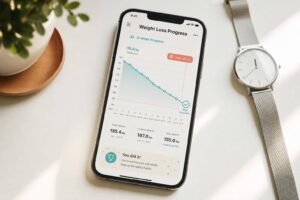
Weight Loss Progress Tracker
Track your weight loss over time, see progress clearly, and stay motivated with simple charts, summaries, and goal-based insights.
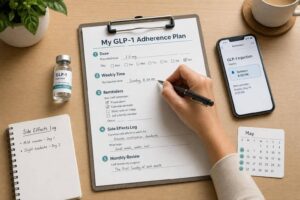
How to Create a Personalized Adherence Plan
Build a one-page GLP-1 adherence plan: record dose, pick a weekly time, set reminders, log side effects, and review monthly.

Weight Loss Medication Dosage Calculator
Estimate weight loss medication doses by weight and drug type, with starting guidance, dose progression info, and a clear medical disclaimer.


