How Much Water Should You Drink While Taking Mounjaro?
Introduction
Starting a weight loss program with Mounjaro® often brings up practical questions about daily habits that impact your success. You might notice you are thirstier than usual or feel concerned about managing digestive changes as your body adjusts. At TrimRx, we believe that understanding the “why” behind these habits is essential for a safe and sustainable transformation, and seeing if you qualify for a personalized program is a practical next step.
Hydration is not just a general health tip; it is a critical component of managing the biological effects of tirzepatide (the active ingredient in Mounjaro®). This medication changes how your body processes food and fluids, making your water intake a priority for both comfort and results. This article details exactly how much water you should aim for, why your requirements change on this medication, and how to stay ahead of dehydration. For a broader framework on daily intake, see the hydration blueprint for weight loss.
Quick Answer: Most adults taking Mounjaro® should aim for 2 to 3 liters (approximately 68 to 100 ounces) of water daily. This amount may need to increase based on your activity level, climate, and the presence of side effects like nausea or diarrhea.
Why Tirzepatide Increases Your Need for Fluids
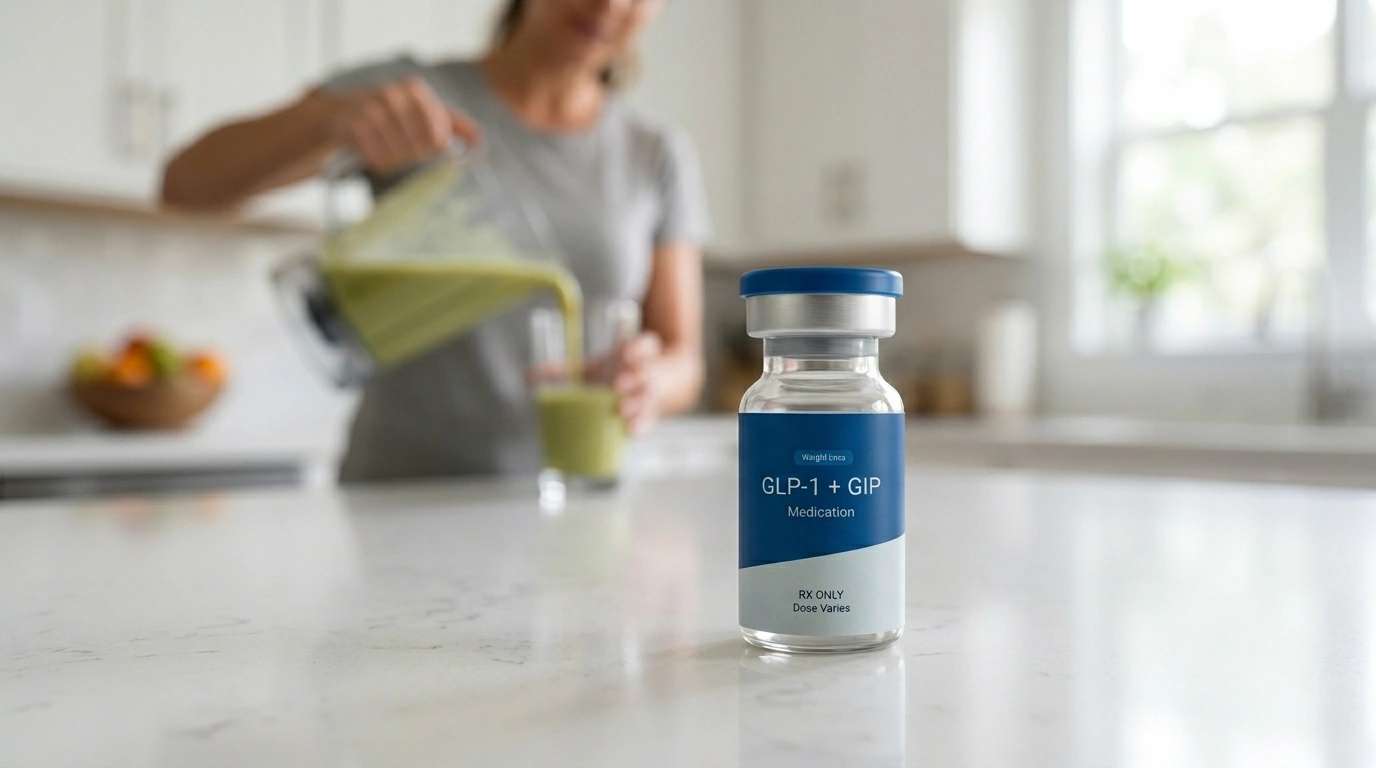
Mounjaro® is a branded medication that functions as a dual GIP (glucose-dependent insulinotropic polypeptide) and GLP-1 (glucagon-like peptide-1) receptor agonist. By mimicking these two hormones, the medication slows down gastric emptying—the rate at which food leaves your stomach—and signals your brain to feel full. If you want a deeper look at the medication’s side effects, our tirzepatide side effects guide is a helpful companion read.
While these mechanisms are effective for weight management, they also alter your fluid dynamics. When food stays in the stomach longer, the way your body absorbs liquids can change. Furthermore, the reduced desire to eat often leads to a reduced desire to drink. Many people find they simply forget to hydrate because the “thirst cues” are dampened along with their hunger cues.
Managing Gastrointestinal Side Effects
The most common side effects associated with tirzepatide are gastrointestinal. Nausea, vomiting, and diarrhea are frequently reported, especially during the first few weeks of treatment or when increasing a dose. These symptoms lead to rapid fluid loss. If you are looking for a more focused breakdown of digestive discomfort, why tirzepatide can cause dry mouth is worth reading.
If you experience diarrhea or vomiting, your body is losing water and essential minerals faster than usual. Without proactive replacement, this can lead to dehydration, which often mimics the very side effects you are trying to avoid, such as headaches and fatigue. Drinking water consistently helps dilute stomach acid and may reduce the intensity of nausea for some individuals.
Kidney Health and Filtration
Your kidneys play a vital role in filtering waste and processing medications. Adequate hydration ensures that your kidneys have enough fluid to flush out metabolic byproducts efficiently. When you lose weight rapidly, your body breaks down fat cells, releasing waste products that must be filtered out. Staying well-hydrated supports this natural detoxification process and protects long-term kidney function during your weight loss journey. For another angle on hydration-related symptoms, why tirzepatide may make you thirsty is a useful read.
How Much Water Should You Drink While Taking Mounjaro?
While the general “eight glasses a day” rule is a baseline, it is often insufficient for those on a GLP-1 or GIP/GLP-1 medication. A more accurate goal for most individuals is 2 to 3 liters of water per day. If you want a broader explanation of daily intake targets, how much water to drink for weight loss offers a more detailed framework.
However, hydration is not a one-size-fits-all metric. Several factors can increase your specific needs:
- Body Weight: Larger individuals generally require more water to support metabolic processes.
- Activity Level: If you are incorporating exercise into your routine, you must replace the fluids lost through sweat.
- Side Effect Severity: If you are struggling with frequent nausea or loose stools, your intake should lean toward the higher end of the 3-liter mark.
- Climate: High heat and humidity increase the rate of fluid loss through the skin.
Key Takeaway: Treat hydration as a non-negotiable part of your prescription. If you are taking the medication, you must also “take” your water. Consistency is more important than volume; sipping throughout the day is more effective than “chugging” large amounts at once.
The Critical Role of Electrolytes
Hydration is about more than just plain water. It is about the balance of fluids and minerals in your body. Electrolytes—such as sodium, potassium, and magnesium—are essential minerals that carry an electric charge and regulate everything from muscle contractions to nerve signaling.
When you drink excessive amounts of plain water without replenishing electrolytes, you can inadvertently dilute your body’s mineral levels. This is especially common when appetite is low, as you may not be getting enough minerals from your meals.
Essential Minerals to Monitor
- Sodium: Helps maintain fluid balance and supports nerve function.
- Potassium: Critical for heart health and muscle function. Low potassium can lead to muscle cramps and weakness.
- Magnesium: Supports over 300 biochemical reactions in the body, including energy production and digestion.
To support this balance, some individuals use targeted supplements. For example, we offer GLP-1 Daily Support supplement, which is designed to help maintain nutrient balance for those on weight loss medications. You might also consider adding a pinch of sea salt to your water or using sugar-free electrolyte powders if you feel particularly fatigued or light-headed.
Signs of Dehydration to Watch For
Dehydration can be subtle. Often, people mistake the signs of dehydration for the side effects of Mounjaro® itself. Learning to distinguish between the two can help you address the root cause of your discomfort. If dry mouth is one of the main clues you notice, this tirzepatide dry mouth guide may help you connect the dots.
| Symptom | Potential Cause |
|---|---|
| Dark Yellow Urine | Clear sign of dehydration; aim for a light straw color. |
| Dizziness or Light-headedness | Often caused by low blood pressure due to low fluid volume. |
| Persistent Headaches | A common “brain signal” that the body needs more water. |
| Extreme Fatigue | Dehydration slows down metabolic processes, leading to lethargy. |
| Dry Mouth or “Sticky” Saliva | Indication that the mucous membranes are under-hydrated. |
| Muscle Cramps | Usually a sign of electrolyte imbalance (specifically potassium or magnesium). |
If you notice these signs, do not wait for them to resolve on their own. Increase your fluid intake immediately and consult with a healthcare provider if symptoms persist or become severe.
How Hydration Boosts Weight Loss Results
Drinking enough water does more than just prevent side effects; it can actually accelerate your progress. If you want a broader look at the connection between water and fat loss, is water best for weight loss? breaks down the bigger picture.
Natural Appetite Suppression
Water takes up space in the stomach. While Mounjaro® already slows gastric emptying, drinking a glass of water 20 to 30 minutes before a meal can further increase feelings of fullness. This helps you adhere to the smaller portion sizes recommended during your treatment. Additionally, the brain often confuses thirst signals for hunger signals. By staying hydrated, you are less likely to experience “false hunger” that leads to unnecessary snacking.
Metabolic Efficiency
The process of lipolysis (breaking down stored fat for energy) requires water molecules. If you are dehydrated, your metabolism may become less efficient at burning fat. Research suggests that drinking water can temporarily increase resting energy expenditure, meaning you burn a few more calories simply by staying hydrated.
Key Takeaway: Proper hydration turns your body into a more efficient “fat-burning machine” while making the medication’s appetite-suppressing effects feel more pronounced.
Practical Strategies for Staying Hydrated
Knowing you need 3 liters of water and actually drinking it are two different things. If you find water “boring” or simply forget to drink, use these practical strategies to build a better habit. For flavor ideas and easy add-ins, see what you can put in your water for weight loss support.
Habit Stacking for Better Hydration
Habit stacking is a method where you pair a new habit (drinking water) with an existing one.
- The Morning Flush: Drink 16 ounces of water as soon as you wake up, before your coffee.
- The Transition Sip: Every time you switch tasks at work or get in your car, take five sips of water.
- The Meal Anchor: Drink one full glass of water before every meal or snack.
Incorporating Hydrating Foods
You do not have to get all your fluids from a glass. Many fruits and vegetables have high water content and provide essential vitamins.
- Cucumbers and Celery: Over 95% water and very low in calories.
- Watermelon and Strawberries: Hydrating and provide natural antioxidants.
- Leafy Greens: Spinach and lettuce are excellent sources of water and magnesium.
- Broth-based Soups: These provide both fluid and sodium, which can be helpful if you are feeling nauseous.
Your Daily Hydration Roadmap
Following a structured schedule can make a large goal feel manageable.
- Step 1: Rehydrate upon waking. Your body loses fluid overnight through breath and sweat. Start with 16 ounces.
- Step 2: Carry a dedicated bottle. Use a 32-ounce (1-liter) reusable bottle. Your goal is to finish and refill it twice throughout the day.
- Step 3: Sip, don’t chug. Drink small amounts every 15 to 30 minutes. This is easier on the stomach and better for absorption.
- Step 4: Supplement electrolytes. If you are active or experiencing GI issues, add an electrolyte source in the afternoon when energy often dips.
- Step 5: Monitor and adjust. Check your urine color in the afternoon. If it is dark, increase your sips for the remainder of the evening.
Medication Quality and Telehealth Access
It is important to understand the landscape of the medications being used for weight loss today. Mounjaro® and Zepbound® are trademarked branded medications not affiliated with us. These medications are FDA-approved for specific uses like type 2 diabetes and chronic weight management. If you are considering a personalized program, take the assessment quiz to see whether you may be a fit.
Many individuals choose to access treatment through personalized programs that utilize compounded medications. At our platform, we connect patients with licensed providers who may prescribe compounded tirzepatide. These medications are prepared and shipped by FDA-registered, inspected compounding pharmacies.
Note: Compounded tirzepatide and compounded semaglutide are not FDA-approved. However, they provide a flexible option for patients when branded medications are in short supply or when a personalized dosage is required.
Our platform is designed to make this process simple. By completing our assessment quiz, you can determine your eligibility for a medically supervised program. We provide a comprehensive service model that includes doctor consultations, lab work, and the medication itself—all without the need for in-person waiting rooms.
Conclusion
Hydration is the foundation upon which your weight loss success is built. By drinking 2 to 3 liters of water daily and prioritizing electrolytes, you can minimize side effects, protect your kidney health, and maximize the appetite-suppressing power of your medication.
We are committed to more than just providing a prescription. Our mission at TrimRx is to help you embrace a healthier lifestyle through science, empathy, and a transparent approach to metabolic health. We provide the tools—from personalized programs to specialized supplements like Weight Loss Boost supplement—to ensure you feel supported every step of the way.
Bottom line: Stay ahead of your thirst to stay ahead of your goals.
Next Step: Ready to start your personalized weight loss journey? Start your personalized assessment to see which program is right for your health profile.
FAQ
What happens if I don’t drink enough water on Mounjaro?
If you remain dehydrated while taking the medication, you are much more likely to experience severe side effects such as intense nausea, constipation, and headaches. Long-term dehydration can also put unnecessary strain on your kidneys and may slow down your weight loss progress by making your metabolism less efficient. For more context on treatment tolerance, our tirzepatide side effects guide explains what many people experience early on.
Can I drink coffee or tea instead of water?
While coffee and tea contribute to your total fluid intake, they can also have a mild diuretic effect, meaning they cause you to lose fluid through urination. It is best to use plain water as your primary source of hydration and treat caffeinated beverages as secondary additions, ideally drinking an extra glass of water for every cup of coffee. If you want a deeper hydration strategy, the hydration blueprint for weight loss is a helpful next read.
Should I use electrolyte powders every day?
For many people, a balanced diet provides enough electrolytes. However, if you are eating very little due to the medication’s appetite-suppressing effects or if you are exercising frequently, a daily sugar-free electrolyte supplement can be very beneficial in preventing muscle cramps and fatigue. When you want nutritional support alongside treatment, GLP-1 Daily Support supplement is another option readers sometimes explore.
Why does Mounjaro make me feel so thirsty?
The medication can cause dry mouth (xerostomia) and changes in how your body manages glucose and fluids, both of which can lead to increased thirst. This is often your body’s way of signaling that it needs more volume to process the metabolic changes and medication effectively. If you want a closer look at this symptom, does tirzepatide make you thirsty? explains the connection in more detail.
Disclaimer: This content is for informational purposes only and does not constitute medical advice. It is not intended to diagnose, treat, cure, or prevent any disease or condition. Individual results may vary. Always consult a qualified healthcare professional before starting any weight loss program or medication.

Transforming Lives, One Step at a Time
Keep reading

Mounjaro Alternatives: What Else to Consider
If Mounjaro isn’t the right fit, the closest alternatives are other GLP-1 medications, chiefly semaglutide (Ozempic for diabetes, Wegovy for weight), along with a…

Mounjaro vs Zepbound: Same Drug, Two Brands
Like their semaglutide counterparts, Mounjaro and Zepbound are the same medication (tirzepatide) sold under two names for two purposes: Mounjaro is approved for type…

Retatrutide vs Mounjaro: Triple Agonist vs Dual Agonist
The core difference between retatrutide and Mounjaro comes down to how many hormone targets each hits: retatrutide activates three receptors, while Mounjaro (tirzepatide) activates…


