How Much Weight Can I Expect to Lose on Tirzepatide?
Introduction
Standing on a scale after weeks of effort only to see the numbers refuse to budge is a universal frustration. For many, traditional diet and exercise feel like an uphill battle against biology. Modern medical advancements have introduced new options like tirzepatide, a dual-action medication that has changed the conversation around chronic weight management. At TrimRx, we understand that you want clear, evidence-based answers before beginning a new health journey. You are likely wondering what the actual numbers look like and how quickly you might see progress. This article explores the clinical data behind tirzepatide weight loss, the factors that influence individual results, and how a personalized program can support your long-term success. If you want to see whether this treatment path may fit your goals, you can complete the free assessment quiz.
Quick Answer: Clinical studies show that individuals taking the highest dose of tirzepatide can lose an average of 20% to 22.5% of their body weight over 72 to 88 weeks. For a person weighing 230 pounds, this represents a potential loss of 46 to 52 pounds when combined with intensive lifestyle changes.
The Science Behind Tirzepatide Weight Loss
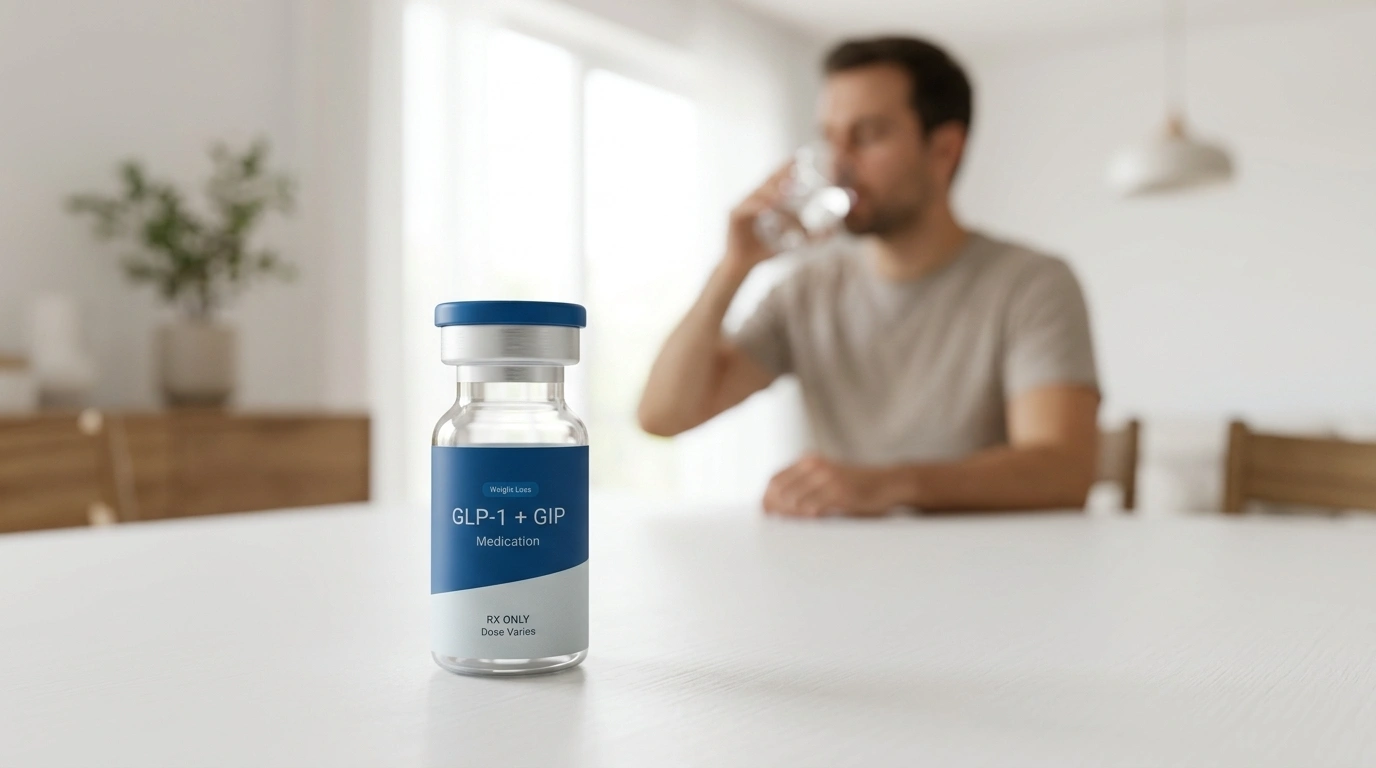
Tirzepatide is a unique medication known as a dual agonist. To understand how it works, we must look at two specific hormones in the body: glucose-dependent insulinotropic polypeptide (GIP) and glucagon-like peptide-1 (GLP-1). If you want a broader overview of the hormone itself, our guide on what GLP-1 does can help frame the science behind this class of treatments. These are natural incretin hormones released by the gut after we eat.
The GLP-1 receptor agonist component helps regulate blood sugar and slows down gastric emptying. This means food stays in your stomach longer, helping you feel full for a greater duration. It also signals the brain to reduce hunger and cravings. The GIP component is what sets tirzepatide apart from older single-agonist medications. GIP receptors are found in areas of the brain that regulate food intake and in fat tissue. Research suggests that by activating both pathways, tirzepatide may improve how the body breaks down sugar and fat more effectively than targeting GLP-1 alone.
Key Takeaway: Tirzepatide works by mimicking two different hormones (GIP and GLP-1) to reduce appetite, increase feelings of fullness, and improve metabolic efficiency.
Analyzing Clinical Trial Results
The most reliable data regarding tirzepatide comes from the SURMOUNT clinical trial program. These large-scale studies followed thousands of participants over extended periods to measure safety and efficacy.
The SURMOUNT-1 Trial
This was a landmark 72-week study involving over 2,500 adults with obesity or overweight who did not have diabetes. The results demonstrated a clear “dose-response” relationship, meaning higher doses generally led to greater weight loss.
| Tirzepatide Weekly Dose | Average Weight Loss (%) | Average Weight Loss (lbs) |
|---|---|---|
| 5 mg | 15.0% | ~35 lbs |
| 10 mg | 19.5% | ~49 lbs |
| 15 mg | 20.9% | ~52 lbs |
| Placebo | 3.1% | ~7 lbs |
Participants in this trial also saw significant improvements in waist circumference, blood pressure, and cholesterol levels.
The SURMOUNT-3 and SURMOUNT-4 Trials
These trials looked at what happens when tirzepatide is added to intensive lifestyle interventions or used for long-term maintenance. In SURMOUNT-3, participants first engaged in a 12-week intensive lifestyle program. Those who then added tirzepatide achieved an additional 21.1% weight loss over the following 72 weeks.
In SURMOUNT-4, researchers found that continuing the medication was key to maintaining results. Participants who stayed on tirzepatide for 88 weeks achieved a mean weight loss of 25.3%. In contrast, those who switched to a placebo after 36 weeks saw some weight regain, highlighting the role of these medications in managing the biological drivers of weight.
The Realistic Weight Loss Timeline
Weight loss on tirzepatide is not instantaneous. It is a steady process designed to help the body adjust safely. Most programs follow a titration schedule, which means starting at a low dose and gradually increasing it every four weeks.
Weeks 1–4: The Starting Phase During the first month, you typically start on a 2.5 mg dose. This “loading dose” is primarily intended to help your body acclimate to the medication and minimize potential side effects. While some individuals notice a decrease in “food noise” or cravings immediately, weight loss during this period is often modest, ranging from 1 to 5 pounds.
Months 2–5: The Escalation Phase As your provider increases your dose to 5 mg, 7.5 mg, and eventually 10 mg or higher, weight loss typically accelerates. During this phase, you may lose an average of 1% to 2% of your body weight per month. This is where most people begin to notice physical changes in how their clothes fit.
Month 6 and Beyond: The Plateau and Maintenance By the six-month mark, many individuals reach their “steady state” dose. Significant weight loss continues, but the rate may slow as the body reaches a new metabolic baseline. Clinical data shows that the most substantial cumulative weight loss occurs between months 12 and 18.
Factors That Influence Your Personal Results
While clinical averages provide a helpful benchmark, your individual journey may look different. Several factors play a role in how much weight you can expect to lose.
- Starting Weight and BMI: Individuals with a higher starting Body Mass Index (BMI) often see larger absolute weight loss in terms of pounds, even if the percentage remains similar to others.
- Metabolic Health: Underlying conditions like insulin resistance, polycystic ovary syndrome (PCOS), or hypothyroidism can affect the speed of weight loss.
- Consistency and Dosage: Reaching and maintaining the therapeutic dose recommended by your healthcare provider is essential. Skipping doses or staying on a low dose longer than necessary may result in slower progress.
- Lifestyle Integration: Tirzepatide is a tool, not a total replacement for healthy habits. Clinical trials combined the medication with a reduced-calorie diet and increased physical activity. Those who prioritize protein intake and regular movement typically see better results and more favorable changes in body composition.
Note: Individual results can vary significantly based on genetics and health history. It is important to work with a licensed healthcare provider to determine the right dosage and approach for your specific needs.
Branded Medications and Compounded Options
It is important to understand the different ways tirzepatide is available. Tirzepatide is the active ingredient in the branded medications Mounjaro® and Zepbound®. For a closer look at how these medications are discussed in the broader GLP-1 space, our overview of GLP-1 medications offers helpful context.
Mounjaro® is FDA-approved specifically for the treatment of type 2 diabetes, though providers may prescribe it for weight management. Zepbound® is FDA-approved specifically for chronic weight management in adults with obesity or overweight with at least one weight-related condition.
Because of high demand and occasional shortages of these branded products, some individuals access treatment through compounding pharmacies. Compounded tirzepatide is a customized medication prepared by a licensed pharmacist.
Important: Compounded tirzepatide is not FDA-approved. However, we ensure that the compounded medications available through the TrimRx platform are sourced from FDA-registered and inspected compounding pharmacies that adhere to strict quality standards.
Managing Potential Side Effects
Like any medication, tirzepatide can cause side effects as your body adjusts. Most side effects are gastrointestinal and occur during the dose escalation phase. If you want a deeper look at how this treatment class can affect digestion and appetite, this guide to GLP-1 therapy explains the mechanism in more detail.
Commonly reported side effects include:
- Nausea
- Diarrhea
- Constipation
- Indigestion or stomach pain
- Vomiting
Most of these symptoms are mild to moderate and tend to subside as your body becomes accustomed to the medication. To help manage these, we recommend staying well-hydrated, eating smaller meals more frequently, and focusing on lean proteins. If side effects become persistent or severe, it is vital to consult your healthcare provider to discuss a dose adjustment or other management strategies.
How to Get Started with a Personalized Program
Starting a weight loss journey can feel overwhelming, but modern telehealth has made the process more accessible. At TrimRx, we focus on removing the traditional barriers to care, such as long waiting rooms and confusing insurance requirements. If you are ready to take the next step, the best place to begin is to complete the free assessment quiz.
Step 1: Complete the Free Assessment The first step is a comprehensive online health quiz. This assessment asks about your medical history, your weight loss goals, and any previous attempts at weight management. This information helps licensed healthcare providers determine if tirzepatide is a safe and appropriate option for you.
Step 2: Consult with a Licensed Provider If you are eligible, you will be connected with a provider who will review your profile. They will discuss your options and, if appropriate, write a prescription for a personalized treatment program.
Step 3: Receive Your Medication Once your program is established, the medication is shipped directly from an FDA-registered compounding pharmacy to your door. All supplies, such as syringes or alcohol pads, are typically included.
Step 4: Ongoing Support Sustainable weight loss requires more than just a prescription. Our platform provides 24/7 access to specialists who can answer questions about dosage, side effects, and lifestyle changes throughout your journey.
Maximizing Your Success on Tirzepatide
To get the most out of your treatment, consider focusing on these three pillars of success:
- Prioritize Protein: As you lose weight, you want to ensure you are losing fat, not muscle. Aim for a high-protein diet to support muscle preservation and metabolic health.
- Stay Hydrated: GLP-1 and GIP medications can sometimes mask thirst signals. Drinking plenty of water helps manage side effects like constipation and keeps your energy levels stable.
- Incorporate Resistance Training: While any movement is beneficial, lifting weights or performing bodyweight exercises helps maintain lean muscle mass, which is crucial for keeping the weight off long-term.
Bottom line: While the medication does the heavy lifting biologically, your lifestyle choices create the foundation for permanent change.
The Path to Sustainable Weight Loss
The data is clear: tirzepatide is a highly effective tool for significant weight reduction. However, the true goal isn’t just a lower number on the scale — it’s better metabolic health, increased energy, and a reduced risk of weight-related complications.
We are committed to being your partner in this transformation. By merging clinical expertise with the convenience of telehealth, we provide a pathway to weight loss that is evidence-based and deeply personalized. Our mission is to help you move past the cycle of failed diets and embrace a lifestyle backed by science and supported by a dedicated team.
If you are ready to see what is possible for your health, the next step is simple. By taking our free assessment quiz, you can begin the process of discovering a program tailored specifically to your body and your goals.
FAQ
How fast will I see results on tirzepatide?
Most people begin to see a change in appetite within the first week, though significant weight loss usually becomes apparent after the first two months. Clinical trials show the most dramatic results occur once you reach the higher therapeutic doses, typically between months four and six.
What happens if I stop taking the medication?
Research from the SURMOUNT-4 trial suggests that obesity is a chronic condition, and many individuals may regain weight if the medication is stopped without a long-term maintenance plan. It is important to work with your provider to determine a titration-down strategy or a maintenance protocol that works for you.
Can I take tirzepatide if I only have a small amount of weight to lose?
Tirzepatide is generally indicated for adults with a BMI of 30 or greater, or a BMI of 27 or greater with at least one weight-related health condition. It is designed for chronic weight management rather than short-term cosmetic weight loss. A licensed provider will evaluate your specific health profile during your assessment. If you want to check whether you may qualify, start with the free assessment quiz.
Do I need to follow a specific diet while on tirzepatide?
While there is no “mandatory” diet, the medication is most effective when combined with a reduced-calorie, nutrient-dense eating plan. Focusing on high protein, fiber, and healthy fats while minimizing processed sugars will help maximize weight loss and minimize gastrointestinal side effects.
Disclaimer: This content is for informational purposes only and does not constitute medical advice. It is not intended to diagnose, treat, cure, or prevent any disease or condition. Individual results may vary. Always consult a qualified healthcare professional before starting any weight loss program or medication.

Transforming Lives, One Step at a Time
Keep reading

Why Did My Tirzepatide Leak Out After I Pulled the Needle Out?
A small drop of liquid at the injection site after you withdraw the needle is common and usually means you lost a negligible amount…

My Tirzepatide Vial Looks Cloudy. Is It Still Good?
If your tirzepatide vial looks cloudy, do not inject it. Tirzepatide solution should be clear and colorless to slightly yellow, with no visible particles….

How to Get Tirzepatide Hollywood — Prescribed Online Today
Get tirzepatide Hollywood through licensed telehealth — California residents receive FDA-registered compounded prescriptions shipped in 48 hours without


