How Often Can You Inject Ozempic? A Comprehensive Guide
Introduction
Introduction
Did you know that approximately 37 million Americans are living with diabetes? With such staggering numbers, understanding effective management options is crucial. For those diagnosed with type 2 diabetes, medications like Ozempic® have emerged as a popular choice due to their efficacy in lowering blood sugar levels. However, the question that often arises is: how often can you inject Ozempic?
Ozempic® is an injectable medication that contains the active ingredient semaglutide, which plays a significant role in controlling blood sugar levels. While it is primarily prescribed for diabetes management, many individuals are also curious about its potential for weight loss, although it is not officially approved for that purpose. This dual interest makes it essential to understand the correct usage, including injection frequency, dosage, and the overall treatment plan.
In this blog post, we will explore the recommended injection schedule for Ozempic®, how it works, potential side effects, and tips for effective administration. Our goal is to provide you with a complete understanding of how to incorporate Ozempic® into your diabetes management routine safely and effectively.
The Scope of This Article
By the end of this article, you will learn:
- The recommended frequency for injecting Ozempic®.
- How Ozempic® functions in the body to lower blood sugar levels.
- Important factors to consider when starting treatment.
- Tips for administering your injections properly.
- What to do if you miss a dose.
- Insights into potential side effects and how to manage them.
We believe that understanding your medication is vital for successful treatment. So, let’s dive deeper into the world of Ozempic® and clarify how often you should be injecting this important medication.
Understanding Ozempic®
What is Ozempic®?
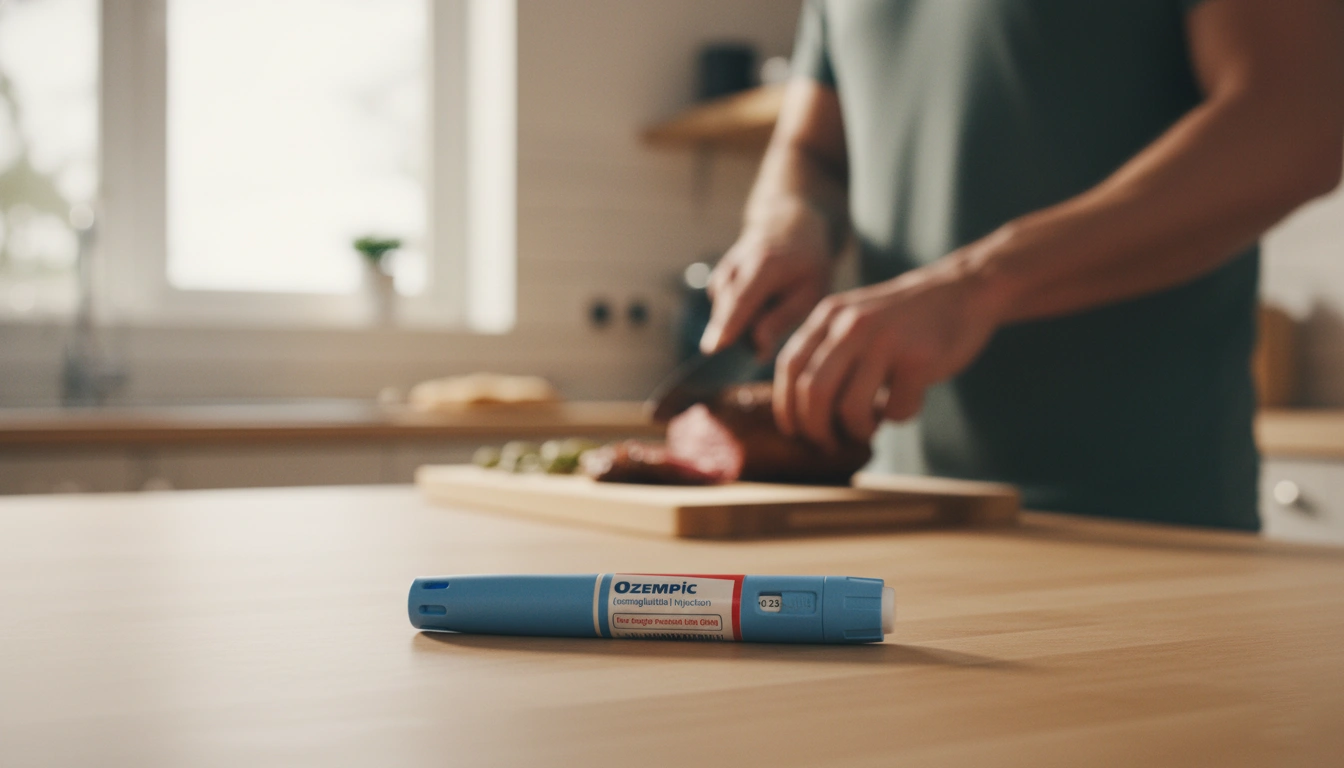
Ozempic® (semaglutide) is a once-weekly injectable medication that belongs to the GLP-1 receptor agonists class. It works by mimicking the action of incretin hormones, which are responsible for regulating insulin secretion in response to food intake. By enhancing insulin release, Ozempic® helps lower blood sugar levels, ultimately contributing to better glycemic control in adults with type 2 diabetes.
How Does Ozempic® Work?
When injected, Ozempic® activates GLP-1 receptors in the body, which leads to several beneficial effects:
- Increased Insulin Secretion: It stimulates the pancreas to produce more insulin when needed, especially after meals.
- Decreased Glucagon Secretion: Ozempic® inhibits the release of glucagon, a hormone that increases blood sugar levels, thereby helping to maintain lower blood sugar levels.
- Delayed Gastric Emptying: This slows down the rate at which food leaves the stomach, which can help control appetite and reduce food intake.
While Ozempic® is not officially approved for weight loss, many patients have reported weight loss as a secondary effect of using the medication. This has led to growing interest in its potential benefits for individuals looking to manage their weight alongside diabetes.
Recommended Injection Frequency
The standard dosing schedule for Ozempic® involves a once-weekly injection. This means that you will administer the medication only one time each week, preferably on the same day each week, to maintain consistent levels of the drug in your system. The specific dosage will depend on your treatment plan, which is typically initiated with a lower dose to help your body adjust.
- Starting Dosage: The initial dose of Ozempic® is usually 0.25 mg once a week for the first four weeks. This allows your body to adapt to the medication and minimizes the risk of gastrointestinal side effects, which are common when starting treatment.
- Maintenance Dosage: After the initial four weeks, the dosage is typically increased to 0.5 mg once a week. For patients needing additional blood sugar control, the dose may be increased further to 1 mg or 2 mg after at least four weeks on the 0.5 mg dose. The maximum recommended dose is 2 mg once weekly.
- Flexible Injection Timing: While it is essential to take Ozempic® on the same day each week, you can choose any time of day for the injection, with or without food. If you need to change your injection day, make sure that the last dose was taken at least two days before (more than 48 hours).
Tips for Effective Administration
Proper administration of Ozempic® is crucial for maximizing its benefits. Here are some helpful tips to ensure you’re injecting the medication correctly:
- Prepare Your Supplies: Ensure that you have your Ozempic® pen, a new needle, and alcohol wipes ready before beginning the injection process.
- Choose the Injection Site: Ozempic® can be injected into the abdomen, thigh, or upper arm. It’s important to rotate injection sites to avoid irritation and damage to the skin.
- Check the Pen: Before each use, check that the pen is functioning correctly by performing a flow check. This ensures that the medication is ready to be administered.
- Follow Injection Steps: Administer the injection according to the instructions provided with your pen. This typically includes cleaning the injection site, inserting the needle, pressing the button to deliver the dose, and holding the needle in place for a few seconds afterward to ensure the full dose is received.
- Dispose of Used Needles Safely: Always use a sharps container for disposing of used needles to prevent injury and contamination.
What to Do if You Miss a Dose
Missing a dose can happen, and it’s essential to know how to handle it properly. If you forget to inject Ozempic®:
- If you remember within 5 days: Inject the missed dose as soon as you recall, and then continue with your regular schedule.
- If more than 5 days have passed: Skip the missed dose and resume your regular weekly schedule. Do not double up on doses to make up for the missed one.
Potential Side Effects
Like any medication, Ozempic® can cause side effects. While many individuals tolerate it well, being aware of potential adverse effects is important for managing your treatment effectively. Some common side effects include:
- Gastrointestinal Issues: Nausea, vomiting, diarrhea, and abdominal pain are the most frequently reported side effects. These are often more pronounced when first starting the medication or when increasing the dose. Over time, many individuals find that these symptoms diminish.
- Injection Site Reactions: Some patients may experience redness, swelling, or itching at the injection site. Rotating injection locations can help mitigate this.
- Serious Side Effects: Although rare, serious side effects can occur. These include pancreatitis, kidney problems, or allergic reactions. If you experience severe abdominal pain, persistent vomiting, or signs of an allergic reaction (like rash, difficulty breathing, or swelling), seek medical attention immediately.
Conclusion
Understanding how often to inject Ozempic® and adhering to the recommended guidelines is vital for achieving optimal results in managing type 2 diabetes. By following the once-weekly injection schedule and being mindful of how to administer the medication properly, you can harness the benefits of Ozempic® effectively.
At TrimRx, we believe in providing personalized care and support for individuals on their weight loss and health journeys. If you’re considering Ozempic® or are looking for additional support in your diabetes management, we encourage you to take our free assessment quiz to determine your eligibility for prescription weight loss medications. You can take the quiz here.
Furthermore, for those seeking quick-access supplements to complement their weight loss journey, we offer options like our GLP-1 Daily Support and Weight Loss Boost.
FAQ
Can I change the day I inject Ozempic®?
Yes, you can change the day of the week you inject Ozempic® as long as your last dose was taken at least 48 hours prior.
What if I forget my Ozempic® injection?
If you remember within five days, inject it as soon as possible. If more than five days have passed, skip the missed dose and resume your regular schedule.
How should I store Ozempic®?
Before first use, store Ozempic® in the refrigerator. After first use, it can be kept at room temperature or refrigerated for up to 56 days.
Is Ozempic® effective for weight loss?
While Ozempic® is not FDA-approved for weight loss, many patients report weight loss as a secondary effect of using the medication. Consult your healthcare provider for more information.
What should I do if I experience side effects?
If you experience common side effects like nausea or abdominal pain, communicate with your healthcare provider. For serious side effects or allergic reactions, seek immediate medical attention.
By staying informed and proactive about your treatment, you can effectively manage your diabetes and enhance your overall well-being. Together, we can navigate this journey, and we are here to support you every step of the way.

Transforming Lives, One Step at a Time
Keep reading

How to Get Ozempic or Semaglutide in Miami
Miami’s wellness culture runs deep, and GLP-1 medications have become a significant part of that conversation across the city. From Brickell to Coral Gables…

How to Get Ozempic or Semaglutide in Los Angeles
Los Angeles has no shortage of wellness clinics, concierge medicine practices, and weight loss programs promising access to the latest treatments. Semaglutide is at…

How to Get Ozempic or Semaglutide in Chicago
Chicago residents looking for semaglutide have more options than they might realize, and fewer of those options require setting foot in a clinic than…


