How to Administer Tirzepatide Safely and Effectively
Introduction
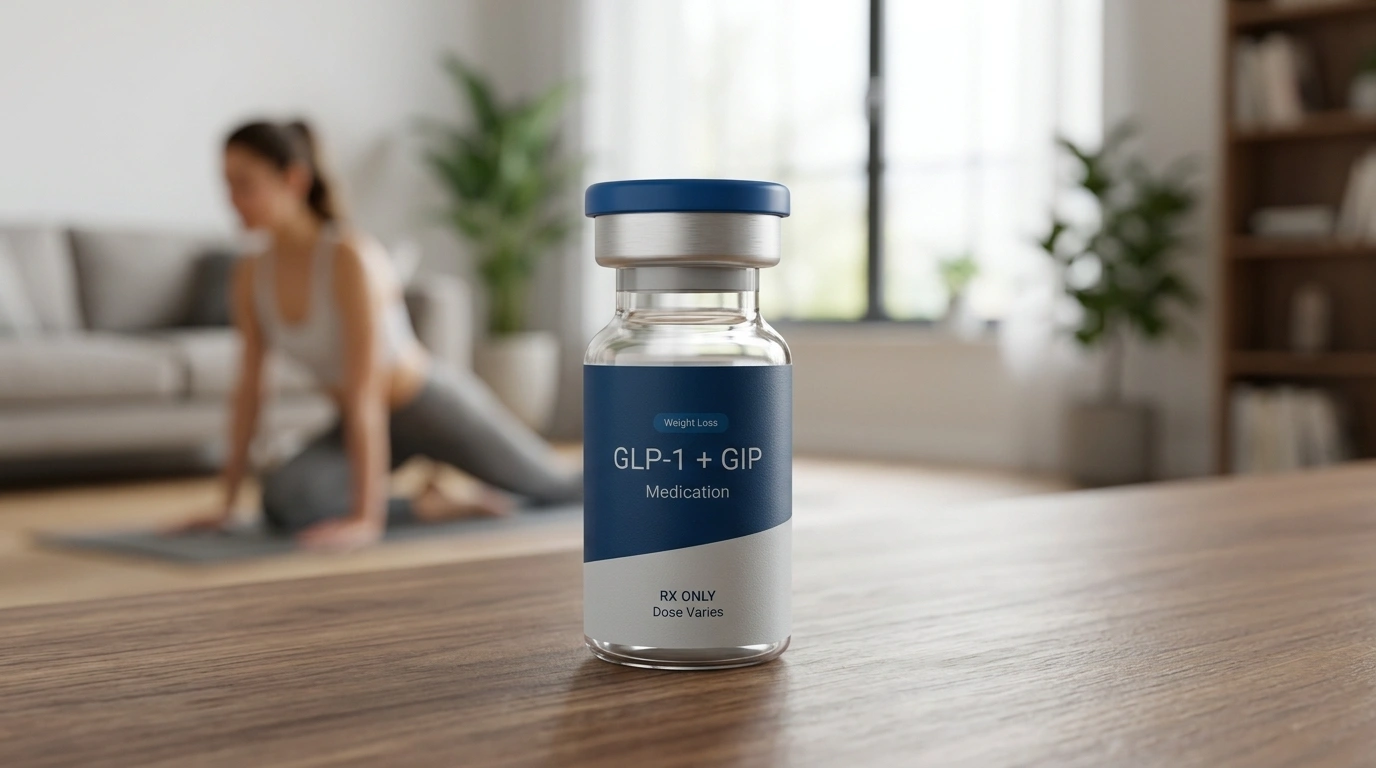
Standing in your kitchen with a medication vial or pen for the first time can feel like a significant moment. Many individuals starting their weight loss journey feel a mix of excitement and understandable hesitation about the self-injection process. We understand that the transition from traditional weight management to a clinical program involves a learning curve. At TrimRx, we believe that clarity and preparation are the best tools for overcoming any anxiety related to medication administration. This guide provides a detailed walkthrough of how to prepare your space, handle the medication, and perform the injection with confidence. By following these evidence-based steps, you can ensure you are receiving your treatment accurately while minimizing discomfort. We will cover everything from site selection to proper storage, helping you focus on your long-term health goals.
If you still need to confirm eligibility, you can complete the free assessment quiz before you begin.
Quick Answer: Tirzepatide is administered once weekly via a subcutaneous injection into the fatty tissue of the stomach, thigh, or back of the upper arm. You must clean the area with alcohol, pinch the skin (if necessary), and insert the needle at a 90-degree angle to ensure the medication is delivered correctly.
Understanding Tirzepatide and How It Works
Before focusing on the “how” of administration, it is helpful to understand the “what” and “why.” Tirzepatide is a dual-acting medication. It belongs to a class of drugs known as dual GIP (glucose-dependent insulinotropic polypeptide) and GLP-1 (glucagon-like peptide-1) receptor agonists. While you may be familiar with GLP-1 medications like Semaglutide, Tirzepatide adds a second hormone pathway to its mechanism.
These two hormones work together to help manage weight in several ways. First, they signal the brain to increase feelings of fullness and satisfaction after eating. Second, they slow down gastric emptying, which means food stays in your stomach longer, naturally reducing the urge to snack. Finally, they help your body manage blood sugar levels more efficiently.
This dual action makes Tirzepatide a potent tool for those who have struggled with traditional dieting. However, because it is a peptide—a small chain of amino acids—it cannot be taken as a standard pill because stomach acids would break it down before it could be absorbed. This is why a subcutaneous injection is required. Subcutaneous means “under the skin,” specifically into the layer of fat between the skin and the muscle. This allows the medication to be absorbed slowly and steadily into the bloodstream over the course of a week.
Preparing for Your First Administration
The key to a successful experience is preparation. You should never feel rushed when administering your medication. Choose a time of day when you are least likely to be interrupted, and ensure you have a clean, well-lit workspace.
Gathering Your Supplies
Before you begin, gather all the necessary items. Having everything within reach prevents you from having to stop mid-process. You will typically need:
- Your Tirzepatide medication (vial or pre-filled pen)
- A fresh alcohol prep pad
- A sterile syringe (if using a vial)
- A cotton ball or gauze pad
- An FDA-cleared sharps disposal container
Checking the Medication
Always inspect your medication before use. Tirzepatide should be clear and colorless to slightly yellowish. If the liquid looks cloudy, contains visible particles, or appears discolored, do not use it. Check the expiration date on the label as well. Using expired medication can be ineffective or potentially unsafe.
Key Takeaway: Always allow your medication to sit at room temperature for about 15 to 30 minutes before injecting. Cold medication can sometimes cause a slight “sting” during the injection, while room-temperature liquid usually goes in much more comfortably.
Choosing and Rotating Injection Sites
Tirzepatide is designed for subcutaneous use only. This means the needle should only go into the fatty tissue, not into a vein or a muscle. There are three primary areas recommended for these injections:
- The Abdomen: This is the most common site. You should aim for at least two inches away from your belly button. Avoid any areas with scars, moles, or skin irritation.
- The Thigh: The front and outer area of the thigh is an excellent choice, especially for those who find the abdomen sensitive.
- The Upper Arm: The back part of the upper arm (the fleshy area) is also an option. Since this can be difficult to reach on your own, you may need assistance if you choose this site.
For a closer look at site selection, how to take a tirzepatide shot step by step covers the process in more detail.
The Importance of Site Rotation
It is vital to rotate your injection site every week. You do not have to switch from the stomach to the thigh every time; you can simply move to a different spot within the same general area. For example, if you injected on the left side of your abdomen last week, move to the right side this week.
Note: Constant injection in the exact same spot can lead to “lipohypertrophy,” which is a buildup of fatty tissue under the skin. This can make the area feel lumpy and may interfere with how the medication is absorbed.
Step-by-Step Guide to Administering Tirzepatide
If you are using a compounded version of the medication, you will likely be using a vial and a syringe. If you are using a branded version like Mounjaro® or Zepbound®, you will use a pre-filled auto-injector pen. While the delivery method differs slightly, the preparation and safety rules remain the same.
Step 1: Wash Your Hands
Thoroughly wash your hands with soap and warm water. Cleanliness is the most important factor in preventing infection at the injection site. Dry your hands with a clean towel.
Step 2: Prepare the Injection Site
Use an alcohol prep pad to clean the skin where you plan to inject. Wipe in a circular motion and allow the skin to air dry completely. Do not blow on the skin to dry it, as this can introduce bacteria.
Step 3: Draw the Medication (For Vials Only)
If you are using a vial and syringe, follow these sub-steps:
- Remove the plastic cap from the vial and wipe the rubber stopper with a fresh alcohol pad.
- Pull the plunger of the syringe back to the line that matches your prescribed dose, filling the syringe with air.
- Push the needle through the rubber stopper and inject the air into the vial. This equalizes the pressure and makes drawing the liquid easier.
- Turn the vial upside down. Pull the plunger back slowly to the line of your prescribed dose.
- Check for air bubbles. If you see any, gently tap the side of the syringe so the bubbles rise to the top, then push the plunger slightly to expel the air.
Step 4: The Injection
Once the medication is ready and the skin is dry:
- Gently pinch a fold of skin at the cleaned site (this helps ensure you stay in the fatty layer).
- Hold the syringe or pen like a dart and insert the needle at a 90-degree angle (straight in).
- Push the plunger down or activate the pen’s button. If using a pen, you will usually hear a “click” when the injection starts and another “click” when it is finished.
- Hold the needle in place for about 5 to 10 seconds to ensure the full dose is delivered.
Step 5: Post-Injection Care
Withdraw the needle straight out. You may see a small drop of blood or a tiny bit of clear liquid; this is normal. You can press a cotton ball or gauze pad against the site for a few seconds. Do not rub the area, as this can cause bruising or irritation.
Step 6: Safe Disposal
Immediately place your used syringe or pen into a sharps disposal container. Never throw needles into the regular trash. If you do not have a dedicated sharps container, a heavy-duty plastic container with a screw-on lid (like a laundry detergent bottle) can serve as a temporary alternative until you can dispose of it at a designated collection site.
Comparison of Injection Methods
| Feature | Vial and Syringe | Pre-filled Auto-injector Pen |
|---|---|---|
| Visibility | You can see the medication clearly. | The needle is usually hidden. |
| Dose Control | You manually draw the dose. | The dose is pre-set in the device. |
| Flexibility | Easier to adjust dose if directed. | Fixed dose per pen. |
| Disposal | Smaller sharps waste. | Larger device for disposal. |
| Common Use | Common for compounded versions. | Standard for branded medications. |
Managing Dosing and Titration Schedules
When you begin your program with us, you won’t start at the highest dose. Tirzepatide is administered using a “titration” schedule. This means you start at a low dose—typically 2.5mg once per week—to allow your body to adjust to the medication.
After four weeks, your provider may increase your dose to 5mg, and so on, until you reach a “maintenance dose” that is effective for your weight loss goals without causing unmanageable side effects.
Consistency is vital. You should aim to take your medication on the same day every week. You can take it with or without food, and at any time of day. Many people find that injecting in the evening helps them “sleep through” any initial nausea that might occur shortly after the dose.
Key Takeaway: If you need to change your “injection day,” you can do so as long as there are at least three days (72 hours) between doses.
Storage and Handling Requirements
Proper storage is essential for maintaining the stability and potency of Tirzepatide. Because Tirzepatide is a protein-based medication, it is sensitive to extreme temperatures and light.
- Refrigeration: Your medication should be stored in the refrigerator between 36°F and 46°F (2°C to 8°C).
- Do Not Freeze: Never freeze your medication. If the liquid has frozen, it is no longer safe or effective to use, even if it thaws.
- Travel and Room Temp: If you are traveling, the medication can usually stay at room temperature (up to 86°F) for up to 21 days. However, once it has been at room temperature, it should not be put back into the refrigerator for long-term storage.
- Light Protection: Keep the medication in its original carton or away from direct sunlight to protect it from light degradation.
Addressing Side Effects During Administration
While Tirzepatide is generally well-tolerated, the most common side effects are gastrointestinal. These occur because the medication slows down your digestion. You might experience:
- Nausea
- Diarrhea or constipation
- Heartburn or indigestion
- Decreased appetite (which is the intended effect)
Most of these symptoms are mild and tend to decrease as your body gets used to the medication. If you want a fuller overview of common experiences, GLP-1 side effects in 2026 is a helpful companion read.
To help manage them:
- Eat smaller meals: Stop eating as soon as you feel full.
- Stay hydrated: Drink plenty of water throughout the day.
- Avoid greasy or spicy foods: These can trigger heartburn when digestion is slowed.
- Try ginger or peppermint: These can help soothe mild nausea.
If you experience severe abdominal pain, persistent vomiting, or signs of an allergic reaction (like hives or difficulty breathing), contact a healthcare professional immediately.
What to Do If You Miss a Dose
Life happens, and you might occasionally forget your scheduled injection. If you miss a dose, check how many days have passed:
- If it has been 4 days or less: Take the missed dose as soon as you remember. Then, continue with your usual weekly schedule.
- If it has been more than 4 days: Skip the missed dose entirely and wait until your next regularly scheduled day.
- Never take two doses at once: This significantly increases the risk of severe side effects.
If you miss more than two consecutive doses, we recommend reaching out to your clinical team through the TrimRx platform. They can advise you on whether you need to restart at a lower dose to avoid gastrointestinal distress.
The TrimRx Personalized Approach
At TrimRx, we do more than just provide access to medication. We provide a structured environment where your health is monitored by licensed professionals. Our telehealth-first model means you can manage your entire weight loss journey from the comfort of your home.
When you start our program, you begin with a free assessment quiz. This helps our partner providers understand your medical history, your BMI, and your specific goals. If you are a candidate for Tirzepatide, a provider will write a prescription, and your medication will be prepared by a licensed compounding pharmacy.
We prioritize transparency. This means you will always know exactly what you are taking and how to use it. Our platform provides 24/7 access to specialists who can answer questions about your administration technique or help you manage side effects. We also offer specialized supplements, such as GLP-1 Daily Support supplement, which is designed to provide the specific nutrients your body needs while on a caloric deficit.
Conclusion
Administering Tirzepatide is a skill that becomes second nature very quickly. By following a consistent routine—checking your medication, choosing a new injection site each week, and maintaining proper storage—you set yourself up for the best possible results. Remember that the journey to metabolic health is a marathon, not a sprint. Small, consistent actions like your weekly injection are what lead to sustainable change.
Our mission is to empower you with the tools, science, and medical support needed to reclaim your health. Whether you are just starting or are looking for a more personalized telehealth experience, we are here to guide you through every step. If you are ready to see whether a prescription program is the right fit, take the free assessment quiz. For more context on longer-term outcomes, Tirzepatide 6 month weight loss and real results offers a useful companion read.
Next Steps:
- Prepare your “injection station” with the necessary supplies.
- Set a weekly reminder on your phone to maintain consistency.
- If you haven’t yet started your journey, take our free assessment quiz to see if a personalized program is right for you.
FAQ
Can I inject Tirzepatide into my muscle?
No, Tirzepatide must be injected into the subcutaneous fat layer, not the muscle. Muscle injections can cause the medication to be absorbed too quickly, which may increase side effects and reduce the duration of the drug’s effectiveness.
What should I do if I see a bubble in the syringe?
A small air bubble is generally not harmful in a subcutaneous injection, but it can affect the accuracy of your dose. To remove it, gently tap the syringe until the bubble rises to the top and then slightly depress the plunger to push the air out before injecting.
Does it matter what time of day I take my injection?
You can take Tirzepatide at any time of day, regardless of your meal schedule. The most important factor is consistency; try to take it on the same day every week to maintain steady levels of the medication in your system.
Why does the injection site sometimes itch or turn red?
Mild redness, itching, or a small bump at the injection site is a common reaction and usually resolves within a few days. This is often caused by the needle itself or the skin’s reaction to the medication; however, if the area becomes hot, very painful, or the redness spreads, you should consult a healthcare provider.
Disclaimer: This content is for informational purposes only and does not constitute medical advice. It is not intended to diagnose, treat, cure, or prevent any disease or condition. Individual results may vary. Always consult a qualified healthcare professional before starting any weight loss program or medication.

Transforming Lives, One Step at a Time
Keep reading

Amycretin vs Tirzepatide: How They Compare
Amycretin and tirzepatide aren’t really competitors yet, because only one of them is available. Tirzepatide (sold as Zepbound and Mounjaro) is FDA approved, on…
Retatrutide vs Tirzepatide: How They Compare
Retatrutide and tirzepatide are both once-weekly injections made by Eli Lilly, but they sit at very different points in their life cycle. Tirzepatide (sold…

VK2735 vs Tirzepatide: Challenger vs Champion
VK2735 versus tirzepatide is a challenger-versus-champion matchup.


