How to Administer Tirzepatide Injection Correctly
Introduction
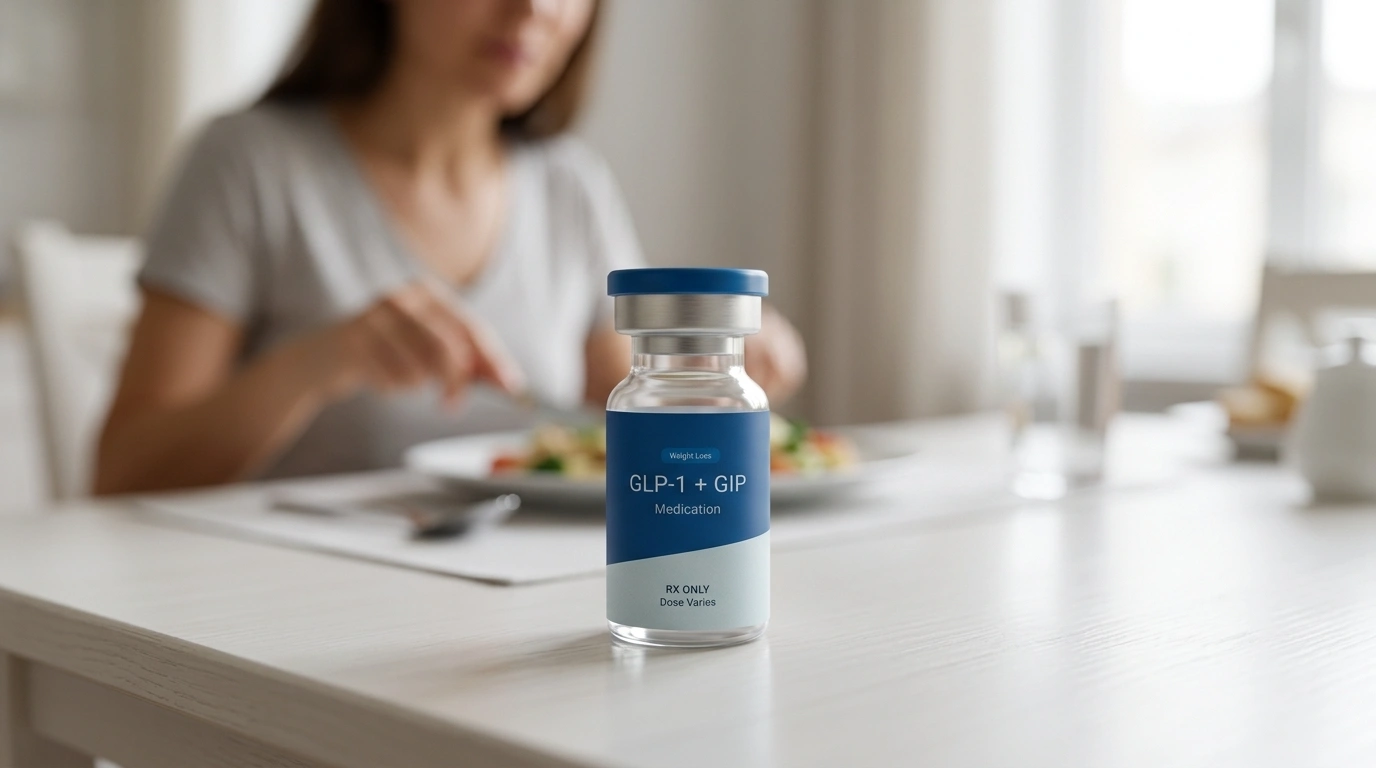
Standing in front of a small vial or an injector pen for the first time can feel overwhelming. You have made the decision to prioritize your metabolic health, and now you are faced with the practical reality of a weekly injection. It is completely normal to feel a bit of hesitation or even a slight fear of needles. However, learning how to administer tirzepatide injection is a straightforward process that quickly becomes a simple part of a weekly routine. At TrimRx, we believe that understanding the “how” and “why” of your treatment is essential for building confidence and achieving long-term success. This guide walks you through every step of the preparation, injection, and aftercare process for both branded and compounded versions of the medication. By following these evidence-based steps, you can ensure your medication is delivered safely and effectively to support your wellness journey.
If you are still deciding whether prescription weight management may be appropriate for you, you can complete a free eligibility assessment.
Understanding Tirzepatide and How It Works
Before picking up your medication, it helps to understand what it is doing in your body. Tirzepatide is a dual-acting medication known as a GIP (glucose-dependent insulinotropic polypeptide) and GLP-1 (glucagon-like peptide-1) receptor agonist. These are hormones naturally produced by your body that help regulate blood sugar and appetite.
While GLP-1 helps slow down how quickly your stomach empties and tells your brain you are full, GIP is thought to further improve how the body breaks down sugar and fats. Together, they work to reduce food cravings and help you feel satisfied with smaller portions. This dual action is why many people find it highly effective for weight management. Because it is a protein-based medication, it must be injected into the fatty tissue under the skin (subcutaneously) rather than taken as a pill, as stomach acid would break it down before it could work.
For additional background, read this overview of how GLP-1 medications work.
Choosing the Right Injection Site
Selecting where to administer your dose is the first step in the process. Tirzepatide should be injected into the subcutaneous fat, which is the layer of fat just beneath the skin and above the muscle. There are three primary areas recommended for these injections:
- The Abdomen: This is often the most common site. You should aim for at least two inches away from the belly button.
- The Thigh: The front or outer portion of the thigh is an excellent choice, especially for those who find it easier to reach while sitting down.
- The Back of the Upper Arm: This area is effective but may require the help of another person to ensure the needle enters at the correct angle.
It is vital to rotate your injection sites every week. If you choose your abdomen one week, you might choose your thigh the next, or simply use a different “quadrant” of your stomach. Rotating sites helps prevent the skin from thickening or developing small lumps, a condition called lipohypertrophy, which can interfere with how the medication is absorbed.
For more guidance on injection locations, review this guide to choosing a GLP-1 injection site.
Key Takeaway: Always rotate your injection site each week to maintain healthy skin and ensure the medication is absorbed consistently by the body.
Preparing Your Environment and Supplies
A successful injection starts with a clean and organized workspace. You do not need a medical clinic to do this safely; your kitchen table or bathroom counter works perfectly as long as it is clean.
First, gather your supplies. If you are using a branded medication like Mounjaro® or Zepbound®, you will have a single-use auto-injector pen. If you are using compounded tirzepatide through our platform, you will typically have a vial of medication and a pack of sterile, disposable syringes. Regardless of the format, you will also need alcohol swabs and a sharps container for safe disposal.
Before touching any of your supplies, wash your hands thoroughly with soap and warm water for at least 20 seconds. This simple step is the most effective way to prevent site infections. Once your hands are clean, inspect the medication. The liquid should be clear and colorless or slightly yellowish. If the liquid looks cloudy, has changed color, or contains visible particles, do not use it and contact your provider.
How to Administer Branded Tirzepatide Pens
Branded versions of tirzepatide, such as Mounjaro® and Zepbound®, come in pre-filled, single-dose auto-injector pens. These are designed for ease of use, as the needle is hidden and the device handles the delivery of the medication automatically.
Step 1: Inspect and Prepare. Take one pen out of the refrigerator. Check the expiration date and ensure the dose matches your current prescription. Let the pen sit at room temperature for about 30 minutes, as injecting cold medication can sometimes cause a slight stinging sensation.
Step 2: Clean the Site. Use an alcohol swab to clean the skin at your chosen injection site. Let the skin air dry completely; do not blow on it, as this can introduce bacteria.
Step 3: Remove the Cap. Pull the base cap off the pen. Do not touch the needle or put the cap back on, as this could damage the internal mechanism.
Step 4: Place and Unlock. Place the clear base of the pen flat against your skin at the injection site. Turn the lock ring to the “unlock” position.
Step 5: Inject and Hold. Press and hold the purple injection button. You will hear a loud click, which signals the start of the injection. Continue holding the pen firmly against your skin. You will hear a second click a few seconds later. This indicates the injection is complete. You will also see a gray plunger in the clear part of the pen. You can then remove the pen from your skin and dispose of it in a sharps container.
How to Administer Compounded Tirzepatide from a Vial
Many people use compounded tirzepatide, which is prepared by specialized, FDA-registered compounding pharmacies. While these medications are not FDA-approved in the same way branded drugs are, they provide a flexible option for many patients. This method involves using a traditional syringe and vial.
Step 1: Prep the Vial. Remove the plastic flip-cap from the vial. Use a fresh alcohol swab to wipe the rubber stopper on top of the vial. This ensures that no bacteria are pushed into the vial when you insert the needle.
Step 2: Prepare the Syringe. Remove the cap from the syringe needle. Pull the plunger back to draw air into the syringe. The amount of air should equal the volume of medication you intend to draw. For example, if your dose is 0.5ml, draw 0.5ml of air.
Step 3: Equalize Pressure. Push the needle through the rubber stopper of the vial and depress the plunger to push the air into the vial. This creates pressure that makes it much easier to draw the liquid out.
Step 4: Draw the Dose. Turn the vial and syringe upside down. Ensure the needle tip is submerged in the liquid. Pull back on the plunger slowly until you reach the line that corresponds to your prescribed dose.
Step 5: Remove Air Bubbles. Check the syringe for air bubbles. If you see any, gently tap the side of the syringe so the bubbles rise to the top, then push the plunger slightly to expel the air. Once the dose is accurate and the air is gone, remove the needle from the vial.
Step 6: The Injection. Clean your skin with an alcohol swab. Gently pinch a fold of skin at the injection site. Insert the needle at a 90-degree angle (straight in). Push the plunger down completely. Wait five seconds before withdrawing the needle to ensure all the medication stays under the skin.
For broader information about accessing injectable treatment, see this guide to getting GLP-1 injections.
Bottom line: Whether using an auto-injector pen or a syringe and vial, the goal is a sterile, subcutaneous delivery. Take your time and focus on hygiene at every step.
Post-Injection Safety and Needle Disposal
Once the injection is complete, you might see a small drop of blood or a tiny bit of liquid at the site. This is normal. You can press a cotton ball or gauze over the area for a few seconds, but do not rub it, as rubbing can irritate the tissue and affect absorption.
Safe disposal is a non-negotiable part of the process. Never throw needles, syringes, or auto-injector pens into the regular household trash. This poses a significant risk to sanitation workers and your family. Use a dedicated sharps container. If you do not have a professional one, you can use a heavy-duty plastic container with a tight-fitting, puncture-resistant lid, such as an empty laundry detergent bottle. Label it clearly as “Biohazard” or “Sharps” and follow your local community guidelines for hazardous waste disposal.
Best Practices for Storage and Handling
Tirzepatide is a sensitive medication that requires specific storage conditions to remain potent. It should be kept in the refrigerator between 36°F and 46°F (2°C to 8°C). Do not store it in the freezer or the door of the refrigerator, as temperature fluctuations are more common in those areas.
If you are traveling, the medication can typically remain at room temperature (up to 86°F or 30°C) for up to 21 days, but you should always keep it out of direct sunlight and away from heat sources. If the medication freezes, it must be discarded, as freezing destroys the protein structure of the drug.
For additional storage and handling guidance, read this practical guide to storing and traveling with GLP-1 medication.
Note: If you ever accidentally leave your medication out in the heat or find it has frozen in the back of the fridge, consult your healthcare provider or pharmacist before using it.
Managing Common Injection Side Effects
It is common to experience some mild reactions at the injection site. This might include redness, itching, or a small bruise. Most of these symptoms go away on their own within a day or two. To minimize discomfort, ensure you are not injecting into the same spot twice in a row and that you allow the alcohol on your skin to dry completely before the needle enters.
Some people also experience systemic side effects like nausea or indigestion shortly after their weekly dose. These often occur because the medication is slowing down gastric emptying. Eating smaller, bland meals on the day of your injection and staying well-hydrated can help. Many of our members find that supplements like GLP-1 Daily Support can also help manage the transition as the body adjusts to the medication.
For more information, review this tirzepatide side-effect management guide.
Troubleshooting: What to Do If Things Go Wrong
Even with careful preparation, mistakes can happen. Understanding how to handle them calmly is part of being an informed patient.
If you miss a dose: If you realize you missed your scheduled injection, you can take it as soon as you remember, provided it is within four days of the scheduled time. If more than four days have passed, skip the missed dose and wait for your next regularly scheduled day. Never take two doses at once to make up for a missed one.
If you see a “wet” injection: If a significant amount of liquid leaks out of the skin after you pull the needle away, it is often referred to as a “wet injection.” This usually happens if the needle is removed too quickly. Do not attempt to inject a second dose to make up for what leaked. Simply note it and ensure you hold the needle in place for a full five to ten seconds during your next dose.
If you hit a small blood vessel: Occasionally, you might hit a small capillary, resulting in a minor bruise or a drop of blood. This is not dangerous and does not mean the medication won’t work. It is simply a sign that you should try a slightly different spot next week.
Creating a Routine for Success
The most successful weight loss journeys are built on consistency. Choosing a specific day and time for your injection helps your body maintain a steady level of the medication. Many people choose Friday or Saturday so they can manage any potential early side effects over the weekend, while others prefer Mondays to help curb “weekend overeating” habits.
TrimRx is designed to support you through every stage of this process. Our personalized programs provide you with access to clinical experts who can answer questions about your specific dosage or technique. We understand that medical weight loss is about more than just the medication; it is about the support system that surrounds it.
If you are considering a prescription program, you can see whether you may qualify for personalized care.
Myth: “Injections are painful and difficult for non-professionals to do at home.” Fact: Modern needles are incredibly thin—often thinner than a strand of hair. Most people describe the sensation as a quick pinch that is much less painful than a typical blood draw at a doctor’s office.
How to Prepare for Your First Consultation
If you are considering starting a program that includes tirzepatide, your first step is a clinical assessment. This involves sharing your medical history, your previous attempts at weight loss, and your current health goals. Telehealth has made this process more accessible than ever, allowing you to connect with providers from the comfort of your home.
During this process, be prepared to discuss:
- Any history of thyroid issues or pancreatitis.
- Your current medications and supplements.
- Your lifestyle, including diet and physical activity levels.
- Your comfort level with self-injection.
A personalized approach ensures that the medication and the dosage are appropriate for your specific biological needs. This medical supervision is vital for safely navigating the path to sustainable weight management.
To learn more about the assessment and treatment process, take the free assessment quiz.
Conclusion
Mastering the administration of a tirzepatide injection is a significant milestone in your health journey. It represents a commitment to taking an active role in your metabolic well-being. By following the proper steps—selecting the right site, maintaining hygiene, and disposing of needles safely—you turn a clinical task into a simple, weekly act of self-care. At TrimRx, we are proud to stand with you, offering the science-backed tools and empathetic guidance needed to make these changes last. Whether you are using a branded pen or a compounded vial, the goal remains the same: a healthier, more vibrant you. If you are ready to take the next step toward a personalized, medically supervised program, your journey starts with a simple assessment.
Key Takeaway: Success with tirzepatide comes from a combination of correct administration, consistent dosing, and a supportive clinical team.
Take the first step today by completing the free assessment quiz to see if a personalized weight loss program is right for you.
FAQ
Which injection site is the most effective for weight loss?
Clinical studies generally show that the absorption of tirzepatide is similar across the three recommended sites: the abdomen, thigh, and upper arm. Some patients report fewer side effects, like nausea, when injecting in the thigh, but this varies from person to person. The most important factor is rotating your site weekly to prevent skin irritation.
Should I take my tirzepatide injection on an empty stomach?
You can take your injection at any time of day, with or without food. Because it is a subcutaneous injection, its absorption is not affected by what is in your stomach. However, some people find that taking the injection in the evening after a light meal helps them sleep through any initial mild nausea that might occur.
What should I do if the medication is cloudy?
If your tirzepatide liquid appears cloudy, discolored, or has visible particles floating in it, you should not use it. This can be a sign that the medication has been exposed to extreme temperatures or has otherwise degraded. Contact your provider or the dispensing pharmacy immediately to report the issue and arrange for a replacement.
Can I travel with my tirzepatide?
Yes, you can travel with your medication. For flights, it is recommended to keep your medication in your carry-on luggage to avoid the extreme temperature changes in the cargo hold. While it can stay at room temperature for up to 21 days, using an insulated travel case with a small gel pack is a good idea for long trips to ensure it stays within the recommended temperature range.
If you are considering treatment and want to discuss whether a personalized program may be appropriate, start with the free assessment quiz.
Disclaimer: This content is for informational purposes only and does not constitute medical advice. It is not intended to diagnose, treat, cure, or prevent any disease or condition. Individual results may vary. Always consult a qualified healthcare professional before starting any weight loss program or medication.

Transforming Lives, One Step at a Time
Keep reading
Marathon Training on Tirzepatide When You Can’t Fuel
You have a plan on the fridge and a medication that has made eating feel optional. Those two things are in genuine conflict, and…

Hormone Replacement Therapy and Tirzepatide: Is There an Interaction?
The question that matters is whether your hormone therapy is oral or transdermal, because that determines whether the one plausible interaction applies to you….

Can You Build Muscle While Losing Weight on Tirzepatide?
Possible for some people and unlikely for others, and the difference is mostly about where you are starting from. Someone new to resistance training…


