Avoiding Loose Skin After Weight Loss: The Real Story
You’ve done the hard work. You’ve committed to a new lifestyle, changed your habits, and the numbers on the scale are finally moving in the right direction. It's a significant, sometimes dramatic shift, and it’s something to be incredibly proud of. But as you celebrate this milestone, another concern often creeps in, a question we hear all the time from our clients: what about loose skin? It’s a valid fear, one that can cast a shadow over an otherwise incredible achievement. The idea of trading one body-image concern for another is frustrating, and frankly, a little disheartening.
Let’s be honest, the internet is a sprawling, confusing landscape of miracle creams, aggressive workout plans, and conflicting advice on how to avoid loose skin after weight loss. It can feel impossible to know what’s real and what’s just marketing fluff. At TrimrX, our expertise isn't just in facilitating weight loss through advanced GLP-1 treatments; it's in guiding our clients through the entire transformation. That includes managing the physiological changes that come with it. We've found that with the right strategy—one grounded in science and a sustainable pace—you can significantly influence how your skin adapts. This isn't about magic; it's about biology. And we're here to walk you through it.
Understanding Your Skin: The Science of Elasticity
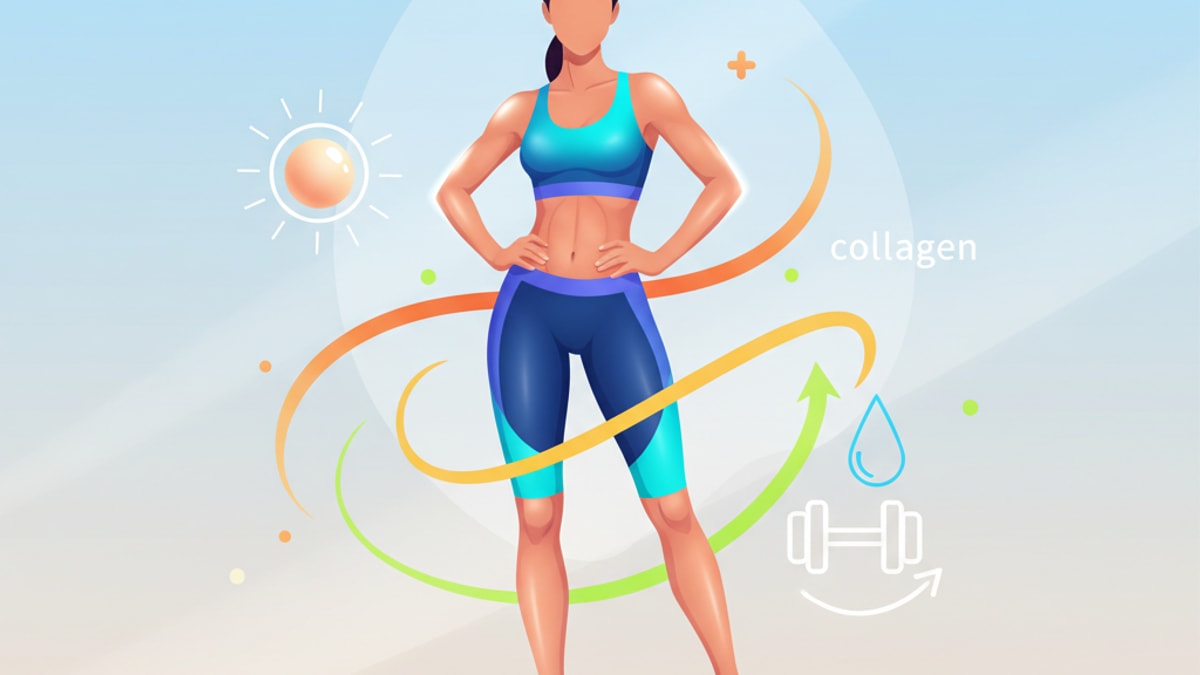
Before we can talk about solutions, we need to understand the problem. Think of your skin as a highly advanced, living fabric. Its ability to stretch and snap back into place comes from two critical protein fibers in its deeper layer, the dermis: collagen and elastin. Collagen provides structure and firmness, like the scaffolding of a building. Elastin, as its name suggests, is all about elasticity—it's what allows your skin to return to its original shape after being pulled or stretched.
When you gain weight over a period of time, your skin stretches to accommodate the increased volume. It’s an amazing feat of biological engineering. However, if that weight is held for a long time, or if the weight gain is substantial, the collagen and elastin fibers can become damaged and lose some of their natural retractile strength. When you then lose that weight, especially rapidly, the skin has less volume to cover, but the overstretched fibers may not have the ability to shrink back down completely. It’s like a rubber band that’s been stretched out for too long; it just doesn’t have the same snap. Several factors influence this process: how much weight you lost, how quickly you lost it, your age (collagen production naturally declines as we get older), genetics, and cumulative sun exposure, which is catastrophic for collagen integrity.
The Pace of Progress: Why Slow and Steady Wins the Race
We can't stress this enough: the single most impactful factor you can control in preventing loose skin is the speed of your weight loss. In a world of instant gratification, this is a tough pill to swallow. But a crash diet that has you shedding ten pounds in a week is one of the worst things you can do for your skin's elasticity. Rapid weight loss, particularly from extreme calorie restriction, doesn't just burn fat; it often cannibalizes muscle mass and deprives your body of the essential nutrients needed to maintain healthy skin.
Our team has found that a sustainable rate of weight loss—typically around 1 to 2 pounds per week—gives your skin a fighting chance. This gradual reduction in volume allows those collagen and elastin fibers more time to adapt and retract. It’s a marathon, not a sprint. This is one of the core principles behind medically supervised weight loss programs like ours at TrimrX. The use of GLP-1 medications helps regulate appetite and metabolism, promoting a consistent, controlled rate of weight loss that your body, and your skin, can actually keep up with. It avoids the chaotic, yo-yo effect of crash dieting that is so damaging to skin integrity over the long term. This measured approach isn't just better for your skin; it’s profoundly more effective for keeping the weight off for good. It builds habits, re-calibrates your body's systems, and sets you up for a lifetime of success.
Build Your Foundation: The Critical Role of Muscle
When people think of weight loss, they almost always picture cardio. Hours on the treadmill, the elliptical, the stair climber. And while cardiovascular exercise is absolutely essential for heart health and calorie expenditure, it's only one piece of the puzzle. If you're serious about minimizing loose skin, resistance training is non-negotiable.
Think about it this way: when you lose a significant amount of weight, you're losing the subcutaneous fat that once sat directly beneath your skin, plumping it up. This can leave a void. Building lean muscle helps to fill that space. It creates a firm, toned layer underneath the skin, giving it a solid foundation to rest on. This provides a smoother, tighter appearance that fat loss alone simply cannot achieve. You aren't just losing mass; you're recomposing your body, swapping soft, shapeless volume for strong, defined muscle. Our experience shows that clients who incorporate a consistent strength training routine (2-3 times per week is a great start) report much higher satisfaction with their final results. They don't just feel smaller; they feel stronger, more sculpted, and more confident in their new bodies.
Don't be intimidated by the idea of lifting weights. This doesn't mean you need to become a competitive bodybuilder. The goal is progressive overload—gradually challenging your muscles to grow stronger over time. This can be achieved with dumbbells, resistance bands, bodyweight exercises, or gym machines. The key is consistency. A well-rounded program that targets all major muscle groups is the most effective strategy.
Feed Your Skin from the Inside Out
You can buy the most expensive creams in the world, but if your diet is lacking, you're fighting a losing battle. Healthy, resilient skin is built from within. It requires a specific set of raw materials to produce and maintain its crucial collagen and elastin fibers. Here's what we've learned is most important:
- Protein is Paramount: Collagen is a protein. To build it, your body needs amino acids, the building blocks of protein. If you're not consuming enough high-quality protein, you're essentially starving your skin of the very materials it needs to repair and tighten itself. We recommend aiming for lean sources like chicken breast, fish, eggs, Greek yogurt, lentils, and high-quality protein supplements. This is especially important during active weight loss to ensure you're preserving lean muscle mass while shedding fat.
- Vitamin C is a Co-Factor: Your body cannot synthesize collagen without Vitamin C. It's a critical, non-negotiable element in the process. Think of it as the spark plug that ignites the collagen engine. Excellent sources include citrus fruits, bell peppers, strawberries, broccoli, and kiwi. A deficiency here can directly impair your skin's ability to firm up.
- Healthy Fats for Healthy Cells: Don't fear the fat! Healthy fats, particularly omega-3 fatty acids, are essential for maintaining strong, hydrated skin cell membranes. A hydrated skin cell is a plump, healthy skin cell. You'll find these beneficial fats in foods like salmon, avocados, walnuts, chia seeds, and olive oil. They help give the skin a supple, moisturized appearance from the inside.
- Hydration, Hydration, Hydration: This one seems obvious, but its importance is often underestimated. Dehydrated skin is less plump and has significantly less resilience. Water is crucial for maintaining skin elasticity and delivering nutrients to your skin cells. While the old 'eight glasses a day' rule is a good starting point, your needs may vary based on your activity level and climate. A good indicator? Your urine should be a pale, straw-like color. Drinking plenty of water is one of the simplest and most effective things you can do for your skin's health during and after weight loss.
A Realistic Look at Creams, Treatments, and Procedures
Now, this is where it gets interesting. The beauty industry is a multi-billion dollar machine built on promises. So, what actually works when it comes to topical treatments and professional procedures for loose skin? Let's be unflinchingly honest.
For mild skin laxity, certain ingredients and treatments can make a noticeable difference. Topically, products containing retinoids (like retinol or tretinoin) can help stimulate collagen production over time with consistent use. Hyaluronic acid is fantastic for hydration, which can temporarily plump the skin and improve its appearance. But it's crucial to manage expectations. No cream is going to magically shrink a significant amount of excess skin. These are tools for optimization, not miracles in a bottle.
When we move into professional, in-office procedures, the results become more pronounced. Treatments like microneedling, radiofrequency (RF) therapy, and ultrasound therapy work by creating a controlled 'injury' to the deeper layers of the skin. This process stimulates your body's natural healing response, which includes a surge in new collagen and elastin production. Over a series of treatments, this can lead to visible firming and tightening. They can be an excellent adjunct to a healthy lifestyle for someone with moderate skin laxity.
However, for individuals who have lost a massive amount of weight (often 100 pounds or more), there's a point where the skin has been stretched beyond its biological capacity to fully retract. In these cases, the most effective—and often the only—solution for removing significant folds of excess skin is surgery, such as a tummy tuck, arm lift, or body lift. This is a major decision and should be discussed thoroughly with a qualified plastic surgeon after your weight has been stable for at least six months.
Here’s a quick comparison of the different approaches:
| Approach | How It Works | Best For | Realistic Outcome | Average Cost |
|---|---|---|---|---|
| Topical Creams (Retinoids, Peptides) | Stimulate collagen production and increase cell turnover over time. | Mild skin laxity, improving texture and fine lines. | Subtle improvement in skin quality and firmness with long-term, consistent use. | $ – $$ |
| Microneedling / Radiofrequency | Creates controlled micro-injuries to trigger the body's natural collagen and elastin production. | Mild to moderate skin laxity on the face, neck, and body. | Noticeable tightening and firming over a series of 3-6 treatments. Results are gradual. | $$ – $$$ |
| Lifestyle (Diet, Exercise, Hydration) | Provides the building blocks for skin health and fills underlying space with muscle. | Everyone. This is the foundational approach for prevention and mitigation. | Significantly improves the skin's ability to retract and provides a firm base. The most powerful preventative tool. | $ |
| Surgical Removal (Body Contouring) | Physically removes excess skin and tightens underlying tissues. | Significant, extensive loose skin after massive weight loss. | Dramatic, immediate, and permanent removal of excess skin. The gold standard for severe cases. | $$$$ |
The TrimrX Advantage: A Smarter Path to Transformation
So, how does all of this tie back to a medically supervised weight loss program? Simple. Our entire philosophy is built around creating a healthy, sustainable, and effective transformation. It’s not just about the number on the scale; it's about achieving a result you can be proud of and maintain for life. When you embark on a journey with us, you're not just getting access to powerful GLP-1 medications like Semaglutide and Tirzepatide. You're getting a comprehensive, medically-guided strategy.
Our program intrinsically supports skin health because we prioritize a steady, controlled rate of weight loss. We help you avoid the drastic, rapid drops that wreak havoc on skin elasticity. Our medical team provides guidance on nutrition and exercise, ensuring you're fueling your body correctly to preserve muscle mass and support collagen synthesis throughout your journey. We're your partners in this process, helping you navigate the complexities of body recomposition. If you're ready to lose weight in a way that respects your body's biology and sets you up for the best possible aesthetic outcome, we encourage you to Take Quiz to see if you're a candidate.
Losing weight is a formidable achievement. It's a journey of discipline, resilience, and self-discovery. The concern about loose skin is real, but it doesn't have to define your outcome. By focusing on a gradual pace, building a strong muscular foundation, nourishing your body from the inside out, and staying consistently hydrated, you give your skin the absolute best environment to adapt. It's about working with your body, not against it. That's the key to a transformation that is not only visible on the scale but also feels incredible in the mirror. When you're ready to begin a smarter, medically-guided journey, we're here. Start Your Treatment now and take the first step towards a lasting change.
Frequently Asked Questions
Will I definitely get loose skin if I lose over 100 pounds?
▼
While losing a large amount of weight increases the likelihood of some loose skin, it’s not an absolute certainty for everyone. Factors like age, genetics, how long you were overweight, and adherence to preventative strategies like strength training and a slow pace of loss play a huge role in the final outcome.
How long does it take for skin to tighten after weight loss?
▼
Skin retraction is a gradual process that can take anywhere from several months to even a year or two after your weight has stabilized. Patience is key; giving your skin time to adapt, while continuing to support it with good nutrition and muscle-building exercise, is the best approach.
Does drinking collagen supplements actually help with loose skin?
▼
The evidence is still emerging, but some studies suggest that hydrolyzed collagen peptides may improve skin hydration and elasticity. While it’s not a magic bullet, our team sees it as a potentially helpful supplement to a diet already rich in protein and other skin-supporting nutrients.
Can I target specific areas like my stomach or arms to prevent loose skin?
▼
Unfortunately, you can’t spot-reduce fat or spot-tighten skin. The best strategy is a holistic one. Building muscle in a specific area (like doing bicep curls for arms or core work for your stomach) can help fill out the skin in that region, but overall skin elasticity is systemic and depends on your total-body health.
Is loose skin a medical concern, or is it just cosmetic?
▼
For most people, loose skin is primarily a cosmetic issue. However, in cases of massive weight loss, large skin folds can sometimes cause medical issues like rashes, chafing, and infections due to trapped moisture. If this occurs, it’s important to consult with a medical professional.
At what age does it become harder to avoid loose skin?
▼
Our bodies’ natural collagen production begins to decline in our late 20s and early 30s. While you can certainly avoid loose skin at any age, it becomes more of a challenge as you get older because your skin’s inherent elasticity is reduced. This makes preventative measures even more critical.
Does smoking affect skin elasticity during weight loss?
▼
Absolutely. Smoking is catastrophic for your skin. It constricts blood vessels, depriving your skin of oxygen and essential nutrients, and it directly accelerates the breakdown of collagen and elastin. Quitting smoking is one of the best things you can do for your skin’s health and appearance.
Will I have more loose skin if I lose weight with GLP-1 medications?
▼
No, the method of weight loss doesn’t determine skin laxity; the speed and amount of weight lost do. In fact, because GLP-1 medications like those used at TrimrX promote a steadier, more sustainable rate of loss, they can actually be more beneficial for skin than crash diets that cause rapid, muscle-depleting weight reduction.
Do skin-firming lotions you can buy at the drugstore work?
▼
Most over-the-counter firming lotions offer temporary, cosmetic effects, primarily through hydration which plumps the skin. While they can improve the skin’s appearance and feel, they do not fundamentally change its structure or permanently tighten it. Look for ingredients like retinol for a better chance at long-term, albeit modest, results.
Is it better to do cardio or strength training to prevent loose skin?
▼
Both are important for a healthy weight loss journey, but for combating loose skin, strength training is the clear winner. Building lean muscle provides a firm base underneath the skin, helping to create a tighter, more toned appearance. A combination of both is the ideal approach for overall health and body composition.
Can staying hydrated really make that much of a difference for loose skin?
▼
Yes, it’s a foundational piece of the puzzle. Proper hydration keeps your skin cells plump and resilient, which directly impacts overall elasticity. While it won’t single-handedly prevent loose skin after massive weight loss, chronic dehydration will certainly make the problem worse.
What role does sun exposure play in loose skin after weight loss?
▼
Sun exposure is one of the biggest external factors that damages collagen and elastin. Cumulative sun damage over the years degrades your skin’s structural integrity, making it far less likely to snap back after being stretched. Protecting your skin from the sun is a critical, long-term strategy for preserving its firmness.

Transforming Lives, One Step at a Time
Keep reading

Do You Need a Prescription for GLP-1s? The 2026 Answer
Wondering ‘do you need a prescription for glp 1’ in 2026? Yes. We explain why a doctor’s oversight is critical for safe, effective results.

How to Get GLP-1 Covered By Insurance: Our 2026 Playbook
Struggling with how to get glp-1 covered by insurance? Our 2026 guide breaks down prior authorizations, appeals, and documentation.

Traveling with GLP-1s in 2026: Your Essential Trip-Proof Plan
Don’t let travel disrupt your GLP-1 treatment. Learn how to travel with glp 1 medications safely and stress-free in our 2026 expert guide.


