How to Avoid Low Blood Sugar on Mounjaro
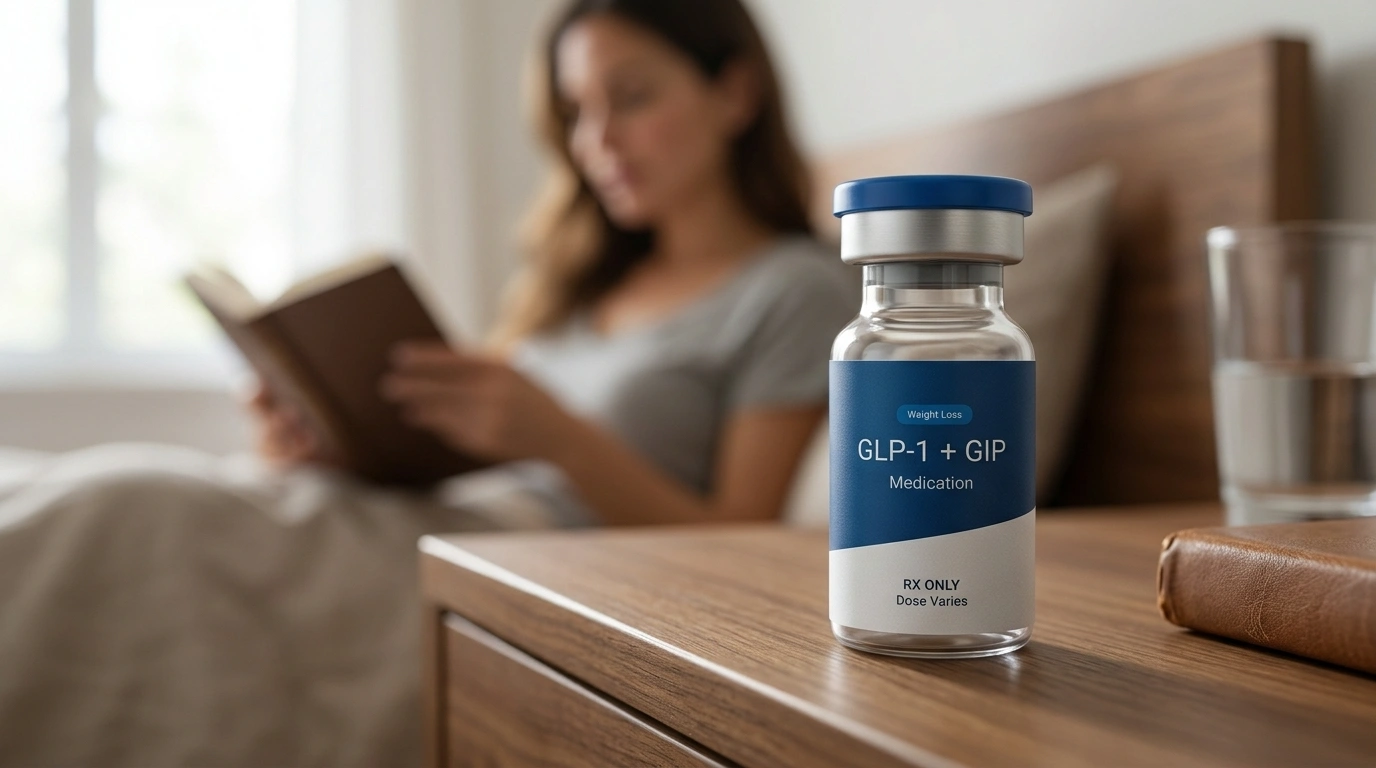
Table of Contents
- Introduction
- Understanding Tirzepatide and Glucose Regulation
- Identifying the Symptoms of Low Blood Sugar
- Practical Strategies to Maintain Blood Sugar Stability
- The Role of Hydration and Electrolytes
- Exercise and Blood Sugar Timing
- Managing Medication Interactions
- Using the 15-15 Rule for Emergencies
- How Personalization Prevents Complications
- When to Contact a Professional
- Supporting Your Journey with Targeted Nutrition
- Conclusion
- FAQ
Introduction
Starting a journey with a medication like Mounjaro® often brings a mix of excitement and caution. While the potential for weight loss and metabolic improvement is significant, many people worry about how their body will react to shifts in glucose levels. You might have experienced that sudden wave of shakiness or a mid-afternoon energy crash and wondered if your blood sugar is dropping too low. At TrimRx, we believe that understanding your body’s signals is the first step toward a successful and sustainable health transformation. This post covers the biological mechanisms of glucose regulation, how to recognize the early warning signs of hypoglycemia, and practical dietary strategies to maintain stability. By combining clinical insights with mindful lifestyle choices, you can navigate your treatment with confidence and safety.
For additional context, read our guide to how Mounjaro can cause low blood sugar.
Understanding Tirzepatide and Glucose Regulation
Mounjaro® is a brand-name medication containing tirzepatide, a dual-acting receptor agonist. This means it mimics two different hormones in the body: glucagon-like peptide-1 (GLP-1) and glucose-dependent insulinotropic polypeptide (GIP). Both of these hormones play a critical role in how your body handles sugar after you eat. When you consume a meal, these hormones signal your pancreas to release insulin, which moves sugar out of the bloodstream and into your cells for energy.
The unique mechanism of tirzepatide allows it to lower blood sugar in a “glucose-dependent” manner. This is a vital distinction for safety. In most cases, the medication only prompts the pancreas to release extra insulin when your blood sugar is actually high. When your sugar levels are normal or low, the medication’s effect on insulin secretion diminishes. However, while the risk is lower than with some older medications, low blood sugar—clinically known as hypoglycemia—can still occur, especially if you are also taking other glucose-lowering drugs or significantly changing your eating habits.
Key Takeaway: Tirzepatide works by mimicking natural hormones that regulate insulin, but its glucose-dependent nature helps reduce the risk of extreme blood sugar drops compared to traditional insulin therapies.
If you are considering a medically supervised prescription program, you can complete a free eligibility assessment.
Identifying the Symptoms of Low Blood Sugar
Learning to read your body’s unique “alarm system” is essential for avoiding severe drops. Hypoglycemia occurs when your blood glucose levels fall below the range your body needs to function optimally. For many, this is typically defined as anything below 70 mg/dL, though your personal threshold may vary based on your health history.
Common early signs of low blood sugar can be subtle and easily confused with general fatigue. You might notice a sudden onset of hunger or a slight trembling in your hands. As the levels drop further, the symptoms often become more pronounced and harder to ignore. Physical indicators include:
- Sudden shakiness or jitters: Feeling internal tremors or unsteady hands.
- Excessive sweating or chills: Clammy skin that feels cold to the touch.
- Rapid heartbeat: A sensation of your heart racing or skipping beats.
- Dizziness or lightheadedness: Feeling as though you might faint if you stand up too quickly.
- Anxiety or irritability: Unexplained mood shifts or a feeling of “doom.”
If blood sugar continues to fall, it can affect your cognitive function. You might experience blurred vision, confusion, or difficulty concentrating on simple tasks. In some cases, people report feeling “spaced out” or having trouble finding the right words during a conversation. Recognizing these signs the moment they appear allows you to take corrective action before the situation becomes an emergency.
For a broader overview, review this guide to tirzepatide side effects and how to manage them.
Practical Strategies to Maintain Blood Sugar Stability
Consistent meal timing is one of the most effective ways to prevent glucose dips. When using GLP-1 or GIP medications, your digestion slows down. This is called delayed gastric emptying. Because food stays in your stomach longer, you may feel full for extended periods, which can lead you to skip meals entirely. However, going too long without any form of nourishment can cause your baseline glucose to trend downward.
Focus on “grazing” with nutrient-dense snacks if large meals feel overwhelming. Instead of three massive meals, try five smaller “mini-meals” throughout the day. This provides your body with a steady stream of fuel without taxing your digestive system.
Prioritizing protein and fiber at every meal creates a “buffer” for your blood sugar. Protein and fiber slow the absorption of carbohydrates into the bloodstream. This prevents the “spike and crash” cycle that often leads to symptomatic hypoglycemia. For example, rather than eating a piece of fruit alone, pair it with a handful of almonds or a piece of string cheese.
For more meal-planning ideas, explore how to get the most out of GLP-1 treatment.
Bottom line: Avoiding long periods of fasting and pairing carbohydrates with protein or healthy fats helps maintain a steady “middle ground” for your glucose levels throughout the day.
The Role of Hydration and Electrolytes
Hydration is frequently overlooked but is a cornerstone of metabolic health. Dehydration can sometimes mimic the symptoms of low blood sugar, such as dizziness, headache, and fatigue. When you are on a weight loss program, your body processes stored energy and clears metabolic waste, both of which require plenty of water.
Electrolyte balance is just as important as total water intake. Medications like tirzepatide can change how your body manages fluids. If you are drinking a lot of water but not replenishing minerals like sodium, potassium, and magnesium, you might feel weak or shaky. Using a sugar-free electrolyte supplement, like the GLP-1 Daily Support supplement, can help bridge this gap without adding unnecessary glucose to your system.
For more information about fluid intake, read the connection between hydration and metabolic health.
Be cautious with alcohol consumption while using these medications. Alcohol can interfere with the liver’s ability to release stored glucose into the bloodstream. If you drink on an empty stomach while taking a GLP-1 or GIP agonist, your blood sugar may drop significantly hours later. If you choose to have a drink, always do so alongside a meal containing complex carbohydrates.
Exercise and Blood Sugar Timing
Physical activity increases your muscle cells’ sensitivity to insulin. This is generally a positive effect, as it helps your body use sugar more efficiently. However, intense exercise can sometimes cause blood sugar to drop too quickly if you haven’t fueled properly beforehand.
Monitor how you feel during and after different types of workouts. Cardiovascular exercise, like running or cycling, tends to lower blood sugar more rapidly than resistance training. If you plan a long or high-intensity workout, consider having a small snack containing 15 grams of carbohydrates about 30 minutes before you start.
For additional guidance, review this article about exercise and weight loss.
Check your levels after your workout as well. The “afterburn” effect of exercise can keep your metabolism elevated for hours, which may lead to a delayed drop in blood sugar later in the evening. If you exercise in the late afternoon, ensure your dinner contains a slow-digesting carbohydrate, like sweet potatoes or quinoa, to keep your levels stable overnight.
Managing Medication Interactions
The risk of hypoglycemia increases significantly when Mounjaro® is combined with other medications. If you are currently taking insulin or a class of drugs called sulfonylureas for type 2 diabetes, you must be extra vigilant. These medications actively push blood sugar down, and when combined with the effects of a GIP/GLP-1 agonist, they can work “too well.”
Regular communication with your healthcare provider is non-negotiable. At TrimRx, we emphasize that every program should be personalized to the individual’s current medical profile. Your provider may need to adjust the dosages of your other medications when you start your weight loss program. Never adjust your prescription doses on your own; always seek professional guidance to ensure the transition is handled safely.
Note: If you have a history of frequent hypoglycemia or are taking other glucose-lowering medications, discuss a specific monitoring plan with your doctor before starting any new weight loss treatment.
If you are evaluating whether a personalized program may be appropriate, find out if GLP-1 medications are right for you.
Using the 15-15 Rule for Emergencies
If you suspect your blood sugar is low, you should act quickly using a structured approach. The “15-15 Rule” is a standard clinical recommendation for managing mild to moderate hypoglycemia.
- Check your blood sugar: Use a glucose monitor if you have one to confirm the level is below 70 mg/dL.
- Consume 15 grams of fast-acting carbs: This should be something that enters the bloodstream quickly, such as 4 ounces of fruit juice, a tablespoon of honey, or glucose tablets.
- Wait 15 minutes: Give your body time to absorb the sugar.
- Re-check your levels: If your blood sugar is still below 70 mg/dL, consume another 15 grams of carbohydrates and repeat the process.
Once your levels have returned to a safe range, eat a small snack with protein. This helps “anchor” your blood sugar so it doesn’t drop again. A slice of whole-grain toast with peanut butter or a small container of Greek yogurt is an excellent choice for stabilization.
How Personalization Prevents Complications
A “one-size-fits-all” approach to weight loss is often where safety issues arise. Every person’s metabolic rate, activity level, and sensitivity to medication are different. This is why we focus on creating tailored programs that account for your unique health history. By using a telehealth platform, you have the advantage of ongoing support and the ability to report side effects as they happen.
Our process starts with a comprehensive assessment. We look at your goals and medical background to help determine the most appropriate path forward. Whether you are prescribed compounded semaglutide or compounded tirzepatide, having a dedicated team of specialists ensures that your dosage is titrated—meaning increased slowly—to allow your body to adapt. This gradual approach is one of the best ways to minimize side effects like nausea or sudden glucose shifts.
Key Takeaway: Proper medical supervision and a slow, measured approach to dosage increases can significantly reduce the likelihood of experiencing adverse blood sugar events.
When to Contact a Professional
While mild shakiness can often be managed at home, certain symptoms require immediate medical attention. If you experience severe confusion, loss of consciousness, or seizures, these are signs of dangerously low blood sugar. Ensure that your family or close friends are aware that you are on a metabolic medication and know the signs of a severe reaction.
You should also reach out to your provider if you notice a pattern of “lows.” If you find yourself needing to treat hypoglycemia multiple times a week, it is a sign that your program needs adjustment. This might mean changing your meal timing, increasing your caloric intake, or modifying your medication dosage. Do not wait for a major event to occur; proactive communication is the best tool in your wellness toolkit.
Supporting Your Journey with Targeted Nutrition
Optimizing your results involves more than just managing the medication. To feel your best, you need to ensure your body has the micronutrients required for metabolic function. When your appetite is suppressed, every bite you take needs to count.
Consider specialized supplements designed for GLP-1 users. Products like our Weight Loss Boost supplement are formulated to support energy levels and metabolic health during your program. These can be particularly helpful if you find it difficult to meet all your nutritional needs through food alone while your body is adjusting to the medication. These “quick-access” options are available without a prescription and serve as a helpful adjunct to a balanced diet.
Conclusion
Avoiding low blood sugar on Mounjaro® is largely about preparation and mindfulness. By recognizing the early signs of hypoglycemia, maintaining a consistent eating schedule, and staying hydrated, you can enjoy the benefits of your weight loss journey without the discomfort of glucose crashes. Remember that your body is undergoing a significant metabolic shift, and it is normal to need a period of adjustment.
At TrimRx, our mission is to empower you with the tools, science, and support necessary to achieve sustainable health. We are committed to a transparent, personalized approach that puts your safety and long-term success first. If you are ready to see how a medically supervised, telehealth-based program can change your life, your next step is simple.
Take the first step toward a healthier you by completing our free health assessment quiz today.
FAQ
What are the first signs that my blood sugar is dropping?
The earliest signs usually include a sudden feeling of shakiness, sweating, or intense hunger. You might also feel an unexplained sense of anxiety or notice your heart beating faster than usual. If you feel “off” or jittery shortly after exercise or a long period without food, it is a good idea to check your levels or have a small, balanced snack.
Can I get low blood sugar on Mounjaro® even if I don’t have diabetes?
While it is much less common in individuals without type 2 diabetes, it is still possible. This usually happens if you are in a significant calorie deficit, exercising intensely without extra fuel, or consuming alcohol on an empty stomach. Because the medication slows down digestion, you might not feel hungry even when your body actually needs glucose.
What is the fastest way to raise my blood sugar if it gets too low?
The most effective way is to consume 15 grams of simple carbohydrates, such as glucose tablets, four ounces of fruit juice, or a tablespoon of honey. These are “fast-acting” because they don’t require much digestion and enter the bloodstream almost immediately. Avoid high-fat snacks like chocolate or cake for an immediate fix, as the fat slows down the absorption of the sugar you need.
How can a personalized program help me avoid these side effects?
A personalized program through a platform like ours ensures that your medication dosage is tailored specifically to your body’s tolerance and health needs. By working with licensed providers who understand the nuances of GLP-1 and GIP therapies, you receive guidance on titration and nutrition that minimizes the risk of sudden drops. Regular check-ins allow for adjustments before minor symptoms become larger problems. You can start with a personalized health assessment.
Disclaimer: This content is for informational purposes only and does not constitute medical advice. It is not intended to diagnose, treat, cure, or prevent any disease or condition. Individual results may vary. Always consult a qualified healthcare professional before starting any weight loss program or medication.

Transforming Lives, One Step at a Time
Keep reading

Mounjaro Alternatives: What Else to Consider
If Mounjaro isn’t the right fit, the closest alternatives are other GLP-1 medications, chiefly semaglutide (Ozempic for diabetes, Wegovy for weight), along with a…

Mounjaro vs Zepbound: Same Drug, Two Brands
Like their semaglutide counterparts, Mounjaro and Zepbound are the same medication (tirzepatide) sold under two names for two purposes: Mounjaro is approved for type…

Retatrutide vs Mounjaro: Triple Agonist vs Dual Agonist
The core difference between retatrutide and Mounjaro comes down to how many hormone targets each hits: retatrutide activates three receptors, while Mounjaro (tirzepatide) activates…


