Practical Tips on How to Counteract Zepbound Side Effects
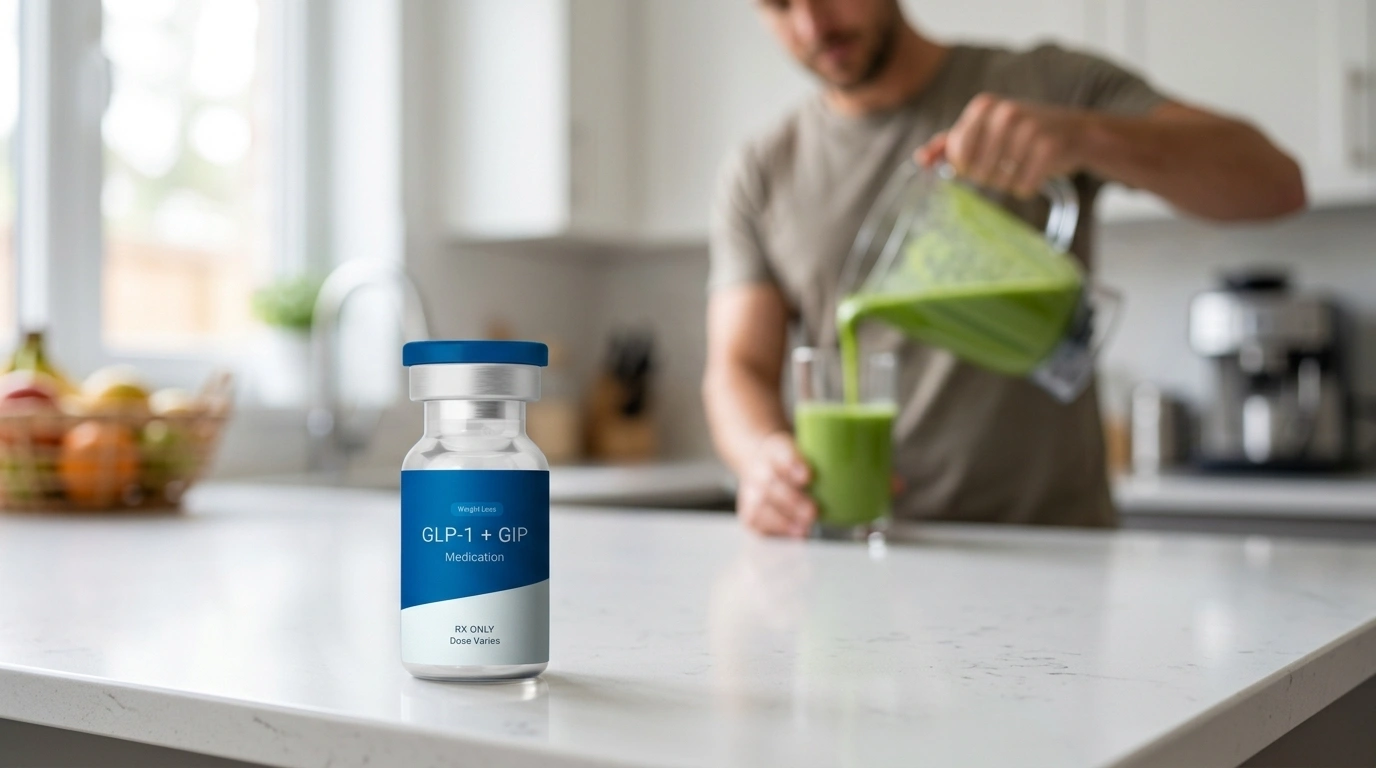
Table of Contents
- Introduction
- Why Zepbound Causes Side Effects
- Strategies for Managing Nausea
- How to Counteract Diarrhea and Dehydration
- Relieving Constipation and Bloating
- Combatting Fatigue and Low Energy
- Managing Headaches and Dizziness
- Caring for the Injection Site
- When to Seek Medical Guidance
- Practical Steps for a Smoother Onboarding
- Optimizing Your Nutrition
- The Role of Supplements in Side Effect Management
- Long-Term Expectations
- Why Personalization Matters
- Conclusion
- FAQ
Introduction
Starting a weight loss journey with a medication like Zepbound® can feel like a major turning point, but that initial excitement often hits a roadblock when the first wave of nausea or fatigue sets in. It is a common frustration: you are ready to embrace a healthier lifestyle, yet your body seems to be protesting the very tool meant to help you. At TrimRx, we believe that understanding your body’s response to medication is the first step toward reclaiming your comfort and staying consistent with your goals.
This post will cover why these symptoms occur, specific strategies to manage digestive upset, and how lifestyle adjustments can make your treatment much smoother. We will also discuss when it is important to reach out to a healthcare professional for additional support. Our goal is to provide you with the practical tools needed to navigate the early stages of treatment so you can focus on your long-term health transformation.
Why Zepbound Causes Side Effects
To manage symptoms effectively, it is helpful to understand what is happening inside your body. Zepbound® contains an active ingredient called tirzepatide. This medication is a dual agonist, meaning it mimics two different hormones in the body: glucagon-like peptide-1 (GLP-1) and glucose-dependent insulinotropic polypeptide (GIP).
These hormones are naturally produced in the gut and play a significant role in how we process food. GLP-1 helps regulate appetite and slows down gastric emptying—the process by which food moves from your stomach into your small intestine. GIP works alongside it to improve how your body breaks down sugar and fat. Because the medication slows down digestion, food stays in your stomach longer. While this is exactly what helps you feel full on less food, it is also the primary reason for most gastrointestinal side effects. For a deeper overview, read this guide to how tirzepatide side effects occur and how to manage them.
Quick Answer: Most side effects from tirzepatide are gastrointestinal and occur because the medication slows down digestion. You can counteract these by eating smaller meals, staying hydrated, and avoiding greasy or spicy foods that irritate the stomach.
Strategies for Managing Nausea
Nausea is perhaps the most frequently reported side effect for those starting a GLP-1 or dual-hormone medication. It typically peaks a day or two after your weekly injection and often subsides as your body adjusts to the dosage. You can also review these practical strategies for managing common GLP-1 side effects.
Adjust your meal size and frequency. When your digestion slows down, a large meal can feel overwhelming to your system. Instead of three standard meals, try eating five or six very small “mini-meals” throughout the day. This prevents your stomach from becoming too full, which is a major trigger for waves of nausea.
Prioritize bland, cold foods. Strong odors from hot, aromatic, or spicy foods can worsen a queasy stomach. Many people find that cold or room-temperature foods, such as Greek yogurt, chilled fruit, or simple deli turkey, are much easier to tolerate during the first 48 hours after an injection.
Utilize natural stomach settlers. Ginger and peppermint have been used for centuries to calm the digestive tract. Keeping ginger chews or peppermint tea on hand can provide quick, non-medicinal relief. If nausea becomes persistent or prevents you from eating entirely, consult your healthcare provider about whether a prescription anti-nausea medication is appropriate for you.
How to Counteract Diarrhea and Dehydration
While some people experience a slowdown in their bathroom habits, others find that their system reacts with increased frequency. Diarrhea can be particularly draining because it leads to the rapid loss of fluids and essential minerals known as electrolytes. Learn more about what bowel changes can be normal with GLP-1 medications.
Implement the BRAT diet temporarily. If you are experiencing loose stools, focus on the BRAT acronym: Bananas, Rice, Applesauce, and Toast. These foods are low in fiber and “binding,” which can help firm up your stool while remaining gentle on your stomach lining.
Focus on electrolyte replacement. Drinking plain water is important, but if you are losing fluids quickly, you need to replace sodium, potassium, and magnesium as well. Look for electrolyte powders or drinks that are low in sugar, as high sugar content can sometimes make diarrhea worse.
Avoid “trigger” fats. High-fat, greasy, or fried foods are difficult for the body to process under normal circumstances. When taking a medication that alters gut motility, these fats can pass through the system too quickly, leading to urgent trips to the bathroom.
Relieving Constipation and Bloating
On the opposite end of the spectrum, many individuals find that the slowed movement of food leads to constipation. This can cause abdominal pressure, bloating, and general discomfort. For more detail, explore this guide on whether tirzepatide can cause constipation and ways to manage it.
Increase fiber intake gradually. Fiber adds bulk to the stool and helps it move through the colon. However, adding too much fiber too fast can actually increase bloating and gas. Aim for a slow increase by incorporating berries, chia seeds, or leafy greens. If food sources aren’t enough, we often suggest discussing a gentle fiber supplement, such as psyllium husk, with your doctor.
Hydration is the key to motility. Fiber cannot do its job without water. If you increase your fiber but stay dehydrated, it can actually make constipation worse. Aim for at least 80 to 100 ounces of water daily to keep things moving.
Move your body. Gentle physical activity, like a 15-minute walk after meals, can stimulate the natural contractions of your intestines. This helps move gas through your system and can alleviate the “heavy” feeling that often accompanies slowed digestion.
Key Takeaway: Digestive side effects are usually a sign that the medication is working to slow down your digestion. Managing them requires a proactive approach to hydration, meal timing, and food selection.
Combatting Fatigue and Low Energy
Feeling unusually tired is a common experience, especially during the first few weeks of treatment or after a dosage increase. This fatigue is often a secondary effect of eating fewer calories or the body adjusting to new metabolic signals. You can also review how long tirzepatide side effects may last during treatment.
Prioritize high-quality protein. When you are eating less, every bite needs to count. Protein is essential for maintaining muscle mass and providing steady energy. Focus on lean sources like chicken, fish, tofu, or eggs. If you find it difficult to eat enough protein through whole foods, a high-quality protein shake can help bridge the gap.
Check your vitamin levels. Significant changes in diet can sometimes lead to temporary gaps in micronutrients. Some people find that a B-complex vitamin or a dedicated supplement supports their energy levels. Our GLP-1 Daily Support is designed specifically to complement the nutritional needs of those on a weight loss medication journey.
Listen to your body’s clock. If you feel a “crash” in the afternoon, try to schedule your most demanding tasks for the morning. Ensure you are getting 7–9 hours of sleep, as your body is doing a lot of metabolic “heavy lifting” while you rest.
Managing Headaches and Dizziness
Headaches can occur for several reasons when starting a new medication, including dehydration, low blood sugar, or even the stress of a new routine.
Monitor your hydration levels. Most headaches in the early stages of treatment are actually symptoms of mild dehydration. Because these medications can suppress your thirst drive along with your appetite, you may not realize you haven’t had enough to drink until a headache sets in.
Maintain stable blood sugar. If you go too long without eating because you don’t feel hungry, your blood sugar may dip, causing dizziness or a “lightheaded” feeling. Even if you aren’t hungry, try to have a small, protein-rich snack every few hours to keep your levels stable.
Note on Dizziness: If you experience significant dizziness when standing up quickly, it could be a sign of low blood pressure. Always mention this to your healthcare provider, especially if you are already taking medications for hypertension.
Caring for the Injection Site
Zepbound® is administered via a weekly subcutaneous injection, which means it goes into the fatty tissue just under the skin. Some people experience redness, itching, or mild swelling at the site. You can find additional guidance on common GLP-1 injection-site reactions.
Rotate your sites religiously. Never inject into the exact same spot two weeks in a row. You can use your abdomen, the back of your arms, or your thighs. Rotating these areas gives the tissue time to heal and prevents the buildup of hardened areas under the skin.
Temperature matters. Some patients find that taking the pen out of the refrigerator 30 minutes before the injection helps reduce the “sting” of the cold liquid. However, do not use external heat sources like a microwave to warm the pen.
Post-injection care. If you experience itching or redness, a cold compress applied for a few minutes can help. Avoid rubbing the area vigorously after the injection, as this can increase irritation.
When to Seek Medical Guidance
While most side effects are mild and temporary, it is essential to distinguish between “normal” discomfort and symptoms that require medical attention. Because we partner with licensed providers to facilitate your care, we want you to be empowered with the knowledge of when to call for help.
Persistent Vomiting or Diarrhea: If you cannot keep liquids down for more than 24 hours, you are at risk for severe dehydration and kidney strain. This requires immediate contact with a healthcare professional.
Severe Abdominal Pain: Intense pain that radiates to your back or feels sharp and localized could be a sign of gallbladder issues or pancreatitis. While rare, these conditions require prompt evaluation.
Mood Changes: Some individuals may experience changes in mood, such as increased anxiety or feelings of depression. If you notice a significant shift in your mental well-being, do not wait to speak with a provider.
Signs of an Allergic Reaction: If you experience hives, swelling of the face or throat, or difficulty breathing, seek emergency medical care immediately.
Note: Zepbound® has a boxed warning regarding the risk of thyroid C-cell tumors. While this has primarily been seen in animal studies, people with a personal or family history of medullary thyroid carcinoma or Multiple Endocrine Neoplasia syndrome type 2 should not use this medication. Always discuss your full medical history with your provider.
Practical Steps for a Smoother Onboarding
Starting a personalized program involves more than just a prescription; it involves a strategy. To help minimize the impact of side effects, consider following these steps during your first month. If you are considering treatment, you can complete a free eligibility assessment.
Step 1: Choose your injection day wisely. Many people prefer Friday or Saturday so they can manage any initial fatigue or nausea over the weekend without it affecting their work week.
Step 2: Hydrate before you inject. Drink an extra 16–24 ounces of water in the hours leading up to your dose. Being well-hydrated at the time of the injection can sometimes lessen the intensity of initial symptoms.
Step 3: Keep a symptom journal. Write down what you ate, how much you drank, and how you felt. You may notice that certain foods—like dairy or high-fiber grains—cause more gas or bloating on specific days of the week.
Step 4: Communicate with your team. Our platform provides access to specialists who can help you interpret these symptoms. You don’t have to guess whether a feeling is “normal” or not.
Optimizing Your Nutrition
The goal of any weight loss journey is not just to eat less, but to eat better. When your appetite is suppressed, every food choice becomes more significant.
- Focus on Nutrient Density: Since you are eating smaller volumes, prioritize vegetables, lean proteins, and healthy fats like avocado or olive oil.
- Slow Down Your Eating: It takes time for your brain to receive the “fullness” signal from your gut. Chewing thoroughly and taking breaks between bites can prevent you from accidentally overeating, which leads to significant discomfort.
- Limit Carbonation: Bubbles from soda or sparkling water can add excess gas to a digestive system that is already moving slowly, leading to painful bloating and belching.
The Role of Supplements in Side Effect Management
While lifestyle changes are the foundation of managing treatment, targeted supplementation can provide an extra layer of support. For many, the transition to a GLP-1 or GIP medication causes a shift in how the body processes nutrients.
Our GLP-1 Daily Support is formulated to provide the essential vitamins and minerals that might be lacking when your caloric intake decreases. Additionally, our Weight Loss Boost supplement can help maintain metabolic momentum and energy levels during those periods of transition between dosages. These supplements are available for immediate purchase and do not require a clinical assessment, making them a simple addition to your daily routine.
Long-Term Expectations
For the vast majority of people, the side effects of medications like Zepbound® are most intense during the “titration” phase—the period when your provider is gradually increasing your dose. As your body reaches a stable maintenance dose, these symptoms typically fade or become very easy to manage with the tips mentioned above.
It is important to remember that these medications are designed to be part of a long-term approach to health. They are most effective when combined with a reduced-calorie diet and increased physical activity. By managing the side effects early on, you increase your chances of staying on the medication long enough to see the sustainable results you are looking for.
Why Personalization Matters
No two bodies react to medication in exactly the same way. What causes nausea in one person might cause constipation in another. This is why a “one-size-fits-all” approach to weight loss often fails. Our platform is built on the principle of personalized care.
When you join a program through us, you aren’t just getting a prescription; you are getting a tailored plan based on your unique health profile. Your provider considers your medical history, your goals, and how your body responds to the initial doses. This allows for adjustments in dosage or timing that can significantly reduce your discomfort.
Bottom line: Side effects are a manageable hurdle on the path to better health. By focusing on hydration, protein intake, and slow lifestyle adjustments, most people find they can successfully navigate treatment and achieve their weight loss goals.
Conclusion
Counteracting the side effects of Zepbound® requires a blend of patience, preparation, and proactive lifestyle choices. From adjusting your meal patterns to staying ahead of dehydration, the strategies outlined here are designed to help you stay comfortable while your body undergoes significant metabolic changes. While the journey may have some initial bumps, the long-term benefits of improved metabolic health and weight management are well worth the effort of navigating these early challenges.
At TrimRx, our mission is to help individuals embrace healthier lifestyles through science, empathy, and a transparent, personalized approach to sustainable weight loss. We are here to support you every step of the way, ensuring you have the medical guidance and nutritional tools necessary for success.
- Prioritize hydration and electrolytes to prevent headaches and fatigue.
- Eat small, protein-rich meals to minimize nausea and bloating.
- Rotate injection sites to avoid skin irritation.
- Stay in close contact with your provider to monitor your progress and safety.
Ready to see if a personalized weight loss program is right for you? Take our free assessment quiz to explore your options and start your journey toward a healthier you.
FAQ
How long do side effects typically last when starting Zepbound?
Most people find that common side effects, such as nausea or fatigue, are most prominent during the first few weeks of treatment or whenever the dosage is increased. As your body adapts to the medication, these symptoms usually diminish or disappear entirely within a few days to a couple of weeks.
Can I take over-the-counter medications for nausea while on this program?
Yes, many people find relief using OTC options like ginger supplements or bismuth subsalicylate for mild stomach upset. However, you should always consult with your healthcare provider before adding any new medications to your routine to ensure there are no interactions with your specific treatment plan.
Why is it so important to drink electrolytes while taking tirzepatide?
Because the medication can suppress both hunger and thirst, it is easy to become dehydrated without realizing it. Electrolytes like sodium and potassium are essential for nerve function and hydration; replacing them helps prevent the headaches and dizziness that often accompany weight loss medications.
What should I do if I miss a dose of my medication?
If you miss a dose, you should typically take it as soon as you remember, provided the next scheduled dose is at least three days away. If it is closer than three days, skip the missed dose and resume your normal schedule the following week. Never “double up” on doses to make up for a missed one.
Disclaimer: This content is for informational purposes only and does not constitute medical advice. It is not intended to diagnose, treat, cure, or prevent any disease or condition. Individual results may vary. Always consult a qualified healthcare professional before starting any weight loss program or medication.

Transforming Lives, One Step at a Time
Keep reading
Surfing on Zepbound: Paddling Strength, Cold Water, and Dawn Patrol
Surfing asks a lot of your body. Paddling out through broken waves takes shoulder, back, and core strength. Cold water drains energy. Dawn sessions…

Skydiving on Zepbound: Planning a Tandem Jump
For many people who have lost weight, a skydive is a goal they set years ago and finally feel ready for. Some dropzones have…
A Day at the Renaissance Faire on Zepbound
A Renaissance faire is a full day out: jousts, stage shows, artisan stalls, dusty lanes, and food built for spectacle, from giant turkey legs…


