How to Drink Chia Seeds for Weight Loss: An Expert Breakdown
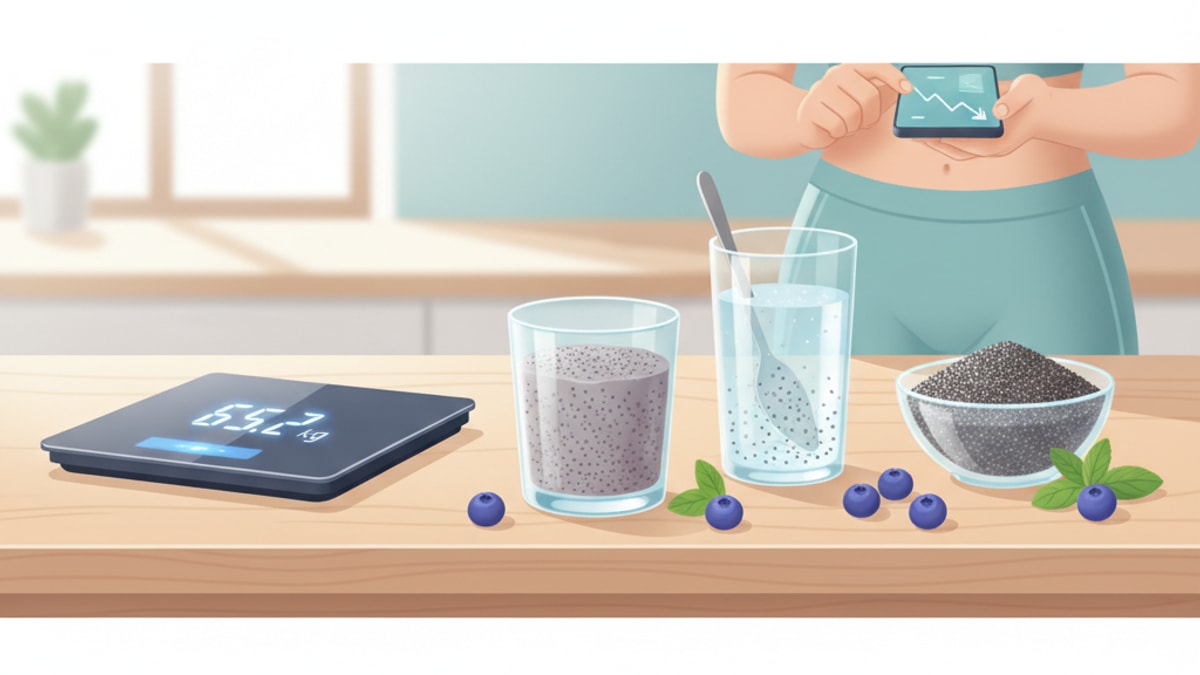
You've seen them everywhere. Those tiny black seeds swirling in water bottles at the gym, blended into vibrant smoothies, and sprinkled over just about everything. Chia seeds have exploded in popularity, and the buzz around using them for weight loss is impossible to ignore. But here's the honest truth our team has learned from working with thousands of patients on their weight loss journeys: most people are using them wrong. They're either expecting a magic bullet or missing the fundamental science of how they actually work.
We're not here to just give you another recipe list. As a team dedicated to medically-supervised weight management, we look at every tool—from nutrition to cutting-edge pharmaceuticals—through a clinical lens. We're interested in efficacy, safety, and sustainable results. So, let's cut through the noise and have a real conversation about how to drink chia seeds for weight loss, what the science says, and, most importantly, where they fit into a formidable, effective strategy for lasting change.
The Real Science Behind Chia Seeds and Satiety
Before we even get to the 'how,' we have to understand the 'why.' What makes these tiny seeds a topic of discussion in weight management circles? It isn't magic. It's biochemistry.
Let's be clear: the primary power of chia seeds lies in their truly staggering fiber content. A single two-tablespoon serving packs around 10 grams of fiber, which is nearly 40% of the recommended daily intake for many adults. This isn't just any fiber; it's predominantly soluble fiber. When you mix chia seeds with a liquid, something fascinating happens. They absorb up to 12 times their weight in water, forming a thick, gelatinous substance known as a mucilage. This gel is the secret weapon.
When you consume this chia gel, it physically takes up space in your stomach. It slows down the conversion of carbohydrates into sugar and dramatically slows the rate of gastric emptying. Think of it as a natural, gentle brake on your digestive system. This process leads to a prolonged feeling of fullness, or satiety. You feel satisfied for longer, which can significantly reduce overall calorie consumption by curbing snack cravings and decreasing portion sizes at your next meal. It's a simple, powerful mechanism.
But the benefits don't stop there. This is where a more nuanced understanding becomes critical.
Chia seeds are also a respectable source of plant-based protein and are rich in omega-3 fatty acids, specifically alpha-linolenic acid (ALA). Protein itself is known to be more satiating than fats or carbs, adding another layer to the appetite-suppressing effects. The healthy fats contribute to overall wellness, which is a non-negotiable element of any successful weight loss plan. This combination of fiber, protein, and healthy fats helps stabilize blood sugar levels, preventing the dramatic spikes and crashes that often lead to cravings for high-sugar, high-calorie foods. We've seen it time and time again: stable blood sugar is foundational to managing hunger cues effectively.
Common (and Counterproductive) Mistakes We See
Our team has observed a few recurring mistakes people make when trying to use chia seeds for weight loss. These missteps not only negate the potential benefits but can sometimes be counterproductive or even uncomfortable.
First is the 'too much, too soon' approach. Seeing the high fiber content, people sometimes dive in with multiple large servings a day. This can be a shock to the digestive system, leading to bloating, gas, and general discomfort. Your gut needs time to adapt to such a significant increase in fiber. We can't stress this enough: start small. A teaspoon or two a day is plenty to begin with.
Another major issue is inadequate hydration. Remember how chia seeds absorb a massive amount of water? If you consume them without enough liquid, they'll draw water from your digestive tract, which can lead to dehydration and constipation—the exact opposite of what you want. You must drink them with plenty of fluid and continue to hydrate throughout the day.
Perhaps the biggest mistake, though, is viewing them in isolation. Sprinkling chia seeds into a sugary, calorie-laden smoothie or a glass of juice won't magically make you lose weight. They are a tool, not a cure-all. Their effectiveness is entirely dependent on the overall nutritional quality of your diet. They are meant to enhance a healthy eating plan, not compensate for a poor one.
That's the reality. Let's get into how to do it right.
How to Drink Chia Seeds for Weight Loss: Our Recommended Methods
Alright, now for the practical application. We've refined these methods based on what we've found to be most effective and sustainable for integrating into a busy lifestyle. Simplicity is key.
1. The Classic 'Chia Fresca' (The Foundation)
This is the purest and simplest way to drink chia seeds. It’s a fantastic starting point.
- How to Make It: Stir 1-2 tablespoons of chia seeds into a large glass (12-16 oz) of water. You can add a squeeze of fresh lemon or lime juice for flavor. Let it sit for at least 10-15 minutes, stirring occasionally, until the seeds have formed a gel. For a smoother texture, let it sit for 30 minutes or even an hour in the fridge.
- Why We Like It: It's virtually calorie-free, incredibly hydrating, and easy to make. Drinking this 20-30 minutes before a meal is a highly effective strategy our team recommends for appetite control. It pre-fills your stomach, making you less likely to overeat.
2. The Morning Metabolic Boost Smoothie
A smoothie is a great way to pack in a ton of nutrients, but it can also be a hidden sugar bomb. A proper weight-loss smoothie needs to be built around protein and fiber.
- How to Make It: In a blender, combine 1 scoop of high-quality protein powder (whey, casein, or a plant-based blend), 1 tablespoon of chia seeds, a large handful of spinach, 1/4 cup of frozen berries (like blueberries or raspberries for lower sugar content), and 1-1.5 cups of unsweetened almond milk or water. Blend until smooth.
- Why We Like It: This isn't just a drink; it's a balanced meal. The protein and chia fiber work synergistically to keep you full for hours, preventing the mid-morning slump and cravings. It kickstarts your metabolism and sets a positive tone for the rest of your day's nutritional choices.
3. The 'Drinkable' Chia Pudding
Traditional chia pudding is eaten with a spoon, but a slightly thinner version makes for a substantial, satisfying drink that feels more like a meal than the Chia Fresca.
- How to Make It: In a jar or container with a lid, combine 3 tablespoons of chia seeds with 1.5 cups of unsweetened plant-based milk (almond or coconut work well). Add a dash of cinnamon and a few drops of vanilla extract. Shake vigorously and refrigerate overnight. In the morning, it will be thick but still drinkable. You might need to add a splash more liquid and shake it again to get the right consistency.
- Why We Like It: This is a perfect grab-and-go breakfast or a powerful tool to curb afternoon hunger. It’s incredibly filling and feels decadent, which can help satisfy psychological cravings for a treat without derailing your progress.
Choosing Your Liquid Base: A Strategic Comparison
The liquid you choose to mix with your chia seeds is just as important as the seeds themselves. It can either support your weight loss goals or inadvertently sabotage them. Here's a quick comparison our team put together to help guide your choice.
| Liquid Base | Caloric Impact | Key Nutritional Benefits | Best For |
|---|---|---|---|
| Water | Zero | Hydration, no added sugars or calories. | Pre-meal appetite control, pure hydration, and anyone on a strict calorie budget. |
| Unsweetened Almond Milk | Very Low (≈30-40 kcal/cup) | Low in carbs and sugar, often fortified with Calcium and Vitamin D. | Smoothies and drinkable puddings where a creamy texture is desired without significant calories. |
| Dairy Milk (Skim or 1%) | Moderate (≈90-110 kcal/cup) | High in protein and calcium, which aids in satiety and bone health. | Post-workout recovery smoothies where the extra protein is beneficial for muscle repair. |
| Unsweetened Green Tea | Zero | Contains antioxidants (catechins) and can provide a mild metabolic boost. | A morning or early afternoon Chia Fresca for an added antioxidant and energy lift. |
| Fruit Juice (Avoid) | Very High | Extremely high in sugar and calories, lacks fiber. Causes blood sugar spikes. | We honestly don't recommend using juice. It turns a healthy drink into a sugar-delivery system. |
Our professional observation is simple: stick with water or unsweetened plant-based milks for the most reliable results. They provide the hydration and texture you need without the unnecessary caloric load that can stall weight loss.
The Critical Role of Timing
When you drink your chia seed beverage can significantly influence its effectiveness. There isn't one single 'best' time; it's about aligning the timing with your specific goals and daily challenges.
- 30 Minutes Before Meals: This is the classic strategy for appetite control. Consuming a glass of Chia Fresca before lunch or dinner can lead to a substantial reduction in the amount of food you consume during the meal. We've found this to be one of the most impactful and easy-to-implement tactics.
- As a Breakfast Replacement: A nutrient-dense chia smoothie, as described earlier, can replace a traditional breakfast. This works well for people who struggle with morning hunger or tend to grab unhealthy options on their way out the door. It provides sustained energy without the crash.
- To Conquer the Afternoon Slump: Do you find yourself reaching for snacks around 3 PM? This is a formidable challenge for many. A drinkable chia pudding prepared in advance can be the perfect intervention. It's satisfying enough to feel like a real snack but provides slow-release energy that gets you through to dinner.
Experiment and see what works for your body's unique rhythm and your daily schedule. Consistency is far more important than finding one perfect, magical time slot.
Beyond the Seed: Where Chia Fits into a Real Weight Loss Plan
Now for the most important part of this conversation. We mean this sincerely: chia seeds are a fantastic nutritional supplement, but they are not a weight loss program. They are one small, albeit effective, piece of a much larger, more complex puzzle.
True, sustainable weight loss requires a comprehensive, multi-faceted approach. It's about creating a consistent calorie deficit through a combination of thoughtful nutrition, regular physical activity, and behavioral changes. Chia seeds can help with the 'thoughtful nutrition' part by managing hunger, but they can't do the work for you.
This is where our expertise at TrimrX becomes so crucial. We build personalized plans that address the entire metabolic picture. For many individuals, especially those who have struggled with weight loss for years, diet and exercise alone aren't enough to overcome powerful biological factors. Their bodies have developed metabolic adaptations or insulin resistance that make losing weight a relentless, uphill battle. It's not a matter of willpower; it's a matter of biochemistry.
In these cases, a more powerful tool is needed to work in synergy with lifestyle changes. This is where FDA-approved GLP-1 medications like Semaglutide and Tirzepatide come in. These are not stimulants or old-school diet pills. They are advanced treatments that work with your body's own hormone systems to regulate appetite, control blood sugar, and fundamentally change your relationship with food. They target the same satiety signals that a chia seed drink influences, but on a much more powerful and clinically significant level.
Combining a healthy habit like drinking chia seeds with a medically-supervised program creates a powerful synergy. The chia seeds support your daily nutrition and hydration, while the medication addresses the underlying biological drivers of weight gain. It’s a holistic strategy. If you've been trying on your own and feel like you're fighting a losing battle, it might be time to see if a clinical approach is right for you. Understanding your options is the first step, and you can easily Take Quiz to see if you're a candidate for our program.
When you're ready to move beyond just adding supplements and want to embrace a comprehensive, science-backed solution, our team is here to guide you. You can Start Your Treatment and begin working with our clinicians to build a plan that finally delivers the results you deserve.
So yes, absolutely drink chia seeds. Use them as a strategic tool to manage hunger, boost your fiber intake, and improve your hydration. Embrace them as a positive step on your journey. But don't stop there. See them for what they are: a helpful ally in a broader, more robust plan for achieving and maintaining a healthy weight for life.
Frequently Asked Questions
Can I just swallow a spoonful of dry chia seeds and drink water after?
▼
We strongly advise against this. Consuming dry chia seeds can be a choking hazard as they can expand rapidly in your esophagus. Always pre-soak them in liquid for at least 10-15 minutes before consumption to allow them to gel properly and safely.
How many chia seeds should I have in a day for weight loss?
▼
A good starting point is one to two tablespoons (about 15-30 grams) per day. It’s crucial to start small to allow your digestive system to adjust to the high fiber content and avoid potential bloating or discomfort. More is not necessarily better.
Will I lose weight just by drinking chia seed water every day?
▼
It’s highly unlikely. While chia seed water can help with satiety and reduce overall calorie intake, it is not a magic solution. Sustainable weight loss requires a comprehensive approach including a balanced diet, regular exercise, and consistent healthy habits.
How long does it take to see weight loss results from drinking chia seeds?
▼
Results vary greatly from person to person. The effects of chia seeds, like increased fullness, can be felt immediately. However, any resulting weight loss depends entirely on how you incorporate this into a larger calorie-controlled diet and lifestyle.
Can drinking chia seeds cause any side effects?
▼
The most common side effects are digestive, such as bloating or gas, especially if you consume too much too quickly. To avoid this, start with a small amount and increase gradually. It is also essential to drink plenty of water throughout the day.
Is it better to drink chia seeds in the morning or at night?
▼
The best time depends on your personal goals. Drinking them in the morning can provide sustained energy and satiety. Drinking them 20-30 minutes before a meal (like dinner) can help reduce your portion size. Experiment to see what works for you.
Can I use ground chia seeds instead of whole ones?
▼
Yes, you can. Ground chia seeds, or chia flour, will gel much faster and some research suggests the nutrients may be slightly more bioavailable. The gelling and satiating properties remain, though the texture will be smoother and less gelatinous.
Do chia seeds interact with any medications?
▼
Due to their high fiber content, chia seeds could theoretically slow the absorption of certain medications. If you are on medication for blood pressure or diabetes, or are taking blood thinners, we recommend speaking with your doctor before adding them to your routine.
What’s the difference between black and white chia seeds?
▼
Nutritionally, there is virtually no difference between black and white chia seeds. They have the same amount of fiber, protein, and healthy fats. The choice between them is purely a matter of aesthetic preference.
Can I prepare my chia seed drink in advance?
▼
Absolutely. In fact, we recommend it. You can mix chia seeds with water or unsweetened milk and store it in the refrigerator for up to 5 days. This is perfect for meal prep and ensures you always have a healthy option ready.
Will chia seeds help with belly fat specifically?
▼
There is no food that can ‘spot reduce’ fat from a specific area of the body. While chia seeds can aid in overall weight loss, which will include a reduction in belly fat, they do not target it directly. A comprehensive strategy is needed for that.

Transforming Lives, One Step at a Time
Keep reading

Do You Need a Prescription for GLP-1s? The 2026 Answer
Wondering ‘do you need a prescription for glp 1’ in 2026? Yes. We explain why a doctor’s oversight is critical for safe, effective results.

How to Get GLP-1 Covered By Insurance: Our 2026 Playbook
Struggling with how to get glp-1 covered by insurance? Our 2026 guide breaks down prior authorizations, appeals, and documentation.

Traveling with GLP-1s in 2026: Your Essential Trip-Proof Plan
Don’t let travel disrupt your GLP-1 treatment. Learn how to travel with glp 1 medications safely and stress-free in our 2026 expert guide.


