How to Get a GLP-1 Prescription Online: Complete Guide

Introduction
You can get a GLP-1 prescription online through telehealth platforms in 2026. The process is legal in all 50 states for licensed prescribers, takes 24-72 hours from intake to prescription in most cases, and the medication ships directly from a network pharmacy. Eligibility depends on which GLP-1 you are seeking and which FDA indication you qualify under.
This is the complete guide. It covers all the major brand and compounded GLP-1s, the differences in eligibility, what insurance covers, what cash-pay looks like, and how to identify a legitimate platform. It draws on FDA labeling, the registration trials, and current telehealth practice.
At TrimRx, we believe that understanding your options is the first step toward a more manageable health journey. You can take the free assessment quiz if you’re ready to see whether a personalized program is a fit for you.
What GLP-1 Medications Can I Get Online?
Six major brand GLP-1s and two compounded versions are available through telehealth in 2026. Each has different FDA indications and different access criteria.
Quick Answer: Telehealth GLP-1 prescribing is legal in all 50 states for licensed prescribers
Brand options include: Wegovy® (semaglutide, obesity + CV risk reduction), Zepbound® (tirzepatide, obesity + OSA), Ozempic® (semaglutide, type 2 diabetes), Mounjaro® (tirzepatide, type 2 diabetes), Trulicity® (dulaglutide, type 2 diabetes), and Saxenda® (liraglutide, obesity).
Compounded options include semaglutide and tirzepatide through 503A pharmacies. These are legal under 503A authority for individual patients with documented clinical need but are not FDA-approved.
Who Qualifies for Each GLP-1?
Eligibility tracks FDA indications. For obesity (Wegovy, Zepbound, Saxenda), you need BMI 30+, or BMI 27+ with at least one weight-related comorbidity (T2D, hypertension, hyperlipidemia, OSA, established CVD).
For T2D (Ozempic, Mounjaro, Trulicity), you need a confirmed type 2 diabetes diagnosis and typically A1c above target despite metformin or other first-line therapy.
For OSA (Zepbound only, as of December 2024 FDA approval), you need moderate-to-severe OSA documented by sleep study (AHI 15+) plus BMI 30+. For cardiovascular risk reduction (Wegovy only, as of March 2024 FDA approval), you need established CVD plus BMI 27+.
What Does the Online Intake Process Look Like?
The intake is a structured online questionnaire covering height, weight, medical history, current medications, allergies, and goals. It takes 10-15 minutes.
You upload a government ID and recent labs (lipid panel, A1c or fasting glucose, CMP, TSH within the last 6-12 months). For the OSA indication, a recent sleep study supports the prescription. For CV risk reduction, prior MI or stroke documentation supports it.
A licensed prescriber in your state reviews the intake within 24-72 hours. If you qualify, the prescription goes to a partnered pharmacy. If not, the platform usually explains why and may suggest alternatives.
What Does Insurance Cover?
Coverage varies by drug and indication. Diabetes GLP-1s (Ozempic, Mounjaro, Trulicity) are covered by nearly all commercial insurance, Medicare Part D, and Medicaid with prior authorization for T2D.
Obesity GLP-1s (Wegovy, Zepbound, Saxenda) coverage is fragmented. Commercial coverage depends on plan-specific obesity drug benefits. Medicare Part D does not cover any drug for obesity (federal statutory exclusion). Medicaid covers in 14-16 states.
The Wegovy cardiovascular indication and Zepbound OSA indication unlock additional coverage in plans that exclude obesity drugs. Compounded GLP-1s are not covered by any commercial or government insurance plan.
What Does It Cost Without Insurance?
Brand retail prices without insurance: Wegovy roughly $1,350/month, Zepbound roughly $1,060/month, Ozempic roughly $1,000/month, Mounjaro roughly $1,070/month, Trulicity roughly $890/month, Saxenda roughly $1,350/month.
Manufacturer self-pay programs offer reduced pricing for eligible patients. NovoCare offers Wegovy at $499/month for some uninsured patients. LillyDirect offers Zepbound single-dose vials at $349-549/month.
Compounded semaglutide and tirzepatide through legitimate 503A pharmacies run substantially below brand retail. TrimRx offers a free assessment quiz that screens eligibility and connects qualifying patients with licensed providers for a personalized treatment plan.
How Long Does It Take to Start?
From completing intake to first dose is typically 5-10 business days. Intake review (1-3 days), prescription writing (1-2 days), pharmacy processing (1-2 days), and shipping (2-5 days).
The dose escalation schedule is fixed by FDA labeling. Wegovy and Ozempic take 16 weeks to reach maintenance (0.25, 0.5, 1.0, 1.7, 2.4 mg for Wegovy; 0.25, 0.5, 1.0, optional 2.0 mg for Ozempic).
Zepbound and Mounjaro take 16-20 weeks to reach maintenance depending on which dose you stabilize at (2.5, 5, 7.5, 10, 12.5, 15 mg). The SURMOUNT-1 trial used a 20-week escalation to 15 mg.
Key Takeaway: Compounded options: semaglutide, tirzepatide through 503A pharmacies
How Do I Identify a Legitimate Platform?
A legitimate telehealth GLP-1 platform has five characteristics: US-licensed prescribers in your state, US-licensed pharmacies (state licensure verifiable through NABP), FDA-approved brand product or legal 503A-compounded medication, structured intake with lab review, and structured follow-up consultations.
Red flags include: prescribers without state licensure disclosed, pharmacies outside the US, medications labeled “research only” or “not for human use,” no lab review, no follow-up included, and prices implausibly low for legitimate pharmaceutical compounding.
Verify the platform’s pharmacy through the NABP lookup tool. Verify prescriber licensure through your state medical board. Ask for the Certificate of Analysis on compounded products. Legitimate platforms will provide this on request.
What About Follow-up and Dose Adjustments?
Most telehealth platforms include structured follow-up at 4, 8, 12, and 16 weeks during titration, then quarterly during maintenance. Weight, side effects, and labs are reviewed at each check-in.
You can message your prescriber through the platform if side effects appear, dose changes are needed, or you have questions. Dose adjustments happen through the same prescriber-pharmacy channel as the original prescription.
If you need to stop treatment, the prescriber can pause or discontinue. Restarting later usually requires fresh titration from the lowest dose to avoid GI side effects that come with rapid re-escalation.
What Do the Registration Trials Show for Each GLP-1?
Each major GLP-1 has a registration trial that established its FDA indication. STEP 1 (Wilding et al. 2021 NEJM) showed Wegovy 14.9% mean weight loss at 68 weeks. SURMOUNT-1 (Jastreboff et al. 2022 NEJM) showed Zepbound 20.9% mean weight loss at 72 weeks.
SELECT (Lincoff et al. 2023 NEJM) showed Wegovy 20% reduction in major adverse cardiovascular events over 39-month mean follow-up. SURMOUNT-OSA (2024) showed Zepbound AHI reduction of 27-30 events per hour in moderate-severe OSA.
SUSTAIN 6 (Marso et al. 2016 NEJM) showed Ozempic 26% MACE reduction in T2D with CVD. SURPASS-2 (Frias et al. 2021 NEJM) showed Mounjaro A1c reduction of 2.3% at 15 mg in T2D on metformin. AWARD trials established Trulicity efficacy in T2D. SCALE showed Saxenda 8.0% mean weight loss at 56 weeks.
What Questions Should I Ask a Telehealth Platform Before Signing Up?
Six questions help you evaluate a telehealth GLP-1 platform. First: “Are your prescribers licensed in my state?” Confirm before paying any fee. Second: “Who is your dispensing pharmacy and where is it licensed?” Get specific answers.
Third: “Do you require recent labs?” Platforms that skip labs are clinically substandard. Fourth: “What follow-up is included?” Structured follow-up at 4, 8, 12, and 16 weeks during titration is the standard.
Fifth: “What is your refund policy if I do not qualify?” Reputable platforms refund or do not charge intake fees until eligibility is confirmed. Sixth: “Can you provide a Certificate of Analysis for compounded products?” Legitimate compounders will say yes.
What Red Flags Should Make Me Walk Away From a Platform?
Eight red flags signal a platform operating outside legal authority. Medication shipped from outside the US. No licensed prescriber consultation. No recent lab review required. Prices that seem implausibly low. No state pharmacy license disclosed. No structured follow-up included. Labels reading “research only” or “not for human use.” No Certificate of Analysis available for compounded products.
API source is the biggest single signal. Legitimate operations use API from FDA-registered manufacturers. Research-grade peptides from international suppliers are not legal for human therapeutic use, regardless of how the platform describes them.
Operations marketed as “peptide therapy” without licensed prescriber involvement are usually selling research-grade peptides for human use, which is illegal and unsafe. Verify state licensure of both prescriber and pharmacy before paying anything.
Bottom line: Insurance coverage varies by drug and indication
FAQ
Is Online GLP-1 Prescribing Legal?
Yes in all 50 states for licensed prescribers. The DEA permits remote prescribing for non-controlled substances, and GLP-1s are not controlled substances.
Do I Need an In-person Doctor Visit First?
No. Telehealth prescribers conduct their own assessment based on intake, history, and labs. You do not need a separate in-person visit beforehand.
What If I Do Not Have Recent Labs?
Most platforms order labs through Labcorp or Quest before approving the prescription. Lab draws take 1-2 days and results return within 24-72 hours.
How Is Compounded GLP-1 Different From Brand?
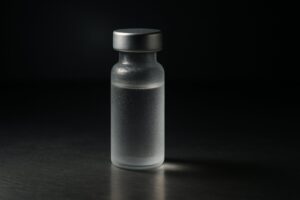
Same active ingredient, different formulation (multi-dose vial vs pre-filled pen), different source (503A pharmacy vs manufacturer), and different regulatory status (compounded vs FDA-approved).
What If the Prescriber Denies My Prescription?
The platform usually explains the reason and may suggest alternatives. You can apply to a different platform with a different prescriber, or work with your in-person PCP for an alternative path.
Does Insurance Work for All Online GLP-1s?
Most commercial insurance plans process telehealth brand GLP-1 prescriptions the same as in-person prescriptions. Compounded GLP-1s are cash-pay only across all insurance plans.
Disclaimer: This content is for informational purposes only and does not constitute medical advice. It is not intended to diagnose, treat, cure, or prevent any disease or condition. Individual results may vary. Always consult a qualified healthcare professional before starting any weight loss program or medication.

Transforming Lives, One Step at a Time
Keep reading
Does Dramamine Help With GLP-1 Nausea?
Probably not very well, and it is worth asking your provider or pharmacist before trying it. Dramamine contains dimenhydrinate, an antihistamine that works primarily…

I Can’t Remember If I Already Injected This Week
If you cannot confirm that you did not inject, do not inject. That is the safe default and it is not a close call….

How to Figure Out Your Next Injection Day After Skipping a Week
The default is simple: resume on your normal weekly day at your normal dose, and do not take anything extra to make up for…


