How to Get GLP-1 Weight Loss Prescriptions Online: Telehealth Guide
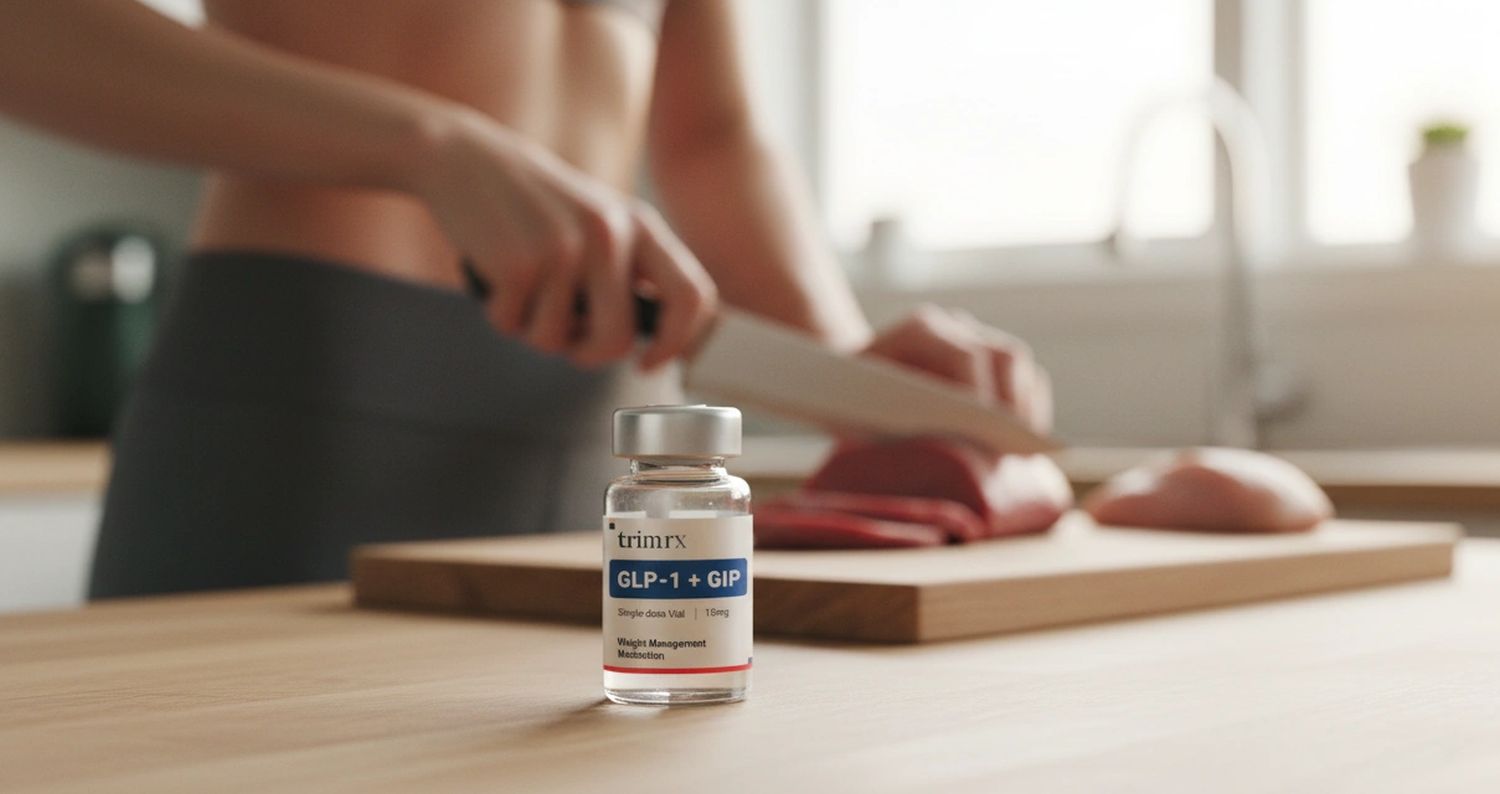
Yes, you can legally and safely get GLP-1 weight loss prescriptions online through licensed telehealth providers who employ healthcare professionals licensed in your state, conduct appropriate medical evaluations, and partner with legitimate pharmacies to dispense medication.
If you’re considering online weight loss prescriptions but unsure about the process, safety, or legitimacy, understanding how telehealth works for GLP-1 medications helps you access effective treatment conveniently while ensuring proper medical oversight.
Telehealth has revolutionized access to weight loss medications by eliminating geographic barriers, reducing costs, and streamlining the process from consultation to delivery.
However, distinguishing between legitimate telehealth providers and illegal operations is crucial for your safety and treatment success. TrimRx provides legitimate online access to compounded semaglutide and compounded tirzepatide through licensed providers, FDA-registered pharmacies, and comprehensive medical oversight—all from the convenience of your home.
Key Takeaways:
- Legal telehealth requires licensed providers in your state conducting proper medical evaluations
- Consultation process can be done via video, phone, or secure messaging depending on state laws
- Prescriptions are sent to licensed pharmacies (compounding or retail) after provider approval
- Medication delivery ships directly to your door with proper cold-chain packaging
- Ongoing care includes regular follow-ups to monitor progress and adjust treatment
- Cost savings compared to in-person care while maintaining quality and safety
Telehealth for Weight Loss: How It Works
Telehealth weight loss programs provide complete medical care for obesity treatment through virtual platforms, from initial consultation through ongoing management.
What Is Telehealth Weight Loss?
Definition: Telehealth (or telemedicine) weight loss involves receiving medical evaluation, prescription, and ongoing care for weight management through virtual means—video calls, phone consultations, or secure messaging platforms—rather than in-person office visits.
For GLP-1 Weight Loss Programs:
- Medical consultation with licensed provider
- Comprehensive health assessment
- Prescription for semaglutide, tirzepatide, or other medications
- Medication delivery to your home
- Regular follow-up appointments
- Ongoing medical supervision
All done remotely without visiting a doctor’s office.
Legal Framework
Federal Regulations:
Ryan Haight Online Pharmacy Consumer Protection Act:
- Regulates online prescribing and dispensing
- Requires valid prescription for all prescription medications
- GLP-1 medications are NOT controlled substances, making telehealth prescribing straightforward
- Establishes standards for legitimate online medical practice
COVID-19 Expanded Telehealth Access:
- Temporary measures made permanent in many states
- Expanded what can be prescribed via telemedicine
- Reduced barriers to virtual care
- Improved interstate practice for some providers
DEA Regulations: While GLP-1s aren’t controlled, DEA oversees:
- Pharmacy registrations
- Telemedicine prescribing standards
- Interstate medication dispensing
State Regulations:
Each State Has Different Rules:
- Provider licensing requirements
- What can be prescribed via telehealth
- Whether video/phone consultation required (vs. asynchronous)
- Record-keeping and documentation standards
- Patient consent requirements
Legitimate providers comply with regulations in every state they serve.
How Telehealth Differs from In-Person
What’s the Same:
Medical Standards:
- Same eligibility criteria (BMI requirements)
- Same medical evaluation needed
- Same prescription requirements
- Same medication (identical semaglutide or tirzepatide)
- Same dosing protocols
- Same follow-up requirements
- Same safety standards
What’s Different:
Convenience:
- No travel to clinic
- No waiting rooms
- Flexible scheduling
- Complete from home
Access:
- Available in areas without weight loss specialists
- Serves patients in rural/underserved areas
- Eliminates geographic barriers
Cost:
- Often less expensive than in-person
- No facility fees
- Transparent pricing
- Competitive market
Format:
- Virtual consultations (video/phone/messaging)
- Online health questionnaires
- Digital record-keeping
- Electronic prescriptions
What Telehealth Is NOT:
Telehealth weight loss is NOT:
- ✗ Buying medication without prescription
- ✗ Overseas pharmacies shipping illegally
- ✗ “No doctor needed” services
- ✗ Research chemical suppliers
- ✗ Social media sellers
- ✗ Unregulated online marketplaces
Legitimate telehealth maintains all medical and legal standards while offering virtual convenience.
The Complete Telehealth Process:
Step 1: Choose Telehealth Provider
- Research legitimate platforms
- Verify licensing and credentials
- Review pricing and services
- Check state availability
Step 2: Complete Health Assessment
- Online questionnaire (medical history, current health, medications)
- Upload any relevant medical records
- Provide current height, weight, blood pressure
Step 3: Virtual Consultation
- Video, phone, or messaging with licensed provider
- Review of your information
- Discussion of treatment options
- Medical decision-making
Step 4: Prescription (If Approved)
- Provider sends prescription to pharmacy
- Brand-name: sent to your choice of pharmacy
- Compounded: sent to partner compounding pharmacy
Step 5: Medication Preparation
- Pharmacy compounds medication (if compounded)
- Quality testing and verification
- Packaging with supplies
Step 6: Delivery
- Ships to your address
- Cold-chain packaging (ice packs)
- 3-7 business days typically
- Signature may be required
Step 7: Ongoing Care
- Regular follow-up appointments (virtual)
- Monitor progress and side effects
- Dose adjustments as needed
- Continued medical support
Benefits of Telehealth for Weight Loss
Convenience:
- No travel time or costs
- No time off work needed
- No childcare arrangements
- Complete from home
Access:
- Available regardless of location
- No need for local weight loss specialists
- Serves rural and underserved areas
- Eliminates geographic barriers
Privacy:
- Discreet consultations from home
- No public waiting rooms
- Private delivery packaging
- Confidential service
Cost Savings:
- Lower overhead for providers
- Competitive pricing
- Transparent costs
- Often less expensive than in-person
Time Efficiency:
- Quick appointment scheduling
- Shorter “visit” times (focused, efficient)
- No waiting room time
- Faster overall process
Consistent Care:
- Regular check-ins easier to maintain
- Less likely to miss appointments
- Messaging access between visits
- Better continuity of care
Drawbacks to Consider
Cannot:
- Perform physical examination
- Do in-person measurements (rely on self-reported)
- Draw blood or run labs immediately
- Provide hands-on injection training
Requires:
- Reliable internet connection
- Basic technology skills
- Self-discipline for medication adherence
- Accurate self-reporting
May Not Be Ideal For:
- Complex medical situations
- Patients preferring face-to-face care
- Those needing extensive hands-on support
- Patients with significant health complications
For straightforward weight loss treatment with GLP-1s, telehealth works excellently for most patients.
Quality of Care Considerations
Research Shows:
- Telehealth weight loss outcomes equivalent to in-person
- Patient satisfaction high (85-90% in studies)
- Medication adherence similar or better
- Dropout rates comparable
- Cost-effectiveness superior
Keys to Quality Telehealth:
- Licensed, qualified providers
- Thorough medical evaluations
- Appropriate prescribing practices
- Regular follow-up care
- Access to support between visits
Compare the best GLP-1 weight loss programs to find reputable telehealth options.
Qualifying for Online GLP-1 Prescriptions
Understanding eligibility requirements helps you determine if you’ll qualify for telehealth GLP-1 prescriptions.
Medical Eligibility Criteria
BMI Requirements (Same as In-Person):
You qualify if:
- BMI ≥30 (obesity category), OR
- BMI ≥27 (overweight category) with at least one weight-related health condition
Weight-Related Conditions:
- Type 2 diabetes or prediabetes
- Hypertension (high blood pressure)
- High cholesterol or dyslipidemia
- Obstructive sleep apnea
- Cardiovascular disease
- Polycystic ovary syndrome (PCOS)
- Non-alcoholic fatty liver disease
- Osteoarthritis worsened by weight
Calculate Your BMI: BMI = (Weight in pounds / Height in inches²) × 703
Quick Reference:
| Height | Weight for BMI 27 | Weight for BMI 30 |
| 5’2″ | 150 lbs | 164 lbs |
| 5’4″ | 158 lbs | 175 lbs |
| 5’6″ | 167 lbs | 186 lbs |
| 5’8″ | 177 lbs | 197 lbs |
| 5’10” | 186 lbs | 209 lbs |
| 6’0″ | 196 lbs | 221 lbs |
Age Requirements:
- Typically 18+ for adults
- Some medications approved for age 12+ (with parental consent)
Contraindications (Cannot Prescribe If Present):
Absolute Contraindications:
- Personal or family history of medullary thyroid carcinoma (MTC)
- Multiple Endocrine Neoplasia syndrome type 2 (MEN 2)
- Pregnancy or planning pregnancy within 2 months
- Breastfeeding
- Previous severe allergic reaction to GLP-1 medications
Relative Contraindications (May Preclude or Require Caution):
- History of pancreatitis
- Severe gastroparesis
- Active eating disorder (anorexia, bulimia)
- Severe kidney disease
- Active gallbladder disease
- Diabetic retinopathy (recent diagnosis)
Medication Considerations
May Require Dose Adjustments:
- Currently taking insulin
- On sulfonylureas (diabetes medications)
- Taking blood thinners (warfarin)
Generally Compatible:
- Blood pressure medications
- Cholesterol medications
- Most antidepressants
- Thyroid medications
Provider will review all current medications during consultation.
Self-Reporting Requirements
Information You’ll Provide:
Current Measurements:
- Current weight (home scale)
- Height
- Recent blood pressure (if available)
Medical History:
- Current health conditions
- Previous surgeries
- Medications and supplements
- Allergies
- Family health history
Weight Loss History:
- Previous attempts
- Medications tried
- Results achieved
- Barriers encountered
Lifestyle Factors:
- Diet patterns
- Exercise habits
- Stress levels
- Sleep quality
- Support system
Honesty is Critical:
- Accurate information ensures safe prescribing
- Withholding information can lead to dangerous situations
- Providers make decisions based on what you report
- False information can result in inappropriate treatment
Documentation That May Help (Not Always Required)
Optional Supporting Documents:
- Recent lab work (CBC, metabolic panel, A1C, lipid panel)
- Blood pressure log
- Weight history documentation
- Medical records from primary care doctor
- List of current medications with doses
These can strengthen your case but aren’t always necessary for approval.
State-Specific Requirements
Some States May Require:
- Video consultation (not just messaging)
- More extensive documentation
- Lab work before prescribing
- Additional consent forms
- Specific waiting periods
Legitimate providers handle state-specific requirements automatically.
Insurance Considerations
If Using Insurance:
- Provider may need to verify insurance coverage
- Prior authorization often required
- Documentation of failed weight loss attempts
- Medical necessity justification
- BMI documentation
If Paying Cash:
- Much simpler process
- No prior authorization needed
- No insurance documentation
- Faster approval
- Compounded options often more affordable than insured brand-name copays
Who Typically Qualifies:
Strong Candidates:
- BMI ≥30 with no contraindications
- BMI ≥27 with weight-related conditions
- Previous unsuccessful weight loss attempts
- Motivated to commit to treatment
- Able to afford medication long-term
- Comfortable with self-injection
May Not Qualify:
- BMI <27 without conditions
- Contraindications present
- Pregnancy planned soon
- Cannot commit to ongoing treatment
- Severe untreated psychiatric conditions
Qualification Checklist:
Before Starting Consultation:
- BMI ≥27 (with condition) or ≥30
- Age 18+ (or 12+ with parental involvement)
- No personal/family history of MTC or MEN 2
- Not pregnant or planning pregnancy
- No severe GLP-1 allergy
- No active pancreatitis
- Can afford long-term treatment
- Willing to self-inject weekly
- Comfortable with telehealth
- Located in state provider serves
If you check all boxes, you likely qualify.
What Happens If You Don’t Qualify:
Provider Will:
- Explain specific reason for denial
- Suggest alternative approaches
- Discuss if you might qualify in future
- Recommend other weight loss options
- May suggest seeing specialist in person if complex situation
Alternative Options:
- Address contraindications first (if possible)
- Try lifestyle modifications to reach BMI threshold
- Consider other weight loss medications
- Explore in-person weight loss clinics
- Discuss bariatric surgery if appropriate
Bottom Line on Qualification:
Most adults with obesity or overweight with comorbidities qualify for online GLP-1 prescriptions. The process is straightforward when working with legitimate providers who follow proper medical protocols.
The Virtual Consultation Process
Understanding what happens during your online consultation helps you prepare and know what to expect.
Pre-Consultation Preparation
Before Your Consultation:
Gather Information:
- Current weight (weigh yourself that morning)
- Current height (measure or recall)
- Recent blood pressure reading (if available)
- List of current medications (names and doses)
- List of supplements and vitamins
- Known medication allergies
- Health conditions and diagnoses
Prepare Your Space:
- Quiet, private location
- Good lighting (if video call)
- Stable internet connection
- Phone/computer charged
- Pen and paper for notes
Think About Questions:
- Medication options and differences
- Expected results and timeline
- Side effect management
- Cost and payment options
- Follow-up schedule
- What happens if it doesn’t work
Health Questionnaire (Usually First Step)
Typical Questions You’ll Answer:
Demographic Information:
- Name, date of birth, address
- Contact information
- Emergency contact
Physical Measurements:
- Height and weight
- BMI (calculated automatically)
- Recent blood pressure
- Waist circumference (if known)
Medical History:
- Current health conditions
- Previous surgeries
- Hospitalizations
- Chronic diseases
- Mental health history
Medication History:
- Current prescription medications
- Over-the-counter medications
- Supplements and vitamins
- Allergies and reactions
- Previous weight loss medications
Family History:
- Obesity in family
- Diabetes in family
- Heart disease in family
- Thyroid cancer (critical screening question)
- MEN 2 syndrome (critical screening question)
Lifestyle Assessment:
- Current diet patterns
- Exercise habits
- Alcohol consumption
- Smoking status
- Sleep quality and duration
- Stress levels
- Social support
Weight Loss History:
- Highest adult weight
- Lowest adult weight as adult
- Previous dieting attempts
- Previous weight loss medications
- Bariatric surgery (if any)
- What has/hasn’t worked
Goals and Motivation:
- Target weight loss amount
- Timeline expectations
- Primary motivations
- Barriers you anticipate
- Support system available
Take your time with questionnaire—accuracy is important for safe prescribing.
Types of Virtual Consultations
Option 1: Asynchronous (Message-Based)
How It Works:
- Complete detailed questionnaire
- Provider reviews at their convenience
- Responds via secure messaging within 24-48 hours
- Back-and-forth messaging for clarification
- Decision communicated via message
- Can ask follow-up questions
Pros:
- No scheduled appointment needed
- Complete at your convenience
- Often faster overall process
- Lower cost sometimes
- Good for straightforward cases
Cons:
- No real-time interaction
- May need multiple message exchanges
- Feels less personal
- Can’t ask spontaneous questions
Best For:
- Straightforward weight loss cases
- People with busy schedules
- Those comfortable with written communication
- Patients who don’t need extensive discussion
Option 2: Live Video Consultation
How It Works:
- Schedule specific appointment time
- Join video call via platform link
- Face-to-face virtual discussion (15-30 minutes)
- Provider reviews your information with you
- Ask questions in real-time
- Decision made during or shortly after call
Pros:
- Real-time interaction
- See provider’s face and expressions
- Immediate answers to questions
- Feels like traditional doctor visit
- Can show provider relevant information
Cons:
- Must schedule specific time
- Requires good internet and working camera
- Some people uncomfortable on video
- Slightly longer process
Best For:
- People who prefer face-to-face interaction
- Complex medical situations
- First-time GLP-1 users with many questions
- Those wanting more personal connection
Option 3: Phone Consultation
How It Works:
- Schedule call time
- Provider calls you at appointed time
- Discussion of your health and goals (15-30 minutes)
- Q&A session
- Decision communicated
Pros:
- Real-time conversation
- No video needed (more comfortable for some)
- Can take call from anywhere
- Personal interaction
Cons:
- Requires scheduled time
- No visual component
- Less common than video or asynchronous
Best For:
- Those without video capability
- People uncomfortable being on camera
- Situations where video isn’t necessary
State laws may dictate which consultation types are permitted in your area.
What Providers Evaluate
During Consultation, Provider Assesses:
Medical Appropriateness:
- Does patient meet eligibility criteria?
- Any contraindications present?
- Are there safer alternatives for this patient?
- Is GLP-1 therapy appropriate given health status?
Safety Considerations:
- Medication interactions with current drugs
- Health conditions that increase risk
- Ability to safely use medication
- Need for additional monitoring
Patient Understanding:
- Does patient understand how medication works?
- Realistic expectations about results?
- Awareness of side effects and management?
- Commitment to follow-up care?
Treatment Plan:
- Which medication is best (semaglutide vs tirzepatide)?
- What starting dose?
- Escalation schedule
- Follow-up frequency
- Additional support needed?
Questions Provider May Ask:
About Your Goals:
- “What’s your target weight?”
- “What motivated you to seek treatment now?”
- “What has prevented success in the past?”
- “What support do you have?”
About Your Health:
- “Any thyroid cancer in you or your family?”
- “Have you had pancreatitis?”
- “Are you pregnant or planning pregnancy?”
- “Any problems with your gallbladder?”
About Your Lifestyle:
- “What does your typical day of eating look like?”
- “How often do you exercise?”
- “How much water do you drink daily?”
- “How is your sleep?”
About Medications:
- “Are you on insulin or diabetes medications?”
- “Any medications for anxiety or depression?”
- “Do you take any blood thinners?”
Questions You Should Ask:
About Treatment:
- “Which medication do you recommend for me and why?”
- “What results can I realistically expect?”
- “What’s the dosing schedule?”
- “How long until I see results?”
About Side Effects:
- “What are the most common side effects?”
- “How do I manage nausea if it occurs?”
- “When should I contact you about side effects?”
- “Are there any serious risks I should know about?”
About Process:
- “How does the prescription and delivery work?”
- “When will I receive my medication?”
- “What supplies are included?”
- “How do I learn injection technique?”
About Ongoing Care:
- “How often will we have follow-up appointments?”
- “How do I contact you between appointments?”
- “How do refills work?”
- “What if I need to adjust my dose?”
About Cost:
- “What’s the total monthly cost?”
- “Are there any additional fees?”
- “Can I use HSA/FSA?”
- “What’s your cancellation policy?”
Decision and Next Steps
If Approved:
Provider will:
- Explain which medication prescribed
- Review starting dose and escalation
- Discuss injection technique resources
- Provide instructions for when medication arrives
- Schedule first follow-up appointment
- Answer any remaining questions
Prescription sent to:
- Your choice of pharmacy (if brand-name)
- Partner compounding pharmacy (if compounded)
- Electronic transmission (secure, immediate)
Timeline:
- Prescription sent same day typically
- Pharmacy begins processing
- Compounding takes 1-3 business days (if applicable)
- Shipping takes 1-2 business days
- Total: 3-7 days from consultation to delivery
If Not Approved:
Provider will:
- Explain specific reason
- Discuss whether anything can be addressed
- Suggest alternative approaches
- Provide other recommendations
- Answer questions about decision
Common reasons:
- BMI below threshold
- Contraindication identified
- Need for additional information
- Medical complexity requiring in-person care
- State-specific requirements not met
If More Information Needed:
Provider may:
- Request recent lab work
- Ask for records from another provider
- Need blood pressure readings over time
- Require additional health documentation
- Schedule follow-up after information obtained
After Consultation Documentation
You Should Receive:
- Summary of consultation
- Treatment plan if approved
- Prescription information
- Instructions for next steps
- Contact information for questions
- Follow-up appointment schedule
Keep this documentation for your records.
Consultation Quality Indicators
Signs of Good Consultation:
- ✓ Provider reviewed your information thoroughly
- ✓ Asked about contraindications specifically
- ✓ Explained medication options clearly
- ✓ Discussed risks and benefits
- ✓ Answered all your questions
- ✓ Provided clear next steps
- ✓ Scheduled follow-up care
Red Flags:
- ✗ Rushed through consultation
- ✗ Didn’t ask about thyroid cancer history
- ✗ Auto-approved everyone
- ✗ Avoided questions
- ✗ Pushed specific expensive option
- ✗ No follow-up plan mentioned
Legitimate providers take consultations seriously and make appropriate medical decisions.
Understanding how to buy GLP-1 medications online safely ensures your consultation is with a reputable provider.
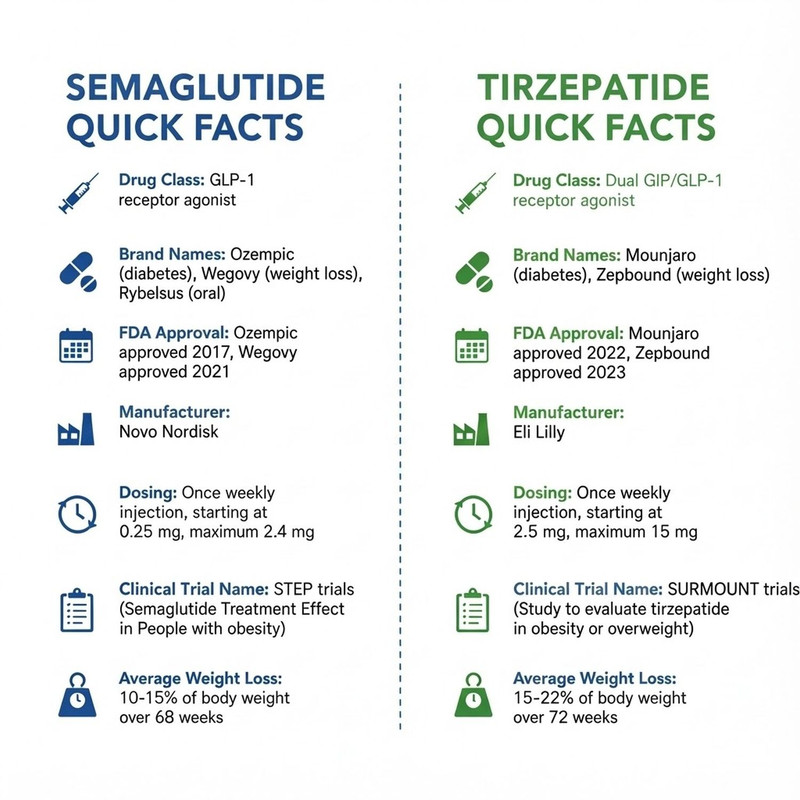
Choosing a Reputable Telehealth Provider
Not all online weight loss services are created equal. Knowing what to look for ensures you receive safe, effective care.
Essential Credentials to Verify
- Licensed Healthcare Providers
Must Have:
- Licensed physicians (MD or DO), nurse practitioners (NP), or physician assistants (PA)
- Current, valid licenses in your state
- Good standing with state medical boards
- Appropriate specialty or training
How to Verify:
- Ask for provider names and license numbers
- Check your state medical board website
- Search for disciplinary actions
- Confirm license is current
Red Flags:
- Won’t disclose provider information
- Providers not licensed in your state
- Vague “medical team” without names
- Unlicensed “health coaches” prescribing
- Legitimate Pharmacy Partners
For Compounded Medications:
- FDA-registered 503A or 503B compounding pharmacy
- State licensed in your state
- Good standing with state board of pharmacy
- Verifiable physical address
How to Verify:
- Ask for pharmacy name and license number
- Check state board of pharmacy website
- For 503B: Search FDA registered outsourcing facilities list
- Confirm pharmacy will ship to your state
For Brand-Name Medications:
- VIPPS-certified online pharmacies (if mail-order)
- Licensed retail pharmacies
- Legitimate specialty pharmacies
Red Flags:
- Won’t disclose pharmacy information
- Overseas pharmacies
- “Private label” or “proprietary” pharmacy claims
- Unlicensed compounding operations
- Transparent Business Practices
Legitimate Providers Display:
- Clear company information (address, phone, leadership)
- Transparent pricing (no hidden fees)
- Privacy policy and terms of service
- Clear refund/cancellation policy
- Contact methods (phone, email, chat)
Red Flags:
- No physical address or only PO Box
- Hidden fees discovered at checkout
- Vague or missing policies
- Only contact is email
- Overseas business registration
Provider Comparison Criteria
Medical Oversight Quality:
Excellent:
- Board-certified providers
- Comprehensive evaluation process
- Regular follow-up appointments included
- 24/7 or extensive access to medical support
- Personalized treatment plans
Adequate:
- Licensed providers
- Standard evaluation
- Monthly check-ins
- Business-hours support access
- Protocol-driven treatment
Poor:
- Questionable provider qualifications
- Minimal evaluation
- No follow-up after prescription
- Limited or no access to providers
- One-size-fits-all approach
Medication Options:
Best:
- Offer both semaglutide and tirzepatide
- Explain differences between options
- Let you choose with guidance
- Compounded and/or brand-name available
- Work with FDA-registered pharmacies
Limited:
- Only one medication option
- Don’t explain alternatives
- Push specific expensive option
- Limited pharmacy partnerships
Pricing Structure:
Transparent:
- All costs clearly listed upfront
- No hidden fees
- Includes consultation, medication, supplies, shipping, follow-ups
- Clear about what’s extra (if anything)
Confusing:
- Medication cost separate from consultation fee
- Membership fees on top of medication
- Surprise charges at checkout
- Unclear what’s included
Compare Total Monthly Cost:
- Medication
- Consultation/membership fees
- Shipping
- Supplies
- Follow-up appointments
- Any other fees
TrimRx transparent pricing:
- Semaglutide: $199/month (includes everything)
- Tirzepatide: $349/month (includes everything)
- No hidden fees or surprises
Customer Reviews and Reputation:
Where to Research:
- Better Business Bureau (BBB)
- Trustpilot
- Google reviews
- Reddit discussions
- Medical review sites
What to Look For:
- Overall rating (4.0+ stars ideal)
- Number of reviews (more is better)
- Recent reviews (within last 6 months)
- How company responds to complaints
- Common themes in feedback
Red Flags:
- No reviews anywhere
- Only 5-star reviews (may be fake)
- Many complaints about scams or fake medication
- Poor customer service
- Unresolved BBB complaints
Support and Accessibility:
Good Support:
- Multiple contact methods (phone, email, chat)
- Reasonable response times (24-48 hours)
- Knowledgeable staff
- Access to pharmacist for medication questions
- Access to provider for medical questions
Poor Support:
- Email only
- Slow or no responses
- Generic answers
- Can’t reach provider
- No pharmacist access
State Coverage:
Check If Provider:
- Serves your state
- Has providers licensed in your state
- Partners with pharmacies licensed in your state
- Clearly lists covered states
Some providers serve 40-50 states; others are more limited.
Technology Platform:
User-Friendly:
- Easy to navigate website/app
- Secure patient portal
- Clear instructions
- Works on mobile and desktop
- HIPAA-compliant security
Issues:
- Confusing interface
- Frequent technical problems
- Poor mobile experience
- Security concerns
- No patient portal
Questions to Ask Before Choosing:
Essential Questions:
- “Which providers will I see, and are they licensed in my state?”
- “What pharmacy will fill my prescription, and are they FDA-registered?”
- “What’s included in the monthly price?”
- “How often are follow-up appointments, and are they included?”
- “Can I choose between semaglutide and tirzepatide?”
- “What happens if I experience side effects?”
- “How do refills work?”
- “What’s your cancellation policy?”
- “Do you accept HSA/FSA?”
- “How quickly can I get started?”
If provider can’t answer these clearly, that’s a red flag.
Warning Signs of Illegitimate Providers
Major Red Flags:
Prescription Issues:
- ✗ No prescription required
- ✗ No medical evaluation
- ✗ Auto-approval without consultation
- ✗ Prescribe without provider review
Pricing Red Flags:
- ✗ Too cheap (under $150/month for tirzepatide)
- ✗ Hidden fees everywhere
- ✗ Pressure to buy bulk
- ✗ Request payment via Bitcoin, wire transfer, gift cards
Medication Red Flags:
- ✗ Won’t disclose pharmacy source
- ✗ Ships from overseas
- ✗ “Research chemical” suppliers
- ✗ No cold-chain shipping for peptides
Business Red Flags:
- ✗ No verifiable business address
- ✗ Can’t verify provider licenses
- ✗ Recently created website
- ✗ Poor English/obvious translation errors
- ✗ Pressure tactics and urgency
Comparison: Legitimate vs Illegitimate
| Feature | Legitimate (TrimRx) | Illegitimate |
| Providers | Licensed in your state, verifiable | Unknown, unlicensed, or overseas |
| Consultation | Required, thorough | None or fake |
| Pharmacy | FDA-registered, licensed | Unknown source, overseas |
| Pricing | Transparent, reasonable | Too cheap or hidden fees |
| Medication | Properly compounded/manufactured | Unknown quality, possibly fake |
| Follow-up | Included, regular | None |
| Support | Accessible, responsive | Poor or nonexistent |
| Legality | Fully compliant | Illegal operation |
Top Legitimate Telehealth Providers
- Licensed providers in multiple states
- FDA-registered compounding pharmacy partners
- Transparent pricing ($199 semaglutide, $349 tirzepatide)
- Includes consultation, medication, supplies, shipping, follow-ups
- Excellent customer reviews
- Clear business practices
Other Reputable Options:
- National telehealth platforms with weight loss programs
- State-specific telemedicine services
- Health system-affiliated virtual care
- Insurance company telehealth options (if available)
Always verify credentials independently before committing.
Bottom Line on Choosing:
Prioritize:
- ✓ Verified licensed providers in your state
- ✓ FDA-registered pharmacy partners
- ✓ Transparent pricing with no hidden fees
- ✓ Included ongoing medical support
- ✓ Positive customer reviews
- ✓ Clear communication and accessibility
Avoid:
- ✗ Providers you can’t verify
- ✗ Pharmacies from unknown sources
- ✗ Prices too good to be true
- ✗ No follow-up care
- ✗ Pressure tactics
- ✗ Lack of transparency
Understanding the full landscape of GLP-1 weight loss programs helps you identify quality providers.
State Regulations and Licensing Requirements
Telehealth regulations vary significantly by state, affecting how and where you can access online GLP-1 prescriptions.
Federal vs State Authority
Federal Government:
- Sets minimum standards for telehealth
- Regulates interstate commerce
- Oversees FDA (medication approval)
- Manages DEA (controlled substances)
- HIPAA privacy requirements
State Governments:
- License healthcare providers
- Regulate medical practice
- License pharmacies
- Set telehealth practice standards
- Control what can be prescribed remotely
States have primary authority over medical practice, including telehealth.
Provider Licensing Requirements
Core Rule: Providers must be licensed in the state where the patient is located.
How This Works:
- Patient in California = Need provider licensed in California
- Patient in Texas = Need provider licensed in Texas
- Patient travels to Florida = Need provider licensed in Florida (or use home state)
Interstate Medical Licensure Compact (IMLC):
- Makes it easier for providers to get licenses in multiple states
- 40 states participate (as of 2025)
- Streamlines multi-state practice
- Doesn’t eliminate need for state licenses
Legitimate providers:
- Have providers licensed in each state they serve
- Verify your state before consultation
- Only match you with appropriate providers
- Clearly list which states they serve
What About “National” Providers? They’re not licensed nationally—they employ providers with licenses in multiple states and match you to someone licensed where you are.
Telemedicine Practice Standards
States Regulate:
Consultation Requirements:
- Some states require live video or phone (not just messaging)
- Others allow asynchronous (message-based) consultations
- Documentation requirements vary
- Patient consent forms differ
Prescribing Standards:
- What can be prescribed via telehealth
- Whether initial in-person visit required (rare for weight loss now)
- Documentation needed in medical record
- Follow-up requirements
Examples of State Variations:
More Restrictive States:
- May require video consultation (not just questionnaire)
- Additional documentation requirements
- More stringent informed consent
- Limitations on initial prescribing
More Permissive States:
- Allow asynchronous consultations
- Streamlined documentation
- Fewer restrictions on telehealth prescribing
Legitimate providers comply with each state’s specific requirements.
Pharmacy Licensing and Interstate Dispensing
Pharmacy Must:
- Be licensed by your state’s board of pharmacy, OR
- Participate in interstate pharmacy compact allowing cross-state dispensing
Compounding Pharmacy Considerations:
503A Pharmacies:
- Traditional compounding pharmacies
- Must hold pharmacy license in patient’s state
- Can ship to states where licensed
- State board of pharmacy regulates
503B Outsourcing Facilities:
- Registered with FDA (federal)
- Can ship across state lines more easily
- Still need to comply with state laws
- FDA inspects and regulates
Verifying Pharmacy Authorization:
- Check if pharmacy holds license in your state (state board website)
- For 503B: Check FDA registered outsourcing facilities list
- Legitimate providers only use properly licensed pharmacies
Controlled Substance Regulations
Good News for GLP-1s: Semaglutide and tirzepatide are NOT controlled substances, making telehealth prescribing straightforward.
Controlled Substances (Different Rules):
- Require in-person visit before prescribing (with rare exceptions)
- More stringent DEA regulations
- State-specific restrictions often stricter
GLP-1s avoid these complications.
Privacy and Security Requirements
HIPAA Compliance (Federal): All telehealth providers must:
- Protect patient health information
- Use secure, encrypted platforms
- Have privacy policies
- Obtain patient consent
- Report breaches
State Privacy Laws: Some states have additional requirements:
- California (CCPA)
- Virginia (VCDPA)
- Other state-specific privacy laws
Legitimate providers:
- Use HIPAA-compliant video platforms
- Secure messaging systems
- Encrypted data storage
- Clear privacy policies
- BAA (Business Associate Agreements) with partners
State-Specific Examples
Texas:
- Allows asynchronous consultations
- Provider must be licensed in Texas
- Relatively permissive telehealth laws
- Large telehealth market
New York:
- May require more documentation
- Stricter telemedicine regulations
- Video consultation often preferred over asynchronous
- TrimRx serves New York with compliant processes
California:
- Robust telehealth infrastructure
- Provider licensing required
- Generally permissive for GLP-1s
- Large market for telehealth services
Florida:
- Allows telehealth for weight loss
- Provider must be Florida-licensed
- Relatively straightforward regulations
Arkansas:
- More restrictive telehealth laws historically
- May have additional requirements
- Fewer providers serve Arkansas
How to Check Your State:
Verify Telehealth Access:
- Check provider website for state coverage list
- State boards of medicine often have telehealth info
- Ask provider directly about state regulations
- Confirm during consultation process
Most states allow GLP-1 prescribing via telehealth, but specific requirements vary.
Changes to Regulations
Trends:
- Generally expanding telehealth access
- COVID-19 accelerated permanent changes
- More states allowing asynchronous consultations
- Interstate practice becoming easier
Stay Updated:
- Regulations can change
- Providers should notify of changes
- May affect ability to continue service
- Legitimate providers adapt to new requirements
What If Your State Isn’t Served?
Options:
- Find Provider in Your State:
- Search for telehealth platforms serving your state
- May have fewer options
- Compare available providers
- Use In-Person Provider:
- See local doctor or weight loss clinic
- Get prescription filled locally
- More expensive but ensures compliance
- Wait for Provider Expansion:
- Many providers expanding state coverage
- Sign up for notifications
- May be available soon
- Advocate for Better Access:
- Contact state representatives
- Support telehealth expansion
- Educate about barriers
Military and Federal Employees:
Special considerations may apply:
- Active duty military
- Military dependents
- Federal employees
- VA healthcare users
Check with specific programs about telehealth options.
Compliance is Non-Negotiable
Why It Matters:
Legal Compliance:
- Protects you from legal issues
- Ensures legitimate medication
- Proper medical oversight
- Recourse if problems occur
Safety:
- Licensed providers follow standards
- Proper evaluation conducted
- Appropriate prescribing
- Medical monitoring included
Quality:
- Regulated providers maintain quality
- Accountable to state boards
- Can verify credentials
- Professional standards enforced
Choose providers that clearly comply with all state and federal regulations.
Understanding the complete comparison of GLP-1 programs includes verifying state compliance.
What to Expect After Your Consultation
After approval, understanding the process from prescription to delivery helps you prepare for starting treatment.
Prescription Processing
Electronic Prescription:
- Sent directly from provider to pharmacy
- Secure electronic transmission
- No paper prescription needed
- Faster than traditional methods
Information Included:
- Your name and date of birth
- Medication (semaglutide or tirzepatide)
- Strength and concentration
- Quantity prescribed
- Dosing instructions
- Refill authorization
- Provider information and signature
Processing Timeline:
- Prescription sent: Same day as approval (usually within hours)
- Pharmacy receives: Immediately (electronic)
- Pharmacy verification: Same day
Pharmacy Compounding (If Applicable)
For Compounded Medications:
Day 1: Prescription Received
- Pharmacy verifies provider license
- Confirms prescription details
- Enters into system
- Begins compounding process
Day 1-3: Compounding
- Pharmacist prepares medication in sterile cleanroom
- Uses pharmaceutical-grade tirzepatide or semaglutide
- Follows USP Chapter 797 standards
- Tests for sterility and potency
- Labels with all required information
Quality Control:
- Visual inspection
- Sterility testing
- Potency verification
- Beyond-use date assignment
- Lot number tracking
Day 3-4: Packaging and Shipping
- Packaged with all supplies
- Cold-chain packaging (ice packs)
- Shipping label created
- Handed to carrier
Total Timeline: 3-4 business days from prescription to shipping
For Brand-Name Medications:
Retail Pharmacy:
- Check if in stock (may need to order)
- Insurance processing (if applicable)
- Ready for pickup: 1-3 days typically
Specialty Mail-Order Pharmacy:
- Verify insurance (if applicable)
- Process order
- Ship to your address
- Timeline: 3-7 days typically
What’s Included in Delivery
Compounded Medication Package:
Medication:
- Vials of tirzepatide or semaglutide (typically 4 weeks supply)
- Clear, colorless liquid
- Proper labeling with all required information
Injection Supplies:
- Syringes with needles (appropriate gauge)
- Alcohol prep pads (swabs)
- Sharps container for safe disposal
- Cotton balls or gauze (sometimes)
Information Materials:
- Medication guide
- Injection instructions
- Storage information
- Dosing schedule
- Emergency contact information
- Provider contact details
Packaging:
- Discrete outer packaging (no indication of contents)
- Cold-chain interior (ice packs or gel packs)
- Insulation to maintain temperature
- May require signature upon delivery
Delivery Logistics
Shipping Methods:
- Standard: USPS, UPS, or FedEx
- Cold-chain shipping maintained
- Tracking number provided
- 1-2 business days in transit
Delivery Requirements:
- Some require signature
- Others can be left at door
- Depends on carrier and provider policy
What to Do When Package Arrives:
Immediate Steps:
- Verify package arrived cold (ice packs present)
- Inspect exterior for damage
- Open and check contents
- Verify medication appearance (clear, colorless)
- Check expiration/beyond-use date
- Refrigerate immediately (36-46°F)
- Don’t freeze
If Issues:
- Medication arrived warm: Contact provider immediately
- Package damaged: Take photos, contact provider
- Missing items: Contact provider for replacement
- Wrong medication: Do not use, contact provider
Storage and Handling
Refrigeration:
- Store at 36-46°F (2-8°C)
- Use refrigerator (not freezer)
- Keep in original packaging
- Protect from light
- Store away from food if possible
Room Temperature:
- Can be at room temperature for injections (15-30 minutes before)
- Maximum 56 days at room temperature (if needed)
- Most people keep refrigerated at all times
Handling:
- Don’t shake vials
- Keep upright when possible
- Check appearance before each use
- Discard if appears cloudy or discolored
Learning Injection Technique
Training Resources Provided:
Video Tutorials:
- Step-by-step demonstration
- Multiple viewing angles
- Can watch repeatedly
- Pause and replay as needed
Written Instructions:
- Illustrated step-by-step guide
- Tips for success
- Troubleshooting common issues
Live Support:
- Phone or video support available
- Can walk you through first injection
- Answer questions in real-time
First Injection Preparation:
Gather Supplies:
- Medication from refrigerator (let sit 15-30 min)
- Syringe and needle
- Alcohol prep pad
- Sharps container
- Cotton ball or gauze (optional)
Choose Injection Site:
- Abdomen (easiest, most common)
- Front/outer thigh
- Back of upper arm (may need assistance)
Basic Injection Steps:
- Wash hands thoroughly
- Clean injection site with alcohol pad
- Draw up prescribed dose (if using vial)
- Pinch skin gently
- Insert needle at 90-degree angle (quick motion)
- Inject medication slowly
- Remove needle
- Dispose in sharps container immediately
First Injection Tips:
- Take your time, don’t rush
- Most people find it much easier than expected
- Needle is very small and thin
- Contact support if you need help
- Gets easier with each injection
First Follow-Up Appointment
Timing:
- Usually scheduled 2 weeks after starting
- May be sooner if concerns
- Some providers check in via message first
What’s Covered:
- How you’re tolerating medication
- Any side effects experienced
- Review injection technique
- Answer questions
- Assess early response
- Confirm next dose increase timing
Format:
- Usually brief check-in (10-15 minutes)
- Video, phone, or messaging
- More detailed if issues present
Ongoing Appointment Schedule
Typical Schedule:
Month 1:
- Week 2: Initial check-in
- Week 4: Dose increase #1 (to 5 mg tirzepatide or 0.5 mg semaglutide)
Month 2:
- Week 8: Check-in and dose increase #2
Month 3:
- Week 12: Check-in and dose increase #3
Months 4-6:
- Monthly appointments
- Dose increases as appropriate
- Monitor progress
Months 7+:
- Monthly or bi-monthly appointments
- Monitor maintenance phase
- Adjust as needed
Refill Management
Automatic Refills: Most providers offer:
- Auto-refill subscriptions
- Timed with your dosing schedule
- Ships before you run out
- Charged automatically
- Can pause or cancel
Manual Refills:
- Request when needed
- Through patient portal or phone
- Usually processed within 24 hours
- Same timeline for delivery
Subscription Management:
- Can adjust timing if needed
- Pause if going out of town
- Update payment methods
- Change shipping address
What If You Experience Problems?
Side Effects:
- Contact provider via message or phone
- May prescribe anti-nausea medication
- Could slow dose escalation
- Provide management strategies
Not Losing Weight:
- Discuss at regular appointment
- Review adherence and lifestyle
- May need dose adjustment
- Assess other factors
Supply Issues:
- Contact provider immediately
- Can expedite replacement
- May provide temporary solution
- Work to prevent gaps
Questions Between Appointments:
- Message portal usually available
- Phone support for urgent issues
- Pharmacist available for medication questions
- Response within 24-48 hours typically
Bottom Line: After Consultation
You Can Expect:
- Prescription sent immediately upon approval
- Medication arrives in 3-7 business days
- Complete package with everything needed
- Training resources for injections
- Regular follow-up appointments
- Ongoing support and adjustments
Process is streamlined and well-organized with legitimate providers like TrimRx.
Cost: Telehealth vs In-Person Care
Comparing total costs helps you understand the value proposition of telehealth for weight loss.
Telehealth Costs Breakdown
Compounded Medications (Telehealth):
TrimRx Pricing:
- Semaglutide: $199/month
- Tirzepatide: $349/month
Includes:
- Initial consultation
- Medication
- All injection supplies
- Shipping
- Ongoing follow-up appointments
- Access to medical support
No hidden fees or additional costs.
Other Telehealth Providers:
- Semaglutide: $199-$599/month
- Tirzepatide: $349-$699/month
- May have separate consultation fees
- Membership fees sometimes
- Usually includes supplies and shipping
Brand-Name Medications (Telehealth):
- Same retail prices as in-person
- Wegovy: $1,349/month
- Zepbound: $1,069/month
- Ozempic (off-label): $969/month
- May have consultation fees
In-Person Care Costs
Through Primary Care Doctor:
With Insurance:
- Office visit copay: $25-$75 per visit
- Multiple visits often needed
- Medication copay: $25-$300/month (if covered)
- Prior authorization required
- Total monthly: $50-$375
Without Insurance:
- Office visit: $150-$300 per visit
- Medication: $969-$1,349/month
- Lab work: $150-$300 (if needed)
- Total monthly: $1,100-$1,650+
Through Weight Loss Clinic:
Typical Structure:
- Initial consultation: $200-$500
- Monthly program fee: $200-$500
- Medication: $200-$400 (compounded) or $969-$1,349 (brand)
- Coaching/support: Often included
- Lab work: $100-$300 (periodic)
- Total monthly: $400-$1,850
Through Medical Spa/Aesthetic Clinic:
Often Most Expensive:
- Initial consultation: $300-$500
- Monthly medication: $400-$800 (compounded) or higher
- Program fees: $200-$400/month
- Additional services bundled
- Total monthly: $600-$2,250
Cost Comparison Table
| Service Type | Initial Cost | Monthly Cost | Annual Cost |
| Telehealth (TrimRx Semaglutide) | $199 | $199 | $2,388 |
| Telehealth (TrimRx Tirzepatide) | $349 | $349 | $4,188 |
| Telehealth (Other, Semaglutide) | $250-400 | $250-$599 | $3,000-$7,188 |
| Telehealth (Brand, No Insurance) | $1,000-1,500 | $1,000-$1,500 | $12,000-$18,000 |
| In-Person PCP (Good Insurance) | $100-200 | $100-$300 | $1,200-$3,600 |
| In-Person Weight Loss Clinic | $500-1,000 | $400-$1,850 | $4,800-$22,200 |
| In-Person Medical Spa | $500-1,000 | $600-$2,250 | $7,200-$27,000 |
Hidden Cost Factors
In-Person Care Additional Expenses:
Transportation:
- Gas or public transit
- Parking fees ($5-$20 per visit)
- Mileage/wear on vehicle
- Time in traffic
Time Costs:
- Travel time (30-60 minutes each way)
- Waiting room time (15-45 minutes)
- Time off work
- Lost productivity
- Childcare arrangements
Multiple Visits:
- Initial consultation
- Follow-up to discuss results
- Monthly monitoring visits
- Dose adjustment appointments
- Lab work appointments
- 12+ visits first year common
Facility Fees:
- Some clinics charge separate facility fees
- “Concierge” or “program” fees
- One-time enrollment fees
For someone with in-person care:
- 12 visits/year × 2 hours per visit = 24 hours
- 12 visits × $15 parking = $180
- 12 visits × $20 gas = $240
- Total: 24 hours + $420 beyond medical costs
Telehealth:
- Zero transportation
- Zero parking
- Zero time in traffic/waiting
- Appointments from home
Value Proposition Analysis
Telehealth Advantages:
Cost Savings:
- Lower overhead (no office rent)
- Competitive pricing
- Transparent costs
- Often includes everything in one price
Time Savings:
- No travel required
- No waiting rooms
- Flexible scheduling
- Quick appointments (15-20 minutes)
- Can do from work/home
Convenience:
- Appointments fit your schedule
- Evening/weekend options often
- No childcare needed
- Private from home
Access:
- Available in areas without specialists
- Same-day or next-day appointments
- Easier to maintain regular follow-ups
- Better continuity of care
When In-Person May Be Worth Extra Cost:
Complex Medical Situations:
- Multiple significant health conditions
- Need for hands-on examination
- Coordination with other specialists
- Frequent lab monitoring needed
Preference for Face-to-Face:
- Strong preference for in-person care
- Discomfort with technology
- Want hands-on support
Excellent Insurance Coverage:
- Low copays ($25-$50) for in-person
- Great medication coverage
- Minimal out-of-pocket
- Easy approval process
Cost-Effectiveness: 18-Month Treatment
Total Cost Comparison (Semaglutide, 18 Months):
Telehealth (TrimRx):
- $199 × 18 = $3,582
- All-inclusive (no additional costs)
In-Person (Weight Loss Clinic, Cash):
- Initial: $500
- Monthly: $600 × 18 = $10,800
- Total: $11,300
- Plus transportation/time costs
In-Person (PCP, Good Insurance):
- Visits: $50 × 18 = $900
- Medication: $100 × 18 = $1,800
- Total: $2,700
- Plus transportation/time costs
Savings with Telehealth:
- vs. Weight Loss Clinic: $7,718 savings
- vs. In-Person (Insurance): $882 more expensive but saves 36+ hours
For Tirzepatide (18 Months):
Telehealth (TrimRx):
- $349 × 18 = $6,282
In-Person (Weight Loss Clinic):
- $800 × 18 = $14,400
- Savings: $8,118
Insurance Considerations
With Insurance:
Pros of In-Person:
- May have better insurance acceptance
- Copays might be reasonable
- Prior authorization process familiar
Cons of In-Person:
- Prior authorization hassles
- May be denied
- High copays still expensive
- Deductible considerations
Telehealth with Insurance:
- Some telehealth covered now
- Often still need prior auth
- Copays similar to in-person
- Convenience advantage remains
Without Insurance (Cash Pay):
Clear Winner: Telehealth
- Dramatically lower cost
- Transparent pricing
- No authorization needed
- Faster access
HSA/FSA Considerations:
Both Options HSA/FSA Eligible:
- Consultations covered
- Medications covered
- Pre-tax savings (20-30%)
Makes telehealth even more affordable:
- $199/month = ~$140-160 after tax benefit
- $349/month = ~$245-280 after tax benefit
Bottom Line on Cost:
For Most People:
- Telehealth is significantly less expensive
- Especially compounded options
- Saves time and transportation costs
- Equivalent medical care
- Better convenience
Telehealth Makes Sense When:
- ✓ Paying cash or high copays
- ✓ Want maximum convenience
- ✓ Live far from specialists
- ✓ Have busy schedule
- ✓ Comfortable with technology
In-Person Makes Sense When:
- ✓ Excellent insurance with low copays
- ✓ Complex medical situation
- ✓ Strong preference for face-to-face
- ✓ Need hands-on support
TrimRx telehealth pricing offers the best value for cash-pay patients seeking GLP-1 treatment.
Getting Started: Step-by-Step Guide
Ready to begin? Here’s your complete guide to starting telehealth weight loss treatment.
Step 1: Assess Your Eligibility (5 Minutes)
Quick Self-Check:
- BMI ≥30 or BMI ≥27 with health condition
- Age 18+ (or 12+ with parent/guardian)
- No thyroid cancer history (personal or family)
- Not pregnant or planning pregnancy soon
- Comfortable with weekly self-injections
- Can afford $199-$349/month long-term
- Have internet access for telehealth
If you checked all boxes, you likely qualify.
Calculate Your BMI: Use online BMI calculator or: BMI = (Weight in pounds ÷ Height in inches²) × 703
Step 2: Research and Choose Provider (30-60 Minutes)
Compare Options:
- Semaglutide: $199/month
- Tirzepatide: $349/month
- All-inclusive pricing
- Licensed providers
- FDA-registered pharmacies
- Excellent reviews
Other Providers:
- Research 2-3 alternatives
- Compare pricing
- Read reviews
- Verify credentials
- Check state availability
Decision Criteria:
- Total monthly cost
- What’s included
- Provider credentials
- Pharmacy partners
- Customer reviews
- State coverage
Step 3: Create Account and Start Intake (10-20 Minutes)
Information to Provide:
Basic Information:
- Name, date of birth, address
- Email and phone number
- Payment method
- Emergency contact
Medical Questionnaire:
- Current height and weight
- Medical history
- Current medications
- Allergies
- Family history
- Previous weight loss attempts
- Lifestyle factors
Tips:
- Be completely honest
- Have medication list ready
- Take your time
- Accurate information crucial
Step 4: Complete Consultation (15-30 Minutes)
Preparation:
- Choose quiet, private space (if video)
- Have medical information handy
- Write down questions
- Be ready to discuss health goals
During Consultation:
- Answer provider questions thoroughly
- Ask your questions
- Discuss medication options
- Review treatment plan
- Understand next steps
Topics Covered:
- Your eligibility
- Medication recommendation
- Expected results
- Side effects
- Dosing schedule
- Follow-up plan
- Costs
Step 5: Await Approval Decision (Same Day to 48 Hours)
Timeline:
- Asynchronous: 24-48 hours usually
- Video/Phone: Often same-day
- Complex cases: May need additional info
If Approved:
- Welcome email with instructions
- Prescription sent to pharmacy
- Payment processed
- Delivery timeline provided
If Not Approved:
- Explanation of reason
- Alternative recommendations
- Opportunity to address issues
Step 6: Receive Medication (3-7 Days)
What to Expect:
- Tracking information provided
- Cold-chain shipping
- Signature may be required
- Discrete packaging
Upon Arrival:
- Verify package cold
- Inspect contents
- Check medication appearance
- Refrigerate immediately
- Review instructions
Package Should Include:
- Medication vials/syringes
- Injection supplies
- Sharps container
- Instructions
- Provider contact info
Step 7: First Injection (30 Minutes)
Before First Dose:
- Watch injection tutorial video
- Read written instructions
- Prepare supplies
- Choose injection site
- Take a deep breath
Injection Process:
- Wash hands
- Clean injection site
- Prepare medication
- Pinch skin
- Insert needle (90-degree angle)
- Inject slowly
- Remove and dispose
Tips for Success:
- Don’t rush
- Contact support if needed
- Most find it easier than expected
- Gets much easier after first time
Step 8: Monitor and Follow Up (Ongoing)
First Week:
- Note any side effects
- Track appetite changes
- Stay hydrated
- Contact provider if concerns
First Month:
- Week 2: Check-in appointment
- Week 4: Dose increase and follow-up
- Track weight weekly
- Monitor how you feel
Ongoing:
- Monthly appointments
- Continue dose escalation
- Track progress
- Optimize results
Preparation Checklist
Before Starting, Gather:
Medical Information:
- Current weight and height
- Blood pressure (if known)
- List of current medications
- List of medical conditions
- Recent lab work (if available)
Practical Prep:
- Clear space in refrigerator
- Chosen injection area (bathroom, bedroom)
- Calendar for tracking injections
- Scale for weekly weigh-ins
- Tape measure for measurements
Financial:
- Payment method ready
- HSA/FSA card (if using)
- Budget confirmed for 18-24 months
Mental Preparation:
- Realistic expectations set
- Committed to process
- Support system informed
- Ready for lifestyle changes
Common First-Week Questions
“When will I feel the medication working?”
- Reduced appetite: Days 3-7
- Measurable weight loss: Weeks 3-4
- Significant results: Months 3-6
“What if I experience nausea?”
- Very common first 1-2 weeks
- Try eating smaller meals
- Avoid fatty/spicy foods
- Contact provider about anti-nausea meds
- Usually improves significantly by week 3-4
“How do I remember weekly injections?”
- Set phone reminder
- Pick same day/time weekly
- Use calendar or tracking app
- Make it part of routine
“Can I exercise?”
- Yes, exercise is encouraged
- Start gradually if new to exercise
- Listen to your body
- Helps maximize results
“What can I eat?”
- No specific diet required
- Focus on protein (20-30g per meal)
- Eat when hungry, stop when full
- Avoid foods that worsen nausea
- Stay hydrated
Success Tips
For Best Results:
Medication:
- ✓ Never miss weekly injection
- ✓ Take on same day each week
- ✓ Set reminders
- ✓ Keep medication refrigerated
Nutrition:
- ✓ Prioritize protein (100+ grams daily)
- ✓ Eat smaller, frequent meals
- ✓ Stay hydrated (64+ oz water)
- ✓ Listen to fullness cues
Exercise:
- ✓ Strength train 3x weekly
- ✓ Walk daily (30-45 minutes)
- ✓ Gradually increase activity
- ✓ Focus on sustainable habits
Monitoring:
- ✓ Weekly weigh-ins
- ✓ Monthly measurements
- ✓ Progress photos
- ✓ Track non-scale victories
- ✓ Attend all follow-ups
Support:
- ✓ Communicate with provider
- ✓ Report side effects promptly
- ✓ Ask questions when needed
- ✓ Join support community (if helpful)
Troubleshooting Common Issues
Problem: Can’t Get Approved
- Solution: Ask for specific reason, address if possible, try alternative provider
Problem: Medication Delayed
- Solution: Contact provider for status, patient with compounding timeline, ensure correct address
Problem: Severe Side Effects
- Solution: Contact provider immediately, may need dose adjustment, anti-nausea medication, or slower escalation
Problem: Not Losing Weight
- Solution: Review adherence, assess protein intake, check portions, discuss at follow-up, may need dose increase
Problem: Can’t Afford to Continue
- Solution: Look for lower-cost providers, use HSA/FSA, consider switching to semaglutide (less expensive), discuss payment plans
Bottom Line: Getting Started
The Process is Simple:
- Verify eligibility (5 min)
- Choose provider (30-60 min)
- Complete intake (10-20 min)
- Virtual consultation (15-30 min)
- Receive medication (3-7 days)
- Start treatment (first injection)
- Follow up regularly (ongoing)
Total Time to Start: As Little as 1 Week
TrimRx streamlines the entire process, making it easy to begin your weight loss journey with legitimate GLP-1 medication and proper medical oversight.
Frequently Asked Questions
Is it safe to get weight loss prescriptions online? Yes, when using legitimate telehealth providers that employ licensed healthcare professionals in your state, conduct proper medical evaluations, and partner with licensed pharmacies. Online prescriptions follow the same medical and legal standards as in-person care. However, avoid sources that don’t require prescriptions, use unlicensed providers, or ship from overseas pharmacies—these are unsafe and illegal.
Can I really get Ozempic or Mounjaro prescribed online? Yes, licensed telehealth providers can prescribe semaglutide (Ozempic/Wegovy) and tirzepatide (Mounjaro/Zepbound) after appropriate medical consultation. The medication is identical to what you’d get from an in-person doctor. However, due to high brand-name costs and shortages, many providers offer compounded versions at 67-85% lower cost with identical active ingredients.
How much does online weight loss treatment cost? Telehealth GLP-1 treatment costs vary: compounded semaglutide averages $199-$599/month (TrimRx: $199/month), compounded tirzepatide averages $349-$699/month (TrimRx: $349/month), and brand-name medications cost $969-$1,349/month. Most telehealth providers include consultation, medication, supplies, shipping, and follow-ups in one price. This is typically less expensive than in-person weight loss clinics while providing equivalent care.
Do I need a video call or can I get prescribed through messaging? Consultation format depends on the provider and your state’s regulations. Many states allow asynchronous (message-based) consultations where providers review detailed questionnaires and communicate via secure messaging. Some states require live video or phone consultations. Legitimate providers comply with your state’s specific requirements and offer appropriate consultation formats.
Will my insurance cover online weight loss prescriptions? Insurance coverage varies significantly. Some plans cover brand-name medications (Wegovy, Zepbound) prescribed via telehealth, though prior authorization is typically required. Compounded medications are rarely covered by insurance but cost less than most insurance copays and can be purchased with HSA/FSA funds. Many patients find cash-pay compounded options more affordable than navigating insurance.
How long does it take to get medication after online consultation? After consultation approval, medication typically arrives in 3-7 business days. The timeline includes: prescription sent same day (electronic), pharmacy compounding 1-3 business days (if applicable), and shipping 1-2 business days. Brand-name medications from retail pharmacies may be faster if in stock. Some providers offer expedited shipping for an additional fee.
Are online weight loss consultations legitimate and legal? Yes, telehealth consultations are legitimate and legal when conducted by providers licensed in your state, following proper medical evaluation standards, and complying with state and federal regulations. Telemedicine is now mainstream and permanent for most medical care including weight loss treatment. However, verify that providers and pharmacies have proper licenses and credentials before using their services.
What states allow online GLP-1 prescriptions? Most US states permit GLP-1 prescribing via telehealth, though specific regulations vary. Providers typically serve 40-50 states depending on where they have licensed providers and pharmacy partners. Some states have more restrictive telemedicine laws requiring additional steps. Check with your chosen provider about availability in your specific state.
Can I switch from in-person to online care or vice versa? Yes, you can switch between in-person and telehealth care. If switching to telehealth, provide your medical records to the new provider. If switching from telehealth to in-person, request records from the online provider to share with your new doctor. The medication and treatment remain the same regardless of how you access care—only the consultation format changes.
What if I experience side effects with online prescribed medication? Legitimate telehealth providers include ongoing support for side effects. Contact your provider via messaging, phone, or video appointment to discuss symptoms. Providers can prescribe anti-nausea medication, adjust your dose, slow escalation, or provide management strategies. For severe side effects, contact your provider immediately or seek emergency care if experiencing symptoms like severe abdominal pain or allergic reactions.
Ready to start your weight loss journey with safe, legal online GLP-1 prescriptions? TrimRx provides complete telehealth weight loss treatment with compounded semaglutide at $199/month and compounded tirzepatide at $349/month, including licensed provider consultations, FDA-registered pharmacy partners, all supplies, shipping, and ongoing medical support.

Transforming Lives, One Step at a Time
Keep reading
GLP-1 Telehealth on the West Coast: CA, WA and OR
The West Coast has a reputation for progressive healthcare policy and high insurance coverage rates, and in many respects that reputation is earned. California,…
GLP-1 Telehealth in the Southwest: TX, AZ, NV and NM
The Southwest is a region of stark contrasts when it comes to healthcare access. Phoenix and Las Vegas are sprawling, fast-growing metros with expanding…

GLP-1 Telehealth in the Midwest: IL, OH, MI and IN
The Midwest doesn’t get as much attention in conversations about obesity and healthcare access as the South does, but the numbers tell a sobering…


