How to Get Glutathione in Atlanta — Options & Access Guide
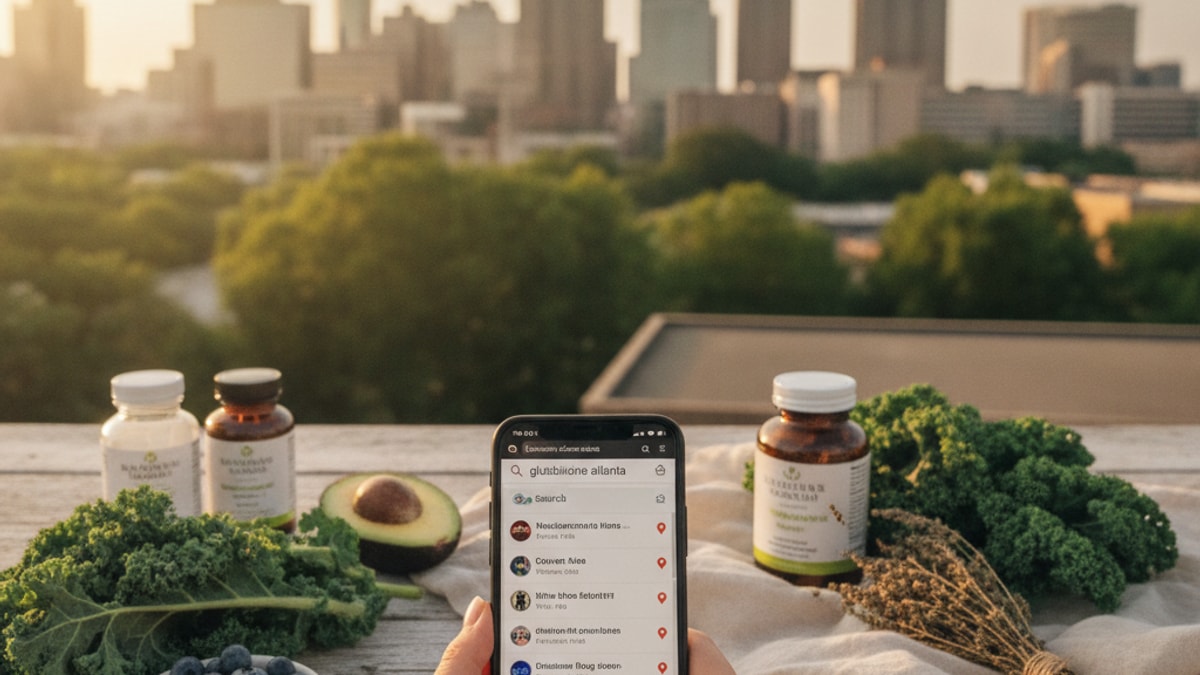
How to Get Glutathione in Atlanta — Options & Access Guide
Atlanta's wellness infrastructure supports three primary pathways to get glutathione: IV infusion clinics concentrated in Buckhead and Midtown, compounding pharmacies that prepare injectable formulations under prescription, and telehealth platforms that ship oral liposomal glutathione directly to Georgia residents. Each route operates under different regulatory frameworks. IV clinics require on-site administration by licensed providers, compounded injectables demand prescriber oversight, and oral supplementation bypasses medical gatekeeping entirely but delivers substantially lower bioavailability.
We've worked with patients navigating all three access models. The gap between doing this right and wasting money comes down to understanding which form matches your specific clinical goal. IV glutathione for acute oxidative stress or pre-event skin brightening, injectable protocols for sustained therapeutic levels, or oral liposomal formats for maintenance support without needles.
How do you get glutathione in Atlanta if you want medical-grade access?
To get glutathione in Atlanta through medical channels, you need either an in-person visit at an IV wellness clinic (walk-in or appointment-based), a prescription from a licensed provider for compounded injectable glutathione filled at a 503B pharmacy, or enrollment in a telehealth program that ships oral liposomal glutathione after a virtual consultation. IV clinics charge $150–$300 per session with no prescription required; compounded injectables cost $80–$150 monthly under ongoing prescriber supervision; oral liposomal products range from $40–$90 per month and require no medical oversight.
Most people researching how to get glutathione in Atlanta start with Google searches for 'IV therapy near me' and land on Buckhead medspa websites. But that's the highest-cost, lowest-convenience option unless you specifically need the rapid plasma spike that IV administration delivers. This guide covers the three access pathways available to Atlanta residents, what each costs, what medical oversight is required, and which clinical scenarios justify each route.
Step 1: Determine Which Glutathione Form Matches Your Clinical Goal
Before you search for where to get glutathione in Atlanta, identify whether you need systemic bioavailability (IV or injectable), localized skin effects (topical or oral), or immune maintenance (oral liposomal). Glutathione functions as the body's master antioxidant. It neutralises reactive oxygen species, supports Phase II liver detoxification, and regenerates vitamins C and E. The form you choose determines how much reaches target tissues.
IV glutathione produces plasma concentrations of 300–600 µmol/L within 30 minutes. Levels high enough to saturate hepatic glutathione-S-transferase enzymes and provide acute antioxidant protection during oxidative challenges like chemotherapy, heavy metal exposure, or post-surgical recovery. This route bypasses first-pass metabolism entirely. Injectable glutathione (intramuscular or subcutaneous) delivers slower absorption but maintains therapeutic levels for 48–72 hours, making it suitable for skin brightening protocols or chronic oxidative conditions. Oral glutathione. Even in liposomal form. Achieves only 10–20% of IV bioavailability because stomach acid and intestinal peptidases break down the tripeptide structure before systemic absorption.
If your goal is event-driven skin brightening (wedding, photoshoot, special occasion), IV protocols deliver visible melanin suppression within 4–6 sessions. If you're managing chronic conditions like Parkinson's disease, non-alcoholic fatty liver disease, or recurrent respiratory infections, injectable maintenance protocols make more sense than weekly IV visits. If you want general immune support without medical supervision, oral liposomal glutathione is the only self-directed option. But don't expect the plasma levels required for therapeutic intervention.
Step 2: Identify Licensed Providers or Pharmacies That Dispense Glutathione in Atlanta
To get glutathione in Atlanta through medical channels, you'll work with one of three provider types: IV wellness clinics (licensed as medical spas or outpatient infusion centres), compounding pharmacies registered with the Georgia State Board of Pharmacy, or telehealth platforms with Georgia-licensed prescribers. Each operates under different scope-of-practice rules.
IV clinics in Buckhead, Midtown, and Decatur offer glutathione infusions as standalone treatments or add-ons to Myers' cocktails and NAD+ protocols. These facilities require a licensed nurse, nurse practitioner, or physician on-site during administration. Georgia law prohibits unlicensed staff from initiating IV access. Expect intake paperwork covering contraindications (G6PD deficiency, sulfite sensitivity, active cancer without oncologist clearance) and a brief health screening before your first session. Most clinics stock reduced L-glutathione in 1,000mg, 1,500mg, or 2,000mg doses mixed with saline and infused over 20–30 minutes.
Compounding pharmacies. Including Emory-affiliated facilities and independent 503B operations in Sandy Springs and Alpharetta. Prepare injectable glutathione under prescription only. Your prescriber (MD, DO, NP, or PA) writes for a specific dose, concentration, and frequency; the pharmacy compounds it in sterile vials or prefilled syringes. This route requires ongoing medical oversight because you're administering injections at home. Compounded glutathione costs significantly less per dose than IV treatments but demands comfort with self-injection technique.
Telehealth platforms like TrimRx provide access to oral liposomal glutathione after a virtual consultation with a Georgia-licensed provider. These programs ship directly to your address and include dosing guidance, but they do not offer IV or injectable formulations. The consultation exists to rule out contraindications and ensure appropriate use, not to prescribe controlled administration.
Step 3: Understand Costs, Insurance Coverage, and Payment Models
When you get glutathione in Atlanta, expect to pay out-of-pocket. Insurance does not cover glutathione for wellness, skin brightening, or anti-aging indications. IV sessions cost $150–$300 per visit depending on dose and clinic branding. Compounded injectable glutathione runs $80–$150 per month for twice-weekly injections. Oral liposomal glutathione costs $40–$90 monthly depending on concentration and brand.
IV clinics in Atlanta typically offer package pricing: $250 per session for single visits, $200 per session for a 5-pack, $175 per session for a 10-pack. High-dose protocols (2,000mg glutathione plus vitamin C) push toward $300 per session. Add-on services. Such as concurrent Myers' cocktail or intramuscular vitamin injections. Increase total cost. Most clinics require payment at time of service via credit card; a few accept HSA or FSA cards if the treatment is tied to a documented medical condition like chronic fatigue or fibromyalgia.
Compounded glutathione prescriptions filled at Georgia pharmacies cost $80–$150 monthly. This covers 8–12 vials or prefilled syringes depending on your prescribed frequency. You'll also need syringes, alcohol swabs, and sharps disposal. Most compounding pharmacies include these in the initial shipment. Insurance may cover part of the cost if your prescriber documents medical necessity (e.g., glutathione deficiency secondary to chronic illness), but this is rare.
Oral liposomal glutathione sold through telehealth platforms or direct-to-consumer brands costs $40–$90 per month. A 500mg liposomal dose taken twice daily runs approximately $60 monthly. These products ship without prescription, require no medical follow-up, and can be purchased from Amazon, Thorne, or Quicksilver Scientific.
Glutathione Access: Atlanta Delivery Comparison
| Access Method | Bioavailability | Cost Per Month | Medical Oversight Required | Best Use Case | Professional Assessment |
|---|---|---|---|---|---|
| IV Infusion (Clinic Visit) | 100% (direct plasma) | $600–$1,200 (4 sessions) | Yes. RN/NP on-site | Acute oxidative stress, pre-event skin brightening | Highest bioavailability but highest cost and lowest convenience. Justified only for acute clinical need or event-driven goals |
| Compounded Injectable (Prescription) | 60–80% (IM/SubQ absorption) | $80–$150 | Yes. Prescriber oversight, self-administration | Chronic skin protocols, sustained therapeutic levels | Best cost-to-efficacy ratio for maintenance protocols; requires comfort with self-injection |
| Oral Liposomal (OTC/Telehealth) | 10–20% (intestinal absorption) | $40–$90 | No | General immune support, maintenance without needles | Lowest bioavailability. Suitable for wellness support but insufficient for therapeutic intervention |
| Topical Glutathione (Serum/Cream) | <5% (dermal penetration) | $30–$70 | No | Localized skin application | Minimal systemic effect; evidence for skin brightening limited to formulations with penetration enhancers |
Key Takeaways
- To get glutathione in Atlanta, you can access IV infusions at licensed wellness clinics without a prescription, compounded injectables through a prescribing physician and 503B pharmacy, or oral liposomal supplements via telehealth or direct purchase.
- IV glutathione delivers 100% bioavailability with plasma levels peaking at 300–600 µmol/L within 30 minutes, making it the most effective route for acute oxidative challenges but also the most expensive at $150–$300 per session.
- Compounded injectable glutathione offers 60–80% bioavailability at $80–$150 monthly, requiring prescriber oversight and self-injection competence but providing sustained therapeutic levels for skin and metabolic protocols.
- Oral liposomal glutathione bypasses medical gatekeeping and costs $40–$90 monthly, but achieves only 10–20% bioavailability due to first-pass metabolism. Suitable for general wellness, insufficient for clinical intervention.
- Insurance does not cover glutathione for wellness or cosmetic indications; all routes are out-of-pocket unless a prescriber documents medical necessity tied to a covered diagnosis.
What If: Glutathione Access Scenarios
What If You Want to Get Glutathione in Atlanta but Don't Have a Regular Doctor?
You don't need an existing physician relationship to access glutathione in Atlanta. Walk into any licensed IV wellness clinic in Buckhead, Midtown, or Decatur. They perform on-site health screenings and administer glutathione without requiring referral or prior medical records. For compounded injectable glutathione, telehealth platforms with Georgia-licensed prescribers can issue prescriptions after a virtual consultation, which the platform coordinates with a compounding pharmacy for direct shipping. Oral liposomal glutathione requires no prescription at all.
What If You're Not Sure Whether IV or Injectable Glutathione Is Right for You?
Start with a single IV session to assess tolerance and visible effect. Most people notice improved energy and skin radiance within 24–48 hours if glutathione is addressing an underlying oxidative burden. If you plan to continue long-term, calculate monthly cost: four IV sessions per month cost $600–$1,200 versus $80–$150 for twice-weekly injectable protocols. If convenience and cost matter more than peak plasma levels, switch to compounded injectables after confirming glutathione works for you. If you experienced no noticeable benefit from IV glutathione, neither injectable nor oral forms will produce different results.
What If You Have G6PD Deficiency or Sulfite Sensitivity?
Do not use IV or injectable glutathione if you have glucose-6-phosphate dehydrogenase (G6PD) deficiency. Glutathione administration can trigger acute hemolytic anemia in G6PD-deficient individuals, a potentially life-threatening reaction. Sulfite sensitivity is a relative contraindication because some compounded glutathione formulations contain sodium metabisulfite as a preservative. Disclose both conditions during your clinic intake or prescriber consultation. Reputable providers will refuse to administer glutathione or will source sulfite-free compounded formulations if your G6PD status is normal.
The Clinical Truth About Glutathione Access in Atlanta
Here's the honest answer: most people who get glutathione in Atlanta are paying for IV sessions they don't need. The wellness industry markets glutathione as a universal anti-aging, detox, and immune booster. But the evidence for clinical benefit is strongest in populations with documented oxidative stress (chronic illness, toxin exposure, metabolic disease), not in healthy adults seeking 'optimization.' If you don't have a measurable oxidative burden, glutathione supplementation. IV, injectable, or oral. Is unlikely to produce meaningful, sustained effects beyond placebo.
The second truth: oral glutathione, even in liposomal form, does not replicate IV or injectable outcomes. Supplement companies market 'clinical-grade' oral glutathione with bioavailability claims based on small, poorly controlled trials. The pharmacokinetic reality is that stomach acid and intestinal peptidases degrade the glutathione tripeptide before systemic absorption. Less than 20% reaches circulation, and even that fraction is quickly metabolised by the liver. If your goal is therapeutic glutathione levels, oral forms won't get you there.
The third truth: if you're pursuing glutathione for skin brightening, results depend on dose, frequency, and concurrent UV protection. Not the route of administration alone. Glutathione inhibits tyrosinase, the enzyme that produces melanin, but this effect is dose-dependent and reversible. A 1,500mg IV dose twice weekly for 8–12 weeks produces visible lightening in most patients, but stopping treatment allows melanin production to resume. Injectable protocols work identically. Topical glutathione has minimal evidence. Most peer-reviewed dermatology studies show negligible penetration unless formulated with permeation enhancers like liposomes or niacinamide.
If you're managing a chronic condition where glutathione plays a documented therapeutic role. Parkinson's disease, COPD, non-alcoholic fatty liver disease. Coordinate with your prescribing physician before starting supplementation. Glutathione interacts with chemotherapy agents, immunosuppressants, and nitroglycerin; dosing and timing matter. For everyone else, the decision to get glutathione in Atlanta should start with a realistic assessment of whether the claimed benefits justify the cost and inconvenience of ongoing IV or injectable protocols.
Atlanta's wellness market makes it easy to access glutathione. Walk into a Buckhead clinic, book a telehealth consult, or order liposomal capsules online. The harder question is whether you need it in the first place. If your goal is acute oxidative protection, pre-event skin brightening, or adjunctive support during illness, the access pathways outlined here work. If you're hoping glutathione will deliver energy, immunity, and anti-aging effects that lifestyle changes haven't. Temper your expectations and budget accordingly.
Frequently Asked Questions
How do I get glutathione in Atlanta without a prescription?▼
You can get glutathione in Atlanta without a prescription by visiting any licensed IV wellness clinic in Buckhead, Midtown, or Decatur for on-site infusion — no referral or prior medical records required. Oral liposomal glutathione is also available over-the-counter through telehealth platforms, Amazon, or supplement retailers. Compounded injectable glutathione is the only form that requires a prescription from a Georgia-licensed provider.
Can I get glutathione in Atlanta through telehealth if I live outside the metro area?▼
Yes, telehealth platforms with Georgia-licensed prescribers can consult with patients anywhere in the state and ship oral liposomal glutathione or coordinate compounded injectable prescriptions directly to your address. IV glutathione requires in-person administration at a licensed clinic, but injectable protocols allow at-home self-administration after initial prescriber guidance. Most telehealth consultations take 15–20 minutes and cost $50–$100.
What does it cost to get glutathione in Atlanta on a monthly basis?▼
Monthly costs to get glutathione in Atlanta range from $600–$1,200 for four IV sessions, $80–$150 for compounded injectable protocols (8–12 doses), or $40–$90 for oral liposomal supplements. IV clinics often offer package pricing that reduces per-session cost to $175–$200 when purchasing 5 or 10 sessions upfront. Insurance does not cover glutathione for wellness or cosmetic indications.
What are the risks of getting glutathione in Atlanta from unlicensed providers?▼
Unlicensed or improperly supervised glutathione administration carries risks including infection from non-sterile compounding, incorrect dosing leading to adverse reactions, and lack of screening for contraindications like G6PD deficiency. Georgia law requires IV therapy to be administered by licensed nurses, nurse practitioners, or physicians — facilities operating outside this framework cannot legally provide IV glutathione. Always verify that your provider holds active Georgia medical licensure and the facility is registered with the state health department.
How does IV glutathione compare to oral glutathione for effectiveness?▼
IV glutathione delivers 100% bioavailability with plasma concentrations reaching 300–600 µmol/L within 30 minutes, while oral glutathione — even in liposomal form — achieves only 10–20% bioavailability due to first-pass hepatic metabolism and intestinal degradation. IV administration bypasses the digestive system entirely, making it the only route capable of producing therapeutic glutathione levels for acute oxidative stress or clinical intervention. Oral forms are suitable for general wellness but insufficient for conditions requiring sustained high plasma concentrations.
Who should not get glutathione in Atlanta?▼
Individuals with glucose-6-phosphate dehydrogenase (G6PD) deficiency should not receive glutathione in any form — it can trigger acute hemolytic anemia, a life-threatening reaction. People with sulfite sensitivity should avoid glutathione formulations containing sodium metabisulfite as a preservative. Patients undergoing chemotherapy or taking immunosuppressants should coordinate with their oncologist or prescribing physician before starting glutathione, as it may interfere with treatment efficacy.
How long does it take to see results after starting glutathione in Atlanta?▼
Most people notice increased energy and improved skin radiance within 24–48 hours of their first IV glutathione session if they have an underlying oxidative burden. Visible skin brightening typically requires 4–6 weeks of consistent dosing (twice-weekly IV or injectable protocols) as glutathione inhibits melanin production through tyrosinase suppression. Oral liposomal glutathione produces slower, more subtle effects over 8–12 weeks due to lower bioavailability.
Can I get glutathione in Atlanta if I’m pregnant or breastfeeding?▼
Glutathione supplementation during pregnancy and breastfeeding has not been studied in controlled trials, so most prescribers advise against it unless medically necessary for a documented deficiency. Endogenous glutathione production increases naturally during pregnancy to support fetal development and protect against oxidative stress. If you’re considering glutathione for a specific clinical indication while pregnant, discuss it with your obstetrician before starting treatment.
What is the difference between reduced and oxidised glutathione?▼
Reduced glutathione (GSH) is the active, bioavailable form that neutralises free radicals and supports detoxification — this is the form used in IV and injectable protocols. Oxidised glutathione (GSSG) is the spent, inactive form produced after GSH donates electrons during antioxidant reactions; it must be converted back to GSH by the enzyme glutathione reductase. Supplemental glutathione is always provided as reduced L-glutathione because oxidised glutathione has no therapeutic value until the body reconverts it.
Can I get glutathione in Atlanta and use it for skin brightening long-term?▼
Yes, but results are not permanent — glutathione inhibits tyrosinase, the enzyme responsible for melanin production, so skin lightening reverses within weeks to months after stopping treatment. Maintenance protocols require ongoing dosing (typically once-weekly IV or twice-weekly injectable glutathione) to sustain visible effects. Long-term safety data for cosmetic glutathione use is limited; most peer-reviewed studies evaluate short-term protocols of 8–12 weeks.

Transforming Lives, One Step at a Time
Keep reading

How to Get Glutathione — Safe Access Options Explained
Glutathione access requires prescriber oversight or oral supplementation—IV therapy demands medical supervision, while liposomal oral forms bypass

Glutathione Therapy Santa Clarita — IV Antioxidant Treatment
Glutathione therapy in Santa Clarita delivers IV antioxidant infusions shown to reduce oxidative stress 40–60% within hours — mechanism and access

Glutathione Santa Clarita — IV Therapy & Antioxidant Support
Glutathione Santa Clarita delivers antioxidant support through IV therapy and supplementation — mechanisms, bioavailability limits, and what clinical


