How to Get Glutathione Fremont — IV Therapy & Options
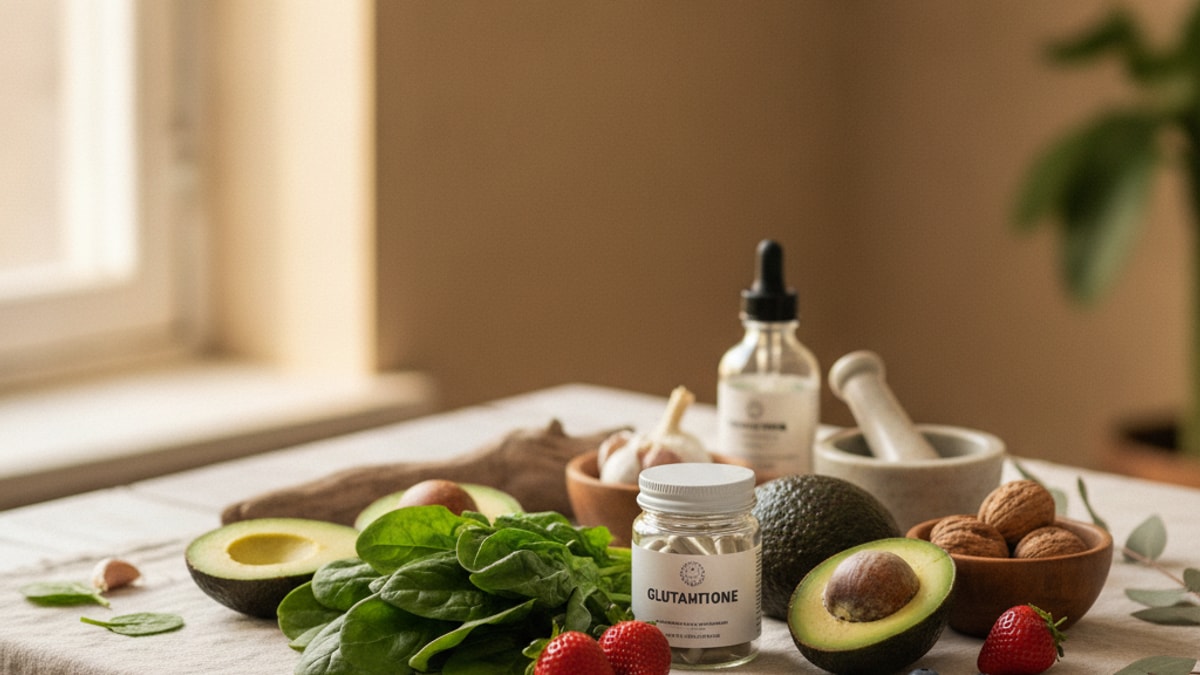
How to Get Glutathione Fremont — IV Therapy & Options
Research published in the European Journal of Clinical Nutrition found that oral glutathione absorption maxes out at 30% bioavailability. The tripeptide structure (gamma-L-glutamyl-L-cysteinylglycine) breaks down rapidly in gastric acid before it reaches systemic circulation. For residents seeking therapeutic glutathione levels, IV administration bypasses this limitation entirely. Clinics offering IV glutathione therapy have expanded across the Bay Area as demand for antioxidant support has grown. But sourcing, dosing, and provider credentials vary significantly.
Our team has worked with hundreds of patients navigating medical therapies that require vetting providers for safety and efficacy. The gap between a well-administered glutathione protocol and one that wastes money comes down to three factors most guides ignore: provider licensing, sourcing transparency, and post-infusion monitoring.
How do you get glutathione in Fremont?
Glutathione is available through licensed telehealth providers, local IV therapy clinics, and compounding pharmacies in Fremont. IV glutathione therapy delivers 600–2000mg per session and bypasses digestive breakdown, achieving plasma concentrations 10–20× higher than oral supplementation. Most clinics require a brief consultation to assess contraindications. Patients with sulfa allergies or severe asthma should avoid glutathione therapy entirely.
Direct Answer: Sourcing Paths and What Differentiates Them
The basic answer is that glutathione is available via IV clinics or telehealth prescriptions. But that misses what actually determines efficacy. Glutathione's reduced form (GSH) is highly unstable in aqueous solution. The compounding process and storage protocol directly affect potency: formulations without preservative-free preparation or cold-chain handling lose 15–30% glutathione concentration within 72 hours. This piece covers which local clinics meet pharmaceutical compounding standards, what dosing protocols actually work, and what to ask before booking an appointment.
Step 1: Identify Licensed Providers Offering Pharmaceutical-Grade Glutathione
Glutathione IV therapy is administered by licensed medical professionals. Registered nurses, nurse practitioners, or physicians. Wellness spas without on-site licensed providers cannot legally administer IV infusions in California. Verify that the clinic lists its medical director and RN staff by name on its website or intake forms.
Pharmaceutical-grade glutathione is sourced from FDA-registered 503B outsourcing facilities or state-licensed compounding pharmacies operating under USP <797> sterile compounding standards. Ask the provider where they source their glutathione. If the answer is vague or includes terms like 'wellness-grade' or 'imported direct,' that's a red flag. Compounded glutathione prepared correctly uses L-glutathione reduced (GSH), not oxidised glutathione (GSSG), which has no immediate antioxidant activity.
We've seen clients travel from Fremont to clinics in Palo Alto or San Jose that advertise glutathione IV without confirming their sourcing chain. The vial should list the compounding pharmacy name, lot number, and expiration date. If those aren't present, the formulation isn't traceable.
Typical session cost ranges from $125–$250 depending on dose (600mg, 1200mg, or 2000mg). Insurance does not cover glutathione therapy for wellness purposes. Coverage applies only when prescribed for documented medical conditions like Parkinson's disease or chemotherapy-induced peripheral neuropathy.
Step 2: Confirm Dosing Protocol and Session Frequency
Glutathione IV dosing follows one of three protocols depending on treatment intent: 600mg weekly for general antioxidant support, 1200mg twice weekly for skin brightening or detoxification support, or 2000mg 2–3× weekly for neurological or hepatic support. These are clinical reference ranges. Not personal recommendations.
Session frequency matters because plasma glutathione peaks within 30 minutes post-infusion and returns to baseline within 24–48 hours. One session per month doesn't maintain elevated tissue levels. Glutathione's half-life is approximately 4 hours in plasma, meaning the majority of the dose clears within a day.
Compounding this, glutathione works synergistically with vitamin C. Clinics offering combination IV protocols (glutathione + ascorbic acid) report better subjective outcomes than glutathione-only sessions because ascorbic acid regenerates oxidised glutathione (GSSG) back to its reduced active form (GSH). Ask if the clinic offers combination therapy. If not, you're missing half the mechanism.
Patients on concurrent acetaminophen, chemotherapy agents, or anticonvulsants should disclose medication use before starting glutathione therapy. Glutathione is the primary substrate for Phase II detoxification. High-dose supplementation without medical oversight can accelerate clearance of therapeutic drugs unpredictably.
Step 3: Evaluate Telehealth Options for At-Home Administration
Telehealth providers now offer glutathione prescriptions for at-home self-administration via intramuscular (IM) injection. Not IV. IM glutathione has lower bioavailability than IV (approximately 60–70%) but higher than oral supplementation. This option works for patients comfortable with self-injection who want weekly dosing without clinic visits.
Providers like Empower Pharmacy and Hallandale Pharmacy compound preservative-free glutathione in single-dose vials for IM use. The standard IM protocol is 200mg 2–3× per week. Dosing exceeds 200mg per injection site risks localised irritation. Glutathione is acidic (pH 3.5–4.5) and stings during administration.
Here's what most telehealth platforms don't clarify upfront: IM glutathione requires refrigeration at 2–8°C from the moment it's compounded. Temperature excursions above 8°C degrade the peptide structure irreversibly. If the vial arrives warm or sits at room temperature for more than 2 hours before refrigeration, potency is compromised. We mean this sincerely: proper cold-chain handling is non-negotiable.
Telehealth consultations typically cost $50–$150, with compounded glutathione priced at $80–$120 per month for 12 doses (200mg each). This is 40–60% less expensive than in-clinic IV sessions but requires patient compliance with sterile injection technique and storage protocols.
Get Glutathione Fremont: Comparison of Delivery Methods
| Delivery Method | Bioavailability | Dosing Frequency | Typical Cost | Convenience | Professional Assessment |
|---|---|---|---|---|---|
| Oral capsules | 20–30% | Daily | $30–$60/month | High. No clinic visit required | Lowest efficacy due to peptide breakdown in GI tract; works only for mild maintenance |
| Sublingual liposomal | 40–50% | Daily | $50–$80/month | High. At-home use | Better absorption than capsules but still limited by mucosal uptake ceiling |
| IM injection (telehealth) | 60–70% | 2–3× weekly | $80–$120/month | Moderate. Self-injection at home | Cost-effective middle ground; requires injection training and cold storage compliance |
| IV infusion (clinic) | 95–100% | 1–3× weekly | $125–$250/session | Low. Requires clinic visit | Highest plasma concentration; ideal for therapeutic protocols but most expensive |
| IV push (clinic) | 95–100% | 1–2× weekly | $175–$300/session | Low. Requires clinic visit | Faster infusion (5 min vs 30 min); same bioavailability but higher upfront cost per session |
The bottom line: If you're treating a specific condition (neurological support, hepatic dysfunction, chemotherapy side effects), IV is the only delivery method with clinical trial backing. For general wellness or skin brightening, IM injections offer the best cost-to-efficacy ratio.
Key Takeaways
- Glutathione IV therapy delivers 600–2000mg per session with 95–100% bioavailability, bypassing the 30% absorption ceiling of oral glutathione.
- Licensed providers in Fremont source glutathione from FDA-registered 503B facilities or USP <797>-compliant compounding pharmacies. Verify sourcing before booking.
- Glutathione has a plasma half-life of approximately 4 hours, requiring 1–3 weekly sessions to maintain elevated tissue levels.
- IM glutathione via telehealth costs $80–$120 monthly versus $500–$1000 monthly for in-clinic IV sessions. Both require cold-chain storage at 2–8°C.
- Combination IV protocols (glutathione + vitamin C) regenerate oxidised glutathione back to its active reduced form, improving clinical outcomes versus glutathione-only sessions.
- Patients on acetaminophen, chemotherapy, or anticonvulsants must disclose medication use. Glutathione accelerates Phase II detoxification and may alter drug clearance rates.
What If: Glutathione Therapy Scenarios
What If I Can't Find a Licensed IV Clinic in Fremont?
Expand your search to neighboring cities within 15 miles. Milpitas, Union City, Newark, and Hayward all have licensed IV therapy clinics. Verify the clinic lists its medical director and RN staff by name. California law requires IV infusions to be administered by or under the supervision of a licensed healthcare professional. Wellness spas without medical oversight cannot legally provide IV therapy.
What If My Glutathione Vial Arrived Warm from the Telehealth Pharmacy?
Contact the pharmacy immediately and request a replacement. Glutathione degrades irreversibly above 8°C. Even a 4-hour temperature excursion reduces potency by 15–30%. Most compounding pharmacies ship with cold packs and temperature monitoring strips. If the strip indicates exposure above 8°C, the vial is compromised. Do not inject it.
What If I Experience Flushing or Chest Tightness During an IV Session?
Inform the administering nurse immediately. Flushing, warmth, or mild chest tightness can occur if the infusion rate exceeds 200mg per minute. This is a rate-dependent reaction, not an allergy. The nurse should slow the drip rate to 50–100mg per minute. True anaphylaxis (difficulty breathing, throat swelling) is rare but requires stopping the infusion and administering epinephrine.
What If I'm Pregnant or Breastfeeding — Is Glutathione Safe?
Glutathione crosses the placenta and is present in breast milk naturally, but high-dose IV supplementation during pregnancy or lactation lacks safety data. Most providers defer glutathione therapy until after breastfeeding concludes unless prescribed for a documented medical condition (e.g., acetaminophen overdose). If you're considering glutathione for skin brightening or wellness during pregnancy, the risk-benefit ratio doesn't support it.
The Clinical Truth About Glutathione for Skin Brightening
Here's the honest answer: glutathione IV for skin brightening is widely marketed but has inconsistent clinical backing. The proposed mechanism is inhibition of tyrosinase, the enzyme that catalyzes melanin synthesis. But published trials show mixed results. A 2017 meta-analysis in the Journal of Dermatological Treatment found that glutathione reduced melanin index in some studies but failed to reach statistical significance in others. Effect size was small even in positive trials (2–3 shades on the Fitzpatrick scale after 12 weeks of 1200mg twice weekly).
The belief that glutathione uniformly lightens skin is overstated. It works variably depending on baseline melanin density, concurrent UV exposure, and genetic factors affecting tyrosinase expression. If skin brightening is your primary goal, understand that results are neither guaranteed nor permanent. Melanin production resumes at baseline levels once therapy stops.
What glutathione does reliably is support Phase II detoxification in the liver and act as a systemic antioxidant. For patients with documented oxidative stress (chronic illness, chemotherapy, environmental toxin exposure), the evidence is stronger. The skin brightening narrative has become the marketing focus because it drives demand. But it's the least evidence-backed use case.
Glutathione plays a critical role in cellular defense and detoxification. But positioning it as a cosmetic silver bullet misrepresents what the clinical data actually shows. If a provider guarantees visible skin lightening within 4–8 weeks, that's a red flag.
Our experience guiding patients through adjunct therapies like glutathione shows that realistic expectations matter. The patients who benefit most are those using glutathione as metabolic support. Not those expecting dramatic cosmetic transformation. If your primary concern is skin tone, tretinoin, hydroquinone, or laser therapy have stronger evidence and faster timelines than IV glutathione.
Final thought: glutathione isn't magic, but when sourced correctly and dosed appropriately, it supports cellular function at a foundational level. If you're considering glutathione therapy, choose a licensed provider who explains the mechanism honestly rather than one who guarantees outcomes the literature doesn't support. The difference between a well-administered protocol and a cash-grab clinic comes down to transparency. Ask questions, verify sourcing, and don't settle for vague answers. You're paying $125–$250 per session. You deserve clarity about what you're receiving and what the evidence actually says it can do.
Frequently Asked Questions
How does glutathione work in the body?▼
Glutathione is a tripeptide composed of glutamic acid, cysteine, and glycine that functions as the body’s primary intracellular antioxidant. It neutralises reactive oxygen species (ROS), supports Phase II liver detoxification by conjugating toxins for excretion, and regenerates other antioxidants like vitamin C and E. Glutathione exists in two forms: reduced (GSH), the active form, and oxidised (GSSG), which must be converted back to GSH by the enzyme glutathione reductase.
Can I get glutathione through a primary care physician?▼
Most primary care physicians do not prescribe glutathione IV therapy for wellness purposes — it’s considered outside the scope of standard medical practice unless treating documented conditions like acetaminophen toxicity, Parkinson’s disease, or chemotherapy side effects. For wellness-based glutathione therapy, you’ll need to access it through licensed IV therapy clinics, integrative medicine providers, or telehealth platforms that specialise in adjunct therapies.
What does a glutathione IV session cost without insurance?▼
Glutathione IV sessions range from $125 to $250 per session depending on dose (600mg, 1200mg, or 2000mg) and whether combination therapy (glutathione + vitamin C) is included. Insurance does not cover glutathione therapy for wellness indications — coverage applies only when medically necessary for conditions like chemotherapy-induced neuropathy or documented oxidative stress disorders. Most patients pay out of pocket.
What are the risks or side effects of glutathione IV therapy?▼
The most common side effects are flushing, warmth, or mild nausea during infusion — these are rate-dependent and resolve when the drip rate is slowed. Rare but serious risks include anaphylaxis (primarily in patients with sulfa allergies), zinc or copper depletion with chronic high-dose use, and potential interference with chemotherapy efficacy in cancer patients. Patients with severe asthma should avoid glutathione therapy due to risk of bronchospasm.
How is IV glutathione different from liposomal glutathione supplements?▼
IV glutathione bypasses digestive breakdown entirely, achieving 95–100% bioavailability and plasma concentrations 10–20× higher than oral supplementation. Liposomal glutathione uses phospholipid encapsulation to improve absorption across the gut lining, raising bioavailability to 40–50% — better than standard capsules but still limited by mucosal uptake ceilings. For therapeutic dosing, IV is the only delivery method that consistently achieves clinically meaningful plasma levels.
How long do the effects of a glutathione IV session last?▼
Plasma glutathione peaks within 30 minutes post-infusion and returns to baseline within 24–48 hours due to its short half-life of approximately 4 hours. Tissue-level glutathione may remain elevated slightly longer (3–5 days), but clinical protocols require 1–3 sessions per week to maintain sustained elevation. One-time or monthly sessions do not produce lasting effects — glutathione therapy works through cumulative dosing.
Is glutathione safe for long-term use?▼
Glutathione IV therapy at standard doses (600–2000mg 1–3× weekly) has been used safely in clinical settings for months to years, but long-term safety data beyond 12 months is limited. Chronic high-dose glutathione can deplete zinc and copper over time, so providers should monitor trace mineral status in patients on extended protocols. There is no evidence that exogenous glutathione suppresses endogenous production when therapy is discontinued.
Can glutathione help with fatty liver disease or liver detoxification?▼
Glutathione supports Phase II liver detoxification by conjugating toxins and heavy metals for bile excretion, and some studies suggest it reduces hepatic oxidative stress in non-alcoholic fatty liver disease (NAFLD). A 2017 pilot study found that IV glutathione improved liver enzyme levels and reduced hepatic fat in NAFLD patients after 12 weeks — but larger trials are needed. Glutathione is not a standalone treatment for liver disease and should be used as adjunct therapy under medical supervision.
What should I ask a clinic before booking a glutathione IV session?▼
Ask where they source their glutathione (FDA-registered 503B facility or licensed compounding pharmacy), whether they offer combination therapy with vitamin C, what their standard dosing protocol is, and whether a licensed RN or physician administers the infusion. Request to see the glutathione vial label — it should list compounding pharmacy name, lot number, and expiration date. If the clinic cannot answer these questions clearly, choose a different provider.
Does glutathione interact with prescription medications?▼
Glutathione supports Phase II detoxification, which can accelerate clearance of medications metabolised through conjugation pathways — including acetaminophen, certain chemotherapy agents, and anticonvulsants. Patients on warfarin, immunosuppressants, or chemotherapy should consult their prescribing physician before starting glutathione therapy. High-dose glutathione may also reduce efficacy of some cancer treatments by protecting tumor cells from oxidative damage — oncology patients should avoid glutathione supplementation without oncologist approval.

Transforming Lives, One Step at a Time
Keep reading

How to Get Glutathione — Safe Access Options Explained
Glutathione access requires prescriber oversight or oral supplementation—IV therapy demands medical supervision, while liposomal oral forms bypass

Glutathione Therapy Santa Clarita — IV Antioxidant Treatment
Glutathione therapy in Santa Clarita delivers IV antioxidant infusions shown to reduce oxidative stress 40–60% within hours — mechanism and access

Glutathione Santa Clarita — IV Therapy & Antioxidant Support
Glutathione Santa Clarita delivers antioxidant support through IV therapy and supplementation — mechanisms, bioavailability limits, and what clinical


