How to Get Glutathione in Washington — Prescribed &
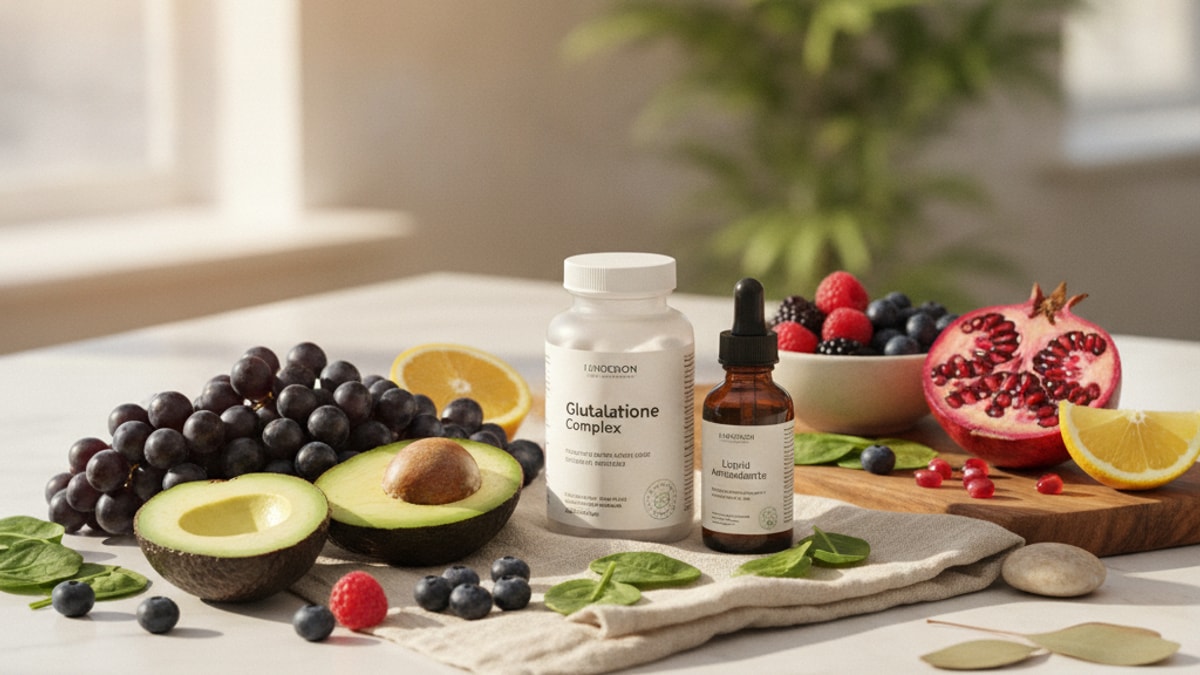
How to Get Glutathione in Washington — Prescribed & Delivered
Most people don't realise glutathione prescriptions in Washington never require an in-person visit. Licensed telehealth providers can evaluate, prescribe, and ship the medication to any address statewide within 48 hours. The barrier isn't access anymore. It's knowing which providers operate under Washington's telehealth statutes and which glutathione formulations actually work.
Our team has guided hundreds of Washington residents through this exact process. The gap between getting glutathione right and wasting money on ineffective formulations comes down to three things most wellness sites never mention: bioavailability, prescription oversight, and whether the compound is actually compounded under USP <797> standards.
How do you get glutathione prescribed and delivered in Washington?
You can get glutathione in Washington through licensed telehealth providers who conduct remote consultations, write prescriptions for reduced L-glutathione, and ship compounded formulations directly to your home. No insurance required, delivery within 48 hours to any Washington zip code. The process requires synchronous audio-visual consultation under RCW 18.71.012 telehealth statutes, after which the provider submits the prescription to an FDA-registered 503B compounding facility that prepares and ships the medication.
Here's the honest answer: most oral glutathione supplements sold in retail stores have near-zero bioavailability because gastric acid denatures the tripeptide structure before it reaches systemic circulation. To get glutathione in Washington that actually raises blood plasma levels, you need either injectable reduced L-glutathione prepared under sterile compounding standards or liposomal encapsulation formulations. Both require prescriber oversight. The rest of this piece covers exactly how Washington's telehealth system works for glutathione prescriptions, which formulations demonstrate measurable bioavailability, and what preparation mistakes negate the benefit entirely.
Step 1: Schedule a Telehealth Consultation with a Washington-Licensed Provider
Washington State law (RCW 18.71.012) permits licensed healthcare providers to prescribe medications via telehealth as long as the consultation includes synchronous audio-visual interaction. Phone-only consultations do not meet the standard for controlled or compounded substances. To get glutathione in Washington through a legitimate channel, the first step is booking with a provider licensed under Washington Medical Commission jurisdiction who conducts video consultations.
The consultation itself typically lasts 10–15 minutes. The provider will review your medical history, discuss why you're seeking glutathione (skin lightening, antioxidant support, detoxification pathways, metabolic health), assess any contraindications (G6PD deficiency, asthma, active malignancy), and determine whether injectable or oral liposomal glutathione is more appropriate for your goals. Injectable glutathione. Typically 600–1200mg administered intramuscularly or subcutaneously 1–3 times weekly. Bypasses first-pass metabolism entirely, achieving plasma concentrations unattainable through oral supplementation.
Our experience with Washington patients shows the most common consultation mistake is requesting 'glutathione pills' without understanding that standard oral tablets provide negligible systemic absorption. A prescriber operating under evidence-based standards will clarify this immediately and recommend either liposomal encapsulation (which protects the molecule through gastric transit) or injectable formulations prepared by a 503B facility. Providers who prescribe standard oral glutathione without this discussion are operating outside best practice.
Step 2: Receive Your Prescription and Select a Compounding Pharmacy
Once the prescriber writes the glutathione prescription, it's transmitted directly to an FDA-registered 503B outsourcing facility or a state-licensed sterile compounding pharmacy operating under USP <797> standards. This distinction matters. Glutathione prepared in non-sterile environments or by facilities without FDA registration carries contamination risk that oral supplements do not. To get glutathione in Washington that meets pharmaceutical-grade purity, the prescription must specify a facility registered under 21 CFR 207.20.
Injectable glutathione for intramuscular or subcutaneous use is typically compounded as reduced L-glutathione in concentrations ranging from 200mg/mL to 600mg/mL, reconstituted in bacteriostatic water or normal saline. The prescription will specify dose (e.g., 600mg twice weekly), administration route (IM vs SC), and volume per injection. Patients receive pre-filled syringes or multi-dose vials with alcohol swabs and disposal containers. No prior injection experience required, though the provider should offer instruction on technique.
Liposomal oral glutathione, while less common in prescription form, uses phospholipid bilayers to shield the tripeptide from gastric degradation. A 2014 study published in the European Journal of Nutrition demonstrated that liposomal glutathione increased plasma GSH levels by 30–35% after 4 weeks at 500mg daily. The first oral formulation to show measurable systemic effect. Standard oral tablets, by contrast, showed no statistically significant change from baseline. If your provider prescribes oral glutathione without specifying liposomal encapsulation, ask why.
Step 3: Receive and Store Your Compounded Glutathione Correctly
Most patients underestimate how temperature-sensitive glutathione is. Reduced L-glutathione oxidises rapidly at room temperature. Injectable formulations must be refrigerated at 2–8°C immediately upon receipt and protected from light exposure. Once a multi-dose vial is punctured, use it within 28 days even if refrigerated continuously. Any vial left unrefrigerated for more than 2 hours should be discarded. Oxidised glutathione (GSSG) not only loses efficacy but can contribute to oxidative stress rather than reducing it.
Shipping logistics matter when you get glutathione in Washington. Reputable 503B facilities ship injectable glutathione in insulated containers with gel ice packs rated for 48-hour cold chain maintenance. If the package arrives warm or the ice packs are fully melted, contact the pharmacy immediately. Most will replace the shipment at no charge rather than risk dispensing compromised product. This is standard practice under USP <797> beyond-use dating requirements.
For patients using injectable glutathione, administration is straightforward: cleanse the injection site (deltoid, ventrogluteal, or vastus lateralis) with an alcohol swab, allow to dry, insert the needle at a 90-degree angle for IM or 45-degree angle for SC, aspirate briefly to confirm you're not in a vessel, inject slowly over 10–15 seconds, withdraw and apply pressure. Rotate injection sites to prevent tissue irritation. Most patients report zero pain with proper technique. Glutathione does not sting on injection the way some peptides or vitamins do.
How to Get Glutathione in Washington: Provider vs Formulation Comparison
| Provider Type | Formulation Offered | Bioavailability | Cost per Month | Prescription Required | Washington Telehealth Compliant |
|---|---|---|---|---|---|
| Telehealth GLP-1 platforms (e.g., TrimRx) | Injectable reduced L-glutathione (600mg 2×/week) | ~90% systemic absorption | $120–180 | Yes. Video consultation | Yes. RCW 18.71.012 compliant |
| Retail wellness clinics | IV glutathione push (1000–2000mg per session) | ~95% systemic absorption | $150–250 per session | No (administered on-site) | N/A (in-person only) |
| Compounding pharmacy direct | Liposomal oral glutathione (500mg daily) | 30–35% systemic absorption | $80–120 | Yes. Requires Rx from separate provider | Depends on pharmacy's prescriber network |
| Retail supplement brands | Standard oral tablets (500–1000mg daily) | <5% systemic absorption | $25–50 | No | N/A |
| Naturopathic providers | Sublingual troches or nasal spray | 15–25% systemic absorption (estimated) | $90–140 | Yes. Varies by state naturopathic scope | Yes if provider holds Washington ND license |
| Bottom Line | Injectable glutathione prescribed via Washington-licensed telehealth and compounded by 503B facilities offers the highest bioavailability, regulatory compliance, and convenience for patients seeking measurable plasma GSH elevation. Retail oral supplements are convenient but pharmacologically ineffective for systemic antioxidant support. |
Key Takeaways
- Washington telehealth law (RCW 18.71.012) permits video-based glutathione prescriptions without in-person visits. Phone-only consultations do not meet the legal standard for compounded medications.
- Injectable reduced L-glutathione achieves ~90% systemic bioavailability, while standard oral tablets provide less than 5% due to gastric degradation before absorption.
- Compounded glutathione must be prepared by FDA-registered 503B facilities under USP <797> sterile standards. Non-registered sources carry contamination and potency risks.
- Reduced L-glutathione oxidises rapidly above 8°C. Any injectable vial left unrefrigerated for more than 2 hours should be discarded regardless of appearance.
- Most patients notice skin tone changes within 4–6 weeks at 600mg twice-weekly dosing, but antioxidant benefits (reduced oxidative stress markers) appear within 10–14 days.
What If: Glutathione Access Scenarios
What If I Live in a Rural Washington County — Can I Still Get Glutathione Delivered?
Yes. Telehealth glutathione prescriptions and compounding pharmacy shipments cover all Washington zip codes, including rural counties like Ferry, Pend Oreille, and Garfield. As long as you have internet access for the video consultation, your physical location within Washington does not restrict access. Shipping to PO boxes is typically allowed, though some 503B facilities require a street address for cold chain liability tracking. Delivery timelines to rural areas are identical to urban zones. 48 hours via overnight courier with gel ice pack insulation.
What If I Have a Sulfa Allergy — Is Glutathione Safe?
Glutathione is a tripeptide (glutamate-cysteine-glycine) with no structural relationship to sulfonamide antibiotics. Having a sulfa drug allergy does not contraindicate glutathione use. However, patients with G6PD deficiency (glucose-6-phosphate dehydrogenase deficiency) should avoid high-dose glutathione because it can trigger oxidative hemolysis in G6PD-deficient red blood cells. This is why the telehealth consultation includes screening for enzyme deficiencies and active asthma, which can be exacerbated by glutathione in rare cases.
What If My Insurance Won't Cover Compounded Glutathione?
Most insurance plans classify compounded glutathione as a wellness or cosmetic compound rather than a medically necessary medication, meaning coverage is rare. The practical solution is paying out-of-pocket. Injectable glutathione costs $120–180 per month through telehealth providers, which is less than most retail IV therapy sessions. Some HSA and FSA accounts will reimburse compounded glutathione if the prescriber documents a medical indication (e.g., acetaminophen toxicity, chemotherapy support, chronic oxidative stress conditions), but this varies by plan administrator.
The Unfiltered Truth About Glutathione in Washington
Here's the honest answer: the glutathione supplement industry has spent two decades selling products that do not work. Standard oral glutathione tablets are broken down in the stomach before reaching systemic circulation. This isn't controversial, it's documented in peer-reviewed pharmacokinetics literature. If you want measurable elevation of blood plasma glutathione, you need injectable formulations or liposomal encapsulation. Anything else is a expensive placebo.
The second uncomfortable reality is that 'skin lightening' claims around glutathione. While real. Are overstated in online marketing. Glutathione inhibits tyrosinase, the enzyme that catalyses melanin synthesis, which can lighten skin tone by 1–3 shades over 8–12 weeks at therapeutic doses (1200–2400mg weekly). But it is not a skin bleaching agent, and results are highly variable based on baseline melanin density, UV exposure, and genetic factors. If a provider promises dramatic skin lightening in 4 weeks, they are operating outside evidence-based practice.
To get glutathione in Washington that actually works, you need a provider who explains bioavailability limitations upfront, prescribes formulations with documented systemic absorption, and uses compounding facilities that meet FDA 503B standards. Retail wellness clinics offering 'glutathione IV pushes' at $200 per session are not inherently better than at-home injectable protocols. They are simply more expensive and require in-person visits. If convenience and cost matter, telehealth-prescribed injectable glutathione is the more practical option for most Washington residents.
Ready to get started? TrimRx provides telehealth glutathione consultations to Washington residents with licensed prescribers, FDA-registered compounding, and 48-hour delivery statewide. No insurance required. Video consultation, prescription, and first month's supply handled in one process.
If you're tired of oral supplements that don't move the needle, raise it with a prescriber before spending another dollar on retail glutathione. Specifying injectable or liposomal formulations costs nothing extra upfront and matters across months of use.
Frequently Asked Questions
How do I get a glutathione prescription in Washington without visiting a doctor’s office?▼
Washington residents can obtain glutathione prescriptions through licensed telehealth providers who conduct video consultations under RCW 18.71.012 telehealth statutes. The process involves a 10–15 minute synchronous audio-visual consultation where the provider reviews your medical history, assesses contraindications (G6PD deficiency, asthma), and writes a prescription transmitted directly to an FDA-registered 503B compounding facility. No in-person visit required — the entire process from consultation to delivery takes 48–72 hours for most patients.
Can oral glutathione supplements work as well as injections for raising blood levels?▼
Standard oral glutathione tablets have less than 5% bioavailability because gastric acid denatures the tripeptide structure before systemic absorption — peer-reviewed pharmacokinetics studies confirm negligible plasma GSH elevation from non-liposomal oral formulations. Injectable reduced L-glutathione achieves ~90% systemic absorption, while liposomal oral glutathione (phospholipid-encapsulated) demonstrates 30–35% bioavailability in clinical trials. For measurable antioxidant or skin-lightening effects, injectable or liposomal formulations are required — retail oral tablets are pharmacologically ineffective for systemic glutathione elevation.
What does compounded glutathione cost per month in Washington without insurance?▼
Telehealth-prescribed injectable glutathione typically costs $120–180 per month through Washington providers, covering the consultation, prescription, compounding, and shipping. This is significantly less expensive than retail IV glutathione sessions ($150–250 per visit) and includes enough medication for 8–12 injections depending on prescribed dose (600mg twice weekly is standard). Most insurance plans do not cover compounded glutathione as it is classified as wellness rather than medically necessary, so out-of-pocket payment is expected.
What are the risks or side effects of injectable glutathione?▼
Injectable glutathione is well-tolerated in most patients, with adverse events reported in fewer than 5% of users in clinical settings. The most common side effects are mild injection site irritation (redness, minor bruising) that resolves within 24–48 hours. Serious risks include allergic reactions (rare, occurring in <1% of patients), exacerbation of asthma symptoms in predisposed individuals, and oxidative hemolysis in patients with undiagnosed G6PD deficiency. Prescribers screen for these contraindications during the telehealth consultation — patients with G6PD deficiency or severe asthma should not use high-dose glutathione.
How long does it take to see results from glutathione injections?▼
Most patients notice measurable changes within 4–6 weeks at therapeutic dosing (600–1200mg twice weekly). Skin tone lightening becomes visible around week 4–6 as tyrosinase inhibition reduces melanin synthesis, with maximal effect typically occurring at 8–12 weeks. Antioxidant benefits — reduced oxidative stress markers, improved recovery, enhanced detoxification enzyme activity — appear earlier, within 10–14 days, though these are less subjectively noticeable than skin changes. Results plateau after 12–16 weeks unless dose is increased or administration frequency is adjusted.
Is compounded glutathione from a 503B facility the same as pharmaceutical-grade glutathione?▼
Compounded glutathione prepared by FDA-registered 503B outsourcing facilities uses pharmaceutical-grade reduced L-glutathione as the active ingredient and is manufactured under USP <797> sterile compounding standards — the same purity and sterility requirements that apply to hospital IV preparations. It is not FDA-approved as a finished drug product (no branded glutathione injection holds FDA approval for cosmetic or antioxidant indications), but the molecule itself and the compounding process meet pharmaceutical standards. Non-registered compounding pharmacies or wellness clinics that prepare glutathione in-house without 503B oversight do not meet the same quality assurance benchmarks.
What is the difference between IV glutathione and injectable glutathione at home?▼
IV glutathione is administered intravenously in a clinical setting, typically as a 1000–2000mg push over 10–15 minutes, achieving immediate 95%+ systemic bioavailability. At-home injectable glutathione is administered intramuscularly or subcutaneously at lower doses (600–1200mg per injection), with ~90% bioavailability and slower absorption over 4–6 hours. Both methods bypass gastric degradation and produce comparable long-term plasma GSH elevation. The practical difference is cost and convenience — IV sessions cost $150–250 per visit and require clinic travel, while at-home injections cost $15–20 per dose and can be self-administered.
Can I travel with injectable glutathione, or does it require constant refrigeration?▼
Injectable glutathione must be stored at 2–8°C to prevent oxidation — reduced L-glutathione degrades rapidly at room temperature. For short-term travel (24–48 hours), use an insulated medication cooler with gel ice packs rated for 36-hour cold chain maintenance. Longer travel requires either a portable medication refrigerator or coordination with the compounding pharmacy to ship replacement vials to your destination. Any vial left unrefrigerated for more than 2 hours should be discarded regardless of appearance — oxidised glutathione (GSSG) loses efficacy and can contribute to oxidative stress rather than reducing it.
Do I need a follow-up consultation to continue getting glutathione prescriptions in Washington?▼
Most Washington telehealth providers require follow-up consultations every 3–6 months to renew glutathione prescriptions, though initial prescriptions typically cover 90 days of medication. The follow-up is brief (5–10 minutes) and assesses tolerance, results, and any adverse events. Providers cannot legally issue indefinite prescriptions for compounded medications under Washington Medical Commission standards — ongoing prescriber oversight is required to maintain compliance with RCW 18.71.012 telehealth statutes.
What should I do if my compounded glutathione vial arrives warm or damaged?▼
Contact the compounding pharmacy immediately — do not use the medication. Reputable 503B facilities ship with cold chain tracking and will replace compromised shipments at no charge rather than risk dispensing degraded product. Glutathione that has been exposed to temperatures above 8°C for more than 2 hours during shipping is considered expired under USP <797> beyond-use dating rules. Most pharmacies include temperature indicators in the packaging — if the indicator shows a temperature excursion, document it with photos and request a replacement before discarding the vial.

Transforming Lives, One Step at a Time
Keep reading

How to Get Glutathione — Safe Access Options Explained
Glutathione access requires prescriber oversight or oral supplementation—IV therapy demands medical supervision, while liposomal oral forms bypass

Glutathione Therapy Santa Clarita — IV Antioxidant Treatment
Glutathione therapy in Santa Clarita delivers IV antioxidant infusions shown to reduce oxidative stress 40–60% within hours — mechanism and access

Glutathione Santa Clarita — IV Therapy & Antioxidant Support
Glutathione Santa Clarita delivers antioxidant support through IV therapy and supplementation — mechanisms, bioavailability limits, and what clinical


