How to Get Lipo C Aurora — What Patients Need to Know
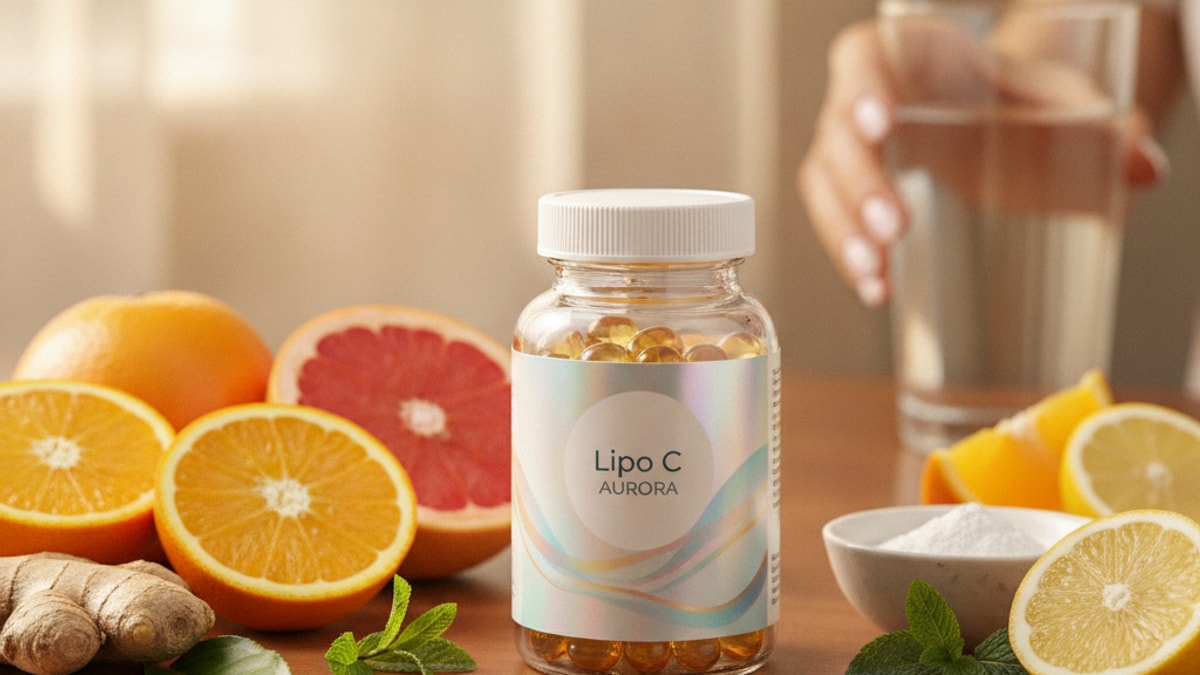
How to Get Lipo C Aurora — What Patients Need to Know
Across TikTok, Reddit, and wellness forums, 'Lipo C Aurora' appears as a promised metabolic shortcut. Fat-burning injections that supposedly melt pounds faster than GLP-1 medications. But here's what those posts rarely mention: lipotropic injection formulations, regardless of branding, are compounded medications that require a prescription from a licensed provider. There's no direct-to-consumer path, no 'order online' button that bypasses medical evaluation, and no legitimate over-the-counter equivalent. The compound being marketed exists. Methionine, inositol, choline, and cyanocobalamin (MIC + B12). But accessing it legally means going through the same telehealth or clinic process required for any prescription medication.
Our team works with patients navigating compounded weight loss therapies daily. The pathway to get Lipo C Aurora isn't complicated, but it does require understanding what you're actually requesting, what medical criteria apply, and why skipping the prescriber evaluation creates risk most people underestimate.
How do you get Lipo C Aurora. And is it available without a prescription?
Lipo C Aurora is a branded name for a lipotropic injection blend containing methionine, inositol, choline, and cyanocobalamin (vitamin B12), sometimes combined with L-carnitine or other amino acids. To get Lipo C Aurora, patients must obtain a prescription from a licensed healthcare provider. Typically through telehealth platforms or weight loss clinics. After completing a medical history review. The compound is then prepared by a licensed 503B compounding facility and shipped directly to the patient. No legitimate pathway exists to purchase lipotropic injections over-the-counter in the United States, as these are regulated as prescription medications under FDA compounding guidelines.
What Lipo C Injections Actually Contain
Lipotropic injections are not a single FDA-approved drug product. They're compounded formulations prepared by licensed pharmacies under USP 797 sterile compounding standards, meaning each batch is made to order rather than mass-produced. The core components in most Lipo C or 'Aurora' formulations include methionine (an essential amino acid involved in lipid metabolism), inositol (a carbocyclic sugar alcohol that plays a role in insulin signaling), choline (a precursor to acetylcholine and phosphatidylcholine, essential for hepatic lipid export), and cyanocobalamin (vitamin B12). Some versions add L-carnitine, which facilitates fatty acid transport into mitochondria for beta-oxidation.
The proposed mechanism: methionine acts as a lipotropic agent by supporting S-adenosylmethionine (SAMe) synthesis, which is required for phosphatidylcholine production. The molecule that packages triglycerides for export from the liver. Choline directly supplies the choline backbone for phosphatidylcholine synthesis. Inositol enhances insulin receptor sensitivity at the cellular membrane level, theoretically improving glucose uptake and reducing lipogenesis. B12 supports energy metabolism through its cofactor role in methylmalonyl-CoA mutase and methionine synthase pathways.
Here's the blunt reality: the evidence base for meaningful fat loss from lipotropic injections is extraordinarily weak. Unlike GLP-1 receptor agonists, which have undergone Phase 3 randomised controlled trials published in peer-reviewed journals like NEJM, lipotropic compounds have no comparable evidence demonstrating clinically significant weight reduction independent of caloric deficit. Most of the 'before and after' claims circulating online conflate lipotropic injections with concurrent dietary restriction, exercise programs, or co-administered medications.
Step 1: Complete Medical Evaluation Through Licensed Provider
To get Lipo C Aurora legally, the first required step is medical evaluation by a licensed healthcare provider. Physician, nurse practitioner, or physician assistant depending on state scope-of-practice laws. This cannot be bypassed. Telehealth platforms specialising in weight management, including TrimRx, offer remote consultations where patients complete a medical history intake form covering current medications, pre-existing conditions (especially liver disease, kidney impairment, or cardiovascular history), allergy history, and weight loss goals.
The prescriber evaluates whether lipotropic injections are appropriate based on contraindications. Patients with severe hepatic impairment should not receive methionine-containing formulations, as methionine metabolism produces homocysteine. Elevated homocysteine levels are associated with increased cardiovascular risk. Patients with known hypersensitivity to cyanocobalamin or any component should not receive these injections. Pregnant or breastfeeding individuals are typically excluded due to lack of safety data.
During the consultation, expect questions about prior weight loss attempts, current dietary patterns, exercise frequency, and whether you're taking other medications that could interact. For example, metformin (commonly prescribed for type 2 diabetes and PCOS) can reduce B12 absorption, which some prescribers consider when determining injection frequency. The evaluation is typically completed within 24–48 hours via asynchronous telehealth or same-day for synchronous video visits.
Step 2: Prescription Sent to Compounding Pharmacy
Once the provider determines medical appropriateness and writes the prescription, it's transmitted electronically to a licensed 503B outsourcing facility or state-licensed compounding pharmacy. This is not optional. Compounded sterile injectables cannot be prepared without a valid prescription. The pharmacy verifies the prescription details (patient identity, dosing instructions, formulation requested) and prepares the compound under USP 797 sterile compounding standards, which require ISO Class 5 cleanroom conditions, endotoxin testing, and sterility verification.
Shipping typically occurs within 24–72 hours. Lipotropic injections are temperature-sensitive and must be refrigerated at 2–8°C upon receipt. Most compounding pharmacies ship with cold packs and provide instructions for verifying that the medication remained within the acceptable temperature range during transit. If the package arrives warm or without adequate cold-chain protection, contact the pharmacy immediately. Temperature excursions can compromise sterility and potency.
Patients receive the vial, syringes (typically 1 mL insulin syringes with 25–27 gauge needles), alcohol prep pads, and written injection instructions. The standard protocol for self-administration involves subcutaneous injection into fatty tissue. Most commonly the abdomen (at least two inches from the navel), outer thigh, or upper arm. The injection itself takes fewer than 10 seconds and is comparable in discomfort to a standard insulin injection.
Step 3: Follow Prescribed Injection Schedule
Lipotropic injection protocols vary by prescriber and formulation strength, but the most common schedule is one injection weekly or twice weekly. Dosing frequency depends on the concentration of active ingredients in the compounded vial. Higher-concentration formulations may require only weekly administration, while lower-dose versions are often prescribed twice weekly.
Patients should inject at approximately the same time each week to maintain consistent plasma levels of the lipotropic compounds. The injection site should be rotated with each dose to prevent lipohypertrophy (localised fat accumulation from repeated trauma to the same site). Proper injection technique matters: pinch the skin to create a fold, insert the needle at a 45–90 degree angle depending on the amount of subcutaneous fat, aspirate briefly to ensure the needle isn't in a blood vessel, inject slowly, and withdraw the needle while releasing the skin fold.
Expect minimal injection site reactions. Mild redness, tenderness, or itching at the injection site occurs in approximately 10–15% of patients and typically resolves within 24 hours. Persistent pain, swelling, or signs of infection (warmth, increased redness, purulent discharge) warrant immediate contact with the prescribing provider.
Lipo C vs GLP-1 Medications: Side-by-Side Comparison
| Factor | Lipo C Lipotropic Injections | GLP-1 Agonists (Semaglutide, Tirzepatide) | Clinical Evidence Base | Professional Assessment |
|---|---|---|---|---|
| Mechanism | Supplies lipotropic compounds (methionine, choline, inositol) + B12; proposed to support hepatic lipid export | Activates GLP-1 receptors in hypothalamus and gut; slows gastric emptying, increases satiety, reduces appetite | GLP-1s: Phase 3 RCTs in NEJM showing 15–20% weight loss. Lipotropics: no Phase 3 data. | GLP-1s have robust evidence; lipotropics rely on theoretical mechanism without controlled trial validation. |
| Typical Cost | $75–$150/month | $250–$400/month (compounded); $900–$1,300/month (brand-name) | . | Lipotropics are significantly cheaper but lack comparable efficacy data. |
| Administration | Subcutaneous injection 1–2× weekly | Subcutaneous injection 1× weekly | . | Both require self-injection; frequency similar. |
| Side Effects | Injection site reactions, rare allergic response to components | Nausea, vomiting, diarrhea, constipation (30–45% of patients during titration) | . | Lipotropics have minimal systemic side effects; GLP-1s have well-documented GI adverse events. |
| Prescription Required | Yes. Licensed provider evaluation required | Yes. Licensed provider evaluation required | . | Both are prescription-only; no OTC pathway exists. |
Key Takeaways
- Lipo C Aurora is a branded lipotropic injection blend containing methionine, inositol, choline, and cyanocobalamin (B12). It requires a prescription and cannot be purchased over-the-counter.
- To get Lipo C Aurora, patients complete a telehealth consultation with a licensed provider, receive a prescription, and have the compound prepared by a 503B compounding pharmacy.
- The compound is administered via subcutaneous injection weekly or twice weekly, depending on formulation strength and prescriber protocol.
- Clinical evidence for meaningful weight loss from lipotropic injections is weak compared to GLP-1 receptor agonists, which have Phase 3 trial data demonstrating 15–20% body weight reduction.
- Proper storage (refrigerate at 2–8°C) and injection technique are essential to maintain sterility and prevent injection site complications.
- Patients should expect minimal side effects (mild injection site tenderness), but persistent pain or signs of infection require immediate medical evaluation.
What If: Lipo C Aurora Scenarios
What If I Want Lipo C Injections But My Doctor Won't Prescribe Them?
Seek a second opinion from a provider specialising in weight management, ideally through a telehealth platform focused on metabolic health. Not all primary care physicians prescribe compounded lipotropic injections, either due to unfamiliarity with the formulation or preference for evidence-based therapies with stronger clinical trial support (like GLP-1 agonists). A weight management specialist can evaluate whether lipotropics are appropriate for your situation or recommend alternatives with more robust efficacy data.
What If I'm Already Taking GLP-1 Medications — Can I Add Lipo C Injections?
This requires prescriber approval, but combination use is not uncommon. Lipotropic injections and GLP-1 agonists work through entirely different mechanisms. GLP-1s act centrally on appetite regulation and gastric motility, while lipotropics theoretically support hepatic lipid metabolism and mitochondrial fatty acid oxidation. There are no documented drug-drug interactions between methionine/choline/inositol compounds and semaglutide or tirzepatide. However, combining therapies increases cost and injection burden without clear evidence that the combination produces additive weight loss beyond GLP-1 monotherapy.
What If the Injection Site Becomes Swollen or Painful Days After Administration?
Contact your prescriber immediately. Delayed injection site reactions. Swelling, increasing pain, warmth, or redness appearing 48–96 hours post-injection. May indicate localised infection (cellulitis or abscess formation), allergic hypersensitivity to a component, or improper injection technique causing subcutaneous inflammation. Do not inject again until the reaction is evaluated. Most injection site infections require oral antibiotics; untreated infection can progress to abscess requiring drainage.
The Unfiltered Truth About Lipo C Aurora
Here's the bottom line: lipotropic injections are not backed by the level of clinical evidence that prescription weight loss medications like semaglutide or tirzepatide have demonstrated. The mechanism is plausible. Methionine, choline, and inositol do participate in lipid metabolism pathways. But plausible mechanism does not equal proven efficacy. The weight loss attributed to Lipo C injections in online testimonials is almost always confounded by concurrent caloric restriction, exercise, or other medications. If lipotropic compounds produced the 15–20% body weight reduction that GLP-1 agonists achieve in Phase 3 trials, we'd see published randomised controlled trials in peer-reviewed journals. We don't.
That doesn't mean lipotropic injections are useless. For patients who cannot tolerate GLP-1 side effects, who are seeking a lower-cost adjunct to dietary changes, or who prefer a therapy with minimal systemic side effects, lipotropics may have a role. But framing them as comparable to GLP-1 medications or as a metabolic 'hack' independent of caloric deficit is misleading. The honest answer is that these injections may support a structured weight loss plan, but they're not a replacement for evidence-based pharmacotherapy or lifestyle modification.
If the primary concern is getting started with a medically supervised weight loss program that has trial-backed efficacy, start your treatment now with a telehealth consultation for GLP-1 medications instead. TrimRx provides licensed prescriber evaluations, compounded semaglutide or tirzepatide, and structured support. Therapies with actual Phase 3 data demonstrating clinically meaningful outcomes.
The pathway to get Lipo C Aurora isn't hidden, but the evidence supporting its use is far weaker than the marketing suggests. If you proceed, do so with realistic expectations and under legitimate medical supervision.
Frequently Asked Questions
Can you buy Lipo C Aurora without a prescription?▼
No. Lipo C formulations, including those marketed as Aurora, are compounded sterile injectables that require a prescription from a licensed healthcare provider under FDA compounding regulations. There is no legal over-the-counter pathway to purchase lipotropic injections in the United States. Any site claiming to sell these compounds without requiring a prescription is operating outside regulatory guidelines and should be avoided.
How long does it take to see results from Lipo C injections?▼
Most patients notice increased energy within the first 1–2 weeks due to the B12 component, but meaningful fat loss — if it occurs — typically takes 6–8 weeks when combined with caloric deficit and exercise. Lipotropic injections do not produce rapid weight reduction independent of lifestyle modification. Clinical evidence for significant body composition changes from lipotropics alone is limited, so results are highly variable and dependent on concurrent dietary and activity changes.
What is the difference between Lipo C and Lipo B injections?▼
Lipo C formulations contain methionine, inositol, and choline (MIC) plus cyanocobalamin (vitamin B12), while Lipo B typically refers to standalone vitamin B12 injections or B-complex formulations without the lipotropic amino acids. The ‘C’ in Lipo C refers to choline, a key component for hepatic lipid metabolism. Lipo B injections support energy metabolism through B vitamin pathways but do not include the methionine or choline compounds proposed to enhance fat mobilisation.
Are Lipo C injections safe for people with liver disease?▼
Patients with severe hepatic impairment should not receive methionine-containing lipotropic injections without careful prescriber evaluation. Methionine metabolism produces homocysteine, and impaired hepatic function can reduce the liver’s ability to metabolise homocysteine into cysteine or remethylate it back to methionine, leading to elevated plasma homocysteine levels associated with cardiovascular risk. Mild liver enzyme elevations (e.g., mild NAFLD) may not be an absolute contraindication, but this requires individualised prescriber assessment.
How much do Lipo C injections cost per month?▼
Monthly costs for Lipo C injections typically range from 75 to 150 dollars depending on injection frequency (weekly vs twice weekly), formulation concentration, and whether additional compounds like L-carnitine are included. This is significantly less expensive than brand-name GLP-1 medications (900–1,300 dollars monthly) and comparable to or slightly higher than compounded GLP-1 options (250–400 dollars monthly). Lipotropic injections are not typically covered by insurance, as they’re considered compounded supplements rather than FDA-approved medications.
Can you travel with Lipo C injections?▼
Yes, but temperature management is critical. Lipotropic injections must be refrigerated at 2–8°C and can tolerate short-term ambient temperature (up to 25°C) for 24–48 hours during travel. Use an insulin cooler or medication travel case designed to maintain cold-chain integrity. TSA regulations allow syringes and injectable medications in carry-on luggage if accompanied by the prescription label; keep the vial in its original packaging with the pharmacy label visible.
What happens if you miss a Lipo C injection dose?▼
If you miss a weekly injection by fewer than three days, administer the dose as soon as you remember and continue your regular schedule. If more than three days have passed, skip the missed dose and resume on your next scheduled date — do not double-dose. Missing doses during the first 4–6 weeks may slow initial adaptation to the protocol, but lipotropic compounds do not cause withdrawal symptoms or metabolic rebound when discontinued.
Do Lipo C injections work better than oral supplements?▼
Injectable administration bypasses first-pass hepatic metabolism and achieves higher bioavailability of methionine, choline, and B12 compared to oral supplementation, which undergoes degradation in the GI tract and hepatic processing before reaching systemic circulation. However, higher bioavailability does not automatically translate to greater efficacy for fat loss — clinical trial evidence demonstrating superior weight reduction from injectable lipotropics versus oral forms does not exist. The proposed advantage is pharmacokinetic, not proven clinical outcome.
Are there side effects from Lipo C injections?▼
The most common side effects are mild injection site reactions — tenderness, redness, or itching at the injection site occurring in 10–15% of patients and resolving within 24 hours. Systemic side effects are rare but can include allergic hypersensitivity to methionine or choline (rash, hives, difficulty breathing), gastrointestinal upset from high-dose B12, or transient nausea. Serious adverse events are uncommon; persistent injection site swelling, increasing pain, or signs of infection require immediate medical evaluation.
Can Lipo C injections cause elevated homocysteine levels?▼
Methionine supplementation can theoretically increase homocysteine production if the remethylation and transsulfuration pathways are saturated or if cofactors (folate, B6, B12) are insufficient. Patients with pre-existing hyperhomocysteinemia, MTHFR polymorphisms, or B vitamin deficiencies should have baseline homocysteine levels checked before starting lipotropic injections. Adequate B12, folate, and B6 intake supports homocysteine metabolism, which is why most lipotropic formulations include B12 as a cofactor.

Transforming Lives, One Step at a Time
Keep reading

Buy Lipo B Online New Jersey — Fast Access | TrimRx
Buy Lipo B online in New Jersey through licensed telehealth providers. FDA-registered pharmacies ship within 48 hours. Medically supervised access starts

Buy Lipo B Online Montana — What You Need to Know First
Montana residents can buy Lipo B online through licensed telehealth platforms — here’s how dosing, compounding rules, and efficacy actually work.

Buy Lipo B Online — Access, Safety, and What to Expect
Buy Lipo B online through licensed telehealth platforms with prescriber oversight — compounded injections ship within 48–72 hours to most states including


