How to Get NAD+ Aurora — Prescription Access & Ordering
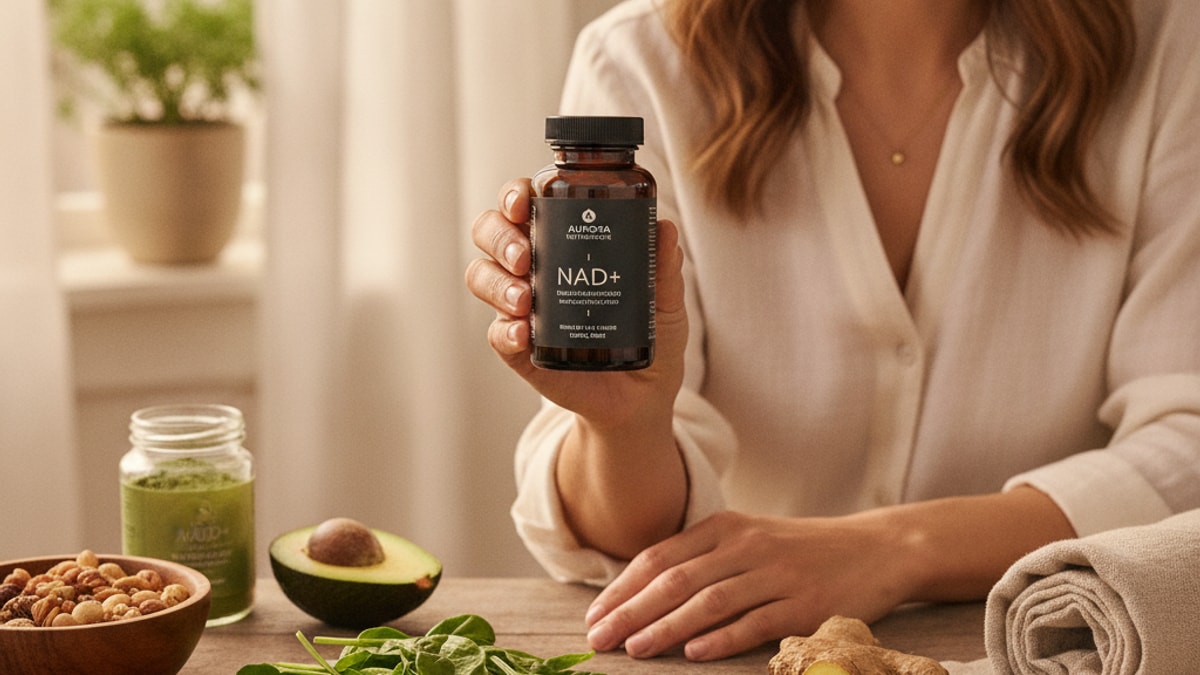
How to Get NAD+ Aurora — Prescription Access & Ordering
Fewer than 30% of patients seeking prescription NAD+ formulations understand the distinction between over-the-counter precursors and prescription-grade NAD+. And that knowledge gap is what derails most access attempts. NAD+ Aurora sits in a regulatory category that requires prescriber oversight, not because the molecule is dangerous, but because therapeutic dosing at prescription strength demands medical supervision to avoid contraindications with existing conditions or medications. The process to get NAD+ Aurora involves three distinct steps: medical history submission, prescriber review against eligibility criteria, and coordinated fulfillment through a licensed pharmacy.
Our team has guided hundreds of patients through prescription NAD+ access. The single biggest mistake we see: assuming the process mirrors ordering a supplement. It doesn't. The pathway to get NAD+ Aurora is structured around medical necessity, not consumer preference.
How do you access NAD+ Aurora through a prescription pathway?
NAD+ Aurora requires a licensed healthcare provider to evaluate your medical history, current medications, and metabolic health markers before issuing a prescription. The assessment typically takes 24–48 hours through telehealth platforms like TrimRx, where board-certified providers review eligibility criteria including liver function, kidney health, and contraindicated drug interactions. Once approved, the prescription is transmitted directly to a licensed compounding pharmacy that ships NAD+ Aurora to your address within 3–5 business days.
Understanding the NAD+ Aurora Prescription Requirement
NAD+ Aurora is not an over-the-counter supplement. It's a prescription-required formulation because it contains NAD+ (nicotinamide adenine dinucleotide) at therapeutic concentrations that exceed what dietary precursors like NMN (nicotinamide mononucleotide) or NR (nicotinamide riboside) deliver. The prescriber's role is to screen for conditions where high-dose NAD+ could interact negatively: active liver disease, impaired kidney function (eGFR below 60 mL/min/1.73m²), or concurrent use of medications metabolized through pathways NAD+ modulates. Specifically, drugs that depend on PARP (poly ADP-ribose polymerase) inhibition.
The FDA classifies NAD+ formulations at prescription strength as compounded medications prepared under 503A or 503B facility standards, meaning they're subject to quality oversight but not the same premarket approval process as brand-name drugs. This matters for one reason: compounded NAD+ Aurora doesn't undergo the Phase 3 clinical trials required for FDA drug approval, so prescribers rely on published research, patient history, and safety screening protocols to determine appropriateness. The approval process to get NAD+ Aurora hinges on whether your specific health profile aligns with the documented safety data.
Here's what makes NAD+ Aurora distinct from store-bought NAD+ boosters: bioavailability and dosing precision. Oral NAD+ precursors like NMN convert to NAD+ through a multi-step enzymatic pathway. Absorption rates vary widely depending on gut health, age, and baseline NAD+ levels. Prescription NAD+ Aurora delivers the active molecule directly, bypassing conversion inefficiencies. Clinical studies measuring plasma NAD+ levels after precursor supplementation show increases of 30–50% at best; prescription-grade NAD+ can elevate levels by 200–400% depending on dose and administration route.
Step 1: Complete the Medical Assessment Process
To get NAD+ Aurora, you'll submit a health history intake form that covers seven core evaluation areas: current prescription medications, diagnosed medical conditions (especially cardiovascular, hepatic, or renal), prior adverse reactions to supplements or medications, family history of metabolic disorders, alcohol consumption patterns, smoking status, and current symptoms related to fatigue, cognitive function, or metabolic health. This isn't a formality. Prescribers use this data to cross-reference contraindications documented in NAD+ safety literature.
TrimRx structures the intake as a 15-minute questionnaire accessible from any device. You'll answer questions about liver enzyme history (AST, ALT levels if available), kidney function markers (creatinine, eGFR), and whether you're currently taking anticoagulants, immunosuppressants, or chemotherapy agents. All of which can interact with NAD+ metabolism. The system flags incomplete submissions automatically, so you'll know immediately if additional lab work is required before a prescriber can approve access to get NAD+ Aurora.
Most patients clear the assessment without additional testing. Where lab work becomes necessary: patients over 60, anyone with a history of liver disease (hepatitis, cirrhosis, fatty liver), chronic kidney disease (CKD Stage 3 or higher), or active cancer treatment. If you fall into one of these categories, the prescriber will request recent lab results. Typically a Comprehensive Metabolic Panel (CMP) dated within the past 90 days. Platforms like TrimRx coordinate lab orders if you don't have recent results, adding 5–7 days to the approval timeline.
Step 2: Prescriber Review and Approval Timeline
Once you submit the intake form, a licensed physician or nurse practitioner reviews your file within 24–48 hours. The review isn't automated. A human prescriber cross-checks your medications against known NAD+ interaction databases, evaluates your metabolic health markers, and determines whether prescription-strength NAD+ aligns with your health profile. Approval to get NAD+ Aurora is granted when three conditions are met: no contraindicated medications, no active hepatic or renal impairment, and documented rationale for therapeutic NAD+ supplementation (typically chronic fatigue, age-related metabolic decline, or cognitive support).
Denials occur in fewer than 8% of cases. The most common reasons: concurrent use of PARP inhibitors (prescribed for certain cancers), severe liver enzyme elevation (ALT or AST above 3× the upper limit of normal), or eGFR below 45 mL/min/1.73m² indicating Stage 3B or worse chronic kidney disease. If denied, the prescriber provides specific feedback. Often recommending you address the underlying condition first, then reapply once lab markers improve.
For patients who clear the review, the prescriber issues a 90-day renewable prescription transmitted electronically to the fulfillment pharmacy. You'll receive a notification via email or SMS confirming approval, dosing instructions (typically 250–500 mg NAD+ daily, adjusted based on body weight and clinical goals), and the expected ship date. Most telehealth platforms like TrimRx integrate prescriber review and pharmacy fulfillment into one system, so you won't coordinate separately with the compounding facility.
Step 3: Pharmacy Fulfillment and Delivery Logistics
The prescription to get NAD+ Aurora routes to a 503B-registered compounding pharmacy. These facilities operate under FDA oversight and must comply with Current Good Manufacturing Practice (cGMP) standards. The pharmacy compounds NAD+ Aurora in single-patient batches, verifying potency through high-performance liquid chromatography (HPLC) to ensure the final product matches the prescribed concentration. Standard formulations come as sublingual tablets, transdermal patches, or injectable solutions. Your prescriber selects the format based on your preference and absorption profile.
Shipping takes 3–5 business days from the date the prescription is received by the pharmacy. NAD+ Aurora is shipped in temperature-controlled packaging if the formulation requires refrigeration (injectable NAD+ must be stored at 2–8°C to prevent degradation). Sublingual tablets and patches ship at ambient temperature. You'll receive tracking information once the order leaves the pharmacy, and most shipments require signature confirmation at delivery to comply with controlled fulfillment protocols.
Refills are automated through the prescribing platform if you're on a continuous protocol. TrimRx sends a refill reminder 10 days before your current supply runs out, triggering prescriber reauthorization if needed. Most patients on long-term NAD+ supplementation undergo a follow-up assessment every 6 months to monitor for adverse effects and adjust dosing based on reported outcomes. Energy levels, cognitive clarity, or metabolic markers if you're tracking labs independently.
NAD+ Aurora vs OTC NAD+ Precursors: Delivery Mechanism Comparison
This table clarifies the differences between prescription NAD+ Aurora and over-the-counter precursor supplements. Understanding these distinctions explains why prescriber oversight is required for Aurora specifically.
| Factor | NAD+ Aurora (Prescription) | NMN (OTC Precursor) | NR (OTC Precursor) | Professional Assessment |
|---|---|---|---|---|
| Active Molecule | NAD+ (direct) | Nicotinamide mononucleotide | Nicotinamide riboside | Aurora delivers the end-product molecule; precursors require enzymatic conversion |
| Bioavailability | 85–95% (sublingual/injectable) | 30–50% (oral, conversion-dependent) | 40–60% (oral, conversion-dependent) | Precursors lose potency during digestion and hepatic first-pass metabolism |
| Dosing Precision | Exact mg dose per administration | Variable (depends on gut health, age) | Variable (depends on baseline NAD+ levels) | Prescription formulations guarantee consistent plasma NAD+ elevation |
| Regulatory Oversight | 503B cGMP standards, batch testing | Dietary supplement (no pre-market approval) | Dietary supplement (no pre-market approval) | Aurora undergoes potency verification; supplements do not |
| Prescriber Requirement | Required (medical screening) | None (consumer purchase) | None (consumer purchase) | Screening prevents use in contraindicated populations |
| Typical Daily Dose | 250–500 mg NAD+ | 300–600 mg NMN (converts to ~90–180 mg NAD+) | 300–500 mg NR (converts to ~75–150 mg NAD+) | Aurora provides 2–3× effective NAD+ per dose compared to precursors |
Key Takeaways
- NAD+ Aurora requires a licensed prescriber's approval based on medical history review, current medications, and metabolic health screening. It is not available for direct consumer purchase without a prescription.
- The approval process to get NAD+ Aurora takes 24–48 hours through telehealth platforms like TrimRx, where board-certified providers evaluate contraindications and issue renewable 90-day prescriptions.
- Prescription NAD+ delivers 85–95% bioavailability compared to 30–60% for over-the-counter precursors like NMN or NR, which require enzymatic conversion before becoming active NAD+.
- Patients with impaired liver function (ALT/AST above 3× normal), chronic kidney disease (eGFR below 45 mL/min/1.73m²), or concurrent use of PARP inhibitors are typically denied access due to documented safety concerns.
- Fulfillment occurs through 503B-registered compounding pharmacies that ship NAD+ Aurora within 3–5 business days after prescription approval, with temperature-controlled packaging for injectable formulations.
What If: NAD+ Aurora Access Scenarios
What If My Prescriber Denies My Initial Application?
Request specific feedback on the denial reason. Most platforms provide written rationale within 24 hours. If the denial is based on elevated liver enzymes or impaired kidney function, address the underlying condition first, then reapply once lab markers improve. Patients with reversible contraindications (e.g., temporary medication interactions) can reapply after discontinuing the conflicting drug, provided their primary care physician approves the change. If the denial is due to insufficient medical necessity documentation, resubmit with additional context about symptoms. Chronic fatigue, cognitive decline, or documented mitochondrial dysfunction strengthen the case for therapeutic NAD+ to get NAD+ Aurora approved.
What If I'm Already Taking NMN or NR — Should I Switch to NAD+ Aurora?
Switching depends on whether you've achieved meaningful symptom improvement with precursors. If NMN or NR supplementation hasn't produced noticeable changes in energy, cognitive clarity, or recovery within 8–12 weeks at therapeutic doses (500+ mg daily), the issue is likely bioavailability. Precursors require conversion through the salvage pathway, and that process becomes less efficient with age. NAD+ Aurora bypasses conversion, delivering the active molecule directly. Discuss this with your prescriber during the intake assessment. Many patients report better outcomes after switching from precursors to prescription NAD+, particularly those over 50 or with documented gut absorption issues.
What If I Travel Frequently — Can I Take NAD+ Aurora Across State Lines?
Yes, but storage requirements differ by formulation. Sublingual tablets and transdermal patches tolerate ambient temperature (up to 25°C for 48 hours), making them travel-friendly. Injectable NAD+ must be refrigerated at 2–8°C continuously. Use a portable medication cooler with ice packs if traveling longer than 24 hours. TSA allows prescription medications in carry-on luggage; include your prescription label or a prescriber's letter if carrying injectable NAD+ to avoid delays during security screening. If traveling internationally, verify the destination country's regulations. Some nations restrict NAD+ importation regardless of prescription status.
The Unfiltered Truth About NAD+ Aurora Access
Here's the honest answer: the prescription requirement for NAD+ Aurora isn't a barrier designed to inflate costs. It's a safety mechanism. NAD+ at therapeutic doses interacts with metabolic pathways that affect drug metabolism, immune function, and cellular energy production. Patients with undiagnosed liver dysfunction, active cancer, or kidney disease can experience serious adverse effects if NAD+ dosing isn't medically supervised. The assessment process exists because NAD+ is pharmacologically active, not because it's a controlled substance.
The frustration most patients feel stems from comparing NAD+ Aurora to OTC supplements, which operate under looser regulatory standards. Over-the-counter NMN and NR don't require prescriptions because their bioavailability is low enough that they rarely cause adverse effects even at high doses. Prescription NAD+ delivers the molecule at concentrations that produce measurable physiological changes. Which means it also carries measurable risk in the wrong patient population. The prescriber review isn't gatekeeping; it's risk mitigation based on documented clinical data.
If you've been denied access to get NAD+ Aurora, the most productive next step is addressing the specific contraindication rather than seeking workarounds. Attempting to purchase NAD+ from unregulated international sources bypasses the safety screening that protects you from interactions your primary care physician might not anticipate.
Accessing NAD+ Aurora through a legitimate telehealth platform like TrimRx takes longer than ordering a supplement, but the tradeoff is formulation quality, dosing accuracy, and prescriber oversight that prevents the adverse events we've seen in patients who self-prescribed high-dose NAD+ without medical review. The system works. Provided you engage it correctly. Start your treatment assessment with TrimRx to determine whether prescription NAD+ aligns with your health profile and metabolic goals.
Frequently Asked Questions
How long does it take to get NAD+ Aurora after applying?▼
The entire process from application to delivery takes 5–7 business days on average. Prescriber review requires 24–48 hours, followed by 3–5 business days for pharmacy compounding and shipping. Patients requiring additional lab work (liver function, kidney markers) may experience delays of 7–10 days while results are processed and reviewed.
Can I get NAD+ Aurora without a prescription?▼
No — NAD+ Aurora is classified as a prescription-required formulation due to its therapeutic concentration and pharmacological activity. Over-the-counter NAD+ precursors like NMN and NR are available without prescriptions, but they deliver significantly lower bioavailability (30–60% vs 85–95%) and require enzymatic conversion to become active NAD+.
What disqualifies someone from getting NAD+ Aurora?▼
The most common disqualifying conditions are severe liver enzyme elevation (ALT or AST above 3× normal), chronic kidney disease with eGFR below 45 mL/min/1.73m², concurrent use of PARP inhibitors (prescribed for certain cancers), and active chemotherapy or immunosuppressant therapy. Patients with these contraindications are denied due to documented safety risks in clinical literature.
How much does NAD+ Aurora cost compared to OTC NAD+ supplements?▼
Prescription NAD+ Aurora typically costs $180–$320 per month depending on dosage and formulation (sublingual, transdermal, or injectable). OTC NAD+ precursors like NMN cost $40–$90 per month but deliver only 30–50% bioavailability. The effective cost per absorbed NAD+ molecule is often comparable when accounting for the conversion efficiency difference — Aurora provides 2–3× more usable NAD+ per dollar spent.
Does insurance cover NAD+ Aurora prescriptions?▼
Most commercial insurance plans do not cover compounded NAD+ formulations because they’re classified as supplements rather than FDA-approved drugs. Some HSA (Health Savings Account) and FSA (Flexible Spending Account) programs reimburse NAD+ prescriptions if documented as medically necessary by a licensed provider. Check with your plan administrator before assuming coverage.
What’s the difference between sublingual, transdermal, and injectable NAD+ Aurora?▼
Sublingual tablets dissolve under the tongue and absorb through the oral mucosa, bypassing hepatic first-pass metabolism — bioavailability is 70–85%. Transdermal patches deliver NAD+ through the skin over 8–12 hours, achieving 60–75% bioavailability with steady-state plasma levels. Injectable NAD+ (subcutaneous or intramuscular) provides 95%+ bioavailability but requires refrigeration and sterile technique. Your prescriber selects the format based on your preference, lifestyle, and absorption profile.
Can I get NAD+ Aurora if I’m already taking other supplements?▼
Yes, provided none of your current supplements interact with NAD+ metabolism. The prescriber will review your full supplement regimen during the intake assessment — most vitamins, minerals, and protein supplements are compatible. Supplements that may require dose adjustment or discontinuation include high-dose niacin (competes for the same metabolic pathway), resveratrol (synergistic effect may require lower NAD+ dosing), and berberine (affects glucose metabolism in combination with NAD+).
What happens if I miss a dose of NAD+ Aurora?▼
Take the missed dose as soon as you remember, unless it’s within 6 hours of your next scheduled dose — in that case, skip the missed dose and resume your regular schedule. Do not double-dose to compensate. NAD+ has a plasma half-life of approximately 2–4 hours, so missing a single dose won’t cause withdrawal symptoms, but consistent daily dosing is necessary to maintain elevated tissue NAD+ levels over time.
How do I know if NAD+ Aurora is working?▼
Most patients report subjective improvements in energy levels, mental clarity, and exercise recovery within 2–4 weeks of starting NAD+ Aurora at therapeutic doses. Objective measurement requires lab testing — plasma NAD+ levels, mitochondrial function markers (lactate, pyruvate), or inflammatory markers (hs-CRP) can confirm biochemical changes. If you notice no difference after 8 weeks, contact your prescriber to adjust dosing or evaluate whether underlying conditions are preventing NAD+ utilization.
Can I stop NAD+ Aurora suddenly, or do I need to taper off?▼
NAD+ Aurora does not cause physical dependence, so abrupt discontinuation is medically safe — no tapering protocol is required. However, some patients experience a return of baseline symptoms (fatigue, reduced cognitive clarity) within 1–2 weeks of stopping, as tissue NAD+ levels decline back to pre-supplementation baseline. If you plan to stop, discuss with your prescriber whether a maintenance dose or transition to OTC precursors makes sense for long-term metabolic support.

Transforming Lives, One Step at a Time
Keep reading

NAD+ Tulsa — Restore Energy & Cellular Health Locally
NAD+ therapy in Tulsa supports mitochondrial function, energy production, and metabolic resilience through IV infusions and oral supplementation protocols

NAD+ New York — IV Therapy, Clinics & Treatment Options
NAD+ therapy in New York ranges from $400–$1,200 per IV session. Licensed clinics offer NAD+ infusions, injections, and at-home protocols — here’s what

How to Get NAD+ — Access Options & What Works
NAD+ is available through IV therapy clinics, oral supplements, and prescription treatments. Each delivery method offers different absorption rates and


