Saggy Skin After Weight Loss: The Unflinching Medical Truth
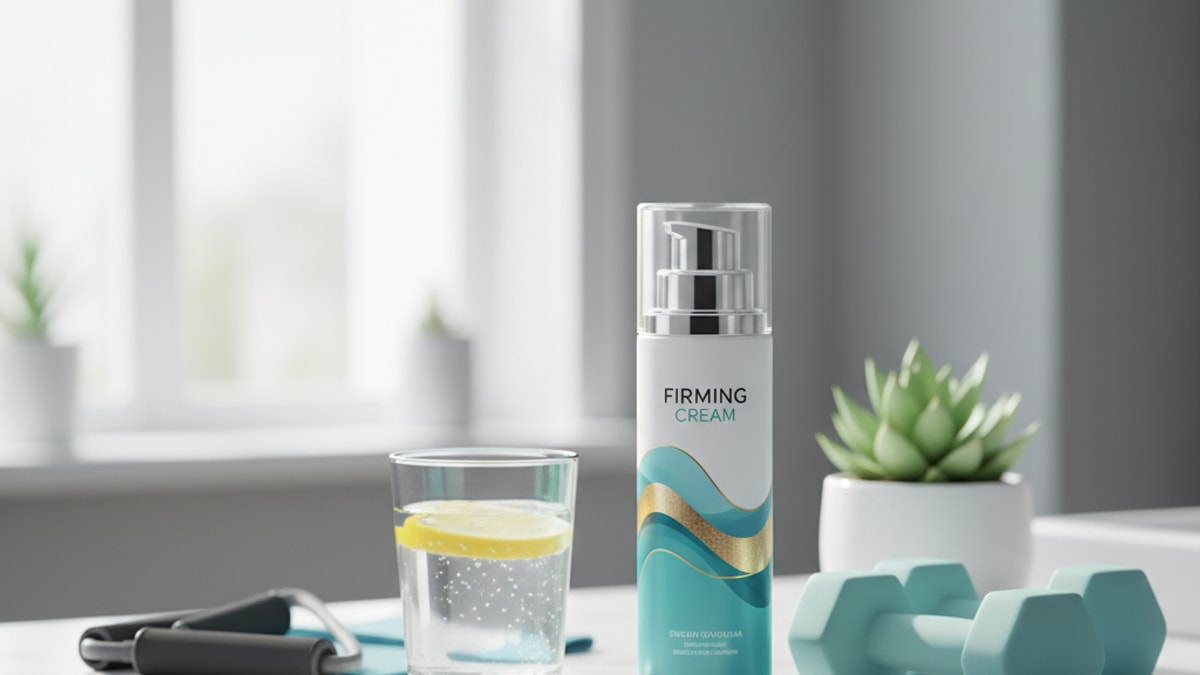
First, let's acknowledge the victory. Losing a significant amount of weight is a monumental achievement, a testament to your dedication and resilience. It's a journey that reshapes not just your body, but your health, your confidence, and your future. We see this every single day with patients in our medically-supervised weight loss programs. But after the numbers on the scale have settled, a new, often unexpected challenge can emerge: loose, saggy skin.
It can feel like a frustrating final hurdle. You've done the incredibly hard work, yet the reflection in the mirror might not fully match the powerful sense of accomplishment you feel inside. Our team at TrimrX understands this deeply. We've guided countless individuals through profound transformations using advanced GLP-1 treatments like Semaglutide and Tirzepatide, and we know that addressing what comes after the weight loss is a critical, non-negotiable part of the journey. This isn't just about aesthetics; it's about feeling completely at home in your own body. So, let's talk openly and honestly about how to get rid of saggy skin after weight loss, separating medical fact from marketing fiction.
Why Does Skin Sag After Losing Weight?
Before we can talk about solutions, we have to understand the 'why.' It’s not your fault, and it's not a sign of failure. It's a matter of biology and physics. Think of your skin as an elastic envelope. For years, perhaps decades, it was stretched to accommodate a larger body mass. The skin's underlying structure, primarily composed of collagen and elastin fibers, determines its ability to snap back. Collagen provides firmness and structure, while elastin provides, well, elasticity.
When you lose a substantial amount of weight, especially rapidly, you're essentially deflating the balloon. The skin, which has been stretched for a long time, may have lost some of its ability to retract. Several unflinching factors dictate the severity of this skin laxity:
- Amount of Weight Lost: This is the big one. Someone who loses 100 pounds or more will face a much greater challenge with loose skin than someone who loses 20 pounds. It's simple physics—more volume was lost, leaving more excess surface area.
- Age: As we get older, our bodies naturally produce less collagen and elastin. A 25-year-old's skin has a much higher chance of bouncing back than a 55-year-old's. It's just a biological reality.
- Genetics: Some people are simply blessed with more resilient, elastic skin than others. You can thank your parents for this one. Our experience shows that genetic predisposition plays a formidable role in skin rebound.
- Duration of Overweight: The longer the skin was stretched, the more the collagen and elastin fibers can become damaged, compromising their ability to retract.
- Sun Exposure: We can't stress this enough. Years of unprotected sun exposure wreak havoc on collagen and elastin, accelerating the aging process and reducing skin's inherent elasticity. This damage is cumulative and profound.
- Nutrition and Hydration: Poor nutrition and chronic dehydration can starve the skin of the building blocks it needs to remain healthy and pliable.
It’s a complex interplay of factors. And with the profound effectiveness of modern treatments like GLP-1 medications, which can lead to significant and relatively quick weight loss, preparing for the possibility of skin laxity is a conversation we believe is essential from the start.
Non-Surgical Options: Building a Strong Foundation
Let’s be honest. For minor to moderate skin laxity, a combination of foundational strategies can make a visible difference. For severe cases, these methods will be supportive, but they won't be the ultimate solution. Managing expectations here is crucial. Our team always recommends starting with these steps because they support your overall health, regardless of the outcome for your skin.
First, focus on building what’s underneath. Strength training is your single most powerful non-surgical tool. By building lean muscle mass, you're essentially helping to fill some of the volume that was previously occupied by fat. This creates a firmer, tighter foundation for the skin to rest on. It won’t eliminate large folds of skin, but it can dramatically improve the appearance of looseness on the arms, legs, and abdomen. We've seen patients achieve remarkable improvements in tone and contour by committing to a consistent resistance training program. It's comprehensive.
Nutrition plays a vital supporting role. Your skin is an organ, and it needs specific nutrients to repair and build itself. Prioritize high-quality protein, which provides the amino acids necessary for collagen synthesis. Vitamin C is a critical co-factor in this process—without it, your body simply can't produce collagen effectively. Think citrus fruits, bell peppers, and leafy greens. Zinc and copper are also important micronutrients for skin health. And hydration? It’s non-negotiable. Well-hydrated skin is plumper and has better tone.
What about all those firming creams and lotions? Here's the hard truth: their effect is minimal and temporary. Most of these products contain ingredients like retinol or caffeine, which can temporarily hydrate and plump the outermost layer of the skin, making it appear slightly tighter. They can be great for improving skin texture and moisture, but no topical cream can penetrate deep enough to rebuild damaged elastin or contract significant amounts of excess skin. Use them for what they are—excellent moisturizers—but don't expect miracles.
Minimally-Invasive Treatments: A Step Beyond the Basics
When lifestyle adjustments aren't enough, the next tier of options involves professional, minimally-invasive procedures designed to stimulate your body's own collagen production. These treatments use energy to create a controlled 'injury' in the deeper layers of the skin, triggering a natural healing response that results in new, stronger collagen over time. The results aren't instantaneous; they develop over several months as your body does the work.
This is where things get interesting. We've seen these technologies evolve dramatically over the past decade.
- Radiofrequency (RF) Therapy: This is a popular option that uses radiofrequency energy to gently heat the dermis (the skin's deeper layer). This heat stimulates collagen and elastin production. It’s effective for mild to moderate laxity on the face, neck, and body. Multiple sessions are almost always required for noticeable results.
- Ultrasound Therapy: Think of this as a more focused version of RF. Devices like Ultherapy use focused ultrasound energy to deliver heat to even deeper foundational layers of the skin than RF can reach. It's particularly well-regarded for lifting and tightening skin on the neck, chin, and brow.
- Laser Skin Resurfacing: This technology uses focused light beams to improve skin texture and provide some tightening. Ablative lasers remove the outer layer of skin, prompting significant collagen remodeling during healing, but they come with considerable downtime. Non-ablative lasers heat the underlying tissue without harming the surface, offering less dramatic results but with virtually no recovery period.
- Microneedling: This procedure uses a device with fine, tiny needles to create thousands of microscopic punctures in the skin. This controlled injury kicks the body’s healing cascade into high gear, flooding the area with new collagen. When combined with radiofrequency (RF Microneedling), the effects can be even more pronounced.
These treatments can be genuinely effective for the right candidate—someone with mild to moderate laxity who isn't ready for or doesn't need surgery. The key is a consultation with a qualified dermatologist or plastic surgeon to determine which modality is best suited for your specific situation. They aren't cheap, and results vary, but they represent a significant step up from creams and lotions.
| Treatment | How It Works | Best For | Downtime | Typical Cost Range |
|---|---|---|---|---|
| Radiofrequency (RF) | Uses energy to heat the dermis, stimulating collagen. | Mild to moderate laxity on the face, neck, and body. | Minimal to none. | $1,500 – $4,000 per area |
| Ultrasound (Ultherapy) | Focused ultrasound heats deep foundational tissue layers. | Lifting and tightening the neck, chin, and brow. | None, but some swelling/soreness. | $2,000 – $5,500 per area |
| Laser Resurfacing | Light energy removes outer skin layers or heats deep tissue. | Texture improvement and mild tightening. | 1-2 weeks (ablative), minimal (non-ablative). | $1,000 – $6,000+ per area |
| Microneedling (with RF) | Micro-injuries + heat trigger a powerful healing response. | Improving skin texture, fine lines, and mild laxity. | 2-5 days of redness and swelling. | $750 – $2,500 per session |
When Is Surgery the Right Answer?
Now, for the definitive solution. For individuals with significant amounts of loose skin after massive weight loss—we're talking 100, 150, 200 pounds or more—surgery is often the only way to achieve the desired contour. Let's be perfectly clear: this is not a shortcut or an easy way out. It is major surgery, a final, transformative step that requires careful consideration, planning, and recovery.
This is the domain of board-certified plastic surgeons, and these procedures are known as body contouring. The fundamental principle is simple: the surgeon surgically excises the excess skin and fat and then re-drapes the remaining skin for a tighter, smoother contour. Simple, right? The execution is anything but.
Common body contouring procedures include:
- Abdominoplasty (Tummy Tuck): This is probably the most well-known procedure. It removes excess skin from the abdominal area and often involves tightening the underlying abdominal muscles that may have separated.
- Lower Body Lift (Belt Lipectomy): A more extensive procedure that addresses the abdomen, outer thighs, buttocks, and hips in one circumferential operation. It's a formidable surgery but can produce dramatic, life-changing results for the right patient.
- Brachioplasty (Arm Lift): Removes the 'bat wings' of loose skin from the upper arms.
- Thighplasty (Thigh Lift): Contours the inner and/or outer thighs by removing excess skin.
Deciding to undergo surgery is a deeply personal choice. Our role at TrimrX is to help you reach a stable, healthy goal weight, which is a critical prerequisite for any of these procedures. Most surgeons won't operate until a patient has maintained their goal weight for at least six months to a year. This ensures that the results of the surgery will be stable and long-lasting.
Recovery is a significant commitment. It involves drains, compression garments, and restrictions on activity for several weeks. But for those who have completed their weight loss journey and are still burdened by pounds of excess skin that causes chafing, rashes, and discomfort, the results can be the final, liberating step in their transformation. It's about matching your outside to the incredible work you've done on the inside.
The TrimrX Perspective: Partnering for the Full Journey
At TrimrX, our entire focus is on providing a medically-sound, sustainable path to weight loss. We leverage the power of biotechnology with GLP-1 medications to help our patients achieve results that were once incredibly difficult to attain. But our partnership doesn't end when the scale hits a certain number. We believe in supporting the whole person through the entire transformation.
That means having honest conversations about what to expect, including the potential for loose skin. It means providing guidance on nutrition and exercise that will support your body's health from the inside out. And it means helping you understand the full spectrum of options available to you once you've achieved your goal. The journey to a healthier you is a multi-stage process, and we're here to navigate every step with you.
Reaching your goal weight is the first, most important milestone. It's the foundation upon which everything else is built. If you're struggling to get there, or if you're just beginning to consider what's possible, our medical team can help you understand if a program using medications like Semaglutide or Tirzepatide is right for you. You can find out if you're a candidate by completing our simple online Take Quiz.
Dealing with saggy skin is not a sign of anything gone wrong; it's a sign of how far you've come. It's a byproduct of a massive success. Whether you embrace it as a reminder of your journey or choose to take steps to address it, the choice is entirely yours. Our goal is to empower you with the facts, the medical insights, and the support you need to make the best decision for your body and your life. If you're ready to take that first critical step, you can Start Your Treatment with us today.
Your transformation story is unique, and the final chapters are yours to write. The path you took to lose the weight was a testament to your strength. The path you take from here is a testament to your vision for the future you've earned.
Frequently Asked Questions
How long does it take for skin to tighten after weight loss?
▼
Skin can continue to retract for up to a year or two after weight loss, but the most significant changes happen in the first six months. The degree of tightening depends heavily on age, genetics, and the amount of weight lost.
Can I prevent loose skin while I’m losing weight?
▼
While you can’t completely prevent it, especially with massive weight loss, you can take supportive measures. We recommend losing weight at a steady, medically-supervised pace, staying well-hydrated, eating a protein-rich diet, and incorporating strength training to build muscle.
Do collagen supplements actually help with saggy skin?
▼
The evidence is mixed but promising for improving overall skin hydration and elasticity. While collagen supplements might offer some benefit to skin health, our team cautions that they are not a cure for significant skin laxity and won’t produce surgical-level results.
Does drinking more water help tighten loose skin?
▼
Staying well-hydrated is crucial for overall skin health and can improve its plumpness and tone, making minor laxity less noticeable. However, drinking water alone cannot cause significantly stretched-out skin to contract.
Is loose skin after weight loss a medical problem?
▼
In some cases, yes. Large folds of skin can cause painful chafing, rashes, and infections. When it interferes with daily life or hygiene, a procedure to remove it (like a panniculectomy) may be considered medically necessary.
How much weight do you have to lose to get loose skin?
▼
There’s no magic number, as it varies for everyone. Generally, people who lose 50 pounds or more are more likely to experience some degree of skin laxity, with the issue becoming much more common after 100+ pounds of weight loss.
Do firming creams really work on loose skin?
▼
Firming creams work on a very superficial level. They can temporarily improve the skin’s appearance by hydrating and plumping it, but they cannot rebuild the underlying collagen and elastin required to fix significant sagging.
Will strength training get rid of my saggy skin?
▼
Strength training is incredibly beneficial as it builds muscle, which can fill out some of the space and create a firmer base for the skin. It can dramatically improve the appearance of moderate laxity but won’t eliminate large amounts of excess skin.
At what age does skin stop bouncing back?
▼
Our natural collagen production begins to decline in our mid-to-late 20s. While there’s no specific cutoff age, skin’s elasticity progressively decreases over time, making it more challenging for individuals over 40 to see significant skin retraction after weight loss.
Is surgery the only option for significant loose skin?
▼
For large amounts of excess skin resulting from massive weight loss, surgical body contouring is the only method that can provide a definitive, transformative result. Non-surgical options are best suited for mild to moderate cases.
How do I choose between a tummy tuck and a panniculectomy?
▼
A panniculectomy is primarily a functional procedure to remove the ‘apron’ of skin hanging below the belly button, often for medical reasons. A tummy tuck is more cosmetic, as it also tightens the abdominal muscles and contours the entire abdomen.
Does rapid weight loss from GLP-1 medications make loose skin worse?
▼
Rapid weight loss of any kind can increase the likelihood of loose skin because the skin has less time to adjust. Our medical team at TrimrX focuses on a supervised approach to manage the rate of loss and provide strategies to support skin health throughout the process.

Transforming Lives, One Step at a Time
Keep reading

Do You Need a Prescription for GLP-1s? The 2026 Answer
Wondering ‘do you need a prescription for glp 1’ in 2026? Yes. We explain why a doctor’s oversight is critical for safe, effective results.

How to Get GLP-1 Covered By Insurance: Our 2026 Playbook
Struggling with how to get glp-1 covered by insurance? Our 2026 guide breaks down prior authorizations, appeals, and documentation.

Traveling with GLP-1s in 2026: Your Essential Trip-Proof Plan
Don’t let travel disrupt your GLP-1 treatment. Learn how to travel with glp 1 medications safely and stress-free in our 2026 expert guide.


