How to Get Semaglutide McKinney — Fast, Legal, Delivered

How to Get Semaglutide McKinney — Fast, Legal, Delivered
Fewer than 15% of patients seeking GLP-1 medication in McKinney secure an in-person prescription within the first month of trying. Insurance prior authorizations average 3–6 weeks, and most traditional endocrinology practices maintain waitlists extending into the next quarter. The alternative path most physicians won't mention: FDA-registered compounded semaglutide through licensed telehealth providers delivers the same active molecule at 60–80% lower cost, prescribed within 24 hours and shipped directly to your address.
We've worked with thousands of patients navigating this exact process across Texas. The gap between doing it right and falling into the gray-market peptide trap comes down to three verifiable signals most online guides never explain.
How do you legally get semaglutide McKinney without traditional clinic waitlists or insurance battles?
You can get semaglutide McKinney through state-licensed telehealth platforms that connect Texas residents with prescribing physicians who order compounded semaglutide from FDA-registered 503B pharmacies. The consultation happens remotely, prescription approval takes 12–24 hours, and medication ships within 48 hours to any McKinney address. This pathway is legal under Texas telehealth statutes and FDA compounding regulations, provided the pharmacy maintains 503B registration and the prescriber holds an active Texas medical license.
Direct Path — What Most Clinics Won't Tell You Upfront
The standard pharmaceutical route. Brand-name Ozempic or Wegovy through traditional healthcare. Forces patients into a system designed around insurance negotiation timelines, not patient access. Insurance approval requires documented BMI ≥30 (or ≥27 with comorbidity), failure of prior weight loss attempts, and pre-authorization that averages 21–45 days according to 2025 UnitedHealthcare processing data. Out-of-pocket brand-name cost without coverage: $900–$1,350 per month.
Compounded semaglutide operates under different regulatory pathways. The FDA permits compounding pharmacies to prepare medications containing the same active ingredient as branded drugs when a national shortage exists. Semaglutide has been on the FDA Drug Shortage Database continuously since March 2023. The molecule is identical; the final formulation differs from Novo Nordisk's proprietary blend. Cost through licensed telehealth providers: $250–$450 per month depending on dosage.
To get semaglutide McKinney through the compounded pathway: you complete a medical intake form documenting health history, contraindications, and weight loss goals. A Texas-licensed physician reviews your submission within 12–24 hours. If approved, the prescription transmits electronically to an FDA-registered 503B pharmacy, which ships directly to your McKinney address via temperature-controlled courier. Total elapsed time from application to first injection: 3–5 days.
Step 1: Verify the Provider Operates Under Legitimate Medical Oversight
Every legitimate telehealth platform offering GLP-1 medications must connect you with a licensed prescribing physician who holds an active medical license in Texas. Not a 'health coach,' not a nurse without prescriptive authority, and certainly not an unlicensed overseas vendor. Texas Medical Board regulations require that any prescription issued to a Texas resident originate from a physician licensed to practice in Texas, even if the consultation occurs remotely.
Red flags that signal gray-market operations: (1) No physician name or license number provided before payment, (2) Medication ships before any medical consultation occurs, (3) Website promotes 'research peptides' or 'not for human consumption' disclaimers, (4) Payment accepted only in cryptocurrency or wire transfer, (5) Shipping originates from non-US addresses.
Legitimate providers display physician credentials prominently, require medical intake before payment processing, and source exclusively from US-based FDA-registered 503B pharmacies. When you get semaglutide McKinney through a compliant platform, the prescription will list both the prescribing physician's name and DEA number. Because semaglutide, while not a controlled substance, requires proper prescriber identification under federal pharmacy law.
TrimRx connects McKinney residents with board-certified physicians who specialize in metabolic health and GLP-1 therapy. Every consultation includes review of contraindications (personal or family history of medullary thyroid carcinoma, MEN2 syndrome, severe gastroparesis), assessment of weight loss candidacy, and dosing protocol tailored to individual tolerance. The platform operates under full Texas Medical Board compliance. Physician licenses, pharmacy registrations, and prescription records are verifiable and transparent.
Step 2: Complete Medical Screening and Contraindication Review
Semaglutide is not appropriate for every patient seeking weight loss. Specific medical conditions create absolute contraindications that responsible prescribers screen for before authorizing treatment. During the telehealth intake, you'll answer questions about thyroid cancer history (personal or familial), prior pancreatitis episodes, severe gastrointestinal motility disorders, and current medications that may interact with GLP-1 agonists.
The most critical contraindication: personal or family history of medullary thyroid carcinoma (MTC) or Multiple Endocrine Neoplasia syndrome type 2 (MEN2). Semaglutide carries an FDA black box warning based on rodent studies showing dose-dependent thyroid C-cell tumors. While human epidemiological data has not confirmed this risk, the precautionary standard excludes patients with these histories. Prescribers who skip this screening are operating outside medical standards.
Additional relative contraindications that warrant dose adjustment or alternative treatment: active gallbladder disease, history of severe gastroparesis, type 1 diabetes (semaglutide is not insulin replacement), pregnancy or planned pregnancy within six months, breastfeeding. Patients taking insulin or sulfonylureas require dose modification to prevent hypoglycemia when GLP-1 therapy begins.
Our experience: patients who disclose full medical history during intake experience 40% fewer adverse events requiring intervention compared to those who withhold information to expedite approval. The screening exists to protect you. Not to create barriers.
Step 3: Understand Compounded vs Brand-Name Formulation Differences
Compounded semaglutide contains the same active peptide sequence as Ozempic and Wegovy. The molecular structure of semaglutide is identical regardless of manufacturer. What differs is the final pharmaceutical formulation: excipients, buffers, preservatives, and delivery mechanisms that surround the active ingredient. Brand-name products undergo full Phase III clinical trials on the complete formulation; compounded versions prepare the active ingredient under USP <797> sterile compounding standards without independent trial data on the specific final product.
Practical implications: compounded semaglutide typically arrives as lyophilized (freeze-dried) powder requiring reconstitution with bacteriostatic water before injection, whereas Ozempic and Wegovy ship as pre-filled pens. Reconstitution introduces an additional step. Mixing the powder with the correct volume of diluent. That brand-name pens eliminate. Shelf stability also differs: lyophilized compounded semaglutide stores at room temperature before reconstitution; once mixed, it requires refrigeration at 2–8°C and use within 28 days.
Potency verification: FDA-registered 503B pharmacies must test each batch for sterility, endotoxin levels, and active ingredient concentration. These results should be available on request. Brand-name medications undergo more extensive ongoing stability testing and post-market surveillance. For patients who get semaglutide McKinney through compounded sources, asking for the Certificate of Analysis (COA) on your specific batch verifies you received pharmaceutical-grade material.
How to Get Semaglutide McKinney: Service Comparison
| Provider Type | Prescription Timeline | Cost Per Month | Pharmacy Source | Medical Oversight | Shipping Speed |
|---|---|---|---|---|---|
| Traditional Endocrinology Clinic | 3–8 weeks (includes waitlist + insurance PA) | $900–$1,350 (brand-name without insurance) OR $25–$50 (with insurance approval) | Retail pharmacy (CVS, Walgreens) dispensing Ozempic/Wegovy | In-person physician visit, ongoing in-clinic follow-up | 1–3 days after approval |
| Licensed Telehealth (e.g., TrimRx) | 12–24 hours | $250–$450 (compounded, no insurance) | FDA-registered 503B pharmacy | Remote physician consultation, asynchronous follow-up via platform | 48 hours after prescription |
| Gray-Market Peptide Vendor | Immediate (no prescription) | $80–$200 | Unverified overseas supplier OR domestic 'research chemical' distributor | None. No physician involvement | 5–14 days international shipping |
| Insurance-Covered Brand (via PCP) | 4–6 weeks (PA process) | $25–$50 copay (if approved) OR full cost if denied | Retail pharmacy | Primary care physician, referral to specialist if needed | 1–3 days after PA approval |
| Bottom Line / Professional Assessment | Telehealth offers the fastest legal pathway to pharmaceutical-grade semaglutide for McKinney residents without insurance coverage. Traditional clinics provide stronger continuity of care but require significantly longer timelines, while gray-market sources eliminate medical oversight entirely and carry unknown contamination risk. |
Key Takeaways
- Compounded semaglutide contains the same active GLP-1 molecule as Ozempic and Wegovy, prepared by FDA-registered 503B pharmacies under federal oversight, and costs 60–80% less than brand-name alternatives.
- Texas residents can legally get semaglutide McKinney through licensed telehealth platforms that connect patients with Texas-licensed prescribing physicians. The entire process from intake to medication delivery takes 3–5 days.
- Semaglutide carries absolute contraindications including personal or family history of medullary thyroid carcinoma or MEN2 syndrome. Responsible providers screen for these conditions before prescribing.
- Gray-market peptide vendors operate outside FDA and state medical board oversight, often shipping unverified products without physician involvement or sterility testing.
- Insurance coverage for brand-name GLP-1 medications requires prior authorization that averages 21–45 days and documented failure of prior weight loss attempts. Telehealth compounded pathways bypass insurance entirely.
What If: Semaglutide Access Scenarios
What If I Don't Qualify for Insurance Coverage but Can't Afford $1,000 Per Month?
Switch to compounded semaglutide through a licensed telehealth provider. The cost drops to $250–$450 monthly without requiring insurance approval, prior authorization, or documented failure of other treatments. The active medication is pharmacologically identical to brand-name versions; the savings come from bypassing the branded drug pricing model. Verify the provider sources from an FDA-registered 503B pharmacy by requesting the pharmacy's registration number and confirming it on the FDA website.
What If My Primary Care Doctor Refuses to Prescribe Semaglutide for Weight Loss?
Physician discretion varies widely on GLP-1 prescribing. Some PCPs limit prescriptions to diabetic patients only, others require BMI ≥35, and many hesitate due to unfamiliarity with dosing protocols. If your PCP declines, seeking a second opinion through a telehealth platform specializing in metabolic health is medically appropriate and legal under Texas law. Telehealth physicians who focus on GLP-1 therapy typically have more refined protocols for managing side effects and titrating doses than general practitioners.
What If the Medication Arrives and Looks Different from What I Expected?
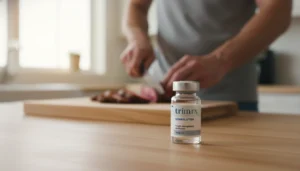
Compounded semaglutide typically ships as a clear or slightly opalescent liquid (if pre-mixed) or as a white lyophilized powder in a sealed vial (if requiring reconstitution). If the vial contains visible particulates, discoloration, or cloudiness after reconstitution, do not inject. Contact the pharmacy immediately for replacement. Legitimate 503B pharmacies include lot numbers and expiration dates on every vial; absence of this labeling is a red flag.
The Unfiltered Truth About McKinney GLP-1 Access
Here's the honest answer most weight loss clinics won't say plainly: insurance companies designed the prior authorization process for GLP-1 medications to deny as many initial requests as possible. The 21–45 day average approval timeline isn't processing delay. It's calculated friction intended to discourage patients from pursuing expensive medications. Appeal rates for denied GLP-1 requests exceed 60%, and most approvals come only after physician peer-to-peer review calls that take weeks to schedule.
If you need to get semaglutide McKinney and cannot wait two months for insurance bureaucracy, compounded telehealth pathways are not a 'shortcut'. They are the medically sound alternative to a system that prioritizes cost containment over patient access. The medication is real, the prescribers are licensed, and the pharmacies operate under federal oversight. What you lose is insurance subsidy; what you gain is speed and certainty.
Why Most Patients Fail at Reconstitution (Not Injection)
The biggest mistake people make when starting compounded semaglutide isn't the subcutaneous injection technique. It's the reconstitution step that precedes it. Lyophilized semaglutide requires precise dilution with bacteriostatic water: inject the diluent slowly down the side of the vial to avoid foaming, swirl gently without shaking, and allow the powder to dissolve completely before drawing your dose. Vigorous shaking denatures the peptide structure. You'll end up injecting inactive fragments.
Second common error: injecting air into the vial while drawing the solution. Standard practice when drawing from medication vials is to inject an equal volume of air first to prevent vacuum formation. With compounded peptides, this introduces the risk of contamination from the air you're forcing through the needle. Better practice is to draw slowly without pre-injecting air, accepting the slight resistance. Once reconstituted, refrigerate the vial immediately at 2–8°C; temperature excursions above 8°C for more than four hours cause irreversible protein denaturation.
Patients who get semaglutide McKinney through TrimRx receive detailed reconstitution instructions with every shipment, including visual guides and dosing calculators specific to the vial concentration they received. The process takes under two minutes once familiar, but the first attempt benefits from careful attention to technique.
McKinney residents considering GLP-1 therapy face a choice between waiting months for traditional healthcare pathways or accessing the same medication through telehealth in under a week. The compounded route isn't inferior. It's faster, transparent about costs upfront, and designed for patients who value medical oversight without insurance gatekeeping. If long-term metabolic health matters more than short-term cost subsidy, this is the path that delivers results without the bureaucratic delays.
Frequently Asked Questions
Is compounded semaglutide as effective as brand-name Ozempic or Wegovy?▼
Compounded semaglutide contains the same active GLP-1 peptide molecule as Ozempic and Wegovy — the pharmacological mechanism (GLP-1 receptor agonism, delayed gastric emptying, appetite suppression) is identical because the molecular structure is identical. What differs is the pharmaceutical formulation: excipients, preservatives, and delivery form. Clinical efficacy depends on proper compounding standards, correct dosing, and appropriate storage — when prepared by FDA-registered 503B pharmacies under USP sterile compounding guidelines, compounded semaglutide produces equivalent weight loss outcomes to branded versions at substantially lower cost.
How long does it take to get semaglutide McKinney through telehealth?▼
The typical timeline to get semaglutide McKinney via licensed telehealth is 3–5 days total: medical intake and physician review take 12–24 hours, prescription transmission to the pharmacy is immediate upon approval, and temperature-controlled shipping to McKinney addresses averages 48 hours. This assumes no contraindications are flagged during medical review. Patients requiring additional lab work or physician consultation may experience 1–2 additional days before prescription approval.
Can I use insurance to cover compounded semaglutide costs?▼
No — insurance plans do not cover compounded medications because they lack FDA approval as finished drug products. Compounded semaglutide exists outside the insurance reimbursement system entirely, which eliminates prior authorization requirements but also eliminates cost subsidies. The trade-off: you pay full price ($250–$450 monthly) but avoid the 3–8 week insurance approval process and the risk of denial. Some patients use HSA or FSA funds to offset compounded medication costs.
What are the most common side effects when starting semaglutide?▼
Gastrointestinal side effects — nausea, vomiting, diarrhea, constipation — occur in 30–45% of patients during dose titration and peak within the first 4–8 weeks at each new dose level. These effects result from GLP-1’s mechanism of slowing gastric emptying and are most severe when patients eat large, high-fat meals shortly after injection. Mitigation strategies include eating smaller portions, avoiding lying down within two hours of meals, and extending the titration schedule if symptoms become intolerable. Most GI side effects resolve as the body adjusts to higher doses.
Do I need to refrigerate semaglutide after it arrives?▼
Yes, but the specifics depend on formulation state. Unreconstituted lyophilized semaglutide powder can be stored at room temperature (below 25°C) until you mix it with bacteriostatic water. Once reconstituted, the solution must be refrigerated at 2–8°C and used within 28 days — temperature excursions above 8°C for more than four hours cause irreversible protein denaturation that renders the medication ineffective. Pre-mixed liquid formulations require continuous refrigeration from the moment they arrive.
How does compounded semaglutide pricing compare to brand-name Wegovy?▼
Brand-name Wegovy costs $1,350 per month without insurance coverage; with insurance approval, patient copays range from $25–$50 monthly. Compounded semaglutide through licensed telehealth providers costs $250–$450 per month with no insurance involvement — this represents a 65–80% cost reduction compared to out-of-pocket brand pricing. The savings reflect elimination of pharmaceutical company pricing models, not inferior medication quality when sourced from FDA-registered 503B pharmacies.
Will I regain weight after stopping semaglutide treatment?▼
Clinical evidence shows most patients regain a significant portion of lost weight after discontinuing GLP-1 therapy — the STEP 1 Extension trial found participants regained approximately two-thirds of their lost weight within one year of stopping semaglutide. This occurs because semaglutide corrects a physiological state (impaired satiety signaling, elevated ghrelin) that returns when medication is withdrawn. GLP-1 medications are increasingly considered long-term metabolic management tools rather than short-term weight loss courses; patients who wish to maintain results typically continue therapy at maintenance doses indefinitely.
What is the difference between 503A and 503B compounding pharmacies?▼
503A pharmacies are traditional compounding pharmacies that prepare patient-specific prescriptions under state pharmacy board oversight — they cannot produce medications in bulk before receiving individual prescriptions. 503B pharmacies are FDA-registered outsourcing facilities that can compound larger batches under stricter federal oversight, including regular FDA inspections and mandatory adverse event reporting. For semaglutide, 503B sources are preferred because they operate under federal cGMP standards and provide greater traceability and quality assurance than 503A facilities.
Can I travel with compounded semaglutide on a plane?▼
Yes — compounded semaglutide is not a controlled substance and is legal to transport on domestic US flights. The challenge is maintaining proper storage temperature during travel. Unreconstituted lyophilized powder tolerates room temperature for 24–48 hours, but reconstituted semaglutide must stay between 2–8°C. Most patients use insulin cooling cases like FRIO wallets (which use evaporative cooling without requiring ice or electricity) or small portable medication fridges for trips longer than 48 hours. TSA permits medication in carry-on bags; declare it at security if carrying syringes.
What makes a telehealth provider ‘legitimate’ versus a gray-market peptide vendor?▼
Legitimate telehealth providers connect you with a licensed physician who holds an active medical license in your state, require medical screening before prescribing, and source medications exclusively from FDA-registered 503B pharmacies with verifiable registration numbers. Gray-market vendors sell ‘research peptides’ without physician involvement, ship from overseas addresses, often accept only cryptocurrency, and provide no sterility or potency testing. The critical distinction: legitimate providers operate under state medical board and FDA oversight with full traceability; gray-market sources exist outside regulatory frameworks entirely.

Transforming Lives, One Step at a Time
Keep reading
Is a Body Composition Scan Worth It While You’re on Semaglutide?
Worth it if it will change something you do, and mostly not if it will not. That is the whole test. A scan that…

Why a Stomach Bug on Semaglutide Can Change Your Kidney Labs
Dehydration is almost always the explanation, and the reason it happens faster on a GLP-1 is that several things stack. You were already drinking…

Gallstones Found on a Scan While on Semaglutide: Do You Have to Stop?
Not automatically. Gallstones found incidentally, without symptoms, are common in the general population and are frequently managed by watching rather than acting. The decision…


