How to Get the Most Out of Your GLP-1 Treatment
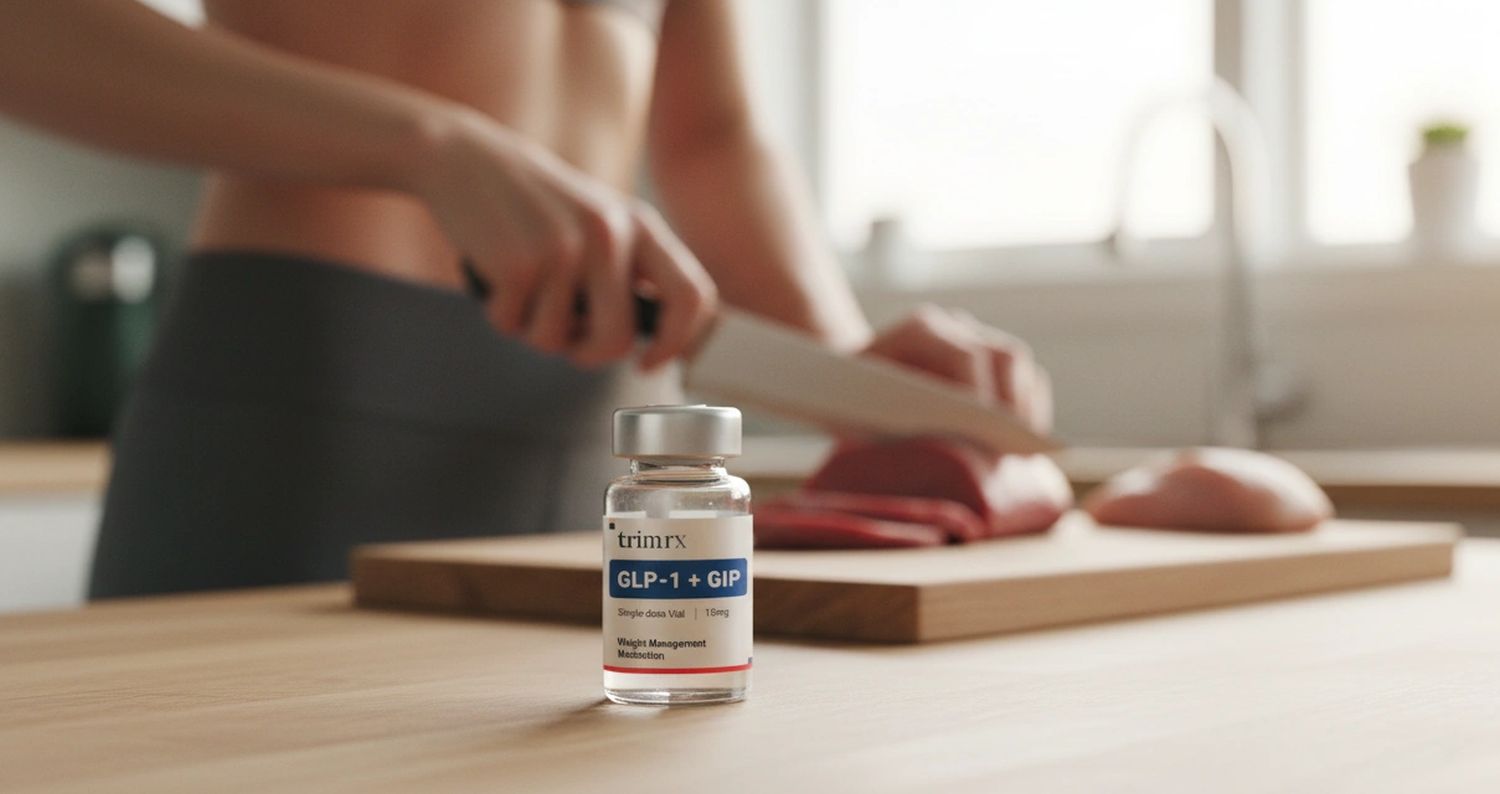
GLP-1 medications like semaglutide and tirzepatide are genuinely effective tools for weight loss, but they’re not a switch you flip and walk away from. The patients who see the best long-term results aren’t just taking their injections and hoping for the best. They’re pairing the medication with the right habits, tracking the right things, and working with their provider to adjust when needed. Here’s what actually moves the needle.
Understand What GLP-1 Medications Actually Do
Before you can work with a medication effectively, it helps to understand what it’s doing in your body. GLP-1 receptor agonists work by mimicking a naturally occurring hormone that signals fullness, slows digestion, and reduces appetite. Semaglutide targets one receptor; tirzepatide targets two (GLP-1 and GIP), which is one reason it tends to produce stronger appetite suppression for many people.
What this means practically is that the medication is creating a window of opportunity. Your hunger is quieter, your portion sizes naturally decrease, and you’re less driven by food cravings. What you do inside that window determines how well the medication works for you.
The medication isn’t doing the work alone. It’s making the work easier to do.
Set Up Your Nutrition Before the Cravings Quiet Down
One of the most common mistakes people make is waiting until they feel the appetite suppression before thinking about what they’re eating. By that point, habits are already in place and harder to shift.
Start with protein. Getting enough protein on semaglutide or tirzepatide matters more than most people realize. When you’re eating less overall, you need the food you do eat to protect lean muscle mass. Aim for at least 0.7 to 1 gram of protein per pound of body weight daily. Eggs, Greek yogurt, cottage cheese, chicken, fish, and legumes are all practical options that don’t require elaborate meal prep.
Fiber comes next. GLP-1 medications already slow gastric emptying, and adding adequate fiber helps maintain gut motility and keeps digestion moving. Vegetables, beans, oats, and berries are good starting points. If constipation becomes an issue, this is usually the first place to look.
Keep meals balanced rather than trying to be perfect. You don’t need to follow a specific diet protocol to succeed on these medications. What you’re avoiding is the trap of eating very little but making those calories mostly processed foods. Your body is asking for less food right now, and the quality of what you give it matters more than it did before.
Build Movement In Early
Exercise isn’t required for GLP-1 medications to work, but it meaningfully affects the quality of weight loss. Studies consistently show that patients who add resistance training alongside GLP-1 therapy preserve significantly more lean muscle mass compared to those who rely on medication and reduced calories alone.
You don’t need to become an athlete. Walking is genuinely useful, especially in the early months when energy levels are adjusting and appetite is low. A consistent 20 to 30 minute walk most days of the week adds up more than most people expect.
If you can add two to three sessions of strength training per week, even basic bodyweight movements or resistance bands, you’re doing something important. You’re signaling to your body that it needs to hold onto muscle even as fat is being lost. That matters for how you look, how you feel, and how your metabolism holds up long term.
Pay Attention to Your Dose
GLP-1 medications follow a dose escalation schedule for a reason. The low starting doses minimize side effects while your body adjusts. Moving up too quickly tends to create more nausea and GI discomfort than needed. Moving up too slowly can leave you under-dosed at a point where you’d benefit from more appetite suppression.
The goal is to find the lowest effective dose for you, not necessarily the highest available. Some patients do well at lower doses and experience excellent results without needing to escalate to the maximum. Others plateau and find that moving up resolves the stall.
If you’re not sure whether your current dose is working, the clearest signal is whether appetite suppression is still active. If hunger is returning noticeably before your next injection, or if weight loss has stalled despite staying consistent with your habits, that’s worth discussing with your provider.
Track More Than the Scale
Weight is the most obvious metric, but it’s also one of the noisiest. Water retention, hormonal fluctuations, muscle gain, and digestive timing can all affect what the scale shows on any given day. Watching only the number without context leads to a lot of unnecessary frustration.
Consider tracking a few additional things alongside weight. Waist measurements (taken consistently at the same point) often show fat loss that the scale hasn’t caught up with yet. Energy levels, sleep quality, and hunger ratings on a simple 1 to 10 scale can show you whether the medication is doing its job even during periods when weight loss appears to have stalled.
Progress photos, taken monthly under consistent lighting, tend to be more motivating than daily weigh-ins and capture changes in body composition that numbers miss entirely.
A 2021 analysis published in Obesity Reviews found that patients who self-monitored their food intake and physical activity alongside GLP-1 therapy lost significantly more weight than those who relied on medication alone, reinforcing that behavioral tracking amplifies medication outcomes.
Don’t Ignore Side Effects Early
Nausea, fatigue, and GI changes are common in the early weeks of treatment and usually resolve as your body adjusts. The mistake is pushing through severe symptoms silently rather than reporting them to your provider.
If nausea is significant, a few adjustments help. Injecting at night rather than in the morning means most of the initial peak effect happens while you’re asleep. Eating smaller, more frequent meals reduces the amount of food sitting in a slower-moving digestive system at once. Avoiding high-fat and high-sugar foods in the early weeks also tends to reduce GI discomfort.
Staying well hydrated matters more on GLP-1 medications than off them. You’re eating less, which means you’re getting less water from food. Making a conscious effort to drink throughout the day prevents a dehydration problem that can compound fatigue and constipation.
Work With Your Provider Consistently
GLP-1 treatment is a clinical process, not a product you take alone. Your provider needs to know how you’re responding, whether the dose is working, and whether any lab values need monitoring over time.
At TrimRx, ongoing provider access is built into the program so adjustments can be made based on how you’re actually doing, not just a once-a-year check-in. If something isn’t working, whether that’s a side effect, a plateau, or a question about switching medications, you’re not left to figure it out on your own.
If you haven’t started yet or you’re evaluating whether GLP-1 therapy is right for you, take the intake assessment to find out which options fit your situation. The best results come from treatment that’s matched to where you actually are, not a one-size-fits-all approach.
This information is for educational purposes and is not medical advice. Consult with a healthcare provider before starting any medication. Individual results may vary.

Transforming Lives, One Step at a Time
Keep reading
NASH and GLP-1 Medications: Can They Reverse Liver Damage
NASH, or nonalcoholic steatohepatitis, is one of the few serious progressive liver conditions where a medication taken for a different primary purpose, weight loss,…

GLP-1 Medications and Cholesterol: What to Expect in Your Labs
GLP-1 medications improve cholesterol, and the changes show up in ways that matter clinically. Patients on semaglutide and tirzepatide consistently see reductions in triglycerides,…
GLP-1 Medications for Severe Obesity: What to Expect With a BMI Over 40
If your BMI is above 40, GLP-1 medications are among the most effective non-surgical tools available for weight loss. Clinical trials for both semaglutide…


