How to Get Tirzepatide in Ohio
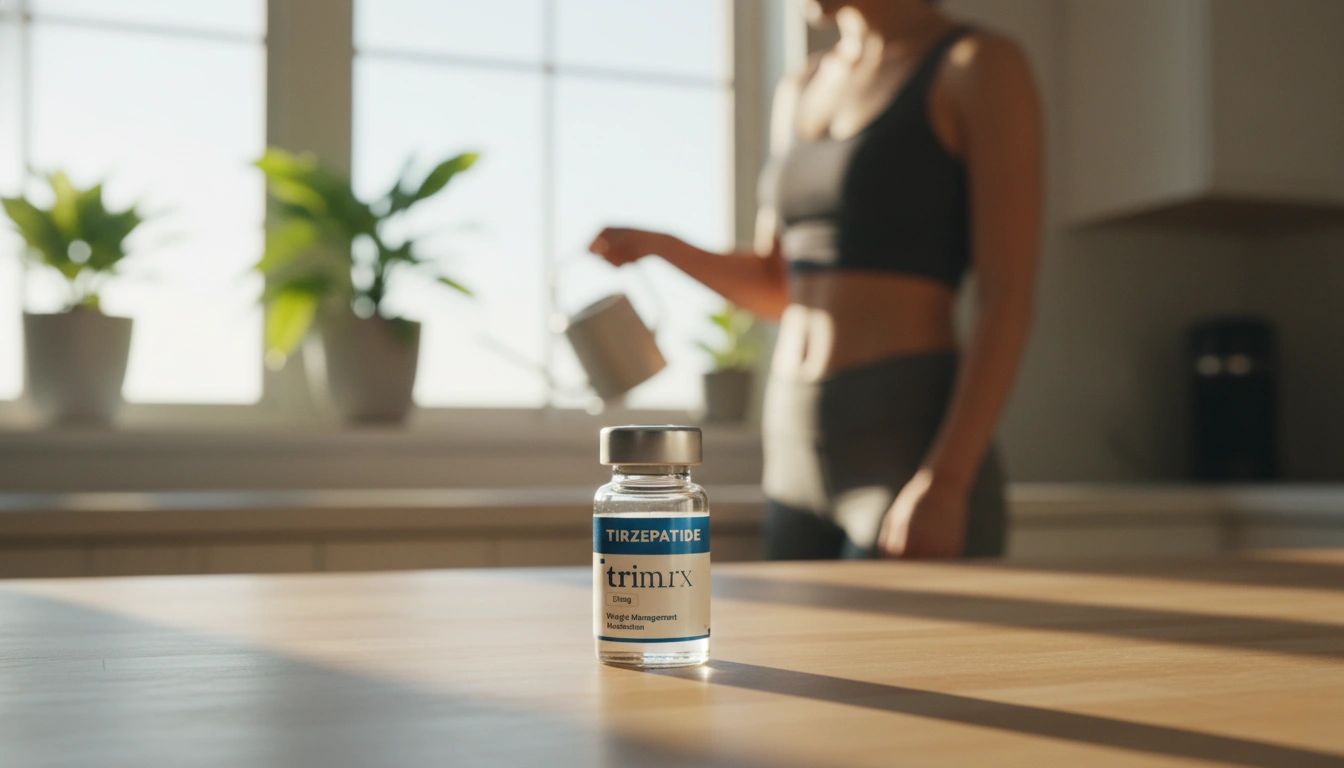
Getting tirzepatide in Ohio is accessible through telehealth, your primary care doctor, or a weight loss clinic, and you don’t need a specialist referral to get started.
Ohio has straightforward telehealth prescribing rules, a solid provider network in its major metros, and compounded tirzepatide offers a realistic cash-pay option for residents without insurance coverage for weight loss medications. Whether you’re in Columbus, Cleveland, Cincinnati, or a rural county in the eastern or southern part of the state, here’s what you need to know.
What Is Tirzepatide and Who Qualifies
Tirzepatide is the active ingredient in Mounjaro, approved for type 2 diabetes, and Zepbound, approved for chronic weight management. It works by activating both the GLP-1 and GIP receptors simultaneously, producing stronger appetite suppression and greater average weight loss than single-receptor GLP-1 medications. In the SURMOUNT-1 trial, participants at the highest dose lost an average of 22.5 percent of body weight over 72 weeks, one of the strongest results ever recorded in a pharmacological weight loss trial.
FDA eligibility criteria for Zepbound require a BMI of 30 or higher, or a BMI of 27 or higher with at least one weight-related condition such as hypertension, sleep apnea, prediabetes, or high cholesterol. A diabetes diagnosis is not required for the weight management indication. Mounjaro requires a diabetes diagnosis for on-label prescribing, though providers may prescribe it off-label for weight loss in appropriate patients.
Ohio has an obesity prevalence consistently above the national average, which means a large portion of the state’s population meets the basic eligibility criteria for tirzepatide. If you want to understand what results look like in practice before starting, the mounjaro 3 month results article covers the typical trajectory during the first quarter of treatment.
Option 1: Telehealth
For most Ohio residents, telehealth is the fastest and most practical route to tirzepatide. Ohio supports telehealth prescribing without requiring a prior in-person visit, as long as a valid patient-provider relationship is established through the virtual encounter. Ohio grants nurse practitioners reduced practice authority, requiring a collaborative agreement with a supervising physician, and most telehealth platforms are structured around this model. Prescriptions issued through NP-staffed telehealth services are fully legal in Ohio as long as providers hold active Ohio licenses.
The process at TrimRx starts with the TrimRx intake quiz, a five-minute online health assessment covering your weight history, current medications, and relevant medical conditions. A licensed Ohio provider reviews your intake and conducts a virtual consultation. If you meet the clinical criteria, you receive a prescription that routes to an accredited compounding pharmacy. Medication ships to your Ohio address within two to five business days.
Ongoing care is built into the program. Your provider stays available for dose adjustments, side effect management, and progress check-ins throughout treatment. This ongoing clinical relationship is what separates a medically supervised program from a one-time prescription service, and it makes a meaningful difference in how well patients navigate the early titration phase.
Option 2: Primary Care Doctor
Ohio has a well-developed primary care network, particularly in Columbus, Cleveland, Cincinnati, Dayton, and Akron. If you have an established relationship with a PCP, asking about tirzepatide at your next appointment is a straightforward path. Most Ohio primary care physicians are familiar with both Zepbound and Mounjaro and can evaluate your eligibility during a standard visit.
The key consideration is insurance. Zepbound’s retail price without coverage exceeds $1,000 per month. Ohio Medicaid, administered through the Ohio Department of Medicaid, has limited coverage for GLP-1 medications for obesity without a diabetes diagnosis. Some managed care plans within the Ohio Medicaid system may cover tirzepatide for type 2 diabetes, but weight-loss-only coverage is not consistently available across plans.
Ohio expanded Medicaid under the Affordable Care Act, which means a larger share of low-income Ohio residents have some form of coverage compared to non-expansion states. However, that coverage doesn’t reliably extend to weight loss medications, so many patients still find themselves paying out of pocket even with Medicaid.
If your PCP prescribes brand tirzepatide and your insurance doesn’t cover it, the full retail cost makes long-term treatment financially difficult for most patients. Compounded tirzepatide at $299 to $549 per month is a considerably more sustainable option for cash-pay patients.
Option 3: Weight Loss Clinics
Ohio has a solid network of medical weight loss clinics, particularly in the Columbus, Cleveland, and Cincinnati metros. The Cleveland Clinic and Ohio State University Wexner Medical Center both operate respected obesity medicine programs, and the state’s large academic medical infrastructure means patients in urban areas have access to experienced specialists.
Outside the major metros, clinic density drops off. Rural southeastern Ohio, the Appalachian region of the state, and smaller cities in the northwest have fewer weight loss specialists, and in-person clinic visits may require significant travel. Telehealth serves these patients well, providing the same access to licensed providers regardless of where in Ohio you live.
In-person clinics carry overhead costs that telehealth doesn’t, which typically translates to higher program fees and consultation charges on top of medication costs. For patients who want face-to-face support and comprehensive metabolic evaluation, the in-person model is worth the added cost. For patients who primarily need the prescription and reliable ongoing supervision, telehealth delivers equivalent clinical quality more efficiently.
Ohio-Specific Considerations
Ohio sits in the Rust Belt, and a significant portion of the state’s workforce is employed in manufacturing and trades sectors where employer-sponsored insurance coverage for weight loss medications is less common than in white-collar industries. It’s worth reviewing your specific plan’s formulary before assuming brand tirzepatide isn’t covered, but cash-pay telehealth is a realistic and practical path for many Ohio residents.
The state’s Appalachian counties in the southeast have some of the highest obesity rates in Ohio alongside the lowest rates of specialist access. Telehealth is particularly valuable in these communities, where the alternative to a virtual provider might be a two-hour drive to Columbus or Charleston.
Seasonal shipping applies in Ohio similarly to Pennsylvania. Winters in Cleveland and Cincinnati can be harsh, and medication left outside in freezing temperatures can be compromised. TrimRx ships with temperature-controlled packaging, but retrieving your package promptly during cold weather is good practice. Summer heat in southern Ohio warrants the same attention in the opposite direction.
If your employer offers an HSA or FSA, compounded tirzepatide prescribed by a licensed provider is generally an eligible expense. Confirming eligibility with your plan administrator before your first order can reduce your effective monthly cost meaningfully.
Cost Comparison for Ohio Patients
| Route | Typical Monthly Cost | Insurance | Wait Time |
|---|---|---|---|
| TrimRx telehealth (compounded tirzepatide) | $299-$549 | No (cash pay) | 2-5 business days |
| Brand Zepbound via PCP | $1,060+ without coverage | Sometimes | Varies |
| Weight loss clinic (brand) | $1,060+ plus program fees | Sometimes | Weeks |
| Weight loss clinic (compounded) | $300-$600 | Rarely | Varies |
Current pricing and program details for compounded tirzepatide are available on the TrimRx tirzepatide product page.
What to Expect Once You Start
Consider this scenario: a patient in Dayton with a BMI of 36 and sleep apnea completes the TrimRx intake on a Thursday morning. A licensed Ohio provider reviews her information and conducts a virtual consultation that afternoon. She receives her first shipment of compounded tirzepatide by Monday and starts at the standard 2.5mg weekly dose.
In week one, she notices mild nausea after her first injection, which peaks around day two and resolves by the weekend. Appetite begins to decrease noticeably by week two. By week four she’s down three to five pounds and finding it significantly easier to stop eating before feeling overfull. Her provider checks in at the four-week mark, confirms she’s tolerating the medication well, and advances her to the 5mg dose on schedule.
This early pattern is consistent with what clinical trials show. Progress tends to be gradual in the first month and accelerates through months two and three as doses increase. For patients who hit a plateau at any point during treatment, the why am I not losing weight on tirzepatide article covers the most common reasons and practical solutions.
Getting Started
If you’re in Ohio and want to find out whether tirzepatide is right for you, the TrimRx intake takes about five minutes and connects you with a licensed provider. There’s no obligation after completing the assessment, and the entire process happens online.
This information is for educational purposes and is not medical advice. Consult with a healthcare provider before starting any medication. Individual results may vary.

Transforming Lives, One Step at a Time
Keep reading
Compounded Tirzepatide Florida: Your Guide
Florida’s population includes a disproportionately high number of adults living with obesity, type 2 diabetes, and cardiovascular risk factors, which makes tirzepatide one of…

Compounded Tirzepatide Texas: How It Works
Texas leads the country in several health statistics that make GLP-1 medications particularly relevant, including high rates of obesity, type 2 diabetes, and cardiovascular…

Compounded Tirzepatide California: Getting Started
If you’ve been following the GLP-1 conversation, you’ve probably heard that tirzepatide is producing some of the most impressive weight loss numbers in clinical…


