How to Get Zepbound in California: Where to Start
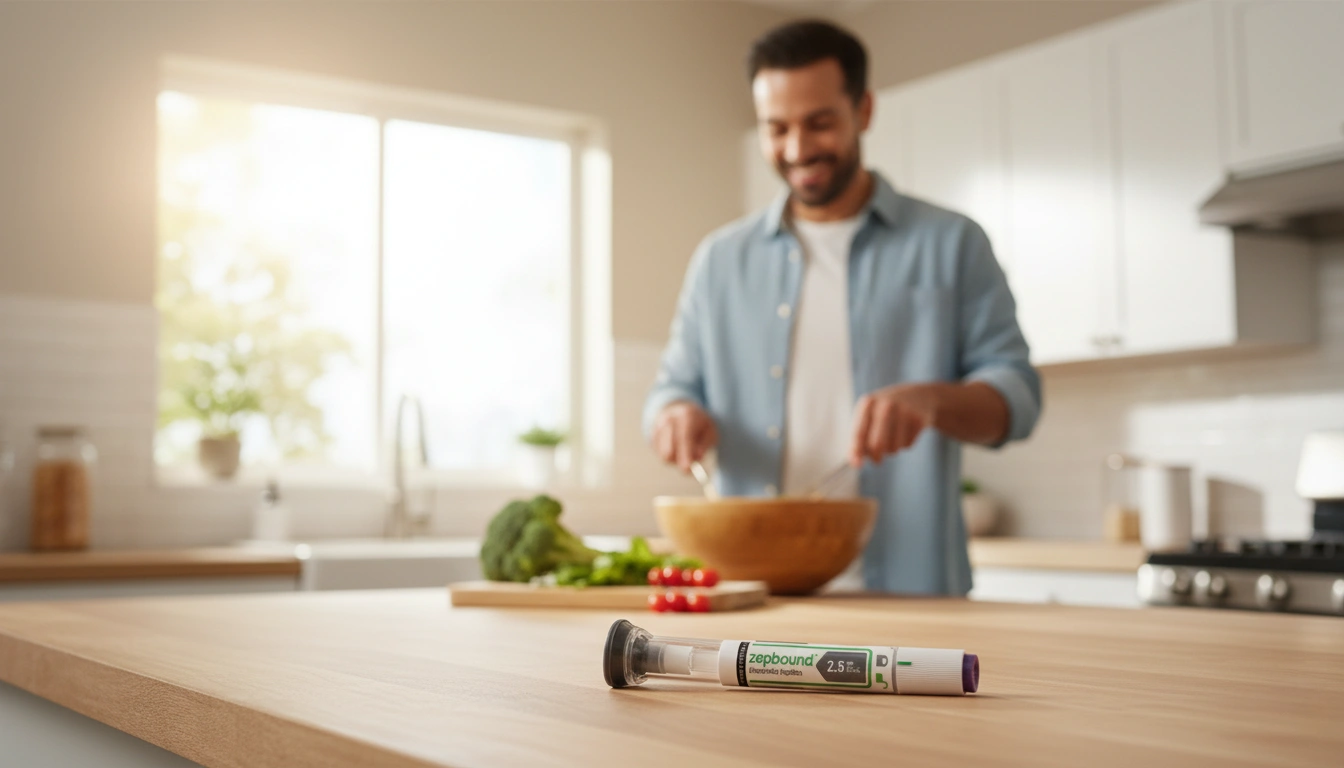
Zepbound (tirzepatide) is available to California residents through your primary care provider, a weight loss clinic, or a telehealth service that prescribes and delivers compounded tirzepatide to your home. The fastest and most affordable route for most Californians is telehealth, with compounded tirzepatide starting at $179 per month, no insurance required, and medication delivered directly to your door anywhere in the state.
Zepbound is Eli Lilly’s tirzepatide formulation approved specifically for chronic weight management, as opposed to Mounjaro, which is the same molecule approved for type 2 diabetes. The distinction matters mostly for insurance coding. The medication itself, the dosing, the side effects, and the weight loss results are identical. Here’s how to get it in California regardless of which label your prescription carries.
Understanding Zepbound vs. Mounjaro vs. Compounded Tirzepatide
Before walking through the process, it helps to clarify what you’re actually choosing between:
Zepbound is brand-name tirzepatide approved for weight management. It comes in pre-filled injection pens and is dispensed at retail pharmacies. Cash price: roughly $1,000 to $1,200 per month. Insurance may cover it if your plan includes anti-obesity medications.
Mounjaro is brand-name tirzepatide approved for type 2 diabetes. Same molecule, same pens, same manufacturer. If you have a diabetes diagnosis, this is the version your doctor would prescribe. Cash price is similar to Zepbound.
Compounded tirzepatide is the same active ingredient prepared by a licensed compounding pharmacy. It comes in a vial rather than a pre-filled pen, and you draw each dose with a syringe. The cost through telehealth is dramatically lower, starting at $179 per month through services like TrimRx.
All three deliver the same clinical results. The difference is packaging, price, and how your insurance categorizes them. For most California patients paying out of pocket, compounded tirzepatide is the clear winner on value.
The Telehealth Path: Fastest and Most Affordable
Here’s exactly what the process looks like from start to finish:
Complete the online intake. Answer questions about your height, weight, health history, medications, and goals. Takes about 10 to 15 minutes. You can do it from your couch, your office, or a coffee shop in Silver Lake. Start here.
Provider review. A healthcare provider licensed in California evaluates your information. California law allows this evaluation to happen via video consultation or asynchronous review, meaning the provider can assess your records without requiring a live video call in all cases. If they have questions, they’ll follow up directly.
Prescription and pharmacy. If you qualify, the provider prescribes compounded tirzepatide at the 2.5 mg starting dose. The prescription goes to a licensed compounding pharmacy, typically a 503B-registered facility with FDA oversight.
Shipping. Your medication ships with insulated packaging and cold packs to your California address. Delivery takes five to seven business days. The package includes your medication vial, syringes, alcohol swabs, and injection instructions.
Ongoing treatment. You inject once weekly and check in with your provider on a regular schedule (usually every two to four weeks initially). Dose increases follow the standard tirzepatide titration: 2.5 mg for four weeks, then 5 mg, then 7.5 mg, and so on based on your response and tolerability.
The whole process from intake to first injection typically takes one to two weeks. No driving to a clinic, no waiting room, no pharmacy lines.
Through Your California Doctor
Your PCP, internist, or any licensed prescriber can write a Zepbound or tirzepatide prescription. Here’s the practical reality of going this route:
The good news: If your doctor is familiar with GLP-1 prescribing and your insurance covers Zepbound, this could be your cheapest option. Insured copays for covered patients range from $25 to $250 per month, which beats any cash-pay price.
The common challenge: Many California physicians are still cautious about prescribing GLP-1 medications for weight management. Some cite limited experience with dose titration. Others have philosophical reservations. And even willing doctors may face pushback from insurance companies requiring prior authorization, step therapy (trying cheaper medications first), or outright denial.
If your doctor prescribes it but insurance denies coverage, you’re looking at $1,000 to $1,200 per month at retail for brand-name Zepbound. At that point, switching to compounded tirzepatide through telehealth makes financial sense for most people.
If your doctor won’t prescribe it, don’t spend energy trying to change their mind. Telehealth gives you direct access to providers who specialize in GLP-1 medications and prescribe them daily.
Through a California Weight Loss Clinic
California’s weight loss clinic market is extensive, with major clusters in Los Angeles, San Francisco, San Diego, Orange County, Sacramento, and the Bay Area suburbs.
Typical experience: Initial consultation ($200 to $500), health assessment and labs, treatment plan, and ongoing monthly visits. Many California clinics now dispense compounded tirzepatide directly, bundling medication and visits into a monthly fee of $300 to $700.
Best for: Patients who want face-to-face accountability, have complex metabolic conditions, or prefer a comprehensive program that might include nutritional counseling, body composition tracking, or complementary treatments.
Cost comparison with telehealth: Even the most affordable California clinics run $300 or more per month when you factor in visit fees and medication. Telehealth at $179 per month provides the same medication with less overhead.
California Insurance Coverage
Insurance coverage for Zepbound in California follows familiar patterns:
Large employer plans offer the best shot at coverage. California’s tech sector, entertainment industry, and healthcare employers sometimes include anti-obesity medications on their formularies. But coverage isn’t universal, and prior authorization is almost always required.
Covered California marketplace plans vary widely. Weight loss medication coverage is not mandated under California’s essential health benefits, so individual plans may or may not include it. Check your specific plan’s formulary before assuming anything.
Medi-Cal has limited coverage for anti-obesity medications. Some managed care plans may cover certain GLP-1 medications with prior authorization, but tirzepatide for weight management is not consistently available. If you’re on Medi-Cal, compounded tirzepatide through telehealth is likely your most reliable access point.
Kaiser Permanente deserves a specific mention since it covers a huge portion of California’s insured population. Kaiser’s formulary decisions are made internally, and their coverage of GLP-1 medications for weight management has been inconsistent. Some Kaiser members report success getting Zepbound or Wegovy approved; others face repeated denials. If you’re a Kaiser member, call the pharmacy benefits line and ask directly about tirzepatide coverage for weight management.
For context on how brand-name pricing compares across discount platforms, our Mounjaro cash price guide covers the retail numbers (Mounjaro and Zepbound are priced similarly).
Who Qualifies for Zepbound in California
The prescribing criteria are consistent regardless of where you live or which provider you use:
Standard eligibility: BMI of 30 or higher, or BMI of 27 or higher with at least one weight-related comorbidity. Qualifying comorbidities include hypertension, high cholesterol, prediabetes, type 2 diabetes, obstructive sleep apnea, PCOS, and cardiovascular disease.
Contraindications: Personal or family history of medullary thyroid carcinoma or multiple endocrine neoplasia syndrome type 2, history of severe pancreatitis, pregnancy, or active plans to become pregnant. Your provider will screen for these during the intake process.
For a detailed look at what the first few weeks on tirzepatide feel like, our tirzepatide results timeline covers the experience week by week.
Practical California Tips
Medication storage in hot climates. If you live in the Central Valley, Inland Empire, Palm Springs area, or anywhere temperatures regularly exceed 100°F, pay extra attention to medication storage. Tirzepatide should be refrigerated until first use. After the first injection from a vial, it can be stored at room temperature below 86°F for up to 21 days, but in a Bakersfield or Riverside summer, that threshold is easily exceeded. Keep it in the fridge.
Shipping timing. If possible, time your order so the medication ships early in the week. This avoids packages sitting in a hot delivery truck or warehouse over a weekend. Most telehealth providers ship Monday through Wednesday for this reason.
HSA and FSA. California has a high concentration of workers with high-deductible health plans and HSA accounts, particularly in the tech sector. Tirzepatide prescribed for weight management or diabetes qualifies as an HSA/FSA-eligible expense. At California’s state income tax rates (up to 13.3% combined with federal rates), paying with pre-tax dollars creates meaningful savings.
Employer wellness benefits. Some California employers, especially in tech and healthcare, offer wellness stipends or weight management reimbursements separate from insurance. Check with HR. These funds can sometimes be applied toward telehealth GLP-1 services.
Making Your Decision
Let’s say a patient named Aisha lives in Oakland, has a BMI of 32 with high cholesterol, and works for a mid-size company with decent but not spectacular insurance. Her plan doesn’t cover Zepbound, and her PCP says she’s willing to prescribe it but recommends trying diet and exercise first.
Aisha has already tried diet and exercise, multiple times. Telehealth gives her access to a provider who won’t suggest she try harder before offering pharmacological support. She completes the intake tonight, has a prescription by midweek, and medication at her door by next Friday. Monthly cost: $179. No more waiting.
Now consider a patient named Robert in San Diego with type 2 diabetes and a BMI of 38. His endocrinologist has been managing his diabetes and can prescribe Mounjaro under the diabetes indication, which his insurance covers with a $50 copay. For Robert, the in-person route through his existing specialist is cheaper and provides the integrated care his condition warrants.
Most Californians looking for Zepbound fall closer to Aisha’s situation. If that’s you, the path forward is simple and it starts today. Take the intake assessment to see if you qualify, and a licensed California provider will review your case.
This information is for educational purposes and is not medical advice. Consult with a healthcare provider before starting any medication. Individual results may vary.

Transforming Lives, One Step at a Time
Keep reading

How to Get Zepbound in Texas: Your Guide
Getting Zepbound in Texas is straightforward once you know your options. You can get a prescription through a telehealth provider from home, through your…
Stopping Zepbound: Managing the Transition
When you stop taking Zepbound, your appetite returns to pre-medication levels within a few weeks and most people regain a meaningful portion of their…
Zepbound Not Working: Troubleshooting Your Weight Loss
If Zepbound doesn’t seem to be producing the weight loss you expected, the medication probably isn’t the issue. Zepbound contains tirzepatide, a dual GIP/GLP-1…


