How to Get Zepbound in Texas: Your Guide
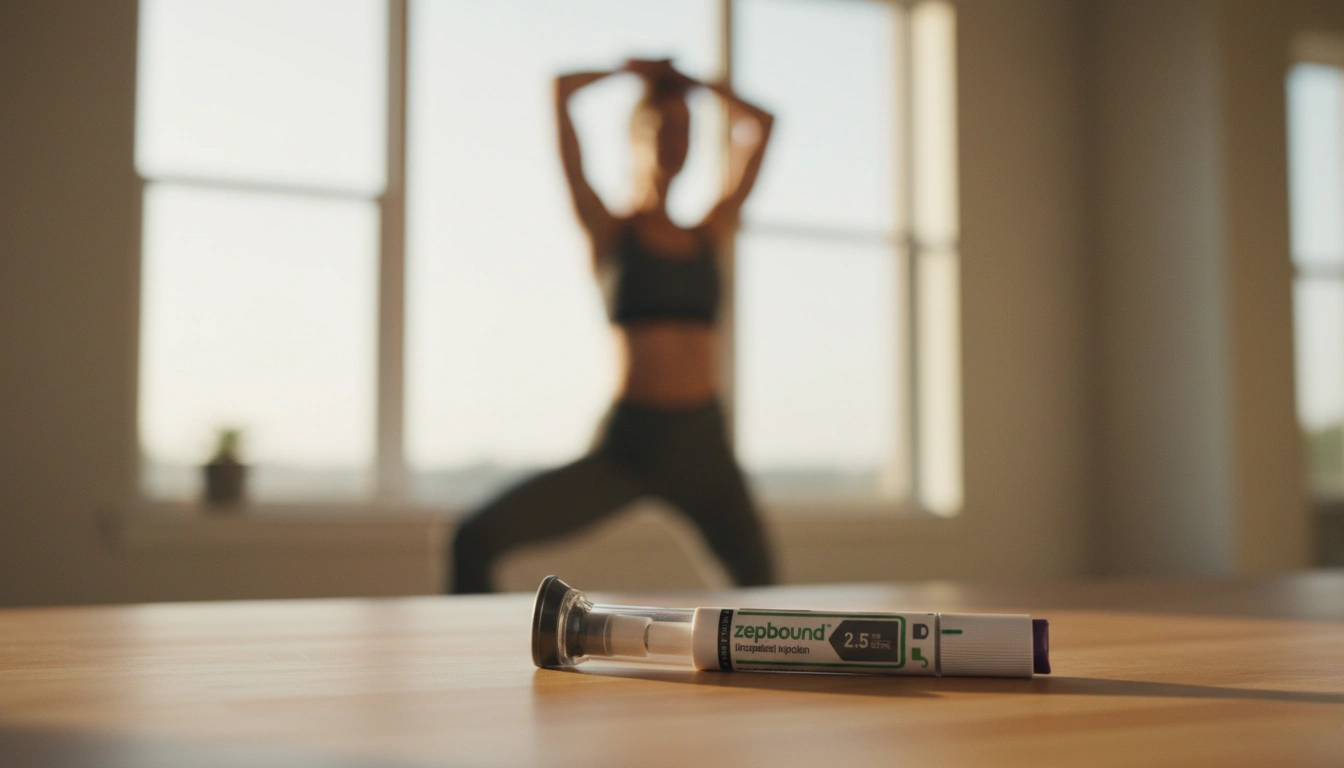
Getting Zepbound in Texas is straightforward once you know your options. You can get a prescription through a telehealth provider from home, through your primary care doctor, or through a weight loss clinic, all without needing a specialist referral. Texas has favorable telehealth laws that make remote prescribing easy, and compounded tirzepatide offers a more affordable path if cost is a barrier.
Here’s a practical breakdown of every route available to Texas residents.
What Is Zepbound and Who Qualifies?
Zepbound is the brand name for tirzepatide approved specifically for weight management. It’s manufactured by Eli Lilly and works by activating two gut hormone receptors (GIP and GLP-1) simultaneously, which reduces appetite and slows digestion more aggressively than single-receptor medications.
FDA approval criteria for Zepbound require a BMI of 30 or higher, or a BMI of 27 or higher with at least one weight-related condition such as high blood pressure, type 2 diabetes, or sleep apnea. You don’t need a diabetes diagnosis to qualify, which distinguishes Zepbound from Mounjaro (the same molecule approved for diabetes).
If you’ve already looked into tirzepatide results, you know the clinical data is strong. The SURMOUNT-1 trial showed participants losing up to 22.5% of body weight over 72 weeks at the highest dose.
Option 1: Telehealth (Fastest and Most Convenient)
For most Texas residents, telehealth is the most practical starting point. You complete an online intake, consult with a licensed provider, and receive a prescription that gets filled and shipped to your door, often within a few days.
Texas has a relatively permissive telehealth environment. The state does not require an in-person visit before a provider can prescribe via telehealth, as long as a valid patient-provider relationship is established through the virtual visit. This means you can go from intake form to prescription without ever leaving your home.
Texas also grants nurse practitioners reduced practice authority, meaning NPs can prescribe under a collaborative agreement with a supervising physician. Most telehealth platforms are structured around this model, so prescriptions from NP-staffed telehealth services are completely legitimate and legal in Texas.
How the telehealth process works at TrimRx:
- Complete the online health assessment at the TrimRx intake quiz, which covers your medical history, current medications, and weight loss goals.
- A licensed provider reviews your information and conducts a virtual consultation.
- If you’re a candidate, you receive a prescription. TrimRx works with accredited compounding pharmacies to fill orders and ships directly to your Texas address.
- Your care team follows up throughout treatment to monitor progress and adjust dosing as needed.
Turnaround from intake to first shipment is typically a few business days.
Option 2: Your Primary Care Doctor
If you have an established relationship with a primary care physician, asking about Zepbound at your next appointment is a reasonable path. PCPs in Texas prescribe GLP-1 medications regularly, and most are familiar with the Zepbound approval criteria.
The main friction here is insurance. Zepbound’s list price runs over $1,000 per month without coverage, and many Texas insurance plans, including a large portion of the state’s employer-sponsored plans, don’t cover it for weight loss. Texas Medicaid (known as Texas Medicaid and Healthcare Partnership, or TMHP) generally does not cover Zepbound or other GLP-1 medications for obesity in the absence of a diabetes diagnosis.
If your doctor prescribes Zepbound and your insurance doesn’t cover it, you’ll be paying full retail. That’s where the cost comparison below becomes relevant.
Option 3: Weight Loss Clinics
Texas has a dense network of medical weight loss clinics in its major metros, including Houston, Dallas, Austin, San Antonio, and Fort Worth. These clinics specialize in obesity medicine and often have more experience titrating GLP-1 doses, managing side effects, and adjusting treatment plans than general practitioners.
The downside is cost and time. In-person clinic visits add overhead, and many clinics charge monthly program fees on top of medication costs. Scheduling can also take longer, especially in high-demand areas like Austin and Dallas.
For people who want hands-on, in-person support throughout treatment, a clinic is worth it. For people who primarily need the prescription and prefer to manage things themselves, telehealth is usually more efficient.
Cost Comparison: Your Options in Texas
| Route | Typical Monthly Cost | Insurance Accepted? | Wait Time |
|---|---|---|---|
| TrimRx telehealth (compounded tirzepatide) | $179-$549 | No (cash pay) | 2-4 business days |
| Brand Zepbound via PCP | $1,060+ without insurance | Sometimes | Days to weeks |
| Weight loss clinic (brand) | $1,060+ plus program fees | Sometimes | Varies |
| Weight loss clinic (compounded) | $300-$600 | Rarely | Varies |
Compounded tirzepatide is the most accessible option for Texans paying out of pocket. It contains the same active ingredient as Zepbound but is prepared by a licensed compounding pharmacy rather than the brand manufacturer, which significantly reduces cost. You can explore TrimRx’s tirzepatide product page for current pricing.
Texas-Specific Considerations
High uninsured rate. Texas consistently has one of the highest uninsured rates in the country, which means a large portion of residents are already accustomed to paying cash for healthcare. Telehealth with compounded tirzepatide fits naturally into this pattern since it’s designed for cash-pay patients from the start.
Rural access. Texas is enormous, and outside of the major metros, access to weight loss specialists is limited. Telehealth closes this gap entirely. A patient in Lubbock, Amarillo, or the Rio Grande Valley has the same access to a licensed provider as someone in Houston.
Heat and shipping. Texas summers are brutal, and GLP-1 medications require refrigeration. TrimRx ships with cold packs and temperature-controlled packaging, but you’ll want to make sure someone can receive the package promptly, particularly during summer months. Avoid having medication sit in a hot mailbox or on a porch for hours.
HSA and FSA. If your employer offers a health savings account or flexible spending account, compounded tirzepatide prescribed by a licensed provider is typically an eligible expense. Check with your plan administrator to confirm, but this can offset out-of-pocket costs meaningfully.
What to Expect Once You Start
Consider this scenario: a patient in Dallas qualifies for Zepbound with a BMI of 31 and high blood pressure. She completes the TrimRx intake on a Tuesday, has a virtual consultation Wednesday, and receives her first shipment by Friday. She starts at the standard 2.5mg dose, with her provider checking in after the first four weeks to assess tolerability before moving to the next dose level.
This is a pretty typical experience. The tirzepatide results timeline article breaks down what to expect week by week, including when appetite suppression typically kicks in and when weight loss tends to accelerate.
Most patients notice reduced hunger within the first week or two. Meaningful weight loss usually becomes visible around weeks four through eight. The biggest results tend to come between months three and six as doses increase.
Ready to Check Your Eligibility?
If you’re in Texas and want to find out whether you qualify for Zepbound or compounded tirzepatide, the fastest way is to complete the intake assessment. It takes about five minutes and gives a licensed provider everything they need to evaluate your candidacy.
Check your eligibility at TrimRx
This information is for educational purposes and is not medical advice. Consult with a healthcare provider before starting any medication. Individual results may vary.

Transforming Lives, One Step at a Time
Keep reading

How to Get Zepbound in California: Where to Start
Zepbound (tirzepatide) is available to California residents through your primary care provider, a weight loss clinic, or a telehealth service that prescribes and delivers…
Stopping Zepbound: Managing the Transition
When you stop taking Zepbound, your appetite returns to pre-medication levels within a few weeks and most people regain a meaningful portion of their…
Zepbound Not Working: Troubleshooting Your Weight Loss
If Zepbound doesn’t seem to be producing the weight loss you expected, the medication probably isn’t the issue. Zepbound contains tirzepatide, a dual GIP/GLP-1…


