How to Inject GLP-1: Our Team’s Step-by-Step Method for 2026
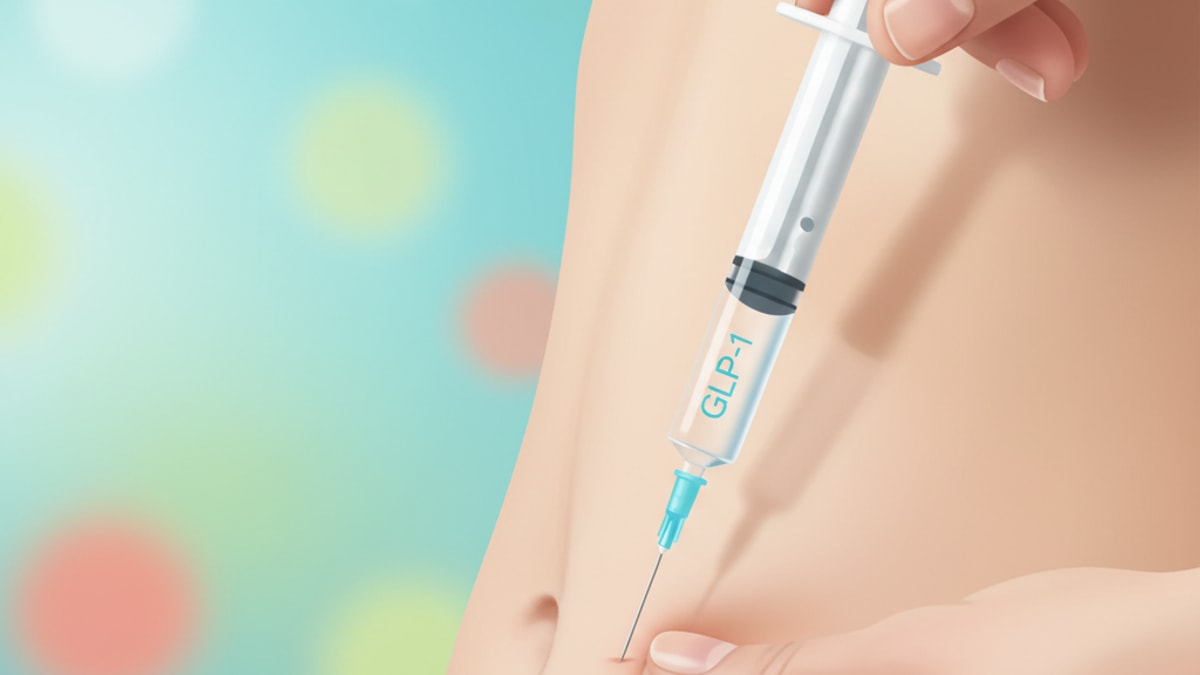
So, you're starting a GLP-1 medication like Semaglutide or Tirzepatide. That’s a significant, sometimes dramatic, step toward taking control of your health journey, and our team at TrimrX is genuinely excited for you. It’s a powerful tool that, as of 2026, has already reshaped countless lives. But let's be honest, for many, there's one formidable hurdle that causes a bit of anxiety: the injection itself. The idea of self-administering a shot can feel clinical, intimidating, and just plain weird.
We get it completely. Our medical team has guided thousands of patients through this exact process. We’ve heard every question and seen every hesitation. The good news? That initial apprehension almost always transforms into a simple, two-minute routine that becomes second nature. This guide is our way of bottling that experience and giving it to you. We're going to demystify the entire process, from prepping your space to the final, safe disposal of the needle. This isn't just about the mechanics; it's about building confidence so you can focus on what really matters—your results.
Before You Even Touch a Needle
Mindset is everything. Before you uncap a single alcohol wipe, it's crucial to frame this correctly. This isn't a chore; it's an act of empowerment. You are actively participating in your own health transformation. Each injection is a deliberate step forward. We can't stress this enough: viewing the process as a positive ritual rather than a medical task can profoundly change your experience.
First, understand your specific medication. Whether it's Semaglutide or Tirzepatide, take a moment to read the specific instructions that come with it. While the core injection principles we're covering here are universal, there can be subtle differences in storage or preparation. Also, create a dedicated space. This doesn't need to be a sterile lab, just a clean, well-lit, and uncluttered surface in your home where you won't be disturbed. Think of it as your wellness station. Having a consistent spot helps build the routine and minimizes the chances of forgetting a step. Our team has found that patients who create a calm, organized 'injection ritual' report far less stress and greater consistency.
Gathering Your Supplies: The Pre-Flight Checklist
Being prepared is half the battle. Fumbling for a cotton ball mid-process is a surefire way to spike your anxiety. Lay everything out before you begin. It's simple, but it makes a world of difference.
Here’s what you’ll need every single time:
- Your GLP-1 Medication: This could be a multi-dose vial or a pre-filled injection pen. Check the expiration date and ensure the liquid is clear and colorless (unless specified otherwise by the manufacturer). If it’s cloudy, discolored, or has particles, do not use it.
- Sterile Syringe and Needle: You'll receive these with your prescription. Always use a new, sterile needle for every single injection. No exceptions. Reusing needles is dangerous, increases the risk of infection, and makes the injection more painful as the tip becomes dull.
- Alcohol Swabs: These are for sterilizing the rubber top of the medication vial and the skin at your injection site. They are a critical, non-negotiable element of safe injecting.
- A Sharps Container: This is an FDA-cleared container for safely disposing of used needles and syringes. You can get one from your pharmacy or through local health programs. Never, ever throw loose needles in the trash. It's a massive safety risk for you and for sanitation workers.
- Gauze or a Cotton Ball: For applying light pressure to the site after the injection, just in case there's a tiny drop of blood.
Laying these items out on your clean surface is your pre-flight check. It centers you and ensures the process flows smoothly from start to finish.
Choosing Your Injection Site: Location, Location, Location
Your body gives you a few good options for subcutaneous (under the skin) injections. The goal is to inject into the fatty tissue just below the skin, not into muscle. The three most common and effective areas are:
- The Abdomen: This is the fan favorite for a reason. There's usually an ample amount of subcutaneous fat, and it's easy to see and reach. The best spot is at least two inches away from your belly button on any side. Our experience shows this is often the least sensitive area.
- The Front of the Thighs: Another excellent choice. Use the upper and outer middle part of your thigh. You can sit down and easily access this area, making it a very stable target.
- The Upper Arms: Specifically, the back of the upper arm where there's more fatty tissue. This one can be a bit trickier to do yourself, so many people only use this site if a partner or friend is helping them with the injection.
Now, here's a piece of advice we drill into every patient: rotate your injection sites.
This is incredibly important. If you inject into the exact same spot time after time, you can develop something called lipohypertrophy, which is a buildup of fatty tissue that feels like a hard or soft lump under the skin. Not only is it aesthetically undesirable, but it can also interfere with how your body absorbs the medication, making it less effective. Think of your abdomen as a clock face, with your belly button in the center. One week, inject at 2 o'clock. The next, at 4 o'clock. Then move to your left thigh, then your right. Keeping a simple log or just being mindful of where you did your last shot is key to long-term success.
The Step-by-Step Injection Process: From Vial to Victory
Alright, this is the main event. Take a deep breath. We're going to walk through this with meticulous detail. After you do this once or twice, it will feel like tying your shoes.
Step 1: Wash Your Hands Thoroughly.
This is the most overlooked step. Before you do anything else, wash your hands with soap and water for at least 20 seconds. This prevents the transfer of bacteria to the vial or your skin.
Step 2: Prepare the Medication.
If you're using a vial, grab an alcohol swab and vigorously wipe the rubber stopper on top. Let it air dry. Now, pick up your capped syringe. Let's say your dose is 0.5 mL. Pull the plunger back to draw 0.5 mL of air into the syringe. With the vial on your flat surface, insert the needle straight down through the center of the rubber stopper. Push the plunger to inject the air into the vial. This equalizes the pressure and makes it much easier to draw the liquid out. Now, turn the vial and syringe upside down. Make sure the needle tip is below the liquid level and pull the plunger back slowly to draw out your correct dose. Check for large air bubbles. Small champagne-sized bubbles are usually fine, but if you see a big one, gently tap the side of the syringe to make it rise to the top, then push the plunger ever so slightly to eject the air back into the vial. Double-check your dose is still accurate.
Step 3: Prepare the Injection Site.
Choose your spot (remembering to rotate!). Take a new alcohol swab and clean the skin in a circular motion, about two inches in diameter. And here’s a pro tip: let it air dry completely. Injecting while the alcohol is still wet is what causes that stinging sensation. Patience for 15 seconds makes a big difference.
Step 4: The Injection Itself.
This is the moment. Uncap the needle. Depending on your body type and the length of the needle, your provider may recommend gently pinching about an inch of skin at the injection site. This lifts the fatty tissue away from the muscle. Hold the syringe like a dart at a 90-degree angle to your skin. In one quick, smooth motion, insert the needle all the way in. Hesitation is not your friend here; a swift motion is far more comfortable. Once the needle is in, release the pinch (if you were pinching). Use your thumb to slowly and steadily push the plunger down until all the medication is injected. Don't rush it.
Step 5: The Finish.
Once the syringe is empty, count to five. Seriously. We've found that waiting 5-10 seconds before withdrawing the needle ensures all the medication has been delivered and prevents any from leaking back out. After waiting, pull the needle straight out at the same 90-degree angle. Place a piece of gauze or a cotton ball over the site and apply gentle pressure for a few seconds. Do not rub the area. A tiny drop of blood is perfectly normal.
Step 6: Immediate and Safe Disposal.
Immediately place the used syringe and needle into your sharps container. Don't recap it. This is how accidental needle sticks happen. Get it straight into the container, seal it, and you're done.
That's it. You did it. The whole process, once you're used to it, takes less time than it takes to brush your teeth.
Injection Pens vs. Vials & Syringes
The landscape of GLP-1 administration has evolved, and in 2026, patients have more options than ever. Many medications are available in both traditional vials and modern injection pens. Neither is inherently 'better'—it's about what fits your lifestyle and comfort level. At TrimrX, we help our patients understand the nuances so they can make an informed choice.
| Feature | Injection Pen | Vial & Syringe |
|---|---|---|
| Dosing | Doses are 'dialed in'. Often very simple and removes the step of drawing medication. Reduces risk of dosing error. | Requires manually drawing the precise dose from a vial into a syringe. Offers more flexibility for micro-dosing adjustments. |
| Ease of Use | Generally considered easier for beginners. Fewer steps, pre-filled, and designed for simplicity. | Involves more steps (drawing air, injecting air, drawing liquid) and requires a bit more dexterity and confidence. |
| Portability | Highly portable and discreet. Easy to travel with and use on the go without assembling multiple components. | Less discreet. Requires carrying a vial, multiple syringes, and alcohol swabs separately. |
| Cost | Can sometimes be more expensive due to the convenience and technology of the delivery device. | Often the more cost-effective option, especially for the medication itself. |
| Waste | Produces less plastic waste per dose, as the pen is often multi-use with just a replaceable needle tip. | Creates more waste per injection (a full syringe and needle, plus packaging). |
The injection process with a pen is simpler: you attach a new needle tip, dial your dose, clean your skin, and then press a button to inject. The core principles of choosing a site, rotating sites, and proper hygiene remain exactly the same.
Common Concerns and Pro Tips from Our Medical Team
We've fielded thousands of calls and messages from patients, and we've noticed the same anxieties pop up again and again. Let's tackle them head-on.
“But will it hurt?”
This is, without a doubt, the number one question. The needles used for subcutaneous injections are incredibly fine and short. Most people describe the sensation as a tiny pinch, and many say they barely feel it at all. If you ensure the alcohol is dry and the medication is at room temperature (if refrigerated, let it sit out for 20-30 minutes), you’ll minimize any potential discomfort.
“What if I see a drop of blood?”
Perfectly normal. You might have nicked a tiny capillary just under the skin. It’s not a sign you did anything wrong. Just apply gentle pressure with your gauze for a few seconds, and it will stop. A small bruise may appear later, which is also harmless and will fade.
“What if I mess up the dose?”
First, don't panic. If you realize you drew up and injected slightly too little, just let it be. Don't try to inject a tiny bit more to 'top it off'. Simply take your next scheduled dose as usual. If you believe you injected significantly too much, you should contact your medical provider immediately. This is precisely why a program like ours at TrimrX is so valuable. You're not alone. You have a dedicated medical team to call for guidance in situations just like this.
“I have a real fear of needles. What can I do?”
Needle phobia is very real, and you're not alone. Here are a few strategies our team recommends: Try icing the area for a minute before you clean it to numb the skin. Practice deep, slow breathing before and during the injection to calm your nervous system. Some patients find that playing music or a podcast helps distract them. You can also ask a trusted partner or family member to learn the process and administer the shot for you. Over time, many people find their fear lessens as they become more familiar and confident with the routine.
Remember, the support system at TrimrX is designed for this. Our team can provide personalized coaching and support to help you overcome this hurdle. If you're ready to begin your journey with a team that has your back every step of the way, you can Start Your Treatment Now.
Beyond the Injection: Making GLP-1s Work for You
The weekly injection is a critical part of the process, but it's just one piece of a much larger, more exciting puzzle. True, sustainable weight loss and metabolic health improvement—the kind we champion in 2026—is about a holistic approach. The medication is a powerful catalyst, helping to regulate your appetite and improve your body's response to food. But its effects are magnified exponentially when paired with mindful nutrition, consistent movement, and proper hydration.
This is where a medically supervised program distinguishes itself from simply getting a prescription. We don't just teach you how to inject GLP-1; we teach you how to leverage it. Our team works with you to build sustainable lifestyle habits that will serve you long after you've reached your goals. The injection becomes the easy part, the simple weekly step that supports all the other positive changes you're making.
Mastering your injection technique is your first major win on this journey. It’s a tangible skill that puts you squarely in the driver's seat of your own health. It can feel like a mountain at first, but it quickly becomes a small, familiar molehill. Celebrate that. Acknowledge your own courage and commitment. Every successful injection is a reaffirmation of the promise you made to yourself, and with a team like TrimrX behind you, you're never walking that path alone.
Frequently Asked Questions
How often do I need to inject GLP-1s?
▼
Most GLP-1 medications, like Semaglutide and Tirzepatide, are designed for a once-weekly injection. It’s best to administer it on the same day each week to maintain stable levels of the medication in your system.
Should I inject at the same time of day?
▼
While injecting on the same day each week is crucial, the specific time of day is less important and can be flexible. Our team suggests choosing a time that fits easily into your routine so you’re less likely to forget.
What happens if I miss a dose?
▼
If you miss a dose, the guidance typically depends on how long it’s been. If it’s only been a day or two, you can usually take it as soon as you remember. If it’s close to your next scheduled dose, it’s often better to skip the missed one. Always consult the specific instructions for your medication or contact your TrimrX provider for personalized advice.
Can I travel with my GLP-1 medication?
▼
Absolutely. If your medication requires refrigeration, use an insulated travel cooler with ice packs. Always keep your medication in your carry-on luggage, never in a checked bag, to avoid exposure to extreme temperatures or loss.
Why do I really need to rotate injection sites?
▼
Rotating injection sites is critical to prevent lipohypertrophy, which is a buildup of fatty tissue under the skin. This condition can not only be uncomfortable but can also interfere with the proper absorption of your medication, making it less effective over time.
Is it better to inject in the morning or at night?
▼
There is no clinical difference in effectiveness between injecting in the morning or at night. It’s a matter of personal preference. Some people prefer the morning to get it done, while others who experience mild side effects like nausea find that injecting before bed helps them sleep through it.
What if the medication in the vial looks cloudy?
▼
Most GLP-1 solutions like Semaglutide and Tirzepatide should be clear and colorless. If you notice any cloudiness, discoloration, or particles in the vial, do not use it. Contact your pharmacy or our team at TrimrX right away for a replacement.
How do I properly dispose of my full sharps container?
▼
Once your sharps container is about three-quarters full, you should dispose of it. Disposal regulations vary, but you can typically check with your local trash removal service, public health department, or a nearby hospital for designated drop-off locations.
My injection site is a little red and itchy. What should I do?
▼
Mild redness, swelling, or itching at the injection site is a common and usually temporary reaction. You can apply a cool compress to the area. However, if the reaction is severe, spreads, or you experience other symptoms, contact your medical provider immediately.
Can someone else give me my injection?
▼
Yes, if you’re not comfortable self-injecting, a trusted friend, partner, or family member can be taught to administer it for you. The upper arm becomes a much easier site to use in this scenario. Just ensure they follow the same hygiene and safety steps.
Do I need to pinch my skin for every injection?
▼
Whether you need to pinch the skin depends on your body composition and the length of the needle. It’s a technique to ensure the medication enters the fatty tissue, not the muscle. Your TrimrX provider can give you a personalized recommendation based on your needs.
How long should I leave refrigerated medication out before injecting?
▼
We recommend taking your medication out of the refrigerator about 20-30 minutes before your injection. This allows it to come to room temperature, which can make the injection process slightly more comfortable.
Is one injection site more effective than another?
▼
No, studies have not shown a significant difference in medication absorption or effectiveness between the recommended sites (abdomen, thigh, and upper arm). The best site is the one you can reach comfortably and remember to rotate regularly.

Transforming Lives, One Step at a Time
Keep reading

Do You Need a Prescription for GLP-1s? The 2026 Answer
Wondering ‘do you need a prescription for glp 1’ in 2026? Yes. We explain why a doctor’s oversight is critical for safe, effective results.

How to Get GLP-1 Covered By Insurance: Our 2026 Playbook
Struggling with how to get glp-1 covered by insurance? Our 2026 guide breaks down prior authorizations, appeals, and documentation.

Traveling with GLP-1s in 2026: Your Essential Trip-Proof Plan
Don’t let travel disrupt your GLP-1 treatment. Learn how to travel with glp 1 medications safely and stress-free in our 2026 expert guide.


