How to Inject GLP 1 in Stomach: A Step-by-Step Guide
Introduction
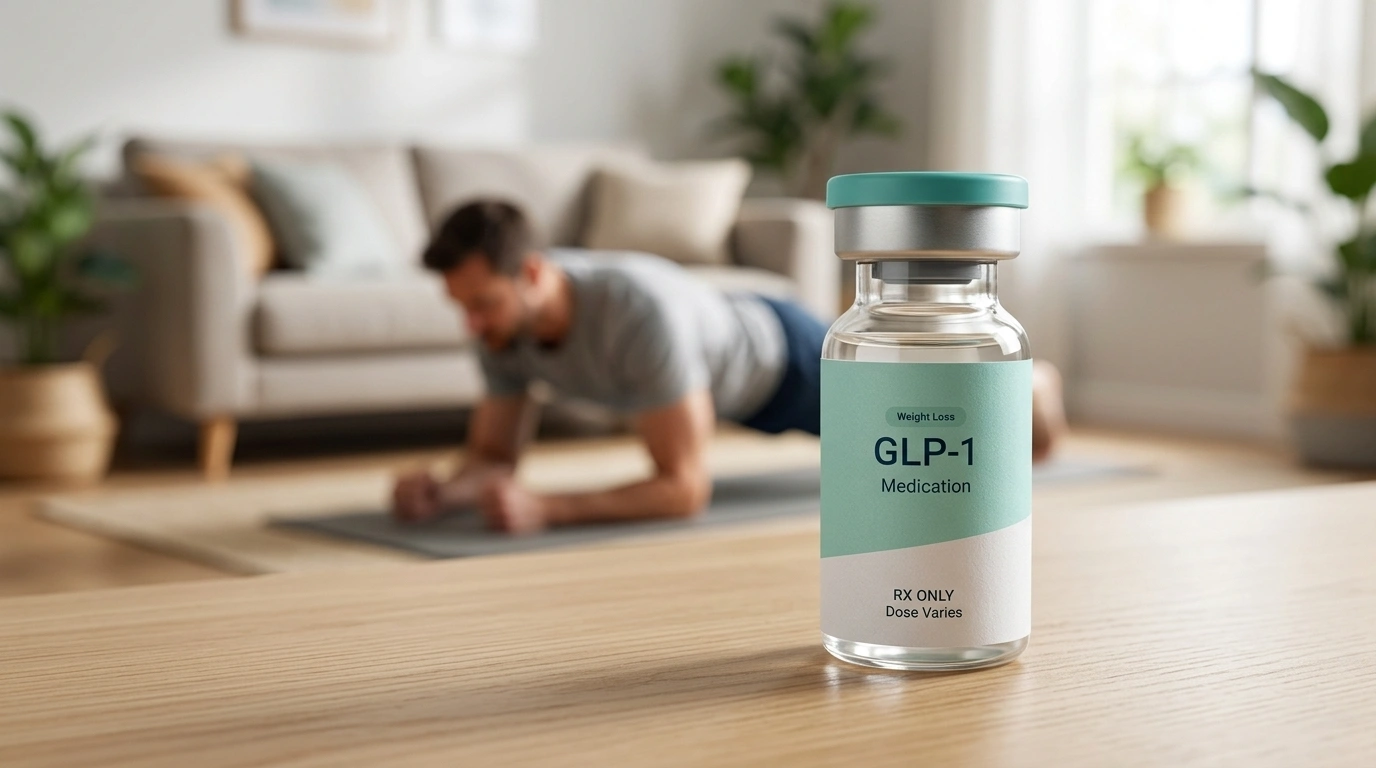
Taking the first step toward a healthier version of yourself often involves navigating new territory, and for many, the idea of self-injection is the most intimidating part. If you have been prescribed a GLP-1 medication—a glucagon-like peptide-1 receptor agonist—you are likely looking for clear, supportive guidance on how to manage your treatment safely at home. These medications mimic a natural hormone in your body that regulates appetite and blood sugar, making them powerful tools for weight management. At TrimRx, we understand that while the science is exciting, the actual process of “doing the shot” can feel overwhelming. This guide will walk you through exactly how to inject GLP 1 in stomach tissue, ensuring you feel confident, prepared, and supported. By the end of this article, you will know how to choose your site, prepare your supplies, and administer your medication with ease.
Quick Answer: To inject a GLP-1 medication in the stomach, select a site at least two inches away from your belly button. Clean the area with alcohol, pinch a fold of skin if necessary, and insert the needle at a 90-degree angle into the fatty tissue. Hold the needle in place for several seconds after the dose is delivered to ensure full absorption.
Understanding Subcutaneous Injections
Before picking up your medication, it is helpful to understand the “why” behind the technique. GLP-1 medications like compounded semaglutide or tirzepatide are administered as subcutaneous injections. This means the medication is delivered into the fatty layer of tissue just beneath the skin, rather than into a muscle or directly into a vein. For a broader overview of approved injection locations, review this complete guide to GLP-1 injection sites.
The subcutaneous layer is ideal for these medications because it contains fewer blood vessels than muscle tissue. This allows the medication to be absorbed slowly and steadily into your system over several days. Because GLP-1 receptor agonists are designed to provide consistent appetite regulation, this slow release is essential for the medication to work effectively.
When you learn how to inject GLP 1 in stomach areas specifically, you are utilizing one of the most reliable “depots” of subcutaneous fat on the body. The abdomen is a preferred site for many because it is easy to reach, has a consistent fat layer, and typically results in less discomfort than other areas.
If you are considering whether a prescription program may be appropriate for you, you can complete a free eligibility assessment.
Why the Stomach is a Primary Injection Site
While GLP-1 medications can often be injected into the thigh or the back of the upper arm, the stomach remains the most popular choice for both patients and providers.
Ease of Access: You can easily see what you are doing. Unlike the back of the arm, which often requires a second person to help, the stomach allows you to use both hands to stabilize the skin and the injection device.
Consistent Absorption: Clinical observations suggest that the abdomen provides a very consistent absorption rate. This helps maintain steady levels of the medication in your bloodstream, which may help minimize the “peaks and valleys” that sometimes contribute to side effects like nausea.
Surface Area: The abdomen offers a large area for “site rotation.” Since you must move your injection spot every week to keep the skin healthy, having the broad surface of the stomach makes it easier to find a fresh spot each time. You can also review how injection site choice may affect comfort and consistency.
Preparing Your Environment and Supplies
A successful injection starts long before the needle touches the skin. Creating a calm, clean environment helps reduce anxiety and ensures the process remains sterile.
Gathering Your Essentials
Before you begin, set out all your supplies on a clean, flat surface. You will generally need:
- Your medication (either a pre-filled pen or a vial of compounded medication).
- A fresh, sterile needle (if using a pen that requires separate needles) or a sterile syringe (if using a vial).
- Alcohol prep pads.
- A cotton ball or gauze.
- A puncture-resistant sharps container for safe disposal.
Checking the Medication
Always inspect your medication before use. Whether you are using a branded product like Wegovy® or Zepbound®, or a compounded version from a pharmacy, the liquid should typically be clear and colorless. If the liquid looks cloudy, discolored, or contains visible particles, do not use it. Contact your healthcare provider or the pharmacy for guidance.
Key Takeaway: Proper preparation is half the battle. By gathering all supplies and inspecting your medication in advance, you reduce the risk of errors and make the actual injection feel like a routine part of your week.
Step-by-Step: How to Inject GLP 1 in Stomach
Following a consistent routine helps turn the injection process into a habit. Whether you are using a dial-up pen or a syringe and vial, the preparation of the skin remains the same.
Step 1: Wash Your Hands
Thoroughly wash your hands with warm water and soap for at least 20 seconds. Dry them with a clean towel. This is the most effective way to prevent introducing bacteria to the injection site.
Step 2: Choose and Clean the Site
Identify a spot on your abdomen that is at least two inches away from your navel (belly button). Avoid areas with scars, moles, or visible bruises. Use an alcohol prep pad to clean the area, moving in a circular motion from the center outward. Allow the skin to air-dry completely; if the skin is still wet with alcohol when you inject, it may cause a slight stinging sensation. For additional guidance on selecting an injection location, see this guide to where GLP-1 medications can be injected.
Step 3: Prepare the Device
- For Pens: Remove the pen cap and wipe the rubber seal with alcohol. Attach a new needle by screwing it on tightly. If your pen requires priming (checking the flow), follow the manufacturer’s instructions to ensure a drop appears at the needle tip.
- For Vials: If you are using compounded medication, wipe the rubber stopper of the vial with alcohol. Draw air into the syringe equal to your dose, inject the air into the vial, and then draw the liquid medication into the syringe. Tap the syringe to move any air bubbles to the top and push them back into the vial.
Step 4: Perform the Injection
Hold the device like a pencil or a dart. Use your other hand to gently pinch a two-inch fold of skin and fat between your thumb and forefingers. This lifts the subcutaneous tissue away from the underlying muscle.
Insert the needle quickly and firmly at a 90-degree angle (straight in). Do not go in at a shallow angle. Once the needle is fully inserted, you can release the pinch and press the injection button or plunger slowly and steadily.
Step 5: The “Wait and Count”
After the dose is fully delivered, do not pull the needle out immediately. Count to six (or follow the specific timing on your medication’s instructions) while keeping the needle in place. This ensures that all the medication has exited the needle and is absorbed into the tissue rather than leaking back out of the tiny puncture site.
Step 6: Safe Removal and Disposal
Pull the needle straight out. If there is a tiny drop of blood or medication, you can press a cotton ball or gauze to the site for a few seconds. Do not rub the area, as this can irritate the tissue. Immediately place the used needle or syringe into your sharps container.
Managing the Differences: Pens vs. Vials
Depending on your personalized program, you may use a pre-filled pen or a vial and syringe. Both are effective, but they require slightly different handling.
| Feature | Pre-filled Pens (e.g., Wegovy®, Ozempic®) | Compounded Vials (Syringe Method) |
|---|---|---|
| Dose Delivery | Usually “dialed” or pre-set. | Manually drawn into a syringe. |
| Needle Type | Often integrated or specialized screw-on needles. | Standard fine-gauge insulin syringes. |
| Ease of Use | Very high; designed for simplicity. | Requires a bit more manual dexterity. |
| Storage | Must follow strict refrigeration guidelines. | Must follow pharmacy-specific refrigeration and light-protection rules. |
Regardless of the format, the goal is the same: delivering the medication into the subcutaneous fat of the stomach. At TrimRx, we ensure our patients receive clear instructions tailored to the specific format of medication they are prescribed. You can also review what to expect during a first semaglutide injection.
The Importance of Site Rotation
One of the most common mistakes when learning how to inject GLP 1 in stomach tissue is using the exact same spot every week. This can lead to a condition called lipodystrophy, where the fat tissue under the skin becomes hard, lumpy, or scarred.
Scarred tissue does not absorb medication as well as healthy tissue. If you keep injecting into the same spot, you may find that your medication feels less effective over time.
How to Rotate Effectively:
- The “Clock” Method: Imagine a clock face on your stomach with your belly button at the center. Inject at 12 o’clock the first week, 3 o’clock the second week, 6 o’clock the third, and so on.
- The “U” Shape: Move in a large “U” shape around your navel, keeping at least two inches of distance.
- Switching Sides: Use the left side of your stomach one week and the right side the next.
Bottom line: Never use the same square inch of skin two weeks in a row. Proper rotation keeps your skin healthy and ensures your medication works at its full potential.
If you are still deciding whether a GLP-1 prescription program is right for you, you can see if you qualify for a personalized program.
Tips for a Pain-Free Injection Experience
For many, the fear of pain is worse than the actual sensation. GLP-1 needles are typically very thin and short—often compared to the thickness of a few strands of hair. Most people find the injection feels like a tiny pinch, if they feel it at all.
Take the Chill Off: Many GLP-1 medications must be stored in the refrigerator. Injecting cold liquid can sometimes cause a stinging sensation. You can take your pen or vial out of the fridge about 15 to 30 minutes before your injection to let it reach room temperature. However, never use heat or a microwave to warm it up.
Stay Relaxed: Tensing your abdominal muscles can make the needle entry more noticeable. Take a deep breath and exhale as you insert the needle.
Avoid the “Center Circle”: The area immediately around your belly button is more sensitive and has more nerve endings. Staying at least two inches away significantly reduces the chance of feeling the needle.
Pinch, Don’t Squeeze: If you have a leaner frame, pinching the skin helps ensure you hit the fat layer. If you have a more significant amount of abdominal fat, you may find that simply holding the skin taut works better.
Myth: “Self-injecting is painful and will cause deep bruising.” Fact: Because GLP-1 needles are designed for subcutaneous use, they are extremely fine. When done correctly, the process is usually painless. Most bruising is minor and occurs only if a tiny surface capillary is nicked.
Safety and Sharps Disposal
Safe disposal is just as important as the injection itself. Used needles are considered biohazardous waste and should never be thrown directly into your household trash or recycling bin.
Using a Sharps Container: You can purchase a red plastic sharps container at most pharmacies. If you do not have one, you can use a heavy-duty plastic household container with a tight-fitting, puncture-resistant lid, such as a laundry detergent bottle. Label it clearly as “Sharps.”
When the Container is Full: Once your container is about three-quarters full, follow your local community guidelines for disposal. Many areas have “drop-off” sites at hospitals or pharmacies.
Note: Never share your pens, vials, or needles with anyone else. Even if the needle is changed, sharing a pen can lead to the transmission of bloodborne pathogens.
Troubleshooting Common Issues
Even with the best technique, you might encounter minor issues. Here is how to handle them:
A Small Drop of Liquid on the Skin: If you see a tiny droplet of medication on your skin after pulling the needle out, do not panic. This is common and usually does not mean you missed your dose. To prevent this next time, ensure you are counting to at least six before removing the needle.
Redness or Itching: Some people experience a mild “injection site reaction.” This often looks like a small red circle or feels slightly itchy. This is usually harmless and goes away within a few days. Using a cool compress can help. However, if you develop a widespread rash, hives, or difficulty breathing, seek medical attention immediately. For more context, review what to expect after a first semaglutide injection.
Bruising: A small bruise is usually nothing to worry about. It just means the needle touched a small blood vessel. To minimize bruising, avoid rubbing the site after injecting and ensure you are not injecting into an already bruised area.
Forgetfulness: Life happens. If you miss a dose, check the specific instructions for your medication. Generally, if it is within a few days of your scheduled dose, you can take it as soon as you remember. If it is almost time for your next dose, skip the missed one. Never take two doses at the same time.
When to Consult Your Healthcare Provider
While self-injection is a standard part of modern weight loss programs, you should always feel empowered to reach out for help. Our team at TrimRx is dedicated to ensuring you feel supported throughout your journey.
Contact a healthcare professional if you experience:
- Signs of a severe allergic reaction (swelling of the face, tongue, or throat).
- Severe abdominal pain that does not go away (which could indicate other rare side effects).
- Persistent, worsening skin reactions at the injection site.
- Confusion about your dosage or how to use your specific device.
Your provider can offer a “refresher” demonstration or help you adjust your technique to make the process more comfortable.
The TrimRx Approach to Sustainable Weight Loss
At TrimRx, we believe that medication is just one piece of the puzzle. Our mission is to bridge the gap between clinical science and your daily life through a telehealth-first platform that emphasizes personalization and empathy. We don’t just provide access to prescriptions; we provide a structured program designed to help you succeed.
By choosing a program that includes 24/7 access to specialists and medications shipped from FDA-registered compounding pharmacies, you are giving yourself the best chance for long-term metabolic health. We are here to guide you through every step—from that very first “scary” injection to the day you reach your health goals.
Learning how to inject GLP 1 in stomach tissue is a skill that gets easier every single week. It is a small, five-minute task that paves the way for significant, sustainable health improvements.
Key Takeaway: You are not alone in this process. With the right tools, a clear technique, and a dedicated support team, managing your GLP-1 treatment can become a seamless part of your wellness routine.
If you are ready to explore whether prescription GLP-1 treatment may be appropriate for you, take the free assessment quiz.
FAQ
Does the injection have to be in the stomach?
No, the stomach is one of three common sites. You can also inject into the front of your thighs or the back of your upper arms. However, the stomach is often preferred for its ease of access and consistent absorption. Always rotate between these areas to keep the skin healthy. For a broader comparison, read about whether GLP-1 injection site affects weight loss results.
What if I hit a muscle instead of fat?
GLP-1 medications are designed for the subcutaneous fat layer. If you inject too deeply into the muscle, the medication may be absorbed too quickly, which could potentially increase the risk of side effects or change the effectiveness of the dose. Using a short needle and pinching the skin helps ensure you stay in the fat layer.
Should I clean the needle before I use it?
No, you should never clean or touch the needle itself. The needles come sterile in their packaging. Cleaning them with alcohol or anything else can actually contaminate them or dull the tip. Only clean the rubber stopper of the vial or the skin of your abdomen.
Is it normal to feel a lump after the injection?
A small, temporary lump or “wheal” can occur if the medication is sitting just under the skin before being absorbed. This usually disappears within an hour or two. However, if you notice hard lumps that persist for weeks, it may be a sign that you need to rotate your injection sites more frequently.
If you are ready to discuss whether a personalized prescription program may fit your needs, complete a free eligibility assessment.
Disclaimer: This content is for informational purposes only and does not constitute medical advice. It is not intended to diagnose, treat, cure, or prevent any disease or condition. Individual results may vary. Always consult a qualified healthcare professional before starting any weight loss program or medication.

Transforming Lives, One Step at a Time
Keep reading
Weight Loss Progress Tracker
Track your weight loss over time, see progress clearly, and stay motivated with simple charts, summaries, and goal-based insights.
How to Create a Personalized Adherence Plan
Build a one-page GLP-1 adherence plan: record dose, pick a weekly time, set reminders, log side effects, and review monthly.

Weight Loss Medication Dosage Calculator
Estimate weight loss medication doses by weight and drug type, with starting guidance, dose progression info, and a clear medical disclaimer.


