How to Inject Tirzepatide: A Step-by-Step Guide
Introduction
Taking the first step toward a healthier version of yourself often involves navigating new territory. For many, the transition to using metabolic health medications can feel a bit daunting, especially when it involves self-injection. You may find yourself staring at a small vial or a sleek pen, wondering exactly how to proceed safely and effectively. It is completely normal to feel a mix of excitement and hesitation as you begin this journey. At TrimRx, we believe that education and support are the cornerstones of a successful weight management program. This guide will walk you through everything you need to know about the injection process, from preparing your supplies to choosing the best injection site. By understanding the practical steps, you can focus less on the “how” and more on the progress you are making toward your long-term wellness goals.
If you are considering whether a prescription program may be appropriate for you, you can complete a free eligibility assessment.
Understanding Tirzepatide and How It Works
Before you perform your first injection, it is helpful to understand what this medication is and what it does in your body. Tirzepatide belongs to a class of medications known as dual GIP (glucose-dependent insulinotropic polypeptide) and GLP-1 (glucagon-like peptide-1) receptor agonists. In simpler terms, it is a medication that mimics two natural hormones your body produces after you eat.
The first hormone, GLP-1, helps regulate your appetite by signaling to your brain that you are full. It also slows down the rate at which your stomach empties. This helps you feel satisfied for longer periods after a meal. The second hormone, GIP, works alongside GLP-1 to improve how your body breaks down sugar and fats. Together, these two pathways support sustainable weight management by addressing the biological drivers of hunger and metabolic function.
When you use this medication as part of a personalized program, you are giving your body a tool to help reset its natural metabolic signals. Because it is a long-acting medication, most people only need to administer it once per week. This weekly schedule makes it a convenient option for those with busy lifestyles who want to stay consistent with their treatment.
For additional background on the injection process, review this step-by-step GLP-1 injection guide.
Choosing Your Injection Method
Depending on your specific prescription, you will likely use one of two methods: a pre-filled auto-injector pen or a vial with a separate syringe. While both methods deliver the medication into the fatty tissue just under your skin, the steps for each vary slightly.
Branded Auto-Injector Pens
Branded medications like Mounjaro® or Zepbound® often come in single-dose pens. These are designed for ease of use and have a hidden needle that retracts automatically. These branded products are FDA-approved for specific uses such as type 2 diabetes or chronic weight management. It is important to note that while we provide access to clinical experts who can help you navigate these options, we do not ship or sell branded medications directly.
Compounded Tirzepatide Vials
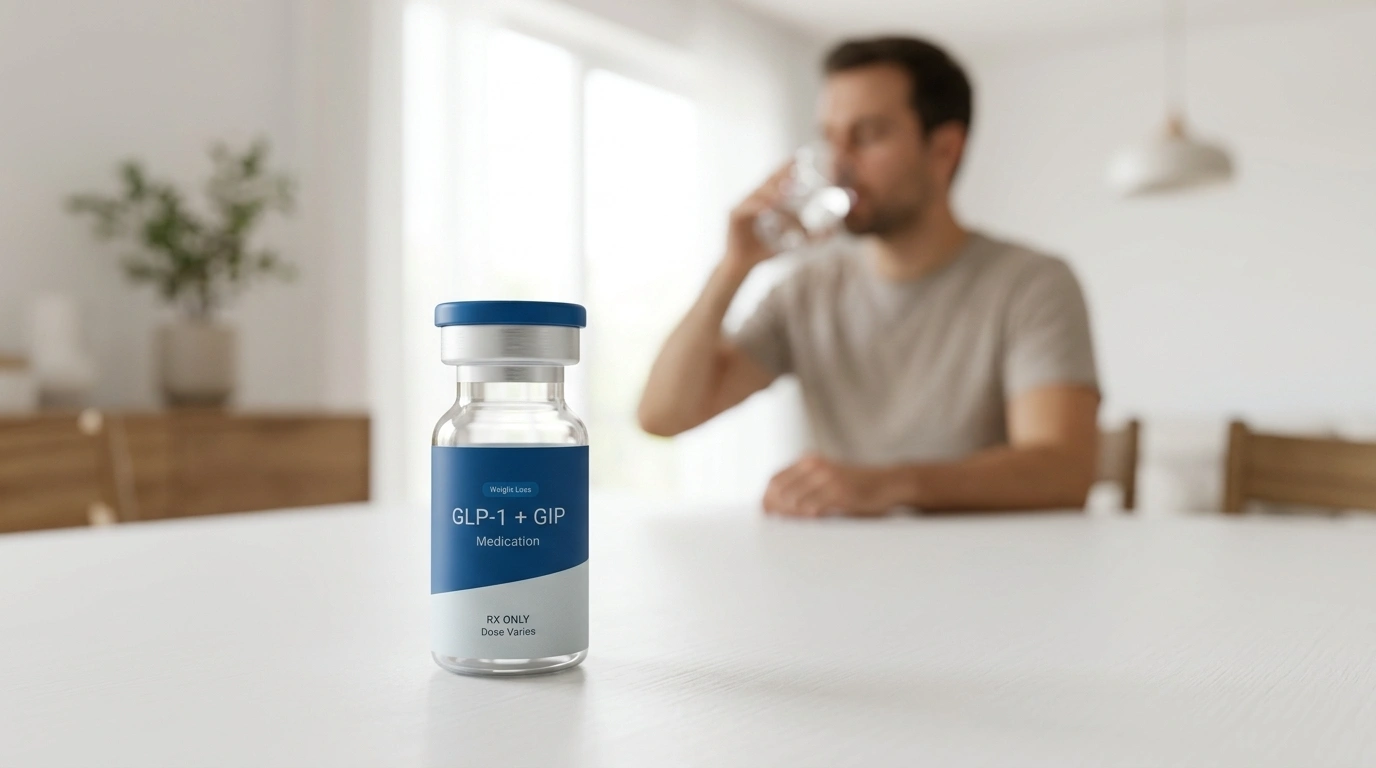
Many individuals choose to use compounded tirzepatide. This version is prepared by FDA-registered, inspected compounding pharmacies. When you receive a vial, you will use a very thin, short needle to draw the medication yourself. This method allows for precise dosing and is often a more accessible option for those participating in a telehealth-based program. Although compounded medications are not FDA-approved in the same way as branded versions, they are a standard part of many personalized weight loss plans when prepared by regulated pharmacies.
For a broader look at vial-based treatment and injection technique, read this guide to GLP-1 injections from a vial.
Preparing for Your First Injection
Preparation is the key to a stress-free experience. Setting aside a few minutes to get organized will help you feel more confident and ensure the process is as hygienic as possible.
Find a Quiet Space
Choose a well-lit area where you can sit comfortably and focus. Avoid distractions for the few minutes it takes to complete the process. Having a dedicated “injection spot” can help turn the task into a simple, routine habit.
Gather Your Supplies
Before you begin, make sure you have everything you need within reach:
- Your tirzepatide medication (pen or vial)
- Alcohol prep pads or a cotton ball with rubbing alcohol
- A clean tissue or gauze
- An FDA-cleared sharps disposal container (or a heavy-duty plastic container with a screw-top lid)
- If using a vial: a sterile, single-use syringe
Check Your Medication
Always inspect the liquid before injecting. Tirzepatide should be clear and colorless to slightly yellowish. If the liquid looks cloudy, contains particles, or has changed color significantly, do not use it. Check the expiration date on the packaging as well. If the medication is past its prime, it may not be as effective.
Key Takeaway: Always wash your hands thoroughly with soap and water before handling your medication or injection supplies to prevent infection.
Step-by-Step Guide for Using a Vial and Syringe
If your personalized program includes compounded tirzepatide, you will likely be using a vial. Follow these steps for a safe and accurate dose.
Step 1: Clean the Vial
Remove the plastic cap from the top of the vial. Use a fresh alcohol prep pad to wipe the rubber stopper on the top of the vial. Let it air dry for a few seconds. Do not blow on it or wipe it with a towel, as this can introduce bacteria.
Step 2: Prepare the Syringe
Remove the cap from the needle. Pull the plunger of the syringe back to the line that matches your prescribed dose. This fills the syringe with air. Insert the needle through the center of the rubber stopper and push the air into the vial. This creates pressure that makes it easier to draw the liquid out.
Step 3: Draw the Medication
Turn the vial and syringe upside down. Ensure the tip of the needle is submerged in the liquid. Slowly pull the plunger back until the top of the black seal aligns with your prescribed dose marker.
Step 4: Check for Air Bubbles
With the needle still in the vial, check the syringe for large air bubbles. If you see any, gently tap the side of the syringe with your finger until the bubbles rise to the top. Push the plunger slightly to move the air back into the vial, then draw more liquid if necessary to reach your correct dose.
Step 5: Choose and Prep the Injection Site
Select a site on your body with a good layer of fatty tissue. The most common areas are the abdomen, the front of the thighs, or the back of the upper arm. Wipe the skin with a fresh alcohol pad and let it dry completely.
For more detail on placement, review this complete guide to GLP-1 injection sites.
Step 6: Administer the Injection
Gently pinch a fold of skin at the cleaned site. Insert the needle straight into the skin at a 90-degree angle. Push the plunger down slowly and steadily until all the medication is delivered. Count to five to ensure the full dose has left the needle, then withdraw it.
Step 7: Disposal
Place the used syringe immediately into your sharps container. Never throw needles in the regular trash. Do not try to recap the needle, as this increases the risk of an accidental needle stick.
How to Use a Pre-Filled Pen
If you are using a branded pen prescribed by your provider, the process is slightly different but equally straightforward.
- Unlock the Pen: Most pens have a “lock” and “unlock” ring. Turn the ring to the unlock position only when you are ready to inject.
- Place the Pen: Press the clear base of the pen flat against your cleaned skin at the injection site.
- Press the Button: Hold the pen firmly against your skin and press the injection button. You will usually hear a click when the injection starts.
- Hold and Wait: Continue holding the pen against your skin. You will typically hear a second click or see a visual indicator (like a gray plunger) that the injection is complete. This usually takes about 5 to 10 seconds.
- Dispose: Remove the pen and place it in your sharps container.
For a more detailed walkthrough, see this guide to using GLP-1 injection pens and vials.
Selecting the Best Injection Sites
Where you choose to inject can influence your comfort level. Tirzepatide is a subcutaneous injection, meaning it must go into the fat layer, not the muscle or a vein.
The Abdomen
This is the most popular site for many people. It is easy to reach and usually has a sufficient fat layer. Stay at least two inches away from your belly button. Avoid areas with scars, moles, or stretch marks.
The Thighs
The front or outer part of the thigh is another excellent option. This site is particularly easy to reach if you are sitting down. Many people find the thigh to be the least sensitive area for injections.
The Back of the Arm
This area can be used if someone else is helping you with the injection, though it is possible to do it yourself with a bit of practice. It is the area on the back of the upper arm where there is a bit of “pinchable” fat.
For additional site-selection guidance, read where to inject GLP-1 medications.
The Importance of Site Rotation
You should never inject into the exact same spot two weeks in a row. Rotating your injection sites helps prevent the skin from becoming thickened or lumpy, a condition known as lipohypertrophy. You can rotate between the different regions (thigh one week, abdomen the next) or simply move the injection site at least an inch away from the previous week’s spot within the same region.
Key Takeaway: Rotating your injection site reduces the risk of skin irritation and ensures the medication is absorbed consistently into your system.
Learn more about why injection site rotation matters.
Tips for a More Comfortable Injection
If you are nervous about the needle or have sensitive skin, there are several ways to make the process more comfortable.
- Take the Chill Off: Tirzepatide is typically stored in the refrigerator. Injecting cold liquid can sometimes cause a stinging sensation. You can take your pen or vial out of the fridge about 30 minutes before your injection to let it reach room temperature. Do not use a microwave or hot water to warm it up.
- Let the Alcohol Dry: If your skin is still wet with alcohol when you insert the needle, it may sting. Waiting 15–20 seconds for the skin to air dry makes a big difference.
- Use a Quick Motion: When inserting the needle, use a quick, firm motion rather than pushing it in slowly. The needles used for these medications are incredibly thin and designed for minimal discomfort.
- Relax Your Muscles: If you are injecting into your thigh, make sure your leg is relaxed and not tensed up.
Managing Common Injection Site Reactions
It is very common to experience a minor reaction at the site of the injection. This is usually nothing to worry about and typically fades within a few days.
Myth: A red bump at the injection site means I am allergic to the medication. Fact: Small red bumps or mild itching are common local reactions to the injection process itself and usually disappear quickly.
If you experience mild redness, swelling, or itching:
- Apply a cool compress to the area for a few minutes.
- Avoid rubbing or massaging the site immediately after the injection, as this can increase irritation.
- Note which site you used and ensure you rotate to a different area for your next dose.
If you develop a rash that spreads, experience difficulty breathing, or notice significant swelling of the face or throat, seek medical attention immediately, as these could be signs of a rare but serious allergic reaction. Always consult a qualified healthcare professional if you have concerns about your body’s reaction to the medication.
For more information about managing discomfort, read this tirzepatide side effects guide.
Storage and Handling Guidelines
To keep your medication effective, you must store it correctly. Most GLP-1 and GIP medications are sensitive to light and temperature.
Refrigeration
The ideal storage temperature is between 36°F and 46°F (2°C to 8°C). Keep your medication in the main body of the refrigerator, not in the door, where temperatures fluctuate more frequently. Do not store it near the cooling element, as the medication must not be allowed to freeze. If the medication freezes, it is no longer safe to use and should be discarded.
Travel and Room Temperature
If you are traveling or cannot access a refrigerator, most tirzepatide products can stay at room temperature (up to 86°F or 30°C) for up to 21 to 28 days, depending on the specific formulation. Always check the specific instructions provided with your prescription. When traveling, keep your medication in your carry-on bag to avoid the extreme temperature changes in the cargo hold of an airplane.
Light Protection
Keep the vial or pen in its original carton to protect it from light. Prolonged exposure to direct sunlight can break down the proteins in the medication, making it less effective.
What to Do if You Miss a Dose
Life happens, and you might occasionally forget your weekly injection. If you miss a dose, check how much time has passed since your scheduled day.
- If it has been 4 days or less: Administer the dose as soon as you remember. You can then resume your usual weekly schedule.
- If it has been more than 4 days: Skip the missed dose entirely and wait until your next regularly scheduled day to take your next dose.
- Never “Double Up”: Do not take two doses at once to make up for a missed one. This significantly increases the risk of gastrointestinal side effects like nausea and vomiting.
If you miss two or more doses in a row, contact your healthcare provider or the team at TrimRx. They can advise you on whether you need to restart at a lower dose to allow your body to get used to the medication again.
The TrimRx Approach to Your Journey
At TrimRx, we understand that weight loss is about more than just a weekly injection. Our mission is to provide a supportive, science-backed environment where you feel empowered to make lasting changes. We connect you with licensed providers who oversee your progress and ensure your treatment is tailored specifically to your health profile.
By choosing a telehealth-first platform like ours, you gain 24/7 access to specialists who can answer your questions about injection techniques, side effects, or lifestyle adjustments. We provide medications shipped from FDA-registered, inspected compounding pharmacies, ensuring that the clinical foundation of your program is solid. Our goal is to remove the barriers to effective weight management, providing a transparent and personalized experience from your first assessment to your ultimate success.
If you are ready to explore whether a personalized prescription program may fit your needs, see if you qualify for a personalized program.
Conclusion
Learning how to inject tirzepatide is a practical skill that becomes second nature very quickly. By following a consistent routine—preparing your supplies, cleaning the site, and rotating your locations—you ensure that your medication works effectively and comfortably. Remember that this medication is a powerful tool, but it works best when paired with mindful nutrition and regular physical activity.
Key Takeaway: Mastery of the injection process builds confidence and consistency, which are the primary drivers of long-term weight management success.
If you are ready to begin your journey or need a more personalized approach to your metabolic health, the next step is simple. Take the free assessment quiz to see if a tirzepatide-based program is right for you. Our team is here to support you every step of the way, providing the clinical expertise and empathy you deserve.
FAQ
Does the injection hurt?
Most people describe the sensation as a tiny pinch or a quick prick. The needles used for tirzepatide are extremely thin and short, designed to reach only the fatty tissue just under the skin. Following tips like letting the alcohol dry and relaxing your muscles can make the process almost painless.
Can I inject tirzepatide at any time of day?
Yes, you can administer your dose at any time of the day, with or without food. The most important factor is consistency; try to take it on the same day each week. Some people prefer injecting in the evening to sleep through any potential initial nausea.
What if I see a small drop of liquid on the needle after I inject?
It is common to see a tiny drop of liquid on the tip of the needle after you withdraw it. This is normal and does not mean you missed your dose. As long as you held the needle in for the recommended count of five to ten, you have received the full amount of medication.
Can I switch my injection day?
You can change the day of your weekly injection as long as the time between two doses is at least 3 days (72 hours). For example, if you usually inject on Monday but want to move to Wednesday, you can make that shift. However, it is generally best to stick to a consistent weekly routine to maintain steady levels of the medication in your body.
If you are still considering treatment, you can complete a free eligibility assessment.
Disclaimer: This content is for informational purposes only and does not constitute medical advice. It is not intended to diagnose, treat, cure, or prevent any disease or condition. Individual results may vary. Always consult a qualified healthcare professional before starting any weight loss program or medication.

Transforming Lives, One Step at a Time
Keep reading

Starting Tirzepatide While on the Pill: The First Four Weeks
You have your first box and you take an oral contraceptive. There is a labeled instruction that applies to you, and the mistake almost…
Marathon Training on Tirzepatide When You Can’t Fuel
You have a plan on the fridge and a medication that has made eating feel optional. Those two things are in genuine conflict, and…
Paying Cash for Tirzepatide? Don’t Stretch Your Supply
When every vial comes out of your own pocket, the arithmetic is hard to ignore. If a month’s supply costs what it costs, and…


