How to Lose Weight After 40 Without Extreme Dieting
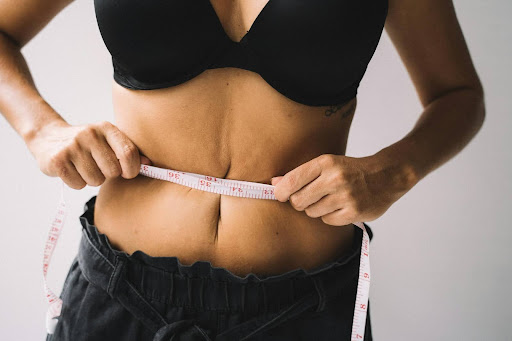
Trying to lose weight after 40 can feel very different from when you were in your 20s. The same tricks that once worked may not work anymore. You might notice more belly fat, especially around the belly, even if your eating habits have not changed much. Many women in their 40s say it feels harder to lose weight and easier to gain it.
The good news is that you can lose weight after 40 without extreme dieting. You really do not need to starve yourself or follow strict plans that make you miserable. With the right weight management habits, you can manage your weight, reduce stubborn belly fat, and maintain a healthy weight in a way that feels realistic for middle age.
Why Does Age Matter When Losing Weight?
As we get older, our bodies change. One big reason weight after 40 can be harder to manage is muscle mass. We slowly lose muscle mass as we age, and muscle burns more calories than fat. When you lose muscle, your body burns fewer calories at rest. This can slow your metabolism and make weight gain more likely, even if you eat and drink the same way you always have.
Hormonal changes also play a role. For women, menopause and lower estrogen levels can affect where the body stores fat. Estrogen helps regulate body fat, and low estrogen levels are linked to more belly fat, especially visceral fat. Visceral fat is the extra fat that sits deep in the belly and surrounds your organs. After all, middle age is a time when people are more likely to gain weight and face overweight and obesity if they do not adjust their diet and exercise habits.
How to Lose Weight After 40
If you want to lose weight after 40, think simple and steady. The goal is not quick weight-loss. The goal is to reach a healthy weight and keep the weight off long term.
Start by focusing on small changes you can stick to. Weight management in middle age works best when you combine eating well, physical activity, and enough sleep. Instead of trying to lose weight quicker with extreme plans, aim to lose fat slowly while keeping your muscle mass strong. This approach helps you maintain a healthy weight and reduces stubborn belly fat over time.
1. Things to Avoid
When trying to manage your weight after 40, some foods and drinks can make it harder to lose weight. Alcohol adds extra calories and can increase belly fat. Soda and sugary drinks raise blood sugar levels and can contribute to weight gain. Ultra-processed food often contains added sugar, unhealthy fats, and salt, which can make weight management more difficult.
These foods are easy to overeat and do not keep you full for long. Over time, they can lead to extra pounds and more body fat around the belly. Cutting back does not mean you can never have them again. It just means being more aware of how often you eat them and choosing healthier options most of the time.
2. Aim to Eat Healthy
Eating whole foods is one of the best ways to lose weight after 40. Focus on eating whole grains, vegetables, fruits, lean protein, and healthy fats. Protein is especially important because it helps protect against muscle loss. Since muscle burns more calories, keeping your muscle mass as you age supports better weight management.
Fibre also helps you feel full and supports healthy blood sugar levels. Healthy fats from foods like nuts, seeds, and olive oil can help you maintain a healthy weight when eaten in the right amounts. Simple healthy choices every day can help you lose fat and reduce belly fat without feeling deprived.
3. Measure Your Calorie Intake
You do not need to obsess over numbers, but it helps to understand how many calories you eat. To lose weight, you need a small calorie deficit, which means eating slightly fewer calories than your body uses. This does not mean skipping meals. It means being mindful of portion sizes and snacks.
If you are unsure how many calories you need, you can ask your health care provider for guidance, especially if you have health conditions. Creating a simple weight-loss plan based on your age, activity level, and goals can make it easier to manage your weight and avoid gaining weight again.
4. Find Healthy Ways of Managing Stress
Stress can make it harder to lose weight. When you are stressed, your body releases hormones that can increase cravings and make your body store fat, especially around the belly. Many women notice more stubborn belly fat during stressful periods of middle age.
Healthy stress habits like walking, group exercise, deep breathing, or quiet time can make a big difference. Regular physical activity not only helps you lose weight but also lowers the risk of heart disease and supports overall health.
5. Always Get Enough Sleep
Getting enough sleep is often overlooked in weight management. When you do not get enough sleep, your hunger hormones change. You may feel hungrier and crave sugary foods. Experts, including the National Institute of Diabetes and Digestive and Kidney Diseases, explain that not getting enough sleep can make it harder to lose weight.
Aim for at least seven to eight hours of sleep each night. Getting enough sleep helps balance hormones, supports muscle recovery, and makes it easier to maintain a healthy weight. Better sleep also gives you more energy for physical activity during the day.
6. Drink Plenty of Water
Drinking water sounds simple, but it really helps. Sometimes we think we are hungry when we are actually thirsty. Staying hydrated can help you eat less and support healthy digestion.
Replacing soda and sugary drinks with water reduces extra calories and helps reduce belly fat over time. It is a small habit that can support your overall weight-loss journey in middle age.
7. Stay Active
Physical activity is key if you want to lose weight after 40. Ideally, adults should exercise regularly and include both aerobic exercise and strength training. Strength training at least twice a week is especially important because it helps prevent loss of muscle.
Muscle burns more calories, even at rest. So when you build or maintain muscle mass, you help your body burn more calories throughout the day. You can try walking, cycling, swimming, or even high-intensity interval training if your body feels ready for it. Choose a type of exercise you enjoy so you are more likely to stick with it.
Try TrimRx Semaglutide or Tirzepatide
For some people, diet and exercise alone may not feel like enough. This is especially true if hormonal changes, menopause, or health conditions make weight management harder. In these cases, medical weight-loss support may help.
TrimRx offers access to prescription medications such as semaglutide and tirzepatide, which are used to support weight-loss in adults who are overweight or living with obesity. These options typically work by helping your body to regulate appetite and blood sugar levels. Hence, this can make it easier to manage your weight and reduce body fat, including stubborn belly fat. Treatment is typically provided under medical supervision.
Conclusion
Learning how to lose weight after 40 is really about working with your body, not against it. Yes, it may be harder to lose weight and easier to gain weight during middle age. Hormonal changes, muscle loss, and lifestyle shifts all play a role.
But you can lose weight after 40 in a healthy way. By eating well, staying active, getting enough sleep, managing stress, and making steady healthy choices, you can reduce belly fat, maintain a healthy weight, and feel strong in this stage of life.

Transforming Lives, One Step at a Time
Keep reading
Hypothyroidism and Weight Loss: GLP-1 Options (2026)
Weight loss with hypothyroidism is genuinely harder than it is for people with normal thyroid function. That’s not a convenient excuse. It’s a measurable…

Maximizing Your Results: Can You Lose Weight With Calorie Deficit Strategies?
Can you lose weight with calorie deficit strategies? Learn the science of energy balance, metabolic adaptation, and how medical support can help you see results.

How Long After Cutting Calories Do You Lose Weight?
Wondering how long after cutting calories do you lose weight? Learn about the 24-hour metabolic shift, water weight, and how to see visible fat loss results faster.


