How to Make Ginger Tea for Weight Loss: The Expert Method
The Truth About Ginger Tea and Weight Loss
Let's get one thing straight from the start. We've seen countless wellness trends come and go, but the appeal of ginger tea for weight loss has some serious staying power. And for good reason. It's warm, it's spicy, it's comforting, and it's packed with compounds that can genuinely support your body's metabolic processes. But our team at TrimrX is rooted in science and clinical experience, and we need to be honest: a cup of tea, no matter how potent, isn't a magic wand for shedding pounds.
So, what is it then? It's a powerful tool. It's a fantastic, health-promoting habit. It’s an ally in a much larger, more comprehensive strategy for achieving and maintaining a healthy weight. Knowing how to make ginger tea for weight loss correctly is about understanding its role—how to maximize its benefits as part of a system that truly works. We’re going to walk you through the science, the exact methods we recommend, and most importantly, how to place this simple ritual within a framework for real, lasting success.
Why Ginger? The Science We Actually Trust
It’s not just folklore. The reason ginger has been a cornerstone of traditional medicine for centuries—and why it's now being studied intensely by modern science—comes down to its unique bioactive compounds. The two big players here are gingerols (when the ginger is fresh) and shogaols (which become more concentrated when ginger is dried or heated).
Here’s what our team finds most compelling about these compounds:
-
Thermogenic Effect: This is a big one. Ginger has been shown to have a thermogenic effect, which means it can slightly increase your body's core temperature. To do this, your body has to burn more calories. It’s not a dramatic, workout-level burn, of course. Let's be realistic. But think of it as gently nudging your metabolic engine to run just a little bit hotter throughout the day. Over time, these small nudges can contribute to a more favorable energy balance.
-
Appetite Regulation: Have you ever felt that gnawing, distracting hunger even when you know you've eaten enough? Ginger can help. Studies suggest that ginger may play a role in promoting feelings of satiety, or fullness. By helping you feel satisfied for longer, it can naturally reduce overall calorie intake without you feeling deprived. It’s a subtle but significant shift in the daily battle against mindless snacking.
-
Digestive Harmony: This is where ginger truly shines. It's a well-known carminative, which means it helps to soothe the digestive tract and relieve bloating and gas. A calm, efficient digestive system is the bedrock of good metabolic health. When your body is effectively breaking down food and absorbing nutrients, everything else just works better.
-
Blood Sugar & Inflammation: This is where the conversation gets really interesting from a clinical perspective. Chronic low-grade inflammation is a formidable enemy of weight loss, often linked to insulin resistance and metabolic dysfunction. Ginger is a potent anti-inflammatory agent. By helping to quell this internal fire, it supports better insulin sensitivity and helps regulate blood sugar levels. This is a critical, non-negotiable element for anyone serious about managing their weight, as unstable blood sugar is a primary driver of cravings and fat storage.
It's this multi-pronged action that makes ginger so much more than just a flavorful root. It’s a functional food that actively supports the very systems you’re trying to optimize on a weight loss journey.
The Foundational Recipe: How to Make Ginger Tea The Right Way
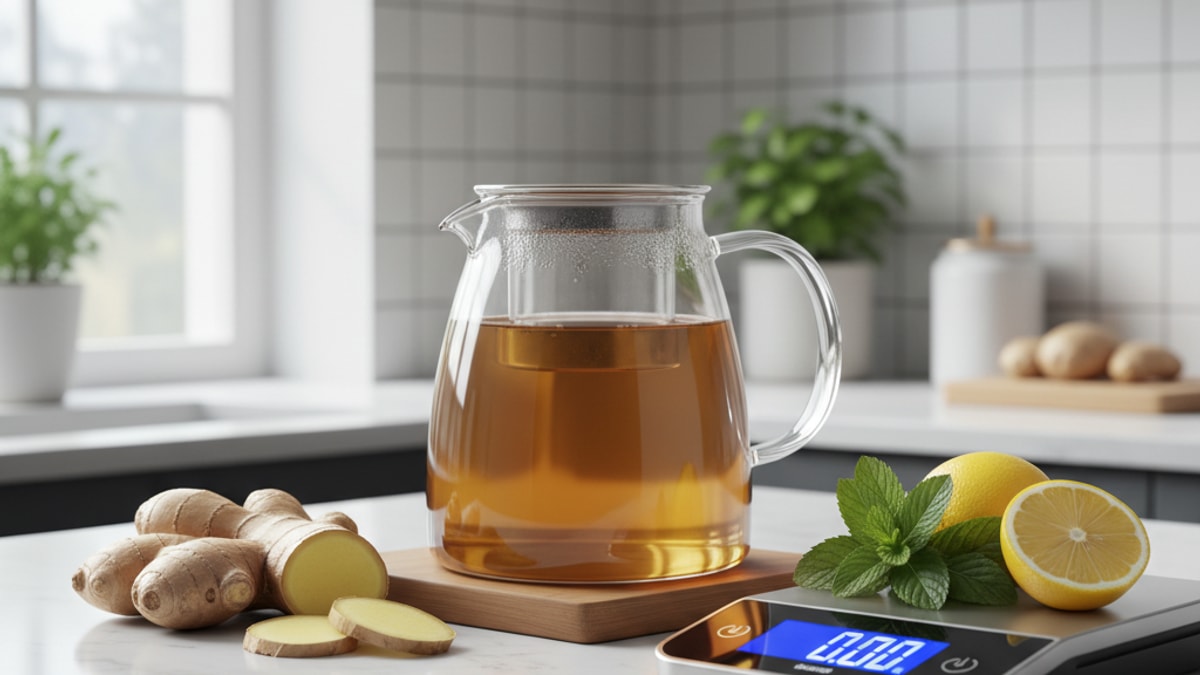
Forget those dusty, pre-packaged tea bags filled with ginger powder and mystery “natural flavors.” To get the real benefits, you need to use the real thing. The potency is in the fresh root. Our method is simple, designed for maximum extraction of those precious bioactive compounds.
Here’s what you’ll need:
- A 1- to 2-inch piece of fresh ginger root
- 2 cups of filtered water
- Optional: A squeeze of fresh lemon juice, a teaspoon of raw honey (use sparingly!)
The Process:
-
Preparation is Key: First, wash the ginger root thoroughly. You don't necessarily need to peel it, as many of the beneficial compounds are located just under the skin. However, if the skin looks particularly tough or dirty, a light peel is fine. The real choice is how you cut it. For a milder tea, slice it into thin coins. For a much stronger, spicier brew—which we generally recommend for its potency—grate the ginger using a microplane or fine grater. Grating dramatically increases the surface area, allowing for a much better infusion.
-
The Simmer: Combine the grated or sliced ginger and the filtered water in a small saucepan. Bring the water to a boil, then immediately reduce the heat to a gentle simmer. Don't do a hard, rolling boil. You want to coax the compounds out, not blast them away. Let it simmer gently for at least 10-15 minutes. For an even more potent brew, you can go up to 20 minutes. The liquid will turn a pale yellow and become incredibly fragrant.
-
Strain and Serve: Turn off the heat. Carefully pour the tea through a fine-mesh strainer into your favorite mug to catch all the ginger pieces. If you're adding lemon, now is the time to squeeze it in. If you absolutely need a touch of sweetness, a tiny amount of raw honey can be added, but we can't stress this enough: adding sugar, honey, or syrup can easily negate the metabolic benefits you’re seeking. Learn to love the spicy, warming flavor on its own.
That's it. Simple, right?
This is your baseline. It's your foundational, everyday ginger tea. From here, we can start to get strategic.
Beyond the Basics: Supercharging Your Ginger Tea
Once you’ve mastered the basic recipe, you can start customizing your brew to target specific goals. Think of these additions as boosters—each bringing its own unique set of properties to the table. Our experience shows that rotating these boosters can keep things interesting and provide a broader spectrum of benefits.
| Booster Ingredient | Primary Benefit | Taste Profile | Best Use Case |
|---|---|---|---|
| Lemon | Vitamin C, Alkalizing, Digestive Aid | Bright, Acidic, Fresh | Morning kickstart or pre-meal digestive primer. Cuts through the spice. |
| Turmeric | Anti-inflammatory (Curcumin), Antioxidant | Earthy, Warm, Slightly Bitter | Post-workout recovery or for general inflammation support. Always add a pinch of black pepper to boost curcumin absorption. |
| Cayenne Pepper | Metabolism Boost (Capsaicin) | Pungent, Hot, Sharp | Pre-workout to enhance thermogenesis or in the morning to wake up your system. Start with just a tiny pinch. |
| Ceylon Cinnamon | Blood Sugar Regulation | Sweet, Woody, Aromatic | With a meal or in the afternoon to help stabilize blood sugar and curb cravings for sweets. |
| Green Tea | Metabolism (EGCG), Antioxidants | Grassy, Astringent, Fresh | A caffeinated morning or early afternoon option. Add a green tea bag to your hot ginger water after simmering. |
How to incorporate them:
- For Turmeric & Cinnamon: Add a quarter-teaspoon of the ground spice (or a few slices of fresh turmeric root) to the saucepan while the ginger simmers.
- For Cayenne: A very small dash into your mug before drinking is all you need. Seriously, start small.
- For Green Tea: After you've simmered and strained your ginger tea, let it cool for a minute or two (boiling water can scorch the delicate leaves), then steep a high-quality green tea bag in the hot ginger water for 2-3 minutes.
Experimentation is your friend here. Find the combinations you enjoy and that make you feel your best. A ginger-turmeric tea in the evening can be wonderfully soothing, while a ginger-lemon-cayenne tea in the morning is a formidable wake-up call.
The Bigger Picture: Where Tea Fits into a Real Weight Loss Strategy
Now, this is where it gets interesting. We've shown you how to make a fantastic, health-supportive beverage. But our work at TrimrX is about creating significant, lasting change, and that requires an unflinching look at the whole picture.
Ginger tea is a phenomenal habit. It hydrates you, supports your metabolism, aids digestion, and fights inflammation. It's a massive upgrade from sugary sodas or juices. But it will not, on its own, overcome a diet high in processed foods, a sedentary lifestyle, or underlying hormonal imbalances. It’s a supporting player, not the star of the show.
This is the reality we discuss with our patients every day. True weight loss success is built on a multi-pillar foundation:
- Nutrition: A sustainable, whole-foods-based eating plan.
- Movement: Consistent physical activity that you enjoy.
- Behavior: Addressing sleep, stress, and the psychological aspects of eating.
- Medical Support: For many, this is the missing piece that makes the other pillars finally click into place.
Our experience has shown, time and again, that for individuals struggling with significant weight challenges, lifestyle changes alone can feel like an uphill battle against their own biology. That’s where modern medicine offers a breakthrough. Clinically-proven GLP-1 medications like Semaglutide and Tirzepatide work by targeting the very same systems that ginger tea gently nudges. They are precision tools designed to regulate appetite, control blood sugar, and reset the body's metabolic set point in a way that is far more powerful and direct.
So, how does ginger tea fit in? It's the perfect complement. For someone on a medically-supervised program with TrimrX, a daily ginger tea ritual can:
- Soothe the Digestive System: As your body adapts to dietary changes, ginger can be incredibly helpful for maintaining digestive comfort.
- Enhance Hydration: Staying hydrated is critical for metabolism and overall health, and a flavorful tea makes this easier.
- Provide a Healthy Ritual: It replaces other, less healthy beverage habits and provides a comforting, mindful moment in your day.
If you've been diligently trying things like adding ginger tea to your routine but are still frustrated with a lack of progress, it’s not a personal failure. It may simply mean you need a more powerful tool in your toolkit. If you’re ready to see what a science-backed, comprehensive approach can do, you can see if you're a candidate by taking our simple Take Quiz. Our medical team can help design a plan that integrates the best of modern medicine with supportive lifestyle habits. It’s about using every available tool to achieve your goals. Why not Start Your Treatment and see the difference a truly integrated plan can make?
Common Mistakes We See (And How to Fix Them)
Over the years, our team has seen a few common missteps that prevent people from getting the most out of their ginger tea habit. Here’s what to watch out for.
- The Sugar Trap: This is the number one mistake. Drowning your tea in honey, agave, or sugar completely undermines your weight loss efforts. It spikes your blood sugar and adds empty calories, which is the exact opposite of what you want. You must learn to appreciate the tea's natural spice. If it's too strong, use less ginger or add more water, but don't mask it with sugar.
- Relying on Processed Products: Those bottled ginger drinks or powdered mixes are often loaded with sugar and preservatives and contain very little of the actual beneficial compounds from real ginger. Making it fresh is non-negotiable.
- Inconsistency: Drinking ginger tea once a week won’t do much. The benefits, especially for inflammation and digestion, are cumulative. Make it a daily, or almost-daily, ritual to see real results.
- Ignoring the Rest of Your Diet: You can't drink ginger tea with your morning donut and expect to lose weight. It's a supplement to a healthy diet, not a substitute for one. Use it as a catalyst for making better choices throughout your day.
Avoiding these pitfalls is just as important as brewing the tea correctly. It’s about being intentional with your habits.
Making ginger tea is simple. It's an accessible, affordable, and genuinely beneficial practice you can start today. Embrace it as a small, positive step. Use it to hydrate, to soothe, and to gently support your body's metabolism. But don't stop there. See it as one piece of a larger, more intentional puzzle. True, sustainable transformation happens when these small, powerful habits are combined with a smart, science-backed strategy that addresses the root causes of weight gain. When you combine the wisdom of nature with the power of modern medicine, you create a truly unstoppable force for change.
Frequently Asked Questions
Can I drink ginger tea every day for weight loss?
▼
Yes, for most people, drinking one to two cups of ginger tea daily is perfectly safe and beneficial. Consistency is key for seeing results, so incorporating it into your daily routine is a great way to support your overall wellness and weight management goals.
Does ginger tea break an intermittent fast?
▼
Plain ginger tea, made with only ginger and water, contains negligible calories and should not break a fast. However, adding any sweeteners like honey or even a significant amount of lemon juice will introduce calories and will break your fast.
When is the best time to drink ginger tea?
▼
The ideal time depends on your goal. Drinking it in the morning can help kickstart your metabolism and digestion for the day. Having a cup about 30 minutes before a meal can help promote feelings of fullness and reduce overeating.
Can I use ginger powder instead of fresh ginger?
▼
You can, but we strongly recommend fresh ginger. Fresh ginger contains higher levels of gingerol, the primary active compound. While ginger powder is more concentrated in shogaols, the overall profile of fresh ginger is generally considered more beneficial for this purpose.
Will ginger tea help me lose belly fat specifically?
▼
No single food or drink can target fat loss in a specific area. Ginger tea supports overall weight loss by boosting metabolism and reducing inflammation, which can contribute to a reduction in belly fat as part of a comprehensive diet and exercise plan.
How much fresh ginger should I use per cup?
▼
A good starting point is a 1-inch piece of ginger root per 8-10 ounces of water. You can adjust this based on your preference for spiciness. Grating the ginger will produce a much stronger tea than slicing it.
Can I make a large batch of ginger tea and store it?
▼
Absolutely. You can brew a larger batch and store it in an airtight container in the refrigerator for up to 3-4 days. You can enjoy it cold or gently reheat it on the stove, but avoid the microwave as it can degrade some of the beneficial compounds.
Are there any side effects of drinking too much ginger tea?
▼
While generally safe, consuming very large amounts of ginger (more than 4-5 grams per day) can sometimes lead to mild side effects like heartburn or stomach upset in sensitive individuals. Stick to 1-3 cups per day.
Can ginger tea interact with medications?
▼
Ginger can have a mild blood-thinning effect and may affect blood sugar levels. If you are on blood thinners, diabetes medication, or blood pressure medication, it’s essential to speak with your doctor before making ginger tea a regular part of your routine.
Is it better to peel the ginger before making tea?
▼
It’s not necessary to peel the ginger, especially if it’s fresh and the skin is thin. Many nutrients are located just under the skin. Just be sure to wash and scrub the root thoroughly before slicing or grating.
What’s the difference between gingerol and shogaol?
▼
Gingerol is the primary bioactive compound in fresh ginger, known for its potent anti-inflammatory effects. When ginger is heated or dried, gingerol converts into shogaol, which is more pungent and also has powerful health benefits, particularly for cognitive and metabolic function.

Transforming Lives, One Step at a Time
Keep reading

Do You Need a Prescription for GLP-1s? The 2026 Answer
Wondering ‘do you need a prescription for glp 1’ in 2026? Yes. We explain why a doctor’s oversight is critical for safe, effective results.

How to Get GLP-1 Covered By Insurance: Our 2026 Playbook
Struggling with how to get glp-1 covered by insurance? Our 2026 guide breaks down prior authorizations, appeals, and documentation.

Traveling with GLP-1s in 2026: Your Essential Trip-Proof Plan
Don’t let travel disrupt your GLP-1 treatment. Learn how to travel with glp 1 medications safely and stress-free in our 2026 expert guide.


