Considerations for How to Microdose Mounjaro Pen Safely
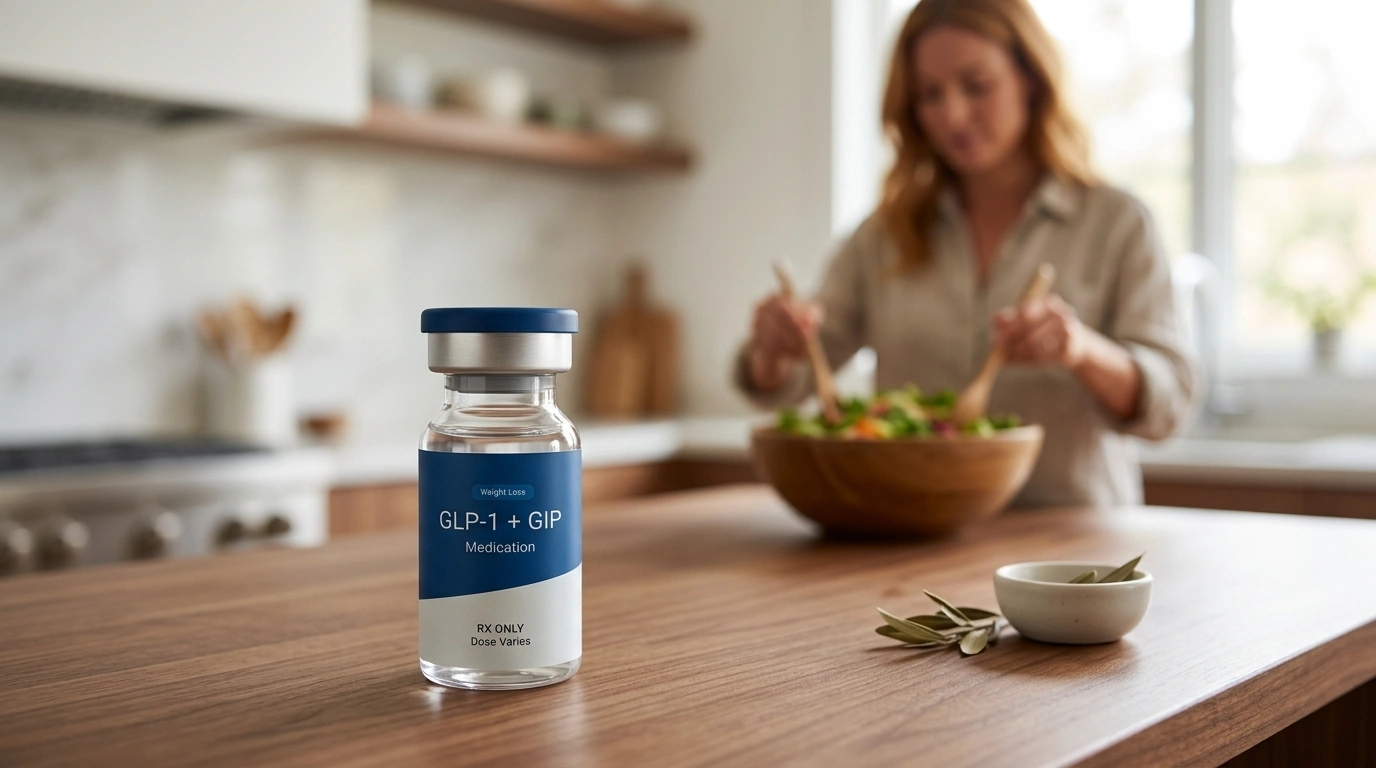
Table of Contents
- Introduction
- The Science of Tirzepatide and Weight Loss
- Why the Question of Microdosing Arises
- The Technical Challenge of the Mounjaro® Pen
- Safer Alternatives for Flexible Dosing
- Managing Side Effects Without Changing Doses
- What to Do If Your Dose Feels Too High
- The Risks of DIY Medication Management
- The TrimRx Philosophy
- Conclusion
- FAQ
Introduction
Finding a weight loss solution that works with your body, rather than against it, can feel like a long and often exhausting search. When starting a powerful medication like Mounjaro®, many individuals find that the standard dosing schedule moves a bit too fast for their comfort. This often leads to the question of how to microdose Mounjaro pen—a strategy where someone takes smaller, more frequent doses to minimize side effects while still seeing results. At TrimRx, we believe that understanding the science behind your medication is the first step toward a successful journey.
While the desire to personalize your dosage is understandable, the physical design of branded autoinjector pens presents significant hurdles. This article will explain the clinical reality of microdosing, the mechanical limitations of single-use pens, and the safer, medically supervised alternatives available through our platform. If you’re wondering whether a personalized program is right for you, you can take the free assessment quiz to get started.
The Science of Tirzepatide and Weight Loss
To understand why someone might consider microdosing, it is first necessary to understand what the medication actually does in the body. Mounjaro® contains the active ingredient Tirzepatide, which is a dual receptor agonist. This means it mimics two different natural hormones in the body: glucagon-like peptide-1 (GLP-1) and glucose-dependent insulinotropic polypeptide (GIP).
The dual-action approach is what makes this medication distinct. While older medications might only target the GLP-1 receptor, Tirzepatide interacts with both. The GIP component is thought to complement the GLP-1 effect by further improving how the body breaks down sugar and fat. Together, these hormones signal the brain that you are full, slow the rate at which the stomach empties, and help regulate insulin secretion.
For many people, this combined effect is highly efficient. However, because it is so potent, the body needs time to adjust. This is why the standard medical protocol involves a “titration” period, starting at a low dose and gradually increasing every four weeks. If you want to understand more about this hormone-based approach, our GLP-1 support guide explains how it fits into a broader weight loss plan. Despite this slow build-up, some individuals remain highly sensitive to the medication and begin looking for ways to take even smaller amounts than the standard 2.5mg starting dose.
Key Takeaway: Tirzepatide works by mimicking two hormones (GLP-1 and GIP) to regulate appetite and metabolism. Its potency is the primary reason some users explore smaller or more frequent “microdosing” schedules to mitigate initial sensitivity.
Why the Question of Microdosing Arises
Microdosing is not a standard medical term in the context of GLP-1 therapy, but it has become a popular topic in online communities. The primary motivation for most people is the management of gastrointestinal side effects. When the body is introduced to a dual agonist, it may react with nausea, indigestion, or changes in bowel habits. For some, these symptoms are a temporary hurdle, but for others, they can be disruptive to daily life.
Sensitivity varies significantly from person to person. One individual might feel no side effects at 5mg, while another might struggle with the starting 2.5mg dose. When side effects become uncomfortable, the instinct is to “dial back” the dose. Microdosing involves taking a fraction of the weekly dose, perhaps twice a week, to keep the level of medication more stable in the bloodstream and avoid the “peak” that occurs shortly after a full injection.
Another factor is the plateau. Some users feel that a full dose makes them feel “too full” or leads to total “food noise” suppression to the point where they struggle to meet their basic nutritional needs. In these cases, the goal of microdosing is to find a “sweet spot” where appetite is controlled but the individual can still enjoy healthy meals and maintain energy levels for exercise. If you’re considering whether a different approach might be more appropriate, you can see if you qualify for a personalized program.
The Technical Challenge of the Mounjaro® Pen
If you are looking at a Mounjaro® pen and wondering how to split the dose, you will immediately notice a problem: the hardware. In the United States, Mounjaro® is delivered via a single-dose autoinjector pen. This is a sophisticated piece of medical technology designed for simplicity and safety, but it is also intentionally “all-or-nothing.”
The Mechanical “Lock”
The autoinjector is pre-set to deliver one specific amount of medication. When you press the button, a spring-loaded mechanism fires the needle, injects the full volume of liquid, and then retracts the needle. There is no “dial” to turn and no way to stop the injection halfway through. This design is intended to prevent dosing errors, ensuring that every patient receives exactly what the doctor prescribed.
Attempting to “hack” this pen is dangerous. Some online forums suggest spraying the contents of the pen into a separate sterile vial and then using a traditional syringe to draw up smaller amounts. This process, often called “pen splitting,” carries several high-level risks that can compromise your health and the effectiveness of the medication.
Sterility and Contamination Risks
The medication inside the pen is sterile. The moment the liquid leaves the pen and enters a secondary container (like a vial), it is exposed to the air. Even in a seemingly clean environment, microscopic bacteria can contaminate the liquid. If you then inject that contaminated liquid, you run a high risk of developing a skin infection or an abscess at the injection site.
Preservatives also play a role. Single-dose pens are often formulated without the same types of preservatives found in multi-dose vials because they are intended to be used immediately. Once the seal is broken, the medication can begin to degrade or harbor bacterial growth much faster than a standard multi-dose vial would.
Accuracy of the Dose
Precision is vital when dealing with hormones. When you attempt to manually split a dose from an autoinjector, it is very difficult to measure the exact milligrams of Tirzepatide you are receiving. The liquid volume in the pen is very small. A slight error in measurement could mean you are taking significantly more or less than you intended, leading to either intensified side effects or a lack of progress in your weight loss journey.
Bottom line: The US-branded Mounjaro® pen is a single-use device that cannot be safely or accurately adjusted for microdosing. Attempting to split the dose manually introduces serious risks of infection and dosing errors.
Safer Alternatives for Flexible Dosing
If you find that the standard doses are too high for your system, you do not have to resort to “DIY” pharmacy at home. There are medically supervised ways to achieve a more flexible dosing schedule. This is where a personalized platform like TrimRx becomes an invaluable resource.
The Role of Compounded Tirzepatide
Compounded Tirzepatide is a common alternative for those seeking customized dosing. Compounded medications are prepared by licensed pharmacists in FDA-registered and inspected compounding pharmacies. Because these medications are often provided in multi-dose vials rather than single-use autoinjectors, they allow for much more precision in how much medication is administered.
With a vial and a syringe, a provider can prescribe a custom amount. For example, if a patient finds 2.5mg too strong, a licensed healthcare provider might recommend a smaller volume of the medication. This is done under medical supervision, using sterile equipment and proper technique. This approach provides the flexibility of “microdosing” without the safety hazards of trying to take apart a pre-filled pen.
It is important to note the regulatory status of these options. Compounded Semaglutide and Compounded Tirzepatide are not FDA-approved in the same way branded medications are, but they are produced in facilities that must follow strict quality standards. For a closer look at another related option, see our guide to getting semaglutide for weight loss. This makes them a legitimate pathway for patients who need tailored treatment plans that the branded autoinjectors simply cannot provide.
The Importance of Medical Supervision
You should never change your dosing schedule without consulting a professional. A weight loss journey is not just about the number on the scale; it is about metabolic health. When you work with a platform like ours, you have access to licensed providers who can evaluate your side effects and determine if a lower dose or a different frequency is appropriate for you.
The personalized treatment plan is key. Instead of guessing how to microdose Mounjaro pen, you can complete the free assessment quiz and be matched with a provider. They can then look at your history and symptoms to decide if a compounded version of the medication is a better fit for your needs.
Key Takeaway: For those who need dosing flexibility, compounded Tirzepatide from a sterile vial is a safer, medically recognized alternative to attempting to split a branded autoinjector pen.
Managing Side Effects Without Changing Doses
Before deciding that you need to microdose, it is worth exploring whether your side effects can be managed through lifestyle and supplemental support. Often, what feels like a “too high” dose is actually the body reacting to a lack of specific nutrients or hydration.
Hydration is the most common culprit. GLP-1 and GIP medications can reduce your thirst cues just as much as your hunger cues. Dehydration can lead to headaches, dizziness, and increased nausea. Staying ahead of your fluid intake—often by adding electrolytes—can significantly dampen these symptoms.
Protein intake and meal timing also matter. Eating large, high-fat meals can cause the medication’s “stomach-emptying” effect to feel much more uncomfortable. Shifting to smaller, protein-rich meals throughout the day can help your body process the medication more smoothly.
Nutrient Support
Many patients on Tirzepatide find that targeted supplements help them bridge the gap during the titration phase. We offer specialized products designed for this purpose:
- GLP-1 Daily Support supplement: This is designed to provide the essential vitamins and minerals that might be missing when your appetite is significantly reduced.
- Weight Loss Boost supplement: This supplement can help maintain energy levels, which often dip when someone is eating fewer calories or adjusting to a new medication.
By supporting your body’s natural pathways, you may find that the standard 2.5mg or 5mg dose becomes much more tolerable, eliminating the perceived need to microdose.
What to Do If Your Dose Feels Too High
If you are currently using a branded Mounjaro® pen and feel that the effects are overwhelming, here is a step-by-step guide on how to handle the situation safely:
- Do not skip or change your next dose without advice. Abruptly changing your schedule can lead to a “yo-yo” effect in your blood sugar and appetite levels.
- Contact your healthcare provider immediately. Explain your symptoms in detail. Are you experiencing nausea only on day one after the injection? Is the “food noise” completely gone, or are you unable to eat at all?
- Track your symptoms. Keep a log of when you take your dose and when side effects peak. This data is incredibly helpful for a provider when they are deciding whether to adjust your prescription.
- Inquire about alternative delivery methods. Ask if a compounded version of the medication—which allows for smaller, more precise increments—would be a safer option for your sensitivity level.
- Focus on “The Basics.” Increase your water intake, prioritize lean protein, and ensure you are getting enough sleep. These foundational habits can often make the difference between a difficult week and a successful one.
If you are looking for a broader overview of how TrimRx supports treatment decisions, our GLP-1 treatment guide is a helpful next step.
The Risks of DIY Medication Management
We understand that the cost and availability of branded medications can be stressful. This stress sometimes leads people to take risks with how they administer their shots. However, we cannot emphasize enough that DIY microdosing with an autoinjector pen is not worth the risk.
Beyond infection, there is the risk of “wastage.” These medications are an investment in your health. When you try to spray a pen into a vial, you almost always lose some of the medication in the process. You may also inadvertently expose the Tirzepatide to light or heat, which can cause the proteins in the medication to break down, rendering the dose ineffective.
Your safety is the priority. If the branded pen doesn’t fit your life or your body’s sensitivity, the solution is a change in the prescription or the delivery method, not a change in how you use the mechanical device.
The TrimRx Philosophy
At TrimRx, we are committed to more than just providing a platform for medication. We are here to offer a transparent, science-backed approach to sustainable weight loss. We know that every body is different, and a “one-size-fits-all” dose is not always the answer.
Our mission is to empower you with choices. By connecting you with licensed providers and FDA-registered compounding pharmacies, we ensure that you have access to personalized programs that can be adjusted as you progress. Whether you need the standard titration or a more customized approach to help manage sensitivity, we provide the tools and professional oversight to help you succeed safely. If you want to keep learning about medication-based support, you can explore GLP-1 treatment options.
Conclusion
The question of how to microdose Mounjaro pen usually stems from a real need for a more comfortable weight loss experience. However, because of the single-use design of the branded autoinjector, manual microdosing is physically difficult and medically unsafe. The risks of contamination, inaccurate dosing, and medication degradation far outweigh the potential benefits of “pen splitting.”
If you feel that your current dose is too high or your side effects are too intense, the best next step is to seek a professional, customized solution. Through our platform, you can access medical experts who understand the nuances of Tirzepatide and can guide you toward a program that fits your unique metabolic needs.
- Prioritize Safety: Never attempt to take apart or manually split a single-use autoinjector pen.
- Seek Customization: Explore compounded options if you require more flexible dosing than a pre-filled pen allows.
- Focus on Support: Use hydration and supplements like GLP-1 Daily Support to help manage the transition.
Key Takeaway: Sustainable weight loss is a marathon, not a sprint. Working with your body through a personalized, medically supervised plan is the most effective way to reach your goals without compromising your health.
Ready to see if a personalized weight loss program is right for you? Take our free assessment quiz today to connect with a licensed provider and discover a plan tailored to your health profile.
FAQ
Can I turn the dial on a Mounjaro® pen to take a smaller dose?
No, the Mounjaro® pen used in the United States does not have a dial. It is a single-dose autoinjector designed to deliver the entire contents of the pen in one click. Attempting to stop the injection mid-way is not possible and may result in injury or a wasted dose.
Is it safe to spray Mounjaro® into a vial to split the dose?
No, this is not recommended by medical professionals. Transferring the medication from an autoinjector to a secondary vial exposes the liquid to air and potential contaminants, increasing the risk of infection. Additionally, it is difficult to accurately measure the dose once it has been transferred.
How can I get a smaller dose of Tirzepatide if the 2.5mg pen is too strong?
If you are highly sensitive to the starting dose, you should consult with a healthcare provider. They may suggest staying on the starting dose for a longer period or transitioning to a compounded version of Tirzepatide. Compounded options often come in multi-dose vials, allowing a provider to prescribe more precise, smaller increments. If you want to begin that process, you can see if you qualify for a personalized program.
Does microdosing help reduce the side effects of Tirzepatide?
In theory, taking smaller or more frequent doses can help maintain more stable levels of the medication in your system, which may reduce the intensity of side effects like nausea. However, this must only be done under the direction of a licensed provider using medication meant for multi-dose delivery, such as compounded vials. For more background on supportive options, see our GLP-1 support overview.
Disclaimer: This content is for informational purposes only and does not constitute medical advice. It is not intended to diagnose, treat, cure, or prevent any disease or condition. Individual results may vary. Always consult a qualified healthcare professional before starting any weight loss program or medication.

Transforming Lives, One Step at a Time
Keep reading

Mounjaro Alternatives: What Else to Consider
If Mounjaro isn’t the right fit, the closest alternatives are other GLP-1 medications, chiefly semaglutide (Ozempic for diabetes, Wegovy for weight), along with a…

Mounjaro vs Zepbound: Same Drug, Two Brands
Like their semaglutide counterparts, Mounjaro and Zepbound are the same medication (tirzepatide) sold under two names for two purposes: Mounjaro is approved for type…

Retatrutide vs Mounjaro: Triple Agonist vs Dual Agonist
The core difference between retatrutide and Mounjaro comes down to how many hormone targets each hits: retatrutide activates three receptors, while Mounjaro (tirzepatide) activates…


