How to Mix Semaglutide Compound Safely and Accurately
Introduction
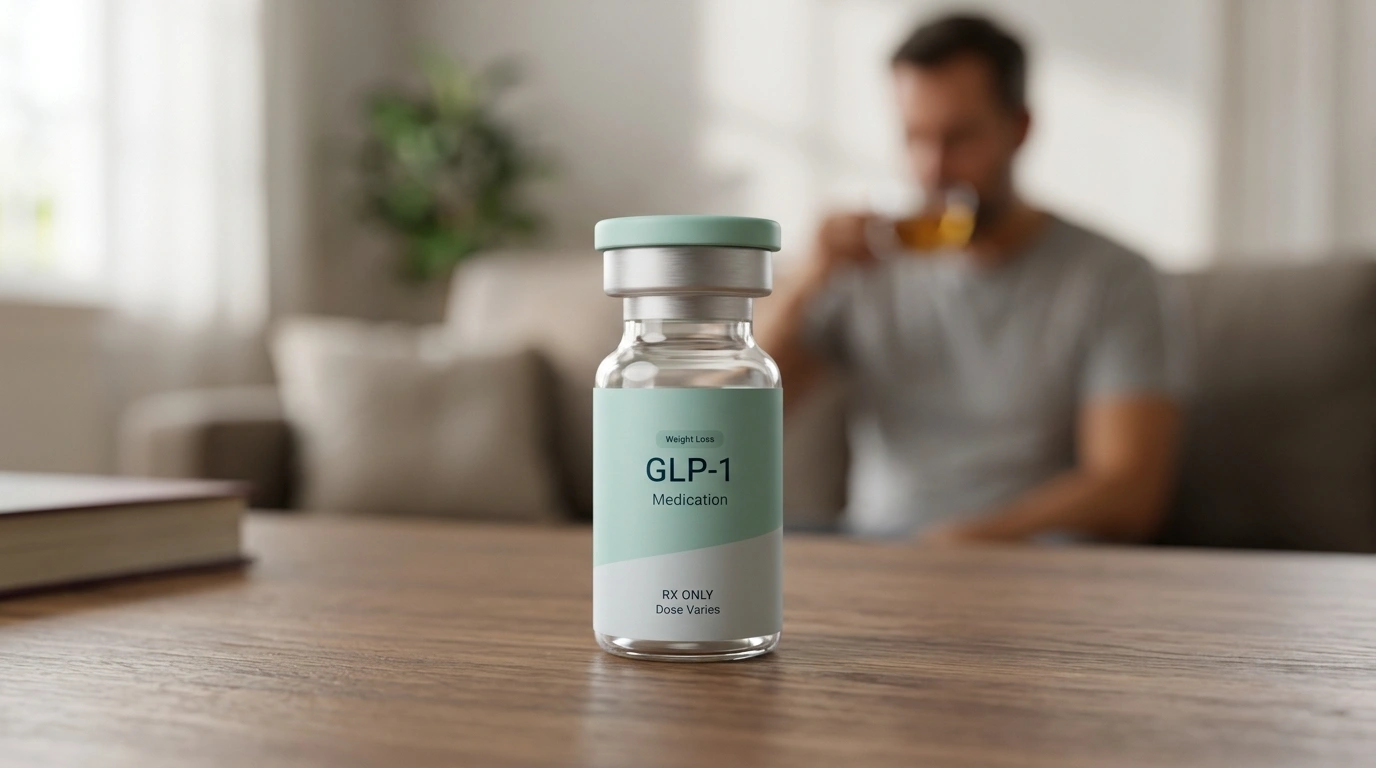
Receiving your weight loss medication in the mail is an exciting step toward your health goals. However, many individuals are surprised to find a small vial of dry powder instead of a ready-to-use liquid. This powder is a lyophilized (freeze-dried) form of the medication. It requires a process called reconstitution, which simply means mixing the powder with a specific liquid so it can be injected. At TrimRx, we believe that understanding every step of your treatment plan—including how to prepare your medication—is vital for a successful journey. This post explains the clinical process of mixing your medication, the supplies you will need, and the safety protocols required for accuracy. By following the guidance provided by your healthcare professional, you can ensure your treatment is both safe and effective. If you are exploring whether a personalized GLP-1 program may be appropriate for you, complete a free eligibility assessment.
The Science of Reconstitution
Reconstitution is a standard medical practice used for medications that are unstable in liquid form over long periods. Semaglutide is a GLP-1 (glucagon-like peptide-1) receptor agonist. A GLP-1 receptor agonist is a class of medication that mimics a natural hormone in your body. This hormone helps regulate appetite and blood sugar levels. When this medication is manufactured, it is often freeze-dried into a stable powder to preserve its molecular structure. For additional background, read this guide to how GLP-1 medications work for weight loss.
The process of “mixing” is the transition from a dry, shelf-stable state back into a biologically active liquid. This must be done with precision. If the medication is mixed too aggressively, the delicate peptide bonds can break. This reduces the potency of the drug. If it is mixed with the wrong liquid, it could lead to contamination or irritation at the injection site.
Quick Answer: Mixing semaglutide compound involves slowly adding bacteriostatic water to the lyophilized powder vial and allowing it to dissolve without shaking. Always follow the specific ratio and instructions provided by your prescribing healthcare provider.
Essential Supplies for Mixing
Before you begin the process, you must gather all necessary supplies. Most personalized programs through TrimRx ensure that the pharmacy provides the core components. However, it is helpful to know exactly what each item does and why it is necessary. For a detailed overview, review this compounded semaglutide reconstitution and dosage guide.
Lyophilized Semaglutide Vial
This is the heart of your treatment. The vial contains a precise amount of the active medication in powder form. It is often a very small amount of white or off-white “cake” or powder at the bottom of the glass container.
Bacteriostatic Water
Bacteriostatic water is the most common diluent used for multi-dose vials. A diluent is a liquid used to dissolve a solid substance. This is not the same as plain sterile water. Bacteriostatic water contains a small amount of benzyl alcohol (0.9%). This alcohol acts as a preservative that prevents the growth of bacteria. This allows you to use the vial for multiple doses over several weeks.
Alcohol Prep Pads
Sterilization is the most important part of the mixing process. You will use alcohol pads to wipe the top of the medication vial and the top of the bacteriostatic water vial. This prevents environmental bacteria from entering the solution.
Reconstitution Syringes
These are typically larger than the syringes used for the actual injection. They are used to draw the bacteriostatic water from its container and transfer it into the medication vial. Some programs provide specific syringes for this step to ensure the volume is accurate.
Sharps Container
Safety does not end when the mixing is done. Any needle used during the process must be disposed of in a puncture-proof sharps container. This prevents accidental needle sticks for you and anyone else in your household.
Preparing Your Workspace
Accuracy starts with a clean environment. Choose a flat, well-lit surface like a kitchen table or a desk. Avoid areas with high foot traffic or drafts, which can introduce dust and debris into your workspace. This GLP-1 reconstitution guide provides additional preparation and sanitation guidance.
Step 1: Hand Hygiene / Wash your hands thoroughly with warm water and soap for at least 20 seconds. Dry them with a clean paper towel or a lint-free cloth.
Step 2: Inspect Supplies / Check the expiration dates on both the medication vial and the bacteriostatic water. Look at the powder in the vial; it should appear consistent in color and free of any visible dark spots.
Step 3: Surface Sanitization / Wipe down your workspace with a disinfectant or an alcohol swab. Lay out your supplies in the order you will use them: alcohol pads, vials, syringes, and the sharps container.
How to Mix Semaglutide Compound Step-by-Step
Once your space is ready, you can begin the physical process of reconstitution. This process requires a steady hand and patience. Do not rush, as the goal is to maintain the integrity of the peptide. You can also review this step-by-step semaglutide mixing guide before beginning.
Accessing the Vials
Remove the plastic flip-top caps from both the semaglutide vial and the bacteriostatic water vial. These caps are protective seals and are not meant to be replaced. Once they are removed, the rubber stopper is exposed. Use a fresh alcohol prep pad to firmly wipe the top of each rubber stopper. Allow the alcohol to air dry completely. Do not blow on the stoppers to speed up the process, as this can introduce bacteria.
Drawing the Bacteriostatic Water
Take your reconstitution syringe and remove the needle cover. Pull back the plunger to fill the syringe with an amount of air equal to the amount of liquid your provider instructed you to use. Insert the needle through the rubber stopper of the bacteriostatic water vial.
Push the air into the vial to create pressure, which makes it easier to draw the liquid out. Turn the vial upside down and pull the plunger back to the exact measurement required. Ensure there are no large air bubbles in the syringe. If there are, gently tap the side of the syringe and push the bubbles back into the vial.
Introducing the Liquid to the Powder
Insert the needle into the semaglutide powder vial. This is the most critical step for preserving medication quality. Do not spray the liquid directly onto the powder. Instead, aim the needle toward the inside glass wall of the vial.
Slowly depress the plunger so the liquid trickles down the side of the glass. This “gentle entry” prevents the powder from foaming or “bruising” the peptides. If the liquid is introduced too quickly, it can create air bubbles that make it difficult to measure your future doses accurately.
The Dissolving Process
Once all the bacteriostatic water is in the vial, remove the needle and dispose of it in your sharps container. Do not shake the vial. Shaking can damage the semaglutide molecules and render them less effective.
Instead, gently swirl the vial between your palms or on the tabletop. Continue this for 30 to 60 seconds. Then, let the vial sit for several minutes. The solution should become completely clear and colorless. If the liquid looks cloudy or has visible floating particles after sitting, do not use it. Contact your provider or the pharmacy for guidance.
Key Takeaway: Proper reconstitution requires a “slow and low” approach—slowly adding the diluent down the side of the vial and using a low-impact swirling motion instead of shaking to protect the delicate medication.
Calculating Your Dosage
Mixing the medication is only half of the equation. You must also understand how much of the final liquid corresponds to your prescribed dose. Most pharmacies provide a specific “dosing schedule” that tells you exactly how many “units” to draw into your injection syringe. This semaglutide dosage and concentration chart explains how reconstitution ratios affect the final concentration.
The concentration of the medication depends on how much liquid was added to the powder. For example, if you have 5mg of powder and you add 2ml of water, your concentration is 2.5mg per ml.
Note: Never attempt to calculate or change your dosage without explicit instructions from your healthcare provider. Using too much medication can significantly increase the risk of gastrointestinal side effects.
Storage and Handling After Mixing
Once the medication is reconstituted, it is much more sensitive to its environment than it was in powder form. Proper storage is essential to ensure the medication remains potent throughout your treatment cycle. For more information, read this guide to compounded semaglutide storage and shelf life.
Refrigeration is Mandatory Most compounded semaglutide must be kept in the refrigerator between 36°F and 46°F (2°C to 8°C). Do not place the vial in the door of the refrigerator, as the temperature there fluctuates every time the door is opened. Instead, store it on a middle shelf toward the back. Never freeze the medication. If the solution freezes, the structure of the peptide is destroyed, and the vial must be discarded.
Light Sensitivity Semaglutide is sensitive to light. Exposure to direct sunlight or intense indoor lighting for long periods can degrade the active ingredients. It is best to keep the vial in the original box provided by the pharmacy or in an opaque container inside your refrigerator.
The 28-Day Rule Most multi-dose vials containing bacteriostatic water are intended to be used within 28 days of the initial mixing. Even with preservatives, the risk of bacterial growth increases after this window. Always write the date you mixed the medication on the vial label or in a dedicated health log.
Safety and Best Practices
When dealing with injectable medications, safety is the highest priority. Following sterile techniques and being observant can prevent the most common complications. You can also review this semaglutide storage, travel, and handling guide for additional handling tips.
Identifying Contamination
Every time you prepare a dose, inspect the vial. The liquid should be crystal clear.
- Cloudiness: This may indicate bacterial growth or chemical degradation.
- Color Changes: If the liquid turns yellow or brown, it has likely expired or been exposed to too much heat/light.
- Particles: If you see “strings” or white flecks that do not disappear with gentle swirling, the proteins may have clumped together.
If you observe any of these signs, do not inject the medication. It is always better to wait for a replacement than to risk an adverse reaction.
Sterile Technique
Never reuse a needle or a syringe. Even if a needle looks clean, the tip becomes dull and microscopic bacteria can cling to the surface after a single use. Reusing needles increases the risk of skin infections and makes the injection more painful.
Avoiding “Research” Chemicals
You may encounter websites selling semaglutide labeled “for research purposes only” or “not for human consumption.” These products are not held to the same safety, purity, or manufacturing standards as medications from FDA-registered, inspected compounding pharmacies. They may contain harmful impurities or incorrect concentrations.
By using a platform like TrimRx, you ensure that your medication is sourced from reputable, licensed pharmacies that undergo rigorous quality control. This protection is vital for your long-term health and safety.
Managing Common Concerns
It is normal to feel a bit of “needle anxiety” or technical confusion the first time you mix your medication. Many patients worry they might do it wrong or lose some of the product.
Myth: If I lose a drop of liquid during mixing, the whole vial is ruined. Fact: While you should strive for precision, a single lost drop of diluent usually will not significantly alter the concentration of a multi-dose vial. However, if you spill a large amount, you should contact your provider to see if a new calculation is needed.
If you experience resistance when trying to push the water into the vial, it may be due to air pressure. Ensure you have drawn an equal amount of air into the syringe before inserting it into the water vial, and allow the pressure to equalize naturally.
The Role of Personalized Programs
Navigating the world of GLP-1 medications can feel overwhelming. This is why a telehealth-first approach is so beneficial. A personalized program does more than just provide a prescription; it provides a framework for success.
Our platform connects you with licensed healthcare providers who evaluate your medical history and goals. They determine the appropriate starting dose and provide the specific instructions needed for your unique concentration of medication. When you use our service, you have 24/7 access to a team that can answer questions about the mixing process, side effects, or storage.
This comprehensive model means you don’t have to guess. From the initial free assessment quiz to the moment your supplies arrive at your door, every step is designed to be transparent and supportive. We believe that when you feel confident in how to handle your medication, you are better equipped to stay consistent and achieve sustainable weight loss. See if you qualify for a personalized program.
How to Start Your Journey
If you are ready to explore the benefits of GLP-1 medications, the process is straightforward and conducted entirely online.
Step 1: Take the Assessment Quiz / This free quiz gathers information about your health history, BMI, and weight loss goals. Step 2: Provider Review / A licensed healthcare professional reviews your profile to determine if a medication like compounded semaglutide is right for you. Step 3: Direct Shipping / If approved, your medication and all necessary mixing and injection supplies are shipped from an FDA-registered compounding pharmacy directly to your home. Step 4: Ongoing Support / You receive unlimited support and guidance as you begin your program, ensuring you feel comfortable with every aspect of your treatment.
Bottom line: Mixing semaglutide is a manageable process that requires a sterile environment, a gentle touch, and strict adherence to the instructions provided by your clinical team.
Conclusion
Mastering the process of how to mix semaglutide compound is a vital skill for anyone using lyophilized GLP-1 medications. By prioritizing sterility, following the “slow trickle” method, and storing your vial correctly, you maintain the safety and potency of your treatment. Remember that you are not alone in this process. Our mission at TrimRx is to provide the science, empathy, and professional oversight you need to move toward a healthier version of yourself. We bridge the gap between complex medical treatments and the convenience of your own home, ensuring that your path to weight loss is clear and well-supported.
- Gather all supplies and sanitize your workspace before starting.
- Never shake the vial; always use a gentle swirling motion.
- Store reconstituted medication in the refrigerator and away from light.
- Always use a fresh, sterile needle for every step of the process.
To see if a personalized weight loss program is the right fit for you, the first step is simple.
Take our free assessment quiz today to explore your options.
FAQ
Can I mix semaglutide with regular tap water or bottled water?
No, you must never use tap or bottled water for reconstitution. You should only use the specific diluent provided or recommended by your pharmacy, which is typically bacteriostatic water. Bacteriostatic water contains a preservative that prevents bacterial growth, whereas other water sources are not sterile and can cause serious infections.
Why is my semaglutide cloudy after I mixed it?
If your semaglutide appears cloudy, it may be because it was shaken too vigorously or the proteins have clumped together. It could also indicate that the solution is contaminated or has been exposed to extreme temperatures. You should not inject cloudy medication; instead, let it sit for a few minutes to see if it clears, and if it remains cloudy, contact your provider.
How long can I keep the semaglutide after it has been mixed?
Generally, a reconstituted vial of semaglutide should be used within 28 days if it contains bacteriostatic water as the diluent. After this time, the preservative may no longer be effective at preventing bacterial growth. Always check the specific instructions provided by your pharmacy, as some formulations may have shorter or longer stable periods. For more information, review this compounded semaglutide storage guide.
What should I do if I accidentally shake the vial?
If you accidentally shake the vial, the medication might become foamy or develop air bubbles. Set the vial in the refrigerator and let it rest undisturbed for several hours. Once the foam has settled, inspect the liquid; if it is clear and there are no visible particles, it is likely still safe to use, though its potency could be slightly affected.
Disclaimer: This content is for informational purposes only and does not constitute medical advice. It is not intended to diagnose, treat, cure, or prevent any disease or condition. Individual results may vary. Always consult a qualified healthcare professional before starting any weight loss program or medication.

Transforming Lives, One Step at a Time
Keep reading
Semaglutide vs Tirzepatide: Comparing Weight Loss, Blood Sugar, and Side Effects
Semaglutide and Tirzepatide are one of the most common comparisons in medical weight loss. The two medications share a clear family resemblance. Both are…

How Much Weight Can You Lose on Semaglutide?
How much weight can you lose on semaglutide? The answer varies depending on your starting weight, dosage, treatment duration, and individual response to the…

Hair Shedding Months Into Semaglutide
It shows up in the shower drain first, then on the pillow, then in the brush. By the time most people search this, they…


